

Your Journey, Our Expertise...
Menu

Kailash Mansarovar Yatra via Lhasa

15 Days • Moderate • Best season: All Seasons
Kailash Mansarovar Yatra via Lhasa

Overview

The Kailash Mansarovar Yatra via Lhasa is a 15-day spiritual and cultural journey that combines the sacred pilgrimage to Mount Kailash and Lake Mansarovar with a chance to explore the rich history of Tibet. The trip begins in Kathmandu, where you complete your travel preparations and visit important cultural sites before flying to Lhasa, the capital of Tibet. In Lhasa, you spend time visiting famous monasteries, ancient palaces, and Buddhist landmarks while gradually adjusting to the high altitude. The journey then continues by road through Shigatse, Saga, and Paryang, passing wide-open Tibetan landscapes, snow-covered mountains, and traditional villages before reaching the holy Lake Mansarovar. Many pilgrims believe that taking a dip in the sacred lake or performing rituals along its shores brings spiritual purification and blessings.

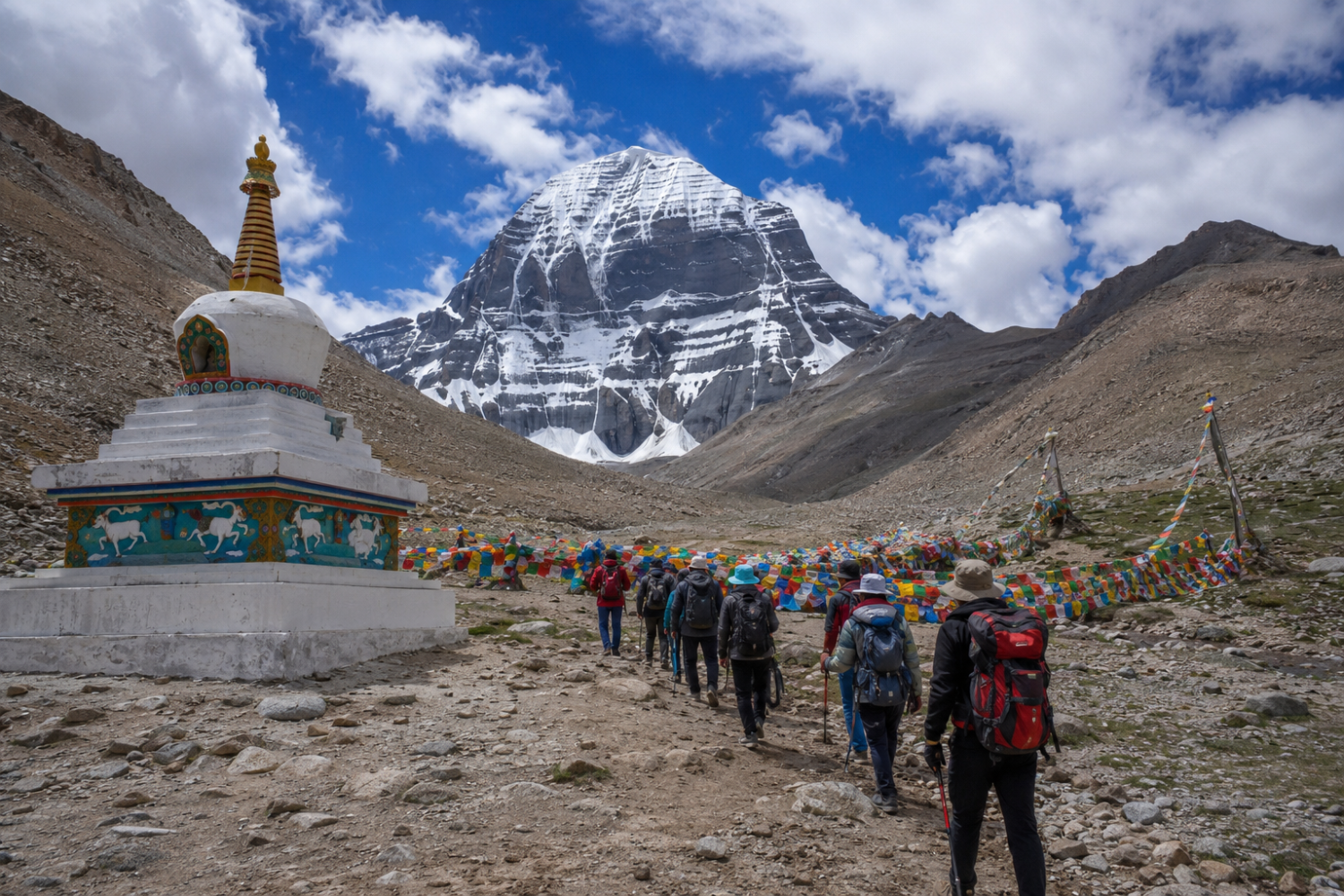
The highlight of this pilgrimage is the three-day Kailash Parikrama (Kora), a sacred trek around the holy Mount Kailash, one of the most respected pilgrimage sites for Hindus, Buddhists, Jains, and followers of the Bon religion. The trek takes you through the peaceful Valley of the Gods, reaches Derapuk Monastery, and crosses the challenging Dolma La Pass at 5,613 meters before descending to Juthulpuk. Completing this parikrama is considered a once-in-a-lifetime spiritual achievement for many devotees. After finishing the circuit, the journey retraces the scenic Tibetan route back through Saga and Shigatse to Lhasa before flying to Kathmandu. This carefully planned itinerary offers the perfect balance of spiritual experiences, cultural exploration, gradual altitude acclimatization, and unforgettable Himalayan landscapes, making it one of the most rewarding pilgrimage journeys in the world.

Kailash Mansarovar Yatra via Lhasa

Trekking & Hiking Adventure

Duration 15 Days
Grade Moderate
Meal Breakfast/Dinner
Group Size 02-10 People per group
Accomodation Hotel
Best Season All Seasons
Start/End Kathmandu
Activity Tour
Day 1 — Arrive in Kathmandu (1300 m). Overnight at Hotel

Welcome at the Tribhuvan International Airport Kathmandu. Our representative will greet you and escort you to the hotel for check-in and stay overnight. 

Day 2 — Kathmandu valley sightseeing and trip preparation. Overnight at Hotel

After breakfast, we start by sightseeing of major heritage sites of Kathmandu valley including Pashupatinath, Swoyambhunath Stupa and Jal Narayan. Back to the hotel and stay at the trip briefing. You will get some free time for shopping and packing for your trip. Stay overnight at a Hotel. 

Day 3 — Fly from Kathmandu to Lhasa (3,650 m)

Today begins one of the most exciting parts of your journey. After breakfast, transfer to Kathmandu Airport for your spectacular Himalayan flight to Lhasa, the capital of Tibet. Weather permitting, enjoy unforgettable aerial views of some of the world's highest peaks, including Mount Everest.

Upon arrival at Gonggar Airport, our Tibetan guide will welcome you and escort you to your hotel in Lhasa. The drive to the city itself offers beautiful views of the Tibetan Plateau, rivers, and mountain landscapes.

Because Lhasa sits at an elevation of approximately 3,650 meters, today is reserved mainly for rest and acclimatization. Drink plenty of water, avoid strenuous activities, and take short walks around the hotel if you feel comfortable. Proper acclimatization today plays an important role in ensuring a safe and enjoyable journey toward Mount Kailash.

Overnight: Hotel in Lhasa

Day 4 — Full-Day Sightseeing Tour of Lhasa

After breakfast, spend the day discovering the spiritual and historical heart of Tibet. Your first stop is the magnificent Potala Palace, the former winter residence of the Dalai Lama and one of Tibet's most recognizable landmarks. Explore its impressive chapels, ancient murals, meditation halls, and royal chambers while learning about Tibetan Buddhism and its fascinating history.

Later, visit Jokhang Temple, considered the holiest temple in Tibet. Pilgrims from every corner of Tibet come here to pray, making it one of the most vibrant religious sites in the region. Walk through the bustling Barkhor Market, where locals sell prayer wheels, handmade crafts, Tibetan jewelry, and traditional clothing.

Continue to Drepung Monastery, once the largest monastery in the world, before visiting the beautiful Norbulingka Palace, the Dalai Lama's former summer residence. Throughout the day, you'll gain valuable insight into Tibetan culture, architecture, and Buddhist traditions.

Overnight: Hotel in Lhasa

Day 5 — Drive from Lhasa to Shigatse (3,900 m)

Following breakfast, begin your scenic drive toward Shigatse, Tibet's second-largest city. The journey passes through spectacular mountain landscapes, high-altitude lakes, and traditional Tibetan villages. Along the way, cross several high mountain passes that provide breathtaking panoramic views of the surrounding Himalayan ranges.

Upon reaching Shigatse, visit the famous Tashilhunpo Monastery, founded in 1447 and home to the Panchen Lama. Explore the monastery's impressive assembly halls, ancient chapels, colorful murals, and the enormous statue of Maitreya Buddha. The peaceful atmosphere offers another meaningful spiritual experience before continuing deeper into western Tibet.

Spend the evening relaxing and preparing for higher elevations in the coming days.

Overnight: Hotel in Shigatse

Day 6 — Drive from Shigatse to Saga (4,450 m)

Today's journey takes you deeper into the remote Tibetan Plateau. The road crosses several mountain passes above 5,000 meters, offering spectacular views of snow-covered peaks, wide valleys, turquoise lakes, and endless grasslands.

As you travel west, you'll encounter traditional Tibetan nomads tending large herds of yaks and sheep across the open plains. The route also follows sections of the mighty Brahmaputra River before arriving in the small town of Saga.

Saga serves as one of the major stopping points for pilgrims heading toward Mount Kailash. Spend the evening resting and continuing your gradual acclimatization.

Overnight: Hotel in Saga

Day 7 — Drive to Lake Mansarovar via Paryang (4,558 m)

Today is one of the most anticipated days of the pilgrimage. After breakfast, continue driving across the dramatic Tibetan Plateau through the village of Paryang. As the journey progresses, the excitement builds with every kilometer.

By afternoon, if weather conditions are favorable, you'll catch your first unforgettable glimpse of the sacred Mount Kailash rising majestically above the surrounding landscape. Soon afterward, arrive at the holy Lake Mansarovar, one of the world's highest freshwater lakes and among the most sacred pilgrimage destinations for Hindus, Buddhists, Jains, and Bon followers.

Spend time admiring the crystal-clear waters and peaceful surroundings before checking into your guesthouse.

Overnight: Guesthouse near Lake Mansarovar

Day 8 — Explore Lake Mansarovar and Drive to Darchen (4,575 m)

Wake up early to witness the magical sunrise over Lake Mansarovar. Pilgrims often perform holy bathing rituals, meditation, prayers, or puja along the lakeshore. According to Hindu belief, bathing in these sacred waters cleanses sins and brings spiritual purification.

After enjoying this peaceful spiritual experience, drive approximately 40 kilometers to Darchen, the traditional starting point of the Mount Kailash Parikrama. Spend the remainder of the day organizing your trekking equipment, meeting porters or yak handlers if required, and making final preparations for the sacred circuit around Mount Kailash.

Overnight: Guesthouse in Darchen

Day 9 — Begin Kailash Parikrama – Trek to Derapuk (4,909 m)

Today marks the beginning of the sacred Kailash Parikrama, one of the world's most revered pilgrimages. After a short drive to Yam Dwar, begin trekking through the beautiful Valley of the Gods.

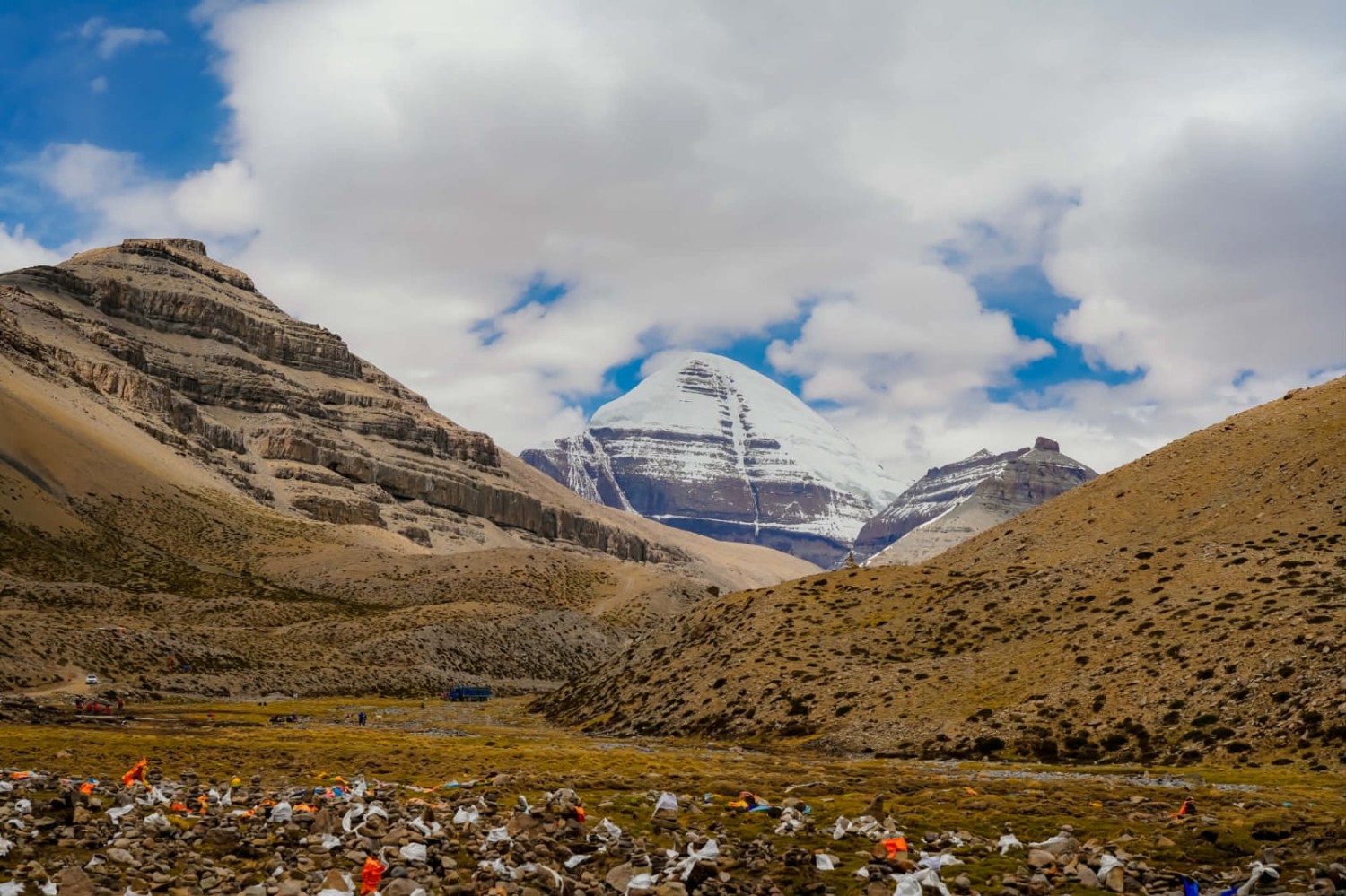
The trail follows a gentle river valley surrounded by towering cliffs and spectacular mountain scenery. As you continue walking, the magnificent northern face of Mount Kailash gradually comes into view, offering incredible opportunities for photography, meditation, and spiritual reflection.

Covering approximately 15 kilometers, today's trek usually takes around six to seven hours at a comfortable pace.

Overnight: Guesthouse at Derapuk

Day 10 — Trek from Derapuk to Juthulpuk via Dolma La Pass (5,613 m)

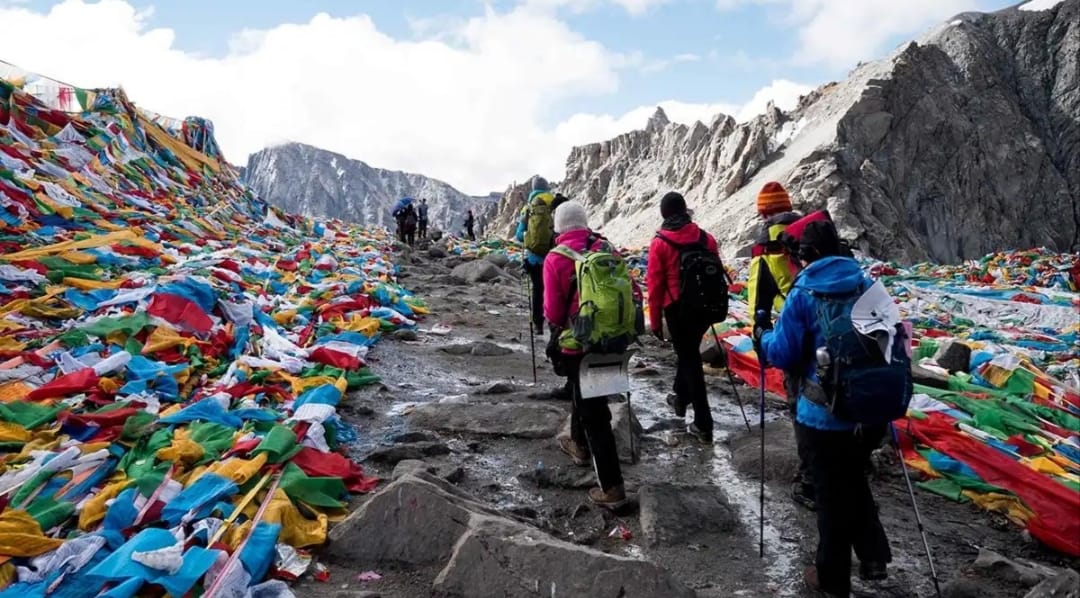
Today is both the most physically demanding and spiritually significant day of the entire pilgrimage. Begin your trek before sunrise as you gradually climb toward the highest point of the journey—Dolma La Pass (5,613 meters).

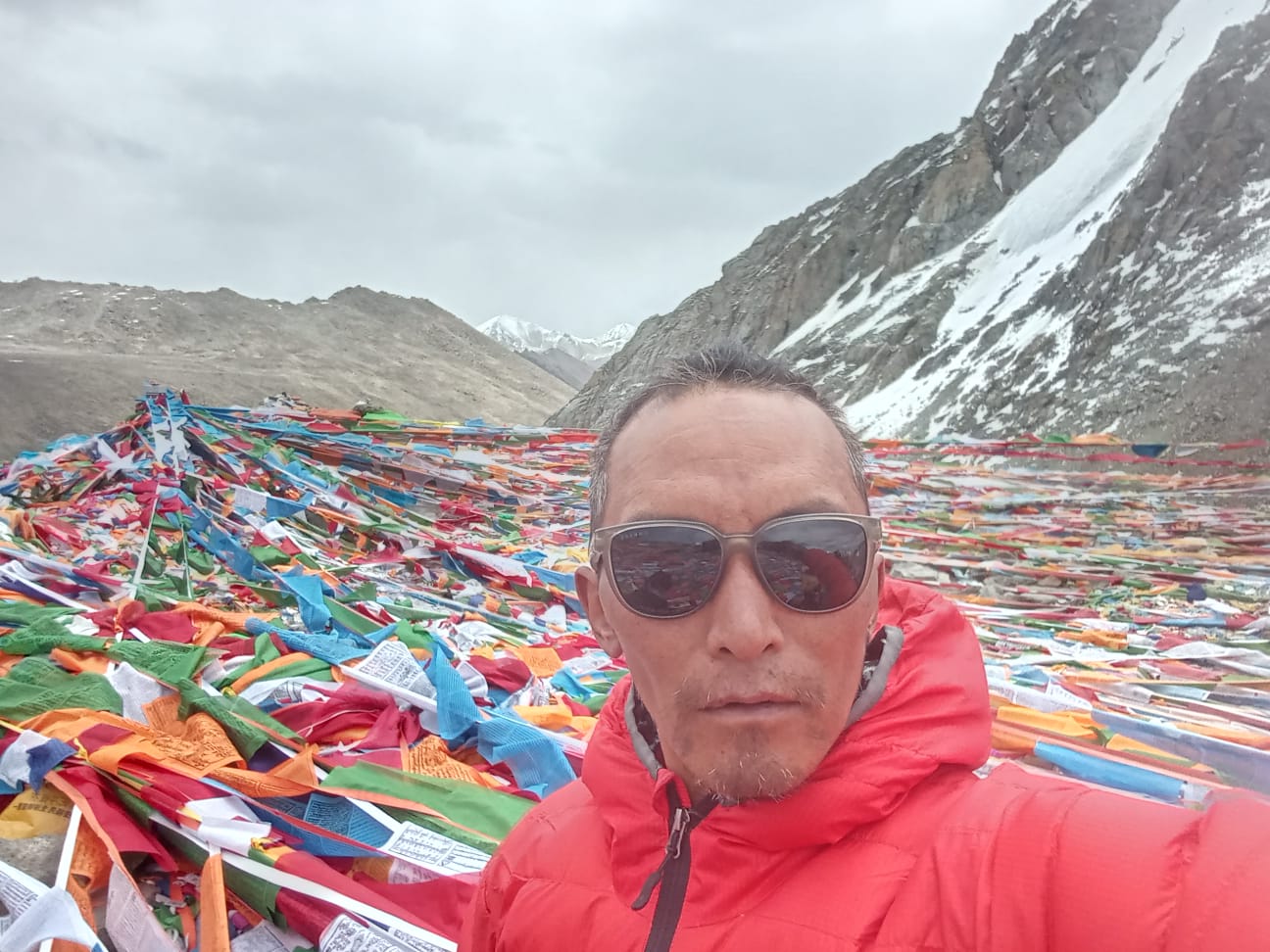
Along the ascent, pass sacred sites such as Shiva Sthal, where pilgrims leave symbolic offerings representing the release of negative karma. Upon reaching Dolma La Pass, colorful prayer flags flutter in the mountain winds while pilgrims offer prayers and meditation.

The descent leads past the sacred Gauri Kund, believed to hold great religious importance, before continuing toward Juthulpuk Monastery, famous for its association with the great Tibetan saint Milarepa.

Although challenging, today's journey is widely considered the spiritual highlight of the Kailash Mansarovar Yatra.

Overnight: Guesthouse in Juthulpuk

Day 11 — Complete Kailash Parikrama and Drive to Saga

After breakfast, enjoy the final section of the Kailash Parikrama. The trail gradually descends through peaceful valleys before reaching the point where your vehicle awaits.

Congratulations—you have successfully completed the sacred circuit around Mount Kailash, an achievement that many devotees consider the fulfillment of a lifelong spiritual dream.

After lunch, begin the drive back to Saga while reflecting on the unforgettable experiences of the past few days.

Overnight: Hotel/Guesthouse in Saga

Day 12 — Drive from Saga to Shigatse

Following breakfast, retrace your route across the vast Tibetan Plateau toward Shigatse. Although it is a long driving day, the changing landscapes provide another opportunity to admire Tibet's unique beauty.

Upon arrival, enjoy some free time to walk around the local market, interact with local residents, or simply relax at your hotel after several days in remote mountain regions.

Overnight: Hotel in Shigatse

Day 13 — Drive from Shigatse to Lhasa

Today you return to Lhasa along the scenic Friendship Highway. The drive passes rivers, mountain passes, and traditional Tibetan villages before arriving back in the capital city.

After checking into your hotel, spend the remainder of the day at leisure. You may visit local cafés, purchase souvenirs, or simply relax before tomorrow's return flight to Nepal.

Overnight: Hotel in Lhasa

Day 14 — Fly from Lhasa to Kathmandu

Early in the morning, drive to Gonggar Airport for your return flight to Kathmandu. During the flight, enjoy one last opportunity to admire the spectacular Himalayan range from above.

Upon arrival in Kathmandu, a representative from Nepal Voyage Treks will transfer you to your hotel. Spend the remainder of the day relaxing, shopping for souvenirs, or celebrating the successful completion of your unforgettable pilgrimage.

Overnight: Hotel in Kathmandu

Day 15 — Final Departure

After breakfast, depending on your international flight schedule, our representative will transfer you to Tribhuvan International Airport for your onward journey home.

If you wish to continue exploring Nepal, Nepal Voyage Treks will be happy to arrange additional tours, jungle safaris, cultural experiences, or trekking adventures according to your interests.

Your sacred Kailash Mansarovar Yatra via Lhasa comes to an end with unforgettable memories, lifelong spiritual experiences, and a deep connection to one of the world's holiest destinations.

Cost Includes
  • Airport pick-up and drop-off in Kathmandu.
  • 3-star hotel accommodation in Kathmandu with breakfast.
  • Hotel accommodation in Lhasa, Shigatse, and other cities as per the itinerary.
  • Guesthouse accommodation at Mansarovar, Darchen, Derapuk, and Juthulpuk during the pilgrimage.
  • Kathmandu to Lhasa one-way flight with airport taxes (if included in your package).
  • Lhasa to Kathmandu return flight (if included in the package).
  • Private transportation throughout Tibet by comfortable tourist vehicle.
  • All necessary Tibet Travel Permit, Alien Travel Permit, and Kailash entry permits.
  • Chinese Group Visa processing fee.
  • English-speaking Tibetan guide throughout the Tibet journey.
  • Supporting Nepali tour leader (for group departures).
  • Yak or porter service for carrying essential luggage during the Kailash Parikrama (as specified in the package).
  • Oxygen cylinders for emergency use during the trip.
  • Daily vegetarian meals in Tibet (depending on package plan).
  • Sightseeing and monastery entrance fees mentioned in the itinerary.
  • Government taxes and service charges.
  • First aid kit and basic medical support.
  • Completion certificate for Kailash Parikrama (where applicable).
Cost Excludes
  • International airfare to and from Kathmandu.
  • Nepal entry visa fee.
  • Travel insurance, including emergency evacuation and helicopter rescue.
  • Personal expenses such as laundry, beverages, snacks, internet, and telephone calls.
  • Lunch and dinner in Kathmandu.
  • Additional hotel nights due to flight delays or personal reasons.
  • Horse and personal porter hire during Kailash Parikrama (unless specifically included).
  • Tips for guides, drivers, porters, and hotel staff.
  • Extra oxygen bottles beyond emergency supply.
  • Personal trekking equipment and clothing.
  • Expenses caused by weather delays, political situations, road blockages, natural disasters, or other unforeseen circumstances.
  • Any services not specifically mentioned under "Cost Includes."
All Information
Equipment Checklist During the Kailash Mansarovar Yatra via Lhasa

Trekking Equipment Checklist

Trekking in Nepal demands preparation for diverse terrains and unpredictable weather. From warm sunny days to freezing nights, you'll experience it all. Here's a category-wise breakdown of everything a trekker should bring:

1. Clothing and Layering System

Layering is key for staying warm, dry, and comfortable. The classic system includes base layers, mid-layers, and outer layers.

Base Layers (Inner Layers)

  • Moisture-wicking T-shirts (2–3 pairs, synthetic or merino wool)
  • Thermal tops and bottoms (1–2 sets, light or midweight)
  • Sports bras (for female trekkers)
  • Quick-dry trekking underwear (3–5 pairs)

Mid Layers (Insulating)

  • Fleece jacket or pullover (1–2)
  • Lightweight down or synthetic insulated jacket
  • Softshell jacket (optional)

Outer Layers (Protection)

  • Waterproof and windproof shell jacket (Gore-Tex or similar)
  • Waterproof trekking pants
  • Light windbreaker (optional)

Trekking Pants and Shorts

  • Convertible trekking pants (2 pairs)
  • Lightweight hiking shorts (1 pair)
  • Thermal trekking tights

Headwear and Handwear

  • Sun hat or cap
  • Beanie or wool hat
  • Neck gaiter or buff
  • Lightweight gloves
  • Insulated waterproof gloves

2. Footwear

Your feet are your best friends in the Himalayas. Good-quality shoes can make or break your trek.

Trekking Footwear

  • High-ankle waterproof trekking boots (well broken-in)
  • Camp shoes or sandals
  • Warm socks (2 pairs wool/synthetic)
  • Liner socks (2 pairs)
  • Gaiters (optional)

3. Backpacks and Bags

Main Backpack

  • 50–70L backpack with rain cover
  • Padded hip belt and adjustable straps

Daypack

  • 25–35L daypack
  • Rain cover

Duffel Bag (Optional)

  • 70–90L duffel bag (commonly provided by trekking agencies)

Dry Bags & Organizers

  • Waterproof dry bags
  • Packing cubes

4. Sleeping Gear

Tea houses provide basic bedding, but extra insulation ensures better sleep.

  • 4-season sleeping bag (-10°C to -20°C)
  • Sleeping bag liner
  • Inflatable pillow
  • Sleeping mat (for camping treks)

5. Eating and Drinking Essentials

  • Reusable water bottles (2 × 1L)
  • Hydration bladder (optional)
  • Water purification tablets or filter
  • Mug or cup
  • Spoon or spork
  • Trail snacks (energy bars, dry fruits)

6. Personal Hygiene and Toiletries

  • Biodegradable soap
  • Toothbrush and toothpaste
  • Quick-dry towel
  • Wet wipes
  • Hand sanitizer
  • Toilet paper
  • Lip balm with SPF
  • Sunscreen (SPF 50+)
  • Moisturizer
  • Deodorant
  • Razor and mirror
  • Feminine hygiene products
  • Nail cutter and comb

7. Health and First Aid Kit

Essential Medicines

  • Diamox
  • Paracetamol / Ibuprofen
  • Anti-diarrheal tablets
  • ORS sachets
  • Antiseptic cream
  • Band-aids, moleskin, blister plasters
  • Gauze and medical tape
  • Water purification tablets
  • Cough drops
  • Prescription medicines
  • Mosquito repellent

8. Trekking Equipment & Accessories

  • Trekking poles
  • Headlamp with extra batteries
  • Sunglasses (UV-protected)
  • Power bank (10,000 mAh+)
  • Camera or GoPro
  • Extra memory cards
  • Binoculars (optional)
  • Multi-tool or small knife
  • Duct tape
  • Lighter or matches
  • Notebook and pen
  • Small padlock
  • Travel adapter (Type C/D)
  • Portable charger/solar panel

9. Camping Gear (Optional)

  • Tent (4-season or 3-season)
  • Sleeping mat or foam pad
  • Camping stove and fuel
  • Lightweight cooking pot
  • Fire starter or lighter
  • Reusable utensils

10. Important Documents and Money

  • Valid passport with visa
  • Passport-size photos
  • Trekking permits (TIMS, ACAP, etc.)
  • Travel insurance
  • Copies of passport and insurance
  • Cash (Nepali rupees)
  • Credit/debit cards
  • Emergency contacts
  • Flight tickets and itinerary

11. Optional Comfort Items

  • Book or Kindle
  • Playing cards
  • Lightweight scarf
  • Small Bluetooth speaker
  • Snacks from home
  • Massage ball

12. Packing Tips for Nepal Trekking

  • Pack light but smart – Porters carry 15–20 kg only.
  • Use waterproof bags to protect valuables.
  • Label your items for porter organization.
  • Avoid cotton – choose wool or synthetics.
  • Test your gear before your trip.
Spiritual Importance of Mount Kailash

Mount Kailash is one of the holiest mountains on Earth and holds deep religious significance for millions of people. Hindus believe it is the divine home of Lord Shiva and Goddess Parvati, where Lord Shiva remains in eternal meditation. Buddhists consider it the sacred mountain associated with Demchok (Chakrasamvara), symbolizing supreme enlightenment. Followers of Jainism believe it is where the first Tirthankara, Rishabhadeva, attained liberation, while practitioners of the Bon religion regard it as the spiritual center of their ancient faith.

Unlike many Himalayan peaks, Mount Kailash has never been climbed. Due to its immense religious importance, climbing the mountain is prohibited. Instead, pilgrims perform the sacred Kailash Parikrama (Kora) by walking around the mountain, believing that completing one circuit cleanses sins accumulated during a lifetime, while multiple circuits are believed to bring even greater spiritual blessings.

The Sacred Significance of Lake Mansarovar

Located at an elevation of approximately 4,590 meters, Lake Mansarovar is one of the world's highest freshwater lakes and one of the holiest pilgrimage sites in Asia. According to Hindu mythology, Lord Brahma created the lake through the power of his mind, giving it the name "Manas," meaning mind or consciousness.

Pilgrims from around the world visit the lake to perform holy bathing rituals, meditation, prayers, and religious ceremonies. Many believe that bathing in the lake purifies the soul, removes negative karma, and brings peace, prosperity, and spiritual fulfillment. Even those who choose not to enter the cold water often spend time meditating along its peaceful shores while admiring the reflection of Mount Kailash on the crystal-clear lake.

Difficulty Level

The Kailash Mansarovar Yatra via Lhasa is considered a moderately challenging to challenging pilgrimage. Although the trekking distance itself is not extremely long, the high altitude makes the journey physically demanding. Travelers spend several days above 4,000 meters, while the highest point of the trek reaches Dolma La Pass (5,613 meters).

The Kailash Parikrama covers approximately 52 kilometers over three days. The second day, when crossing Dolma La Pass, is the most demanding section because of the steep climb and thinner air. No technical climbing skills are required, but participants should be physically fit and mentally prepared for walking several hours each day at high elevations.

Altitude and Acclimatization

One of the greatest challenges during the Kailash Mansarovar Yatra is the high altitude. Nepal Voyage Treks carefully designs the itinerary to include gradual altitude gain, especially by spending time in Lhasa before heading toward Mount Kailash.

Some travelers may experience mild symptoms of Acute Mountain Sickness (AMS), including:

  • Mild headache
  • Dizziness
  • Loss of appetite
  • Fatigue
  • Difficulty sleeping
  • Shortness of breath during walking

To reduce these risks, travelers are encouraged to:

  • Drink at least 3–4 liters of water daily.
  • Walk slowly and maintain a comfortable pace.
  • Avoid alcohol and smoking.
  • Eat light but nutritious meals.
  • Inform your guide immediately if symptoms become severe.
  • Follow your guide's instructions throughout the journey.

Our guides carry emergency oxygen and first-aid supplies to assist travelers whenever necessary.

Accommodation During the Journey

Accommodation throughout the pilgrimage varies depending on the location.

In Kathmandu, Lhasa, Shigatse, and Saga, guests stay in comfortable tourist-standard hotels with attached bathrooms, hot showers (where available), Wi-Fi in many locations, and comfortable beds.

During the Kailash Parikrama and near Lake Mansarovar, accommodation is much simpler. Remote guesthouses provide basic rooms, shared bathrooms, and limited facilities due to the isolated nature of western Tibet. Electricity may occasionally be limited, and hot water may not always be available. Although basic, these guesthouses offer a warm place to rest during the pilgrimage.

Meals During the Tour

Meals during the journey combine Tibetan, Chinese, Nepali, and Indian cuisine. Vegetarian food is widely available throughout the pilgrimage and is commonly preferred by many pilgrims.

Typical meals include:

  • Rice
  • Noodles
  • Vegetable curry
  • Dal (lentil soup)
  • Chapati
  • Fried rice
  • Soups
  • Seasonal vegetables
  • Potatoes
  • Tea and coffee

Fresh fruits become less available in remote regions, so carrying energy bars, dry fruits, nuts, and snacks from Kathmandu is highly recommended.

Transportation

Transportation throughout Tibet is provided using comfortable tourist vehicles driven by experienced local drivers who are familiar with the mountain roads and changing weather conditions.

Depending on the group size, transportation may include:

  • Comfortable tourist van
  • Toyota Land Cruiser
  • Minibus
  • Tourist coach

Road conditions continue to improve every year, but certain sections remain rough due to the remote Himalayan terrain.

Permits and Visa Requirements

Traveling to Tibet requires several official permits that cannot be obtained independently by foreign travelers.

Nepal Voyage Treks arranges all required documents, including:

  • Chinese Group Visa
  • Tibet Travel Permit
  • Alien Travel Permit
  • Military Permit (if required)
  • Mount Kailash Entry Permit

Travelers simply need to provide their valid passport and required documents before departure according to the instructions provided by our office.

Best Time for Kailash Mansarovar Yatra via Lhasa

The best months for this pilgrimage are May through September.

Spring (May–June)

Spring offers pleasant temperatures, blooming landscapes, and generally clear mountain views. These months are among the most popular for pilgrims.

Summer (July–August)

Summer is warmer but may bring occasional rainfall in Nepal. Tibet itself remains relatively dry, and roads are usually accessible throughout the pilgrimage season.

Early Autumn (September)

September offers stable weather, crisp mountain views, comfortable temperatures, and fewer crowds compared to peak summer.

Physical Preparation

Preparing your body before the pilgrimage greatly improves your overall experience.

At least one to two months before departure, consider:

  • Walking 5–10 kilometers several times each week.
  • Climbing stairs regularly.
  • Light jogging or cycling.
  • Cardio exercises.
  • Hiking with a light backpack.
  • Stretching exercises to improve flexibility.

The better your physical fitness, the more enjoyable your Kailash Parikrama will be.

Communication and Internet

Mobile network coverage is available in major towns such as Lhasa, Shigatse, and Saga but becomes very limited or unavailable around Mount Kailash.

Wi-Fi is available in many hotels but may be slow. During the Parikrama, internet access is extremely limited or unavailable. Inform your family beforehand that communication may be interrupted for several days.

Electricity and Charging

Most hotels provide electricity for charging electronic devices. Guesthouses around Mount Kailash also offer charging facilities, although they may require a small additional fee.

It is highly recommended to carry:

  • Power bank
  • Universal travel adapter
  • Extra camera batteries

Cold temperatures drain batteries much faster than usual.

Travel Insurance

Comprehensive travel insurance is strongly recommended for every traveler. Your policy should include:

  • High-altitude trekking coverage (above 5,600 meters)
  • Medical treatment
  • Emergency evacuation
  • Trip cancellation
  • Flight delays
  • Personal belongings

Travel insurance provides peace of mind throughout the journey.

Packing List

Essential items include:

  • Down jacket
  • Waterproof jacket and pants
  • Thermal base layers
  • Warm fleece
  • Comfortable trekking pants
  • Trekking boots
  • Camp shoes
  • Wool socks
  • Warm gloves
  • Wool hat
  • Sun hat
  • UV-protection sunglasses
  • Sunscreen (SPF 50+)
  • Lip balm
  • Trekking poles
  • Water bottles
  • Headlamp
  • Personal medications
  • First-aid kit
  • Passport and permits
  • Toiletries
  • Camera
  • Power bank
  • Dry snacks

Packing light but smart helps make the journey more comfortable.

Responsible Travel

Nepal Voyage Treks believes in protecting the fragile Himalayan environment and respecting local traditions.

We encourage every traveler to:

  • Respect local customs and religious sites.
  • Dress modestly while visiting monasteries and temples.
  • Carry reusable water bottles whenever possible.
  • Avoid leaving plastic waste along the trail.
  • Follow the guidance of local guides.
  • Ask permission before photographing monks or local residents.
  • Support local communities by purchasing locally made handicrafts and products.

By traveling responsibly, you help preserve the sacred landscapes and unique cultural heritage of Tibet for future generations.

FAQs

The Kailash Mansarovar Yatra via Lhasa is considered a moderately difficult to challenging pilgrimage because it involves traveling at elevations above 4,500 meters and completing the 52 km Kailash Parikrama. The most demanding section is crossing Dolma La Pass (5,613 m), where the air contains significantly less oxygen. Although no technical climbing skills are required, participants should have good physical fitness, regular walking experience, and the ability to hike for several hours each day. Walking, light cardio exercises, and endurance training before the trip are highly recommended.

Traveling through Lhasa allows pilgrims to acclimatize gradually before reaching higher elevations. You spend time exploring Tibet's cultural and religious landmarks while your body adjusts to the altitude. This gradual ascent reduces the risk of altitude sickness compared to faster routes. It also gives travelers the opportunity to experience famous Tibetan monasteries, local culture, and breathtaking Himalayan landscapes before reaching Mount Kailash and Lake Mansarovar.

Yes. Foreign travelers require a Chinese Group Visa, Tibet Travel Permit, Alien Travel Permit, and additional permits for the Mount Kailash region. These documents are arranged by the tour operator before your departure. Individual travelers cannot independently obtain the Tibet Travel Permit for this journey, making it essential to join an organized tour.

Yes. Since much of the journey takes place above 4,000 meters, altitude sickness is one of the main concerns. Common symptoms include headaches, dizziness, nausea, fatigue, and shortness of breath. The itinerary includes several acclimatization days, especially in Lhasa, to help reduce these risks. Staying hydrated, avoiding alcohol, eating light meals, walking at a steady pace, and informing your guide immediately if symptoms worsen are essential for a safe journey.

Yes, many first-time trekkers successfully complete the Kailash Parikrama every year. However, beginners should prepare several weeks in advance by practicing regular walking, hiking, stair climbing, and cardiovascular exercise. The trek is physically demanding because of the high altitude rather than technical difficulty. Those who are unable to walk the full route may hire horses for portions of the parikrama, subject to local availability.

The best time is from May to September, when weather conditions are relatively stable, mountain passes remain open, and temperatures are more comfortable for trekking. During these months, pilgrims enjoy clearer mountain views, easier road access, and favorable conditions for completing the Kailash Parikrama. May, June, and September are especially popular due to pleasant temperatures and comparatively lower chances of heavy rainfall.

Accommodation includes comfortable 3-star hotels in Kathmandu, Lhasa, and major Tibetan cities. During the pilgrimage around Mount Kailash and Lake Mansarovar, accommodation is generally in simple guesthouses with basic facilities. Travelers should expect shared bathrooms and limited amenities in remote areas, but these accommodations are suitable for the challenging Himalayan environment.

Essential items include warm layered clothing, a waterproof jacket, trekking boots, thermal wear, gloves, woolen hat, sunglasses, sunscreen, lip balm, water bottles, personal medications, toiletries, trekking poles, power bank, flashlight, and a small daypack. Since temperatures can change quickly at high altitude, packing proper cold-weather clothing is extremely important for comfort and safety.

Yes. Lake Mansarovar is one of the holiest lakes in the world. It is revered by Hindus, Buddhists, Jains, and followers of the Bon religion. Many pilgrims believe that bathing in the lake or performing prayers along its shores cleanses past sins and brings spiritual blessings. The peaceful atmosphere and beautiful surroundings make it one of the most meaningful highlights of the pilgrimage.

The Kailash Mansarovar Yatra via Lhasa offers a perfect combination of spirituality, culture, and gradual acclimatization. Unlike shorter routes, this itinerary allows travelers to explore Tibet's ancient monasteries, experience local traditions, and adjust comfortably to the increasing altitude before reaching Mount Kailash. With organized permits, experienced guides, comfortable transportation, and a carefully planned schedule, it provides one of the safest and most rewarding ways to complete this once-in-a-lifetime pilgrimage.

ASSOCIATED WITH

Tourism Board
Nepal Government
Keep
NMA Nepal
TAAN

WE ACCEPT