Your Journey, Our Expertise...
Menu

Kathmandu Pokhara Lumbini Chitwan Tour

10 Days • Easy • Best season: Autumn/Spring
Kathmandu Pokhara Lumbini Chitwan Tour

Overview

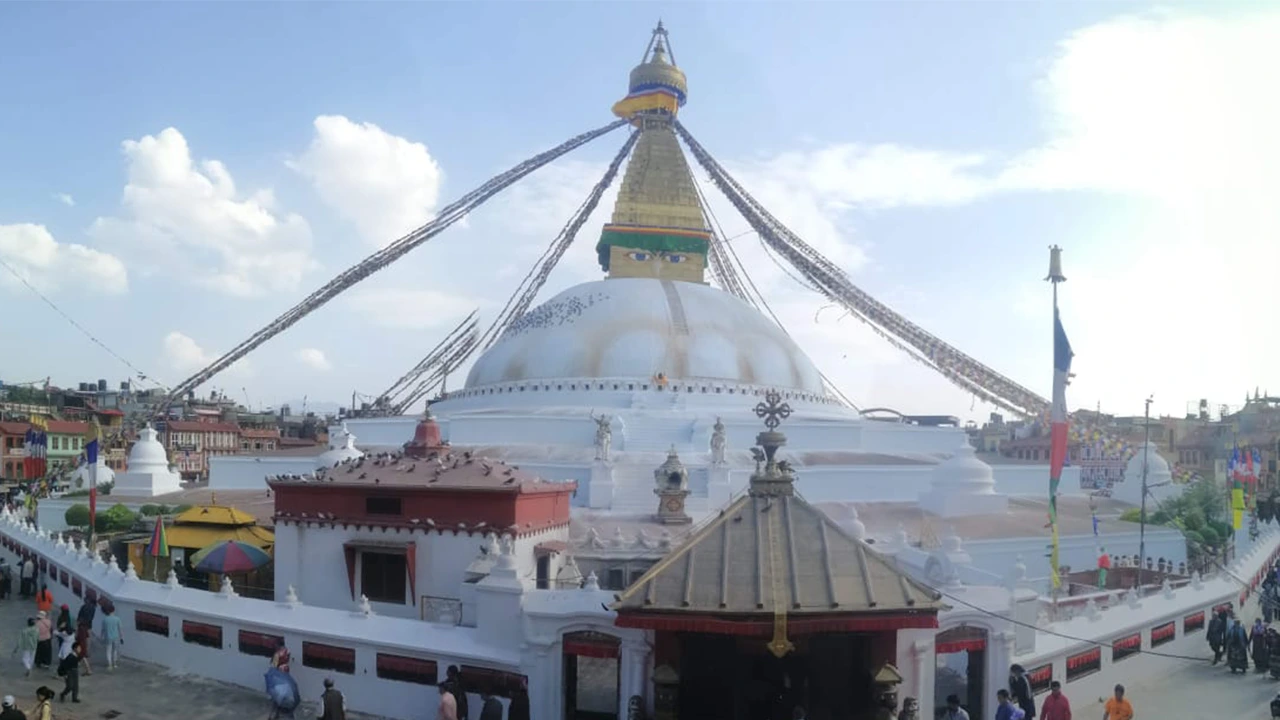
Discover the essence of Nepal on this 10-day tour, combining cultural exploration, wildlife adventures, and serene Himalayan landscapes. Starting in Kathmandu, you will immerse yourself in the valley’s rich heritage, visiting iconic UNESCO World Heritage Sites such as Swayambhunath (Monkey Temple), Kathmandu Durbar Square, Boudhanath Stupa, and Pashupatinath Temple. These landmarks offer a captivating glimpse into Nepalese traditions, vibrant rituals, and centuries-old architecture.

From Kathmandu, the journey continues to Pokhara, Nepal’s picturesque lake city. Experience the early morning sunrise at Sarangkot, revealing panoramic views of the Annapurna, Dhaulagiri, and Machhapuchhre (Fishtail) peaks. Explore the city’s highlights, including Phewa Lake, Davis Falls, Gupteshwor Cave, the World Peace Pagoda, and the International Mountain Museum, blending natural beauty with cultural insight.

Next, head to Chitwan National Park, Nepal’s premier wildlife destination. Engage in exciting jungle safaris, including elephant rides, jeep excursions, canoeing on the Rapti River, and guided jungle walks to spot one-horned rhinoceros, deer, and various bird species. The tour also offers a cultural experience in a Tharu Village, where you can witness traditional dance performances and learn about local customs.

Your adventure then leads to Lumbini, the sacred birthplace of Lord Buddha. Explore the Maya Devi Temple, Sacred Garden, Lumbini Museum, and international monasteries, each showcasing unique Buddhist architecture and traditions. This spiritual journey provides insight into global Buddhist heritage while offering a tranquil atmosphere in Nepal’s southern plains.

Finally, return to Kathmandu, reflecting on a journey filled with Nepalese culture, wildlife encounters, scenic landscapes, and spiritual exploration. With comfortable 4-star accommodations, private transportation, and knowledgeable local guides, this tour ensures a seamless experience for travelers seeking both adventure and cultural immersion.

Experience the perfect balance of city sightseeing, nature, and spiritual heritage on the Kathmandu Chitwan Lumbini Pokhara Tour – 10 Days, leaving you with unforgettable memories of Nepal.

Tour Highlights

  • Explore Kathmandu Valley’s UNESCO World Heritage Sites: Swayambhunath, Kathmandu Durbar Square, Boudhanath Stupa, Pashupatinath Temple
  • Witness sunrise at Sarangkot, Pokhara with views of Annapurna, Dhaulagiri, and Machhapuchhre (Fishtail)
  • Enjoy Phewa Lake boat ride and visit World Peace Pagoda in Pokhara
  • Experience wildlife safari in Chitwan National Park: one-horned rhinoceros, elephants, and birdwatching
  • Discover Tharu Village culture and traditional dance performances
  • Visit Lumbini, the birthplace of Lord Buddha, including Maya Devi Temple and international monasteries
  • Comfortable 4-star accommodations and private transportation throughout

Kathmandu Pokhara Lumbini Chitwan Tour

Trekking & Hiking Adventure

Duration 10Days
Grade Easy
Meal B/L/D
Group Size 1-30
Accomodation Hotel/Lodge
Best Season Autumn/Spring
Start/End Kathmandu
Max Altitude 1600m
Activity Tour
Day 1 — Arrival in Kathmandu
Elevation 1400 m

If the skies are clear during your flight into Kathmandu, you will be greeted by your first glimpse of the Himalayas, including Mount Everest and several other 8,000m peaks. Tribhuvan International Airport is unique as it lies right in the middle of the valley, surrounded by lush hills and a vibrant cityscape with no tall buildings. After completing immigration formalities, our friendly representative will welcome you with a warm smile and assist you with your luggage. A private vehicle will transfer you comfortably to your 4-star hotel, where you can rest and refresh.


In the evening, we will hold a short briefing session to discuss the details of your upcoming adventure and answer any questions. If time allows, you may explore the lively streets of Thamel, known for its colorful shops, handicrafts, and international restaurants. Dinner can be enjoyed at a traditional Nepalese restaurant, giving you your first taste of the rich flavors of the Himalayas. Stay hydrated after your flight and get a good night’s rest to recover from jetlag.

(Start: 1,400m / 4,593ft → End: 1,400m / 4,593ft | Max: 1,400m / 4,593ft | Duration: – hrs | ↑0m / ↓0m)

Accomodation: Hotel
Meals: Lunch, Dinner
Day 2 — Full-Day Kathmandu Sightseeing
Ups ↑ 150 m
Down ↓ 150 m
Elevation 1400 m

After a hearty breakfast at your hotel, you will begin a guided cultural tour of Kathmandu Valley’s UNESCO World Heritage Sites. Your morning starts with a visit to Swayambhunath Stupa (Monkey Temple), perched on a hilltop with sweeping views of the valley. The fluttering prayer flags, golden spire, and playful monkeys create a spiritual yet lively atmosphere. Next, you’ll explore Kathmandu Durbar Square, once the royal palace complex of the Malla kings, filled with pagoda-style temples and intricately carved wooden structures reflecting Newari artistry.


In the afternoon, you will visit Boudhanath Stupa, one of the world’s largest Buddhist monuments, where Tibetan monks chant prayers as incense fills the air. Later, explore the sacred Pashupatinath Temple on the banks of the Bagmati River, where Hindu rituals and cremation ceremonies unfold, offering deep insight into Nepal’s spiritual traditions. Optional sites such as Bhaktapur Durbar Square, Patan Durbar Square, or Changu Narayan Temple can also be included depending on your pace and interest.


Lunch will be arranged at a restaurant of your choice during the sightseeing. Return to your 4-star hotel in the evening for rest. Wear comfortable walking shoes, carry water, and prepare for a day filled with culture and history.

(Start: 1,400m / 4,593ft → End: 1,400m / 4,593ft | Max: 1,400m / 4,593ft | Duration: 6–7 hrs | ↑150m / ↓150m)

Accomodation: Hotel
Meals: Breakfast, Lunch, Dinner
Day 3 — Drive or Flight to Pokhara
Ups ↑ 200 m
Down ↓ 780 m
Elevation 1400 m

After breakfast, you will leave Kathmandu for Pokhara, Nepal’s scenic lake city. By road, it’s a 7-hour journey along the Trishuli and Marshyangdi Rivers, with picturesque villages and terraced fields along the way. You can choose optional activities like rafting on the Trishuli River, a cable car ride to Bandipur, or a spiritual visit to Manakamana Temple. Alternatively, a short 30-minute flight offers stunning views of the Himalayan range.


Upon arrival in Pokhara, check into your 4-star hotel and take time to relax. In the evening, you can stroll along Lakeside Pokhara, enjoy a boat ride, or have dinner overlooking Phewa Lake. Pokhara is known for its peaceful setting, so take it easy to prepare for the adventures ahead.

 (Start: 1,400m / 4,593ft → End: 822m / 2,697ft | Max: 1,400m / 4,593ft | Duration: 7 hrs by road / 30 min by flight | ↑200m / ↓780m)

Accomodation: Hotel
Meals: Breakfast, Lunch, Dinner
Day 4 — Full-Day Pokhara Sightseeing
Ups ↑ 800 m
Down ↓ 800 m
Elevation 1600 m

Rise early for a drive to Sarangkot, where you’ll witness a breathtaking sunrise over the Annapurna and Dhaulagiri ranges. The golden light on the peaks and the view of Pokhara valley below make this one of the most memorable highlights of the trip. After returning to the hotel for breakfast, begin sightseeing in and around Pokhara.

You will visit Davis Falls, a powerful underground waterfall, and the mystical Gupteshwor Cave located nearby. Later, explore the International Mountain Museum, which showcases the culture of Himalayan people and the history of mountaineering expeditions. In the afternoon, visit the serene World Peace Pagoda, perched on a ridge with panoramic views of Phewa Lake and the surrounding peaks.

Evening is free to enjoy Pokhara’s vibrant Lakeside area—perfect for dining, music, and nightlife. Stay overnight at a 4-star hotel.

(Start: 822m / 2,697ft → End: 822m / 2,697ft | Max: 1,600m / 5,249ft at Sarangkot | Duration: 6–7 hrs | ↑800m / ↓800m)

Accomodation: Hotel
Meals: Breakfast, Lunch, Dinner
Day 5 — Drive to Chitwan
Ups ↑ 100 m
Down ↓ 507 m
Elevation 822 m

After breakfast at your hotel, you will set off for Chitwan National Park, Nepal’s first and most famous wildlife reserve. The drive takes you through green valleys, winding roads, and glimpses of rural life. Expect to see farmers working on terraced fields and small villages dotting the countryside. Alternatively, a short 25-minute flight is available for those who prefer to skip the road journey.

Upon arrival, check into a 4-star jungle resort and enjoy a refreshing welcome drink followed by lunch. In the afternoon, join a Tharu village tour, where you will learn about the indigenous Tharu people, their mud and reed houses, and centuries-old traditions. As evening falls, you’ll witness a spectacular sunset along the Rapti River while spotting colorful birds.

After dinner, enjoy a Tharu cultural dance performance under the stars. Stay overnight at the resort, where you’ll feel close to nature. Carry light clothing, insect repellent, and a camera to capture the wildlife and cultural encounters.

(Start: 822m / 2,697ft → End: 415m / 1,362ft | Max: 822m / 2,697ft | Duration: 5–6 hrs | ↑100m / ↓507m)

Accomodation: Hotel
Meals: Breakfast, Lunch, Dinner
Day 6 — Full-Day Jungle Safari in Chitwan
Ups ↑ 100 m
Down ↓ 100 m
Elevation 500 m

Rise early for breakfast before starting your jungle adventure. Begin with a canoe ride along the Rapti River, where you may spot marsh mugger crocodiles basking in the sun and a wide variety of bird species. Next, a guided jungle walk takes you deep into the forest, where you might encounter deer, monkeys, and the occasional rhino.

Midday, you’ll visit the Elephant Breeding Center, an educational stop where conservationists explain efforts to protect Asian elephants. A packed lunch will be provided so you can maximize your time in the jungle. In the afternoon, embark on an exciting jeep safari into the core area of Chitwan National Park, home to the rare one-horned rhinoceros, sloth bears, and with luck, even the elusive Bengal tiger.

Return to your resort in the evening to relax and unwind. Dinner will be served at the resort, allowing you to reflect on the day’s wildlife encounters. Remember to wear neutral-colored clothing, stay hydrated, and listen closely to your guide’s safety instructions.

(Start: 415m / 1,362ft → End: 415m / 1,362ft | Max: 500m / 1,640ft | Duration: Full day | ↑100m / ↓100m)

Accomodation: Hotel
Meals: Breakfast, Lunch, Dinner
Day 7 — Drive to Lumbini
Ups ↑ 50 m
Down ↓ 315 m
Elevation 415 m

After breakfast, depart Chitwan for Lumbini, the birthplace of Lord Buddha. The drive is around 5 hours, passing through farmland, rivers, and rural settlements. As you descend further into the Terai plains, the climate becomes warmer and the landscape more open.

Upon arrival, check into your 4-star hotel and enjoy a relaxed lunch. The rest of the day is free for you to explore at leisure. You may choose to take a quiet evening walk, enjoy the calm atmosphere, or even visit the nearby India-Nepal border.

Dinner will be served at the hotel. The serene environment of Lumbini provides the perfect setting for a peaceful evening after days of travel and safari.

(Start: 415m / 1,362ft → End: 150m / 492ft | Max: 415m / 1,362ft | Duration: 5 hrs | ↑50m / ↓315m)

Accomodation: Hotel
Meals: Breakfast, Lunch, Dinner
Day 8 — Full-Day Lumbini Sightseeing
Ups ↑ 50 m
Down ↓ 50 m
Elevation 200 m

After breakfast, you’ll meet your local guide for a full day exploring the sacred sites of Lumbini, a UNESCO World Heritage Site. Your tour begins at the Maya Devi Temple, marking the exact birthplace of Buddha, where you’ll also see the Ashoka Pillar and ancient ruins.

Next, stroll through the Sacred Garden, where pilgrims from around the world meditate under Bodhi trees. You’ll also visit the Lumbini Museum and the impressive World Peace Pagoda, built by Japanese Buddhists as a symbol of harmony.

Throughout the day, you’ll explore monasteries built by international Buddhist communities, each showcasing unique architecture and traditions. Depending on time and interest, highlights may include the Royal Thai Buddhist Monastery, Sri Lankan Monastery, Myanmar Golden Temple, Zhong Hua Chinese Monastery, and Vietnamese Phat Quoc Tu Temple.

Return to your hotel in the evening to relax. Carry a hat, sunscreen, and water, as the Terai plains can be hot. This day offers not only history and spirituality but also a deep cultural experience.

(Start: 150m / 492ft → End: 150m / 492ft | Max: 200m / 656ft | Duration: 6–7 hrs | ↑50m / ↓50m)

Accomodation: Hotel
Meals: Breakfast, Lunch, Dinner
Day 9 — Return to Kathmandu
Ups ↑ 1250 m
Elevation 1400 m

After breakfast, begin the journey back to Kathmandu. The scenic 7–8 hour drive takes you through rolling hills, riverside highways, and lively towns along the way. For a quicker option, you may take a short 25-minute domestic flight instead.

Upon arrival in Kathmandu, check into your 4-star hotel and refresh. The evening is yours to enjoy—explore the bustling Thamel area for last-minute shopping, savor traditional Nepali cuisine, or celebrate your journey with a farewell dinner. Kathmandu nightlife offers live music, rooftop bars, and cozy cafés to end your trip on a high note.

(Start: 150m / 492ft → End: 1,400m / 4,593ft | Max: 1,400m / 4,593ft | Duration: 7–8 hrs by road / 25 min by flight | ↑1,250m / ↓0m)

Accomodation: Hotel
Meals: Breakfast, Lunch, Dinner
Day 10 — Final Departure
Elevation 1400 m

Enjoy a final breakfast at your hotel before preparing for departure. Depending on your flight schedule, you may have some free time for shopping or a short walk in the city.

Our representative will escort you to the airport in a private vehicle and assist with check-in. As you take off, you’ll have one last view of the Himalayas, carrying home unforgettable memories of Nepal’s mountains, culture, wildlife, and spirituality.

Safe travels and we hope to welcome you again in the future!

 (Start: 1,400m / 4,593ft → End: – | Max: 1,400m / 4,593ft | Duration: – hrs | ↑0m / ↓0m)

Meals: Breakfast
Cost Includes
  • Accommodation: 4-star hotels in Kathmandu, Pokhara, Chitwan, and Lumbini
  • Meals: Breakfast daily
  • Sightseeing & Activities: Guided tours, jungle safari in Chitwan, boat ride on Phewa Lake
  • Transportation: Private car/van for all transfers and sightseeing
  • Entrance Fees: To all monuments and national parks mentioned in the itinerary
  • Professional English-speaking guide
Cost Excludes
  • International flights to/from Nepal
  • Nepal visa fees
  • Meals not mentioned in the itinerary
  • Personal expenses: laundry, phone calls, tips, souvenirs
  • Optional activities such as Everest Mountain Flight or rafting in Pokhara
  • Travel insurance and emergency medical costs
All Information
Tips for Porter and Guides

A Kathmandu Pokhara Lumbini Chitwan Tour offers a wonderful opportunity to experience Nepal's rich culture, history, spirituality, wildlife, and natural beauty. Throughout your journey, you will be accompanied by experienced tour guides and professional drivers who work hard to ensure your trip is safe, comfortable, and enjoyable.

Although tipping is not mandatory in Nepal, it is a well-established tradition in the tourism industry. It is a thoughtful way to express your appreciation for excellent service, local knowledge, and the dedication of the people who help make your holiday memorable.

1. Tour Guide and Driver Wages

Professional tour guides and drivers in Nepal receive salaries from their employer based on their experience, qualifications, and the duration of the tour. Reputable travel companies such as Nepal Voyage Treks Pvt. Ltd. ensure their staff receive fair wages and operate according to tourism industry standards.

Your tour team is responsible for many important tasks throughout the journey, including:

  • Organizing daily sightseeing activities.
  • Providing historical, cultural, and religious information.
  • Coordinating hotel check-ins and transportation.
  • Assisting with luggage and travel arrangements.
  • Ensuring your safety and comfort throughout the tour.
  • Helping with language translation and communication when needed.

While guides and drivers receive regular wages, tips remain an appreciated gesture for exceptional service.


2. How Much Should You Tip?

Tipping is always voluntary and should reflect your satisfaction with the service you receive.

Recommended Tipping Guidelines

Tour Staff Recommended Tip
Professional Tour Guide USD 8–15 per day (per group)
Private Driver USD 5–10 per day (per group)
Safari Nature Guide (Chitwan) USD 5–10 per activity or day
Hotel Porter USD 1–2 per bag
Restaurant Staff 5–10% of the bill (if a service charge is not already included)

If you are travelling in a group, it is common for everyone to contribute toward a single tip for the guide and driver at the end of the tour.

The amount you choose to give may depend on:

  • The quality of service provided.
  • The professionalism and friendliness of the staff.
  • The duration of your tour.
  • The size of your travel group.
  • Your overall travel experience.

3. Group Tipping

If you are travelling with family, friends, or as part of an organized group, collecting tips together and presenting them on behalf of the entire group is a thoughtful and practical approach.

Group tipping allows everyone to contribute equally and ensures your appreciation is shared fairly.

Many travelers choose to present tips during the farewell dinner or on the final day of the tour.


4. Respecting Your Guide and Driver

Your guide and driver are much more than transportation providers. They are local experts who help you understand Nepal's history, traditions, religions, and daily life while ensuring your journey runs smoothly.

Respect Local Knowledge

Your guide has extensive knowledge of the places you visit, including UNESCO World Heritage Sites, temples, monasteries, wildlife reserves, and cultural landmarks.

To make the most of your tour:

  • Listen carefully during sightseeing.
  • Feel free to ask questions.
  • Follow local customs and cultural etiquette.
  • Respect photography rules at religious sites and heritage monuments.

Appreciate Your Driver

Driving in Nepal often involves winding mountain roads, changing weather conditions, and busy city traffic. Professional drivers work hard to ensure every journey is safe and comfortable.

Showing patience, kindness, and appreciation helps create a positive travel experience for everyone.


5. Special Tips During Your Chitwan Safari

If your itinerary includes Chitwan National Park, you may also be accompanied by experienced naturalists or jungle guides during wildlife activities.

These guides help you:

  • Spot rare wildlife such as the one-horned rhinoceros, deer, crocodiles, and many bird species.
  • Learn about the park's ecosystem and conservation efforts.
  • Stay safe during jungle walks and canoe rides.

If you are satisfied with their service, a small tip is always appreciated.


6. When and How to Tip

The best time to present tips is at the end of your tour after all services have been completed.

For a respectful presentation:

  • Hand the tip directly to your guide or driver.
  • Place it inside an envelope if possible.
  • Thank them personally for making your journey enjoyable.
  • A simple "Dhanyabad" (Thank you) is always warmly appreciated.

Remember that a genuine smile and kind words often mean just as much as the tip itself.


7. Other Ways to Show Appreciation

Tipping is only one way to thank your tour team. You can also show your appreciation by:

  • Writing positive reviews on Google, TripAdvisor, or other travel platforms.
  • Mentioning your guide or driver by name in your review.
  • Recommending Nepal Voyage Treks Pvt. Ltd. to friends and family.
  • Sharing your travel experience and photographs on social media.
  • Staying in touch with your guide after your trip if you wish.

These gestures help tourism professionals build their reputation and support future opportunities.


8. Quick Summary

Aspect Recommendation
Tour Guide Tip USD 8–15 per day (per group)
Driver Tip USD 5–10 per day (per group)
Chitwan Nature Guide USD 5–10 per activity or day
Hotel Porter USD 1–2 per bag
Restaurant Staff 5–10% if service charge is not included
When to Tip At the end of the tour
How to Tip Present personally with a sincere thank you
Best Practice Tip according to the quality of service and your overall experience

Final Note

A Kathmandu Pokhara Lumbini Chitwan Tour is more than a sightseeing holiday—it's an opportunity to experience Nepal's unique culture, spiritual heritage, diverse landscapes, and remarkable wildlife. Behind every enjoyable journey is a dedicated team of guides, drivers, hotel staff, and local experts who work hard to make your trip comfortable and memorable.

By offering fair tips, showing kindness, and expressing your appreciation, you support Nepal's tourism community and recognize the people whose hospitality helps create unforgettable travel experiences.

Travel Insurance for Kathmandu Pokhara Lumbini Chitwan Tour

Although a Kathmandu Pokhara Lumbini Chitwan Tour does not involve high-altitude trekking or mountaineering, purchasing comprehensive travel insurance is highly recommended. This tour includes domestic travel, cultural sightseeing, wildlife activities, and long-distance road journeys, where unexpected events such as medical emergencies, trip cancellations, flight delays, lost baggage, or accidents can occur.

Nepal Voyage Treks Pvt. Ltd. strongly recommends that every traveler purchase a comprehensive travel insurance policy before visiting Nepal. The right insurance provides financial protection against unforeseen circumstances and allows you to travel with confidence throughout your journey.

Why Do You Need Travel Insurance?

This tour takes you through four of Nepal's most popular destinations—Kathmandu, Pokhara, Lumbini, and Chitwan. While the journey is generally safe and suitable for travelers of all ages, unexpected situations can arise during domestic flights, road transportation, sightseeing, or wildlife activities.

A comprehensive travel insurance policy helps protect you from unexpected expenses and ensures that assistance is available whenever required.

With the right insurance, you can benefit from:

  • Emergency medical treatment and hospitalization.
  • Emergency ambulance or helicopter evacuation if medically necessary.
  • Coverage for accidents and unexpected illnesses.
  • Protection against trip cancellation, interruption, or travel delays.
  • Coverage for delayed, lost, or damaged baggage.
  • Personal liability coverage.
  • Greater peace of mind throughout your holiday.

What Should Your Insurance Cover?

Before purchasing travel insurance, carefully review your policy to ensure it provides adequate coverage for your trip to Nepal.

1. Emergency Medical Expenses

Your insurance should include:

  • Emergency medical treatment.
  • Hospitalization.
  • Doctor consultations.
  • Prescription medications.
  • Diagnostic tests.
  • Emergency transportation to the nearest hospital.
  • Follow-up medical care where applicable.

Although major cities such as Kathmandu and Pokhara have well-equipped hospitals, medical treatment can be costly without insurance.

2. Emergency Helicopter Rescue and Medical Evacuation

While helicopter rescue is not normally required for this sightseeing tour, it can be extremely valuable in the event of a serious medical emergency, natural disaster, or accident in a remote location.

Your insurance should include:

  • Emergency helicopter evacuation when medically necessary.
  • Air ambulance services where applicable.
  • Emergency transportation to the nearest suitable hospital.
  • Medical evacuation to Kathmandu if specialized treatment is required.

Medical helicopter evacuation in Nepal can cost between USD 3,000 and USD 7,000 or more, depending on the location and complexity of the rescue. Choosing an insurance policy that includes helicopter evacuation can provide valuable financial protection during your trip.

3. Trip Cancellation and Interruption

Travel plans may occasionally change due to unexpected events such as illness, severe weather, flight cancellations, family emergencies, or natural disasters.

A comprehensive insurance policy should reimburse eligible non-refundable travel expenses if your holiday is cancelled, delayed, or interrupted for covered reasons.

4. Domestic Flight Delays and Cancellations

Many travelers fly between Kathmandu and Pokhara to save travel time. Domestic flights in Nepal may occasionally be delayed or cancelled due to weather conditions or operational reasons.

Your insurance should provide coverage for:

  • Flight cancellations.
  • Travel delays.
  • Additional accommodation expenses caused by delays.
  • Missed onward connections, where applicable.

5. Lost, Delayed, or Damaged Baggage

Travel insurance should also include protection for:

  • Lost luggage.
  • Delayed baggage.
  • Damaged personal belongings.
  • Theft of personal items, where covered.

This coverage can help reduce unexpected expenses if your belongings are delayed or lost during your journey.

6. Personal Liability

Personal liability coverage protects you if you accidentally cause injury to another person or damage someone else's property during your holiday.

7. Wildlife Activities

If your itinerary includes jungle activities in Chitwan National Park, such as jeep safaris, canoe rides, jungle walks, or bird watching, ensure your insurance covers these recreational activities.

Although these activities are generally safe when conducted under professional supervision, having appropriate insurance provides additional protection in the event of an accident.

Recommended Travel Insurance Providers

Several international insurance companies offer comprehensive travel insurance for holidays in Nepal.

Popular providers include:

  • World Nomads
  • Allianz Travel Insurance
  • AXA Assistance
  • True Traveller (for eligible European residents)
  • SafetyWing

Insurance policies vary depending on your country of residence and provider. Before purchasing your policy, confirm that it includes:

  • Travel to Nepal.
  • Emergency medical treatment.
  • Emergency helicopter evacuation.
  • Trip cancellation and interruption.
  • Domestic flight delays.
  • Baggage protection.
  • Wildlife and sightseeing activities included in your itinerary.

Important Documents to Carry

Before traveling to Nepal, make sure you carry the following documents:

  • A printed copy of your travel insurance policy.
  • A digital copy stored on your phone or accessible through email.
  • Your insurance policy number.
  • Emergency contact numbers for your insurance provider.
  • Copies of your passport, Nepal visa, flight tickets, and other important travel documents.
  • Emergency contact information for your family or next of kin.

It is also recommended that you provide a copy of your insurance details to Nepal Voyage Treks Pvt. Ltd. before your tour begins. Having this information readily available allows emergency assistance to be arranged quickly if required during your trip.

Final Advice

Before purchasing travel insurance, carefully read the policy and ensure it covers all activities included in your Kathmandu Pokhara Lumbini Chitwan Tour. If anything is unclear, contact your insurance provider and request written confirmation of your coverage.

Although this tour is suitable for travelers of all ages and does not involve high-altitude trekking, comprehensive travel insurance remains an important part of responsible travel. It protects your health, finances, and travel plans, allowing you to enjoy Nepal's cultural heritage, peaceful landscapes, and incredible wildlife with confidence and peace of mind.

Equipment Checklist

Equipment Checklist

Trekking Equipment Checklist

Trekking in Nepal demands preparation for diverse terrains and unpredictable weather. From warm sunny days to freezing nights, you'll experience it all. Here's a category-wise breakdown of everything a trekker should bring:

1. Clothing and Layering System

Layering is key for staying warm, dry, and comfortable. The classic system includes base layers, mid-layers, and outer layers.

Base Layers (Inner Layers)

        
  • Moisture-wicking T-shirts (2–3 pairs, synthetic or merino wool)
  •     
  • Thermal tops and bottoms (1–2 sets, light or midweight)
  •     
  • Sports bras (for female trekkers)
  •     
  • Quick-dry trekking underwear (3–5 pairs)

Mid Layers (Insulating)

        
  • Fleece jacket or pullover (1–2)
  •     
  • Lightweight down or synthetic insulated jacket
  •     
  • Softshell jacket (optional)

Outer Layers (Protection)

        
  • Waterproof and windproof shell jacket (Gore-Tex or similar)
  •     
  • Waterproof trekking pants
  •     
  • Light windbreaker (optional)

Trekking Pants and Shorts

        
  • Convertible trekking pants (2 pairs)
  •     
  • Lightweight hiking shorts (1 pair)
  •     
  • Thermal trekking tights

Headwear and Handwear

        
  • Sun hat or cap
  •     
  • Beanie or wool hat
  •     
  • Neck gaiter or buff
  •     
  • Lightweight gloves
  •     
  • Insulated waterproof gloves

2. Footwear

Your feet are your best friends in the Himalayas. Good-quality shoes can make or break your trek.

Trekking Footwear

        
  • High-ankle waterproof trekking boots (well broken-in)
  •     
  • Camp shoes or sandals
  •     
  • Warm socks (2 pairs wool/synthetic)
  •     
  • Liner socks (2 pairs)
  •     
  • Gaiters (optional)

3. Backpacks and Bags

Main Backpack

        
  • 50–70L backpack with rain cover
  •     
  • Padded hip belt and adjustable straps

Daypack

        
  • 25–35L daypack
  •     
  • Rain cover

Duffel Bag (Optional)

        
  • 70–90L duffel bag (commonly provided by trekking agencies)

Dry Bags & Organizers

        
  • Waterproof dry bags
  •     
  • Packing cubes

4. Sleeping Gear

Tea houses provide basic bedding, but extra insulation ensures better sleep.

        
  • 4-season sleeping bag (-10°C to -20°C)
  •     
  • Sleeping bag liner
  •     
  • Inflatable pillow
  •     
  • Sleeping mat (for camping treks)

5. Eating and Drinking Essentials

        
  • Reusable water bottles (2 × 1L)
  •     
  • Hydration bladder (optional)
  •     
  • Water purification tablets or filter
  •     
  • Mug or cup
  •     
  • Spoon or spork
  •     
  • Trail snacks (energy bars, dry fruits)

6. Personal Hygiene and Toiletries

        
  • Biodegradable soap
  •     
  • Toothbrush and toothpaste
  •     
  • Quick-dry towel
  •     
  • Wet wipes
  •     
  • Hand sanitizer
  •     
  • Toilet paper
  •     
  • Lip balm with SPF
  •     
  • Sunscreen (SPF 50+)
  •     
  • Moisturizer
  •     
  • Deodorant
  •     
  • Razor and mirror
  •     
  • Feminine hygiene products
  •     
  • Nail cutter and comb

7. Health and First Aid Kit

Essential Medicines

        
  • Diamox
  •     
  • Paracetamol / Ibuprofen
  •     
  • Anti-diarrheal tablets
  •     
  • ORS sachets
  •     
  • Antiseptic cream
  •     
  • Band-aids, moleskin, blister plasters
  •     
  • Gauze and medical tape
  •     
  • Water purification tablets
  •     
  • Cough drops
  •     
  • Prescription medicines
  •     
  • Mosquito repellent

8. Trekking Equipment & Accessories

        
  • Trekking poles
  •     
  • Headlamp with extra batteries
  •     
  • Sunglasses (UV-protected)
  •     
  • Power bank (10,000 mAh+)
  •     
  • Camera or GoPro
  •     
  • Extra memory cards
  •     
  • Binoculars (optional)
  •     
  • Multi-tool or small knife
  •     
  • Duct tape
  •     
  • Lighter or matches
  •     
  • Notebook and pen
  •     
  • Small padlock
  •     
  • Travel adapter (Type C/D)
  •     
  • Portable charger/solar panel

9. Camping Gear (Optional)

        
  • Tent (4-season or 3-season)
  •     
  • Sleeping mat or foam pad
  •     
  • Camping stove and fuel
  •     
  • Lightweight cooking pot
  •     
  • Fire starter or lighter
  •     
  • Reusable utensils

10. Important Documents and Money

        
  • Valid passport with visa
  •     
  • Passport-size photos
  •     
  • Trekking permits (TIMS, ACAP, etc.)
  •     
  • Travel insurance
  •     
  • Copies of passport and insurance
  •     
  • Cash (Nepali rupees)
  •     
  • Credit/debit cards
  •     
  • Emergency contacts
  •     
  • Flight tickets and itinerary

11. Optional Comfort Items

        
  • Book or Kindle
  •     
  • Playing cards
  •     
  • Lightweight scarf
  •     
  • Small Bluetooth speaker
  •     
  • Snacks from home
  •     
  • Massage ball

12. Packing Tips for Nepal Trekking

        
  • Pack light but smart – Porters carry 15–20 kg only.
  •     
  • Use waterproof bags to protect valuables.
  •     
  • Label your items for porter organization.
  •     
  • Avoid cotton – choose wool or synthetics.
  •     
  • Test your gear before your trip.

FAQs

The ideal time is September to November and March to May. During these months, the weather is pleasant, skies are generally clear, and the Himalayan peaks are visible. Monsoon season (June to August) is less ideal due to heavy rain and slippery roads, while winter (December to February) can be cold, especially in Chitwan and Pokhara.


A private car or van is provided for all transfers, sightseeing, and intercity travel. Vehicles are comfortable, air-conditioned, and driven by professional drivers familiar with Nepal’s roads. Optional domestic flights can be arranged for Kathmandu-Pokhara or Pokhara-Kathmandu to save travel time.


The tour includes 4-star hotels in Kathmandu, Pokhara, Chitwan, and Lumbini. Hotels are carefully selected for comfort, safety, and location. In Chitwan, accommodations are jungle resorts with easy access to safari activities. All rooms are private, clean, and include basic amenities.


Yes, daily breakfasts are included in the tour package. Lunch and dinner are mostly at your own expense, giving flexibility to try local cuisine. In Chitwan, some meals are included at the resort during safari activities.


Yes, this tour is family-friendly. Destinations like Pokhara, Chitwan, and Lumbini offer activities suitable for all ages, including boat rides, wildlife safaris, and cultural sightseeing. However, children should be comfortable with moderate travel times and jungle activities.

The tour provides deep cultural exposure: visiting UNESCO World Heritage Sites in Kathmandu, exploring Tharu Village culture in Chitwan, and witnessing Buddhist monasteries and the birthplace of Lord Buddha in Lumbini. Guides share history, local legends, and spiritual insights during each visit.

During the Chitwan safari, you can spot the one-horned rhinoceros, various deer species, monkeys, wild boars, and a wide range of birds. There’s a small chance of seeing Bengal tigers. Elephant-back safaris, canoe rides, and guided jungle walks enhance your wildlife experience.


Yes, travel insurance is mandatory. It should cover medical emergencies, trip cancellations, and accidents. While this tour involves low-risk activities, insurance provides peace of mind during jungle safaris, road travel, and cultural excursions.

Absolutely. This 10-day itinerary is flexible. You can add activities such as rafting in Pokhara, Everest mountain flight from Kathmandu, or extra sightseeing. Optional arrangements can be made based on your interests, fitness level, and time availability.

ASSOCIATED WITH

Tourism Board
Nepal Government
Keep
NMA Nepal
TAAN

WE ACCEPT