


Your Journey, Our Expertise...
Menu

Manaslu Expedition

22 Days • Moderate and Hard • Best season: Autumn/ Spring
Manaslu Expedition

Overview

The Manaslu Expedition is a challenging 40-day journey to the world’s eighth-highest peak (8,163m / 26,781ft), located in the remote Manaslu region of Nepal. Known for its dramatic landscapes, glacier fields, and rich cultural heritage, Manaslu offers climbers an unforgettable high-altitude adventure.

This expedition takes you through lush forests, traditional Gurung and Tibetan villages, and high alpine terrain, gradually acclimatizing for the summit push. Unlike other popular peaks, Manaslu is less crowded, providing a more serene and exclusive climbing experience. Climbers are supported by a team of experienced mountaineering guides and Sherpas, who ensure safety, route management, and proper acclimatization.

The trek begins from Soti Khola, passing through Jagat, Deng, Namrung, Samagaon, and Larkya Base Camp, offering a mix of river valleys, rhododendron forests, and alpine meadows. Acclimatization climbs to higher camps, including Camp I, II, III, and IV, prepare climbers for the final ascent via the North Face and West Ridge.

During the expedition, you will witness panoramic views of the Annapurna Range, Ganesh Himal, Himalchuli, and the towering peak of Manaslu, making this expedition a bucket-list experience for high-altitude mountaineers. Beyond climbing, the journey also immerses you in Sherpa and Gurung culture, visiting monasteries, prayer flags, and ancient mani walls along the trail.

Day 1 — Arrival in Kathmandu
Elevation 1350 m

Upon arrival at Tribhuvan International Airport in Kathmandu, travelers are warmly welcomed by their guide and driver. After clearing immigration and collecting luggage, you’ll be transferred to your hotel in the city, where you can rest, refresh, and recover from your international flight. Depending on your arrival time, you may have the opportunity to explore the vibrant streets of Thamel, the main tourist hub, or enjoy a traditional Nepali meal at a local restaurant.

Kathmandu, the capital of Nepal, is a fascinating city that blends ancient culture with modern life. You’ll notice the bustling markets, colorful temples, prayer flags fluttering in the wind, and historic architecture as you walk through its streets. This day is primarily for adjusting to the city’s rhythm, resting, and preparing for your upcoming trekking adventure or sightseeing tour. Your guide will also provide a briefing on the trek ahead, including tips on packing, acclimatization, and local customs. Overnight stay is at a comfortable hotel in Kathmandu, offering a convenient base to begin your Nepal journey.

Accomodation: Hotel
Meals: Lunch & Dinner
Day 2-3 — Expedition Preparation & Briefings
Elevation 1350 m

These initial days are dedicated to preparing for the challenging Manaslu Expedition. Trekkers begin with the submission and verification of all necessary permits and expedition documents, including Manaslu Restricted Area Permit, TIMS card, and other government-required documents. Ensuring all paperwork is accurate and approved is critical for a smooth expedition start.

Alongside permit formalities, trekkers participate in expedition briefings conducted by Nepal Voyage Treks and experienced expedition leaders. These sessions cover safety protocols, acclimatization schedules, high-altitude strategies, and essential gear checks, including climbing equipment like crampons, ropes, harnesses, ice axes, and personal protective gear. Guides also provide training on communication systems, emergency response, and altitude sickness management, ensuring every participant is fully prepared for the demanding high-altitude environment.

Additionally, trekkers can use this time for gear shopping or last-minute adjustments, visiting local stores in Kathmandu that supply specialized high-altitude equipment and clothing. The combination of document preparation, briefing sessions, and gear inspection ensures that each team member is well-prepared, confident, and ready for the upcoming ascent of Manaslu.

Accomodation: Hotel
Meals: Breakfast, Lunch & Dinner
Day 4 — Drive from Kathmandu to Arughat
Ups ↑ 000 m
Down ↓ 839 m
Elevation 1350 m
Distance ⟺ 160 km drive

The day begins with a scenic drive from Kathmandu to Aarughat, a major gateway town for the Manaslu region. The journey usually takes 8–10 hours, covering a distance of approximately 150–160 km, depending on road conditions. The route passes through river valleys, terraced farmlands, and traditional Nepali villages, offering travelers a glimpse into rural life and Himalayan foothill landscapes.

Along the way, trekkers cross several suspension bridges over rivers and streams, and have multiple opportunities to observe the Marsyangdi and Budhi Gandaki rivers. Local villages en route provide a chance to see traditional houses, prayer flags, and daily life in the hills, making the drive an immersive cultural experience. Lunch stops are arranged at local roadside restaurants, where travelers can enjoy Nepali staples like dal bhat, momo, and tea, fueling up for the remainder of the journey.

Upon arrival in Aarughat, trekkers check into local lodges or hotels, rest, and prepare for the start of the trekking phase the next day. Guides often use this evening to review the expedition schedule, distribute trekking gear, and discuss altitude acclimatization strategies, ensuring everyone is ready for the challenging trails ahead in the Manaslu region.

Accomodation: Hotel
Meals: Breakfast, Lunch & Dinner
Duration: 8-10 hours
Day 5 — Trek from Aarughat to Soti Khola
Ups ↑ 140 m
Down ↓ 000 m
Elevation 700 m
Distance ⟺ 16 km

The trek officially begins today as the team sets off from Aarughat (561 m) toward Soti Khola (700 m), marking the entry point to the Manaslu trekking region. The trail follows the Budhi Gandaki River, winding through lush subtropical forests filled with bamboo, rhododendron, and sal trees. The sound of flowing streams and birdsong creates a serene start to the expedition, and travelers immediately get a sense of the remote Himalayan environment.

Along the way, trekkers cross several suspension bridges over the Budhi Gandaki, offering spectacular views of the river gorge and surrounding hills. Small villages dot the trail, where locals live in traditional stone and mud houses with thatched or tin roofs, providing a glimpse into rural Nepali life. There are short breaks along the way for tea or snacks, and lunch is usually enjoyed at a local tea house or riverside spot, with dal bhat and momo energizing trekkers for the afternoon climb. The trail gradually ascends, giving early views of the higher forested ridges of the Manaslu region.

Arriving in Soti Khola, trekkers settle into tea houses or lodges for the night. Guides typically use the evening to review the next day’s trail, discuss river crossings, and provide tips for trekking in moderate altitudes, setting the stage for the upcoming trek toward the higher villages of the Manaslu region.

Accomodation: Lodge
Meals: Breakfast, Lunch & Dinner
Duration: 5-6 hours
Day 6 — Trek from Soti Khola to Machha Khola
Ups ↑ 169 m
Down ↓ 000 m
Elevation 869 m
Distance ⟺ 11 km

Today’s trek follows the Budhi Gandaki River valley, as the trail begins to climb gradually through the lush green hills of the Manaslu region. The path is lined with dense forests of bamboo, rhododendron, and pine, interspersed with terraced farmland where locals cultivate millet, maize, and potatoes. The sound of birds and rustling leaves accompanies trekkers throughout the morning, providing a peaceful introduction to the remote Himalayan environment.

Along the way, the trail crosses several well-maintained suspension bridges over the Budhi Gandaki and its tributaries, offering picturesque river gorge views and perfect photo opportunities. Villages such as Dharapani and Jagat showcase traditional stone and mud houses with prayer flags fluttering in the wind, giving trekkers an early taste of the Sherpa and Gurung cultures. Tea houses along the way serve as rest points, and lunch is usually taken at a riverside lodge or teahouse, featuring fresh dal bhat and local snacks, ideal for refueling before the afternoon trek. The trail undulates gently with short ascents and descents, revealing distant Himalayan ridges and forested hills.

Arriving at Machha Khola (869 m), trekkers check into tea houses or lodges, where the evening is spent resting, hydrating, and preparing gear for the more challenging trails ahead. Guides also provide insights into altitude acclimatization and trekking safety, ensuring everyone is ready for the next stage of the expedition deeper into the Manaslu region.

Accomodation: Lodge
Meals: Breakfast, Lunch & Dinner
Duration: 4-5 hours
Day 7 — Trek from Machha Khola to Jagat
Ups ↑ 431 m
Down ↓ 000 m
Elevation 1300 m
Distance ⟺ 12 km

The trek today begins with a gentle climb along the Budhi Gandaki River, gradually ascending through lush subtropical forests and terraced fields. The trail meanders past small villages and traditional farms, giving trekkers a glimpse into the daily life of the local communities. The air is fresh, and the scenery is a blend of dense bamboo groves, pine forests, and occasional waterfalls along the river.

Several suspension bridges provide breathtaking views of the gushing Budhi Gandaki River, adding both adventure and great photo opportunities. The path passes through small settlements and tea houses, perfect for short breaks and refreshments. Lunch is typically enjoyed at a riverside lodge or a teahouse in a local village, where trekkers can sample traditional Nepali meals like dal bhat and momo. Along the way, trekkers begin to notice the first distant glimpses of higher Himalayan ridges, signaling the gradual approach toward the more remote sections of the Manaslu region.

Arriving at Jagat (1,300 m), trekkers settle into local tea houses or lodges, where the evening is spent resting, hydrating, and reviewing the next day’s trail. Guides often provide tips on river crossings, altitude preparation, and trekking etiquette, ensuring that the team is ready for the increasingly rugged terrain ahead.

Accomodation: Lodge
Meals: Breakfast, Lunch & Dinner
Duration: 5-6 hours
Day 8 — Trek from Jagat to Deng
Ups ↑ 560 m
Down ↓ 50 m
Elevation 11860 m
Distance ⟺ 12 km

The trek today begins with a gentle climb along the Budhi Gandaki River, gradually ascending through lush subtropical forests and terraced fields. The trail meanders past small villages and traditional farms, giving trekkers a glimpse into the daily life of the local communities. The air is fresh, and the scenery is a blend of dense bamboo groves, pine forests, and occasional waterfalls along the river.

Several suspension bridges provide breathtaking views of the gushing Budhi Gandaki River, adding both adventure and great photo opportunities. The path passes through small settlements and tea houses, perfect for short breaks and refreshments. Lunch is typically enjoyed at a riverside lodge or a teahouse in a local village, where trekkers can sample traditional Nepali meals like dal bhat and momo. Along the way, trekkers begin to notice the first distant glimpses of higher Himalayan ridges, signaling the gradual approach toward the more remote sections of the Manaslu region.

Arriving at Jagat (1,300 m), trekkers settle into local tea houses or lodges, where the evening is spent resting, hydrating, and reviewing the next day’s trail. Guides often provide tips on river crossings, altitude preparation, and trekking etiquette, ensuring that the team is ready for the increasingly rugged terrain ahead.

Accomodation: Lodge
Meals: Breakfast, Lunch & Dinner
Duration: 5-6 hours
Day 9 — Trek from Deng to Namrung
Ups ↑ 770 m
Down ↓ 50 m
Elevation 2630 m
Distance ⟺ 13 km

Today’s trail takes trekkers deeper into the remote Budhi Gandaki Valley, gradually ascending through verdant forests of bamboo, oak, and rhododendron, with occasional terraced fields tucked between the hillsides. The path follows the meandering Budhi Gandaki River, which offers refreshing views of rapids and cascading waterfalls along the way. Trekkers cross multiple suspension bridges, each providing panoramic views of the valley and river below, perfect for capturing the natural beauty of the region.

The trail passes through small villages with traditional stone houses, where locals go about their daily routines, providing a glimpse into rural Himalayan life. Tea houses along the route are ideal for short breaks, offering local snacks and refreshments. Around midday, trekkers often stop at a riverside lodge for lunch, enjoying classic Nepali dal bhat or noodles while soaking in the majestic mountain vistas surrounding the valley. The afternoon continues with moderate ascents and descents, allowing trekkers to adjust comfortably to increasing elevation.

Arriving at Deng (1,860 m), trekkers check into tea houses or lodges, where the evening is spent resting, hydrating, and preparing for the higher-altitude trails ahead. Guides provide updates on altitude acclimatization, river crossings, and upcoming terrain challenges, ensuring trekkers are well-prepared for the journey deeper into the Manaslu region.

Accomodation: Lodge
Meals: Breakfast, Lunch & Dinner
Duration: 5-6 hours
Day 10 — Trek from Namrung to Samagaon
Ups ↑ 900 m
Down ↓ 000 m
Elevation 3530 m
Distance ⟺ 12 km

Today’s trek takes you deeper into the Manaslu region, with trails that gradually ascend along the Budhi Gandaki Valley, weaving through verdant forests of rhododendron, fir, and pine, punctuated by traditional terraced fields and stone settlements. The river below flows energetically, with several cascading waterfalls and smaller streams adding to the natural beauty. Trekkers cross well-constructed suspension bridges, providing spectacular views of the valley floor and towering peaks above.

The path passes through remote villages, where locals warmly greet trekkers and traditional stone houses showcase the rich cultural heritage of the Gurung and Manangi communities. Tea houses along the trail offer refreshing drinks, snacks, and a chance to rest, while enjoying views of surrounding peaks, including glimpses of Manaslu’s snowy slopes. Lunch is typically served at a riverside lodge, allowing travelers to rejuvenate before the final ascent into Samagaon.

Arriving at Samagaon (3,530 m / 11,581 ft), trekkers check into tea houses or lodges, where the evening is spent resting, hydrating, and preparing for the high-altitude acclimatization day. Guides provide altitude advice, weather updates, and insights into local culture, ensuring trekkers are fully prepared for the next stages of the expedition, including the trek toward Samdo and higher passes.

Accomodation: Lodge
Meals: Breakfast, Lunch & Dinner
Duration: 5-6 hours
Day 11 — Acclimatization & Exploration Day in Samagaon
Ups ↑ 300 m
Down ↓ 300 m
Elevation 3730 m
Distance ⟺ 3-5 km

This day is dedicated to acclimatization and exploration, allowing trekkers to adjust to the higher altitude before tackling the more challenging passes ahead. The village of Samagaon (3,530 m / 11,581 ft) is surrounded by snow-capped peaks, including Manaslu itself, and the trail offers panoramic views of glaciers, ridges, and alpine landscapes. The peaceful environment and traditional stone houses provide a perfect setting to observe local culture, prayer flags, and small monasteries.

Trekkers can undertake optional hikes to nearby viewpoints such as Samdo La viewpoint or a short hike along the glacier moraines, which offer unforgettable vistas of Manaslu, Himalchuli, and other surrounding peaks. These hikes provide excellent photo opportunities and help the body adapt to the thinner air. Tea houses in the village offer warm meals, hot drinks, and a cozy resting place, making it a perfect day to hydrate, rest, and soak in the Himalayan scenery. Evening discussions with guides cover safety measures, upcoming route details, and tips for the high-altitude trek, ensuring all trekkers are fully prepared for the journey ahead.

Accomodation: Lodge
Meals: Breakfast, Lunch & Dinner
Duration: 2-3 hours
Day 12 — Trek Sama Gaon to Manaslu Base Camp (4,600 m)
Ups ↑ 1070 m
Down ↓ 000 m
Elevation 4600 m
Distance ⟺ 14 km

Today marks a major milestone in the Manaslu Expedition, as trekkers move from Samagaon into the high alpine zone towards the legendary Manaslu Base Camp. The trail gradually ascends along the Budhi Gandaki River valley, passing rocky ridges, glacial streams, and sparse alpine vegetation. With each step, the towering presence of Manaslu (8,163 m) becomes increasingly dramatic, its snow-capped peak dominating the skyline and motivating climbers to push forward.

Along the way, trekkers navigate well-constructed suspension bridges spanning icy streams and minor glacial runoff, offering stunning views of the valley and surrounding peaks such as Ngadi Chuli, Himalchuli, and Cheo Himal. The terrain becomes rockier and more exposed, with occasional sections requiring careful footing over loose moraine and gravel. As you approach Manaslu Base Camp, the air feels noticeably thinner, signaling the start of high-altitude expedition conditions. Tea houses or lodges at Base Camp provide warm meals, rest, and an opportunity to acclimatize, while guides brief the team on summit strategies, weather considerations, and safety protocols. Standing at the foot of the world’s 8th highest mountain is an awe-inspiring moment, and the surrounding glaciers and moraine walls create a stunning natural amphitheater perfect for photos and reflection.

Accomodation: Camp
Meals: Breakfast, Lunch & Dinner
Duration: 6-7 hours
Day 13–29 — Climbing Period & Summit Attempts (Manaslu Expedition)

This is the heart of the Manaslu Expedition, where climbers combine acclimatization rotations with actual summit attempts. Starting from Manaslu Base Camp (4,600 m / 15,091 ft), climbers rotate through High Camp I, High Camp II, and Advanced Base Camp, gaining altitude gradually to prepare their bodies for the 8,163-meter summit. These days involve technical climbing across glaciers, icefalls, and exposed ridges, with guidance from experienced Sherpas, ensuring safety and efficiency.

During this period, climbers alternate between climbing higher camps and returning to lower camps to allow for proper acclimatization. When the weather window is suitable, climbers make summit attempts, which involve steep snow and ice sections, fixed ropes, and careful navigation through crevasses. Each summit push is planned meticulously, with oxygen support available for those who need it, and climbers rely on team coordination and high-altitude experience. Along the way, the expedition passes through stunning Himalayan vistas, including Himalchuli, Ngadi Chuli, and Cheo Himal, as well as glacier moraines and snow-covered ridges.

The climbing period also includes rest days, during which climbers recover, hydrate, and perform minor training exercises, ensuring that they remain in peak condition for summit attempts. Spiritual practices, such as prayer ceremonies, are observed at camps, reflecting the local Buddhist culture of the Manaslu region. By the end of this period, climbers either have reached the summit of Manaslu (8,163 m) or have completed their rotations, ready to begin the descent safely back to Base Camp.

Trekking / Climbing Facts (Day 13–29)

  • Base Camp Elevation: 4,600 m / 15,091 ft

  • High Camp Elevation Range: ~5,500–6,800 m / 18,045–22,310 ft

  • Summit Elevation: 8,163 m / 26,781 ft

  • Distance Travelled: Variable, ~5–12 km per rotation depending on route

  • Duration per Rotation: 6–10 hours, depending on route and conditions

  • Elevation Gain / Loss per Rotation: ↑ ~500–1,500 m / ↓ ~500–1,500 m

  • Highlights: Manaslu summit, glaciers, icefalls, high ridges, prayer ceremonies, technical climbing sections, panoramic Himalayan views

  • Accommodation: High-altitude tents / base camp facilities

  • Special Notes: Summit attempts depend on weather; oxygen support available; Sherpa assistance on technical sections

Accomodation: Camp Tent
Meals: Breakfast, Lunch & Dinner
Day 13-31 — Climbing Period, Summit Manaslu
Ups ↑ 3463 m
Down ↓ 3463 m
Elevation 8163 m

These weeks are devoted to establishing high camps, acclimatization rotations, and the final summit attempt.

  • Camp I (5,500m): Gradual climb over glacier and ice.
  • Camp II (6,400m): More technical section with crevasses.
  • Camp III (6,800m): Steep snow slopes and avalanche-prone areas.
  • Camp IV (7,400m): Final high camp before summit push.
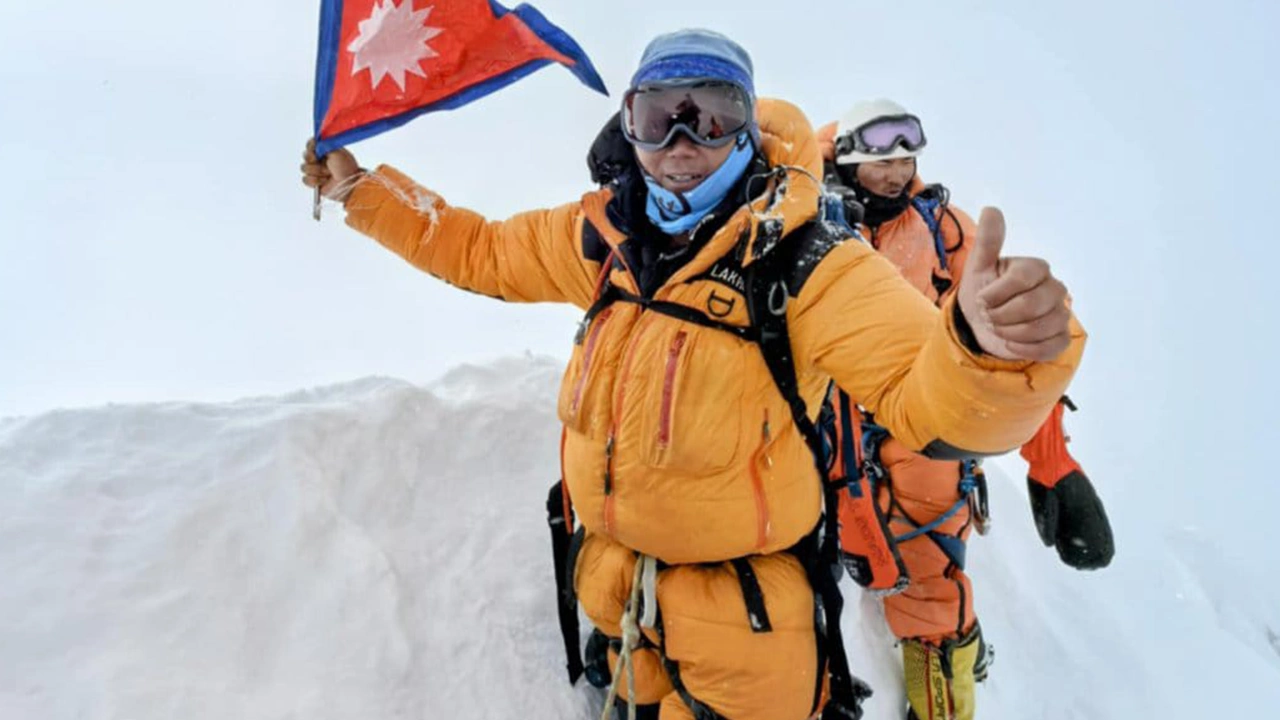
  • From Camp IV, you ascend steep snow ridges and ice slopes to the summit of Manaslu (8,163m), the world’s eighth-highest peak. The summit panorama includes Annapurna, Ganesh Himal, and Tibetan plateaus. The descent follows the same camps back to base camp.

(Start: 4,700m / 15,420ft → End: 8,163m / 26,781ft | Max: 8,163m / 26,781ft | Duration: 19 days | ↑3,463m / ↓3,463m)
 

Accomodation: Camp Tent
Meals: Breakfast, Lunch & Dinner
Day 32 — Preparation for Return, Clean Base Camp
Elevation 4700 m

Today is reserved for organizing gear, packing equipment, and cleaning up the base camp area. Responsible mountaineering practices ensure the environment remains pristine. Overnight at base camp.

(Start: 4,700m / 15,420ft → End: 4,700m / 15,420ft | Duration: – hrs)
 

Accomodation: Camp Tent
Meals: Breakfast, Lunch & Dinner
Day 33 — Base Camp to Sama Gaun
Down ↓ 920 m
Elevation 4700 m

The descent to Sama Gaun feels easier with richer oxygen. The trail retraces past glacial valleys before reaching the village. You return to tea house comforts and warm Sherpa hospitality.

(Start: 4,700m / 15,420ft → End: 3,780m / 12,401ft | Max: 4,700m / 15,420ft | Duration: 3 hrs | ↑0m / ↓920m)

Accomodation: Teahouse
Meals: Breakfast, Lunch & Dinner
Day 34 — Sama Gaun to Namrung
Down ↓ 1230 m
Elevation 3780 m

A steady downhill walk brings you back through familiar villages and alpine forests. You overnight again in Namrung, enjoying warm meals and a comfortable rest.

(Start: 3,780m / 12,401ft → End: 2,550m / 8,366ft | Max: 3,780m / 12,401ft | Duration: 6 hrs | ↑0m / ↓1,230m)
 

Accomodation: Teahouse
Meals: Breakfast, Lunch & Dinner
Day 35 — Namrung to Philim
Down ↓ 250 m
Elevation 2550 m

Descending further, you re-enter subtropical forests and agricultural fields. Philim village, with its terraced crops and friendly locals, provides a scenic overnight stop.

(Start: 2,550m / 8,366ft → End: 2,300m / 7,546ft | Max: 2,550m / 8,366ft | Duration: 6 hrs | ↑0m / ↓250m)

Accomodation: Lodge
Meals: Breakfast, Lunch & Dinner
Day 36 — Philim to Machha Khola
Down ↓ 970 m
Elevation 2300 m

Today you descend steeply along river valleys and cross multiple bridges. Arriving in Machha Khola, you return to the lowland climate, surrounded by lush greenery.

(Start: 2,300m / 7,546ft → End: 1,330m / 4,364ft | Max: 2,300m / 7,546ft | Duration: 6 hrs | ↑0m / ↓970m)

Accomodation: Lodge
Meals: Breakfast, Lunch & Dinner
Day 37 — Machha Khola to Arughat
Down ↓ 380 m
Elevation 1330 m

A long descent takes you along the Budhi Gandaki to Arughat. The return journey feels rewarding as you complete the trekking circuit. Overnight at a tea house or camp.

(Start: 1,330m / 4,364ft → End: 950m / 3,117ft | Max: 1,330m / 4,364ft | Duration: 8 hrs | ↑0m / ↓380m)
 

Accomodation: Hotel
Meals: Breakfast, Lunch & Dinner
Day 38 — Drive from Arughat to Kathmandu
Ups ↑ 400 m
Elevation 1350 m

After breakfast, you take a scenic drive back to Kathmandu. Upon arrival, you return to Hotel Yak & Yeti or a similar hotel. The rest of the day is free to relax or explore the city.

(Start: 950m / 3,117ft → End: 1,350m / 4,430ft | Max: 1,350m / 4,430ft | Duration: 7 hrs | ↑400m / ↓0m)
 

Accomodation: Hotel
Meals: Breakfast, Lunch & Dinner
Day 39 — Leisure in Kathmandu
Elevation 1350 m

This buffer day can be used for relaxation or sightseeing. Popular activities include shopping for souvenirs, visiting Durbar Squares, or simply enjoying a spa day. In the evening, a farewell dinner with cultural performances celebrates the successful expedition.

(Start: 1,350m / 4,430ft → End: 1,350m / 4,430ft | Duration: – hrs | ↑0m / ↓0m)
 

Accomodation: Hotel
Meals: Breakfast, Lunch & Dinner
Day 40 — Final Departure

After breakfast, our representative transfers you to Tribhuvan International Airport for your international flight. You depart Nepal with lasting memories of the Manaslu summit and the cultural richness of the Himalayas.


Meals: Breakfast
Cost Includes
  • Airport transfers in Kathmandu.
  • Domestic flights or road transfers as per itinerary.
  • Accommodation: 4-star hotels in Kathmandu and tea houses/lodges during the trek.
  • Full board meals during trekking and high-altitude climbing.
  • Climbing permits, restricted area fees, and Sagarmatha National Park permits.
  • Professional mountaineering guides, Sherpa support, and cooks.
  • High-altitude medical kit, oxygen support, and expedition equipment (tents, fixed ropes, ladders).
  • Cultural experiences in Gurung and Tibetan villages.
Cost Excludes
  • International airfare to/from Nepal.
  • Personal climbing gear (boots, crampons, ice axe, harness, helmet, etc.).
  • Travel insurance with high-altitude mountaineering coverage.
  • Tips for guides, porters, and staff.
  • Meals in Kathmandu outside hotel arrangements.
  • Optional sightseeing not mentioned in the itinerary.
All Information
Equipment Checklist for Manaslu Expedition

Equipment Checklist

FAQs

The best periods are pre-monsoon (March–May) and post-monsoon (September–November). These months offer stable weather, clear skies, and optimal climbing conditions.


Manaslu is a technically demanding 8,000m peak, requiring experience in high-altitude mountaineering, glacier travel, and fixed rope climbing. Fitness, endurance, and prior Himalayan experience are essential.


Yes, climbing without certified guides or Sherpa support is not recommended. The team manages safety, route fixing, and logistics, which are critical in high-altitude conditions.


The expedition includes multiple acclimatization rotations at higher camps, interspersed with rest days in villages like Samagaon and Larkya Base Camp, to reduce the risk of Acute Mountain Sickness (AMS).

Climbers should be physically fit with high stamina, capable of trekking 6–8 hours daily at altitudes above 5,000m. Strength training, cardiovascular endurance, and prior climbing experience are strongly recommended.

Essential gear includes mountaineering boots compatible with crampons, ice axe, harness, helmet, cold-weather clothing, gloves, sunglasses, and a sleeping bag rated for extreme cold.

Yes, climbers should have experience on technical Himalayan peaks or equivalent alpine climbs above 5,000–6,000m. This expedition is not suitable for beginners.

Yes, full-board meals are provided during trekking and climbing, prepared by expedition cooks, with a focus on high-energy, nutritious foods suitable for high-altitude exertion.

Safety measures include experienced guides, Sherpas, fixed ropes, oxygen backup, and high-altitude medical kits. Climbers receive detailed briefings on glacier travel, crevasses, and avalanche risks.

Yes, some climbers combine Manaslu with Tsum Valley Trek or Ganesh Himal climbs for extended Himalayan exploration and altitude training.

Manaslu Expedition

Trekking & Hiking Adventure

Region Manaslu Region
Duration 40 Days
Grade Moderate and Hard
Meal B/L/D
Accomodation Hotel/Lodge/ Camp Tent
Best Season Autumn/ Spring
Start/End Kathmandu
Max Altitude 8163
Activity Mountain Expedition

#See Similar Trips

ASSOCIATED WITH

Tourism Board
Nepal Government
Keep
NMA Nepal
TAAN

WE ACCEPT