


Your Journey, Our Expertise...
Menu

Pachermo Peak Climbing
18 Days • Moderate • Best season: Autumn/ Spring
Pachermo Peak Climbing

Overview

Pachermo Peak Climbing is one of Nepal’s most rewarding adventures, combining the beauty of the Rolwaling Valley, the thrill of crossing the Tashi Lapcha Pass (5,755m), and the challenge of summiting Pachermo Peak (6,273m). This 19-day journey is perfect for climbers who want to experience both off-the-beaten trekking trails and technical alpine climbing in a single expedition.

The trip begins in Kathmandu, where you explore cultural highlights before driving to Dolakha and trekking into the hidden Rolwaling region. This remote valley is rich in Tibetan-influenced culture, yak pastures, and traditional villages, making it an ideal setting for acclimatization. As the route progresses, the trail ascends through alpine forests, glaciers, and rugged mountain terrain toward the Tashi Lapcha Pass, which serves as the gateway to the Khumbu region.

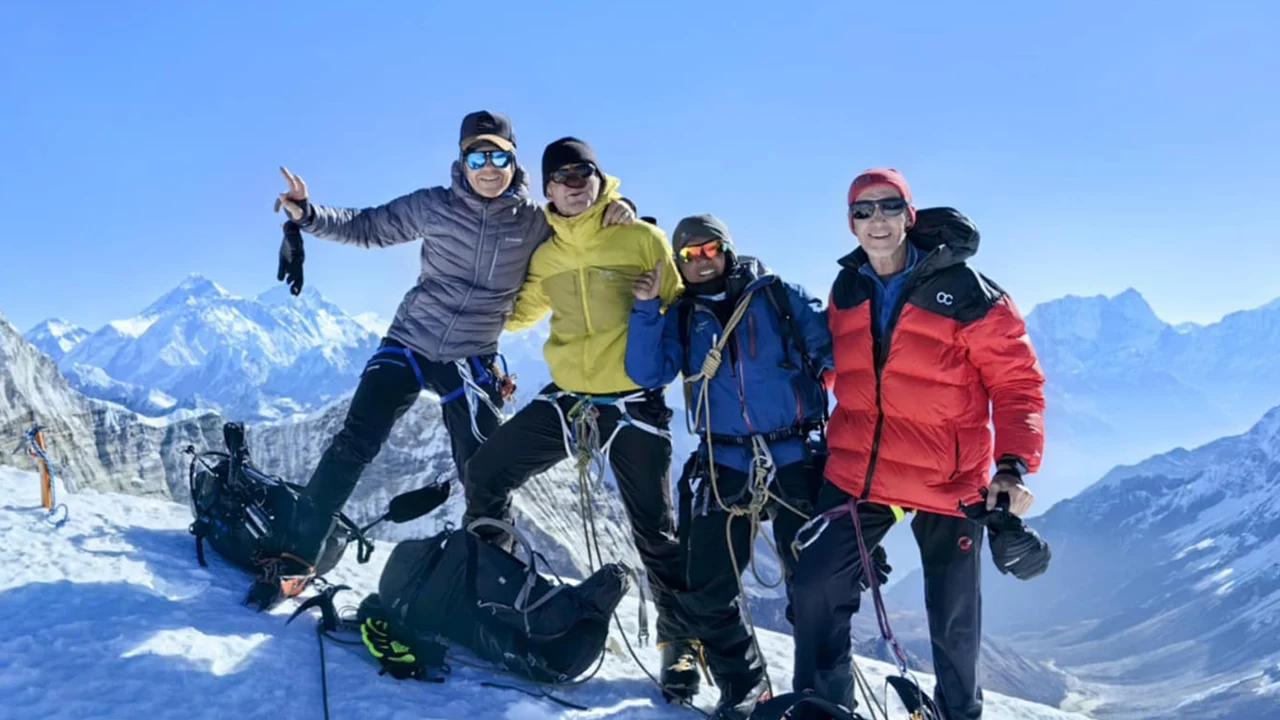
Climbing Pachermo Peak itself is moderately technical, involving glacier travel, rope work, and steep snow slopes. While it is accessible to beginners with proper fitness and training, having prior high-altitude trekking or climbing experience is highly recommended. From the summit, climbers are rewarded with panoramic views of Everest, Cho Oyu, Makalu, Ama Dablam, Gauri Shankar, and countless other Himalayan giants.

Another highlight of this trip is the transition from the remote Rolwaling side to the popular Everest region. After the climb, the trail connects to Thame and Namche Bazaar, giving you a chance to experience Sherpa culture before flying back from Lukla to Kathmandu.

In short, Pachermo Peak Climbing offers a perfect blend of cultural immersion, wilderness trekking, and mountaineering. It is an excellent choice for adventurers who want to climb a Himalayan peak while exploring two of Nepal’s most iconic trekking regions in one unforgettable journey.

Major Highlights of Pachermo Peak Climbing – 19 Days

  • Summit Pachermo Peak (6,273m) – Experience the thrill of climbing a Himalayan peak with spectacular views of Everest, Cho Oyu, and Makalu.
  • Cross the Tashi Lapcha Pass (5,755m) – A challenging high-altitude crossing that links the remote Rolwaling Valley with the famous Khumbu region.
  • Trek through the hidden Rolwaling Valley – Explore one of Nepal’s least-visited trekking regions, known for traditional Sherpa villages, yak pastures, and Tibetan cultural influence.
  • Immersive cultural experience – Meet locals in Dolakha, Beding, and Thame, gaining insight into Sherpa traditions and mountain life.
  • Varied landscapes – From lush forests and river valleys to glaciers and rugged alpine terrain, the route offers incredible diversity.
  • Climbing adventure with moderate technical challenges – Learn or practice glacier travel, rope handling, and snow climbing techniques.
  • Unique combination trip – Trekking in both off-the-beaten Rolwaling region and world-famous Everest region within a single itinerary.
  • Acclimatization and safety – A carefully paced route to ensure proper adjustment to altitude before the summit push.
  • Scenic Lukla flight – End your adventure with a short but memorable mountain flight back to Kathmandu.

Pachermo Peak Climbing

Trekking & Hiking Adventure

Duration 19 Days
Grade Moderate
Meal B/L/D
Group Size 1-30
Accomodation Hotel/Lodge
Best Season Autumn/ Spring
Start/End Kathmandu
Max Altitude 6187m
Activity Climbing
Day 1 — Arrival in Kathmandu
Elevation 1350 m

Upon arrival at Tribhuvan International Airport in Kathmandu, travelers are warmly welcomed by their guide and driver. After clearing immigration and collecting luggage, you’ll be transferred to your hotel in the city, where you can rest, refresh, and recover from your international flight. Depending on your arrival time, you may have the opportunity to explore the vibrant streets of Thamel, the main tourist hub, or enjoy a traditional Nepali meal at a local restaurant.

Kathmandu, the capital of Nepal, is a fascinating city that blends ancient culture with modern life. You’ll notice the bustling markets, colorful temples, prayer flags fluttering in the wind, and historic architecture as you walk through its streets. This day is primarily for adjusting to the city’s rhythm, resting, and preparing for your upcoming trekking adventure or sightseeing tour. Your guide will also provide a briefing on the trek ahead, including tips on packing, acclimatization, and local customs. Overnight stay is at a comfortable hotel in Kathmandu, offering a convenient base to begin your Nepal journey.

Accomodation: Hotel
Meals: Lunch & Dinner
Day 2 — Kathmandu to Shigati via Gongar (Drive 7–8 hrs)
Down ↓ 450 m
Elevation 950 m

The day begins with an early morning departure from Kathmandu, leaving behind the hustle and bustle of the capital and heading towards the serene Manaslu region. The drive takes roughly 7–8 hours, covering about 150–160 km, and winds through a mix of highways, rural roads, and mountain passes. As you leave the Kathmandu Valley, you will notice the gradual change in landscape—from urban settlements to lush green hills, terraced farmlands, and rivers flowing through deep gorges.

Around mid-way, you will pass through Gongar, a small town famous for its peaceful atmosphere and stunning mountain backdrops. This is a perfect spot to stretch your legs, take photographs, and enjoy a cup of tea while soaking in the surrounding scenery. The drive continues along winding roads carved into hillsides, offering glimpses of distant snow-capped Himalayan peaks, cascading rivers, and villages dotted with traditional Nepalese homes.

As the road descends toward Shigati, the landscape transforms into densely forested valleys and terraced fields, revealing the unique culture and lifestyle of local Gurung and Manaslu communities. Shigati itself is a small settlement at the gateway of the Pachermo trekking route, where lodges provide a comfortable place to rest, have a hearty Nepali meal, and prepare for the trek ahead. Here, trekkers can enjoy panoramic views of surrounding peaks and the Budhi Gandaki River, a perfect prelude to the adventure.

Evening in Shigati is calm and serene, ideal for relaxing, checking your gear, and acclimatizing slightly to the altitude before setting out on the next day’s trek.

Accomodation: Lodge
Meals: Breakfast, Lunch & Dinner
Day 3 — Trek from Shigati to Jagat
Ups ↑ 400 m
Down ↓ 000 m
Elevation 1350 m
Distance ⟺ 8-9 km

After breakfast in Shigati, the trek officially begins as you follow the Rolwaling River upstream, entering a quiet and less-traveled Himalayan valley. The trail starts gently, passing through terraced fields and traditional stone houses, offering an early glimpse into rural mountain life. As you leave the village behind, the path gradually narrows and moves into a forested section filled with pine, rhododendron, and bamboo, creating a peaceful walking environment with plenty of shade.

The route involves a steady uphill climb, with several short ascents and descents along rocky trails and wooden bridges crossing small streams flowing into the Rolwaling Khola. You may encounter local villagers transporting supplies by mule, reminding you how remote this region truly is. As the altitude increases, the valley opens up, revealing dramatic hillsides and cascading waterfalls. By afternoon, you reach Jagat, a small Sherpa settlement perched above the river, surrounded by steep forested slopes. This quiet village is an ideal first overnight stop, helping your body begin its acclimatization process before heading deeper into the Rolwaling Valley.

You’ll spend the night in a simple teahouse, enjoying warm meals and the calm mountain atmosphere, far away from crowded trekking routes.

Accomodation: Local Lodge
Meals: Breakfast, Lunch & Dinner
Duration: 5-6 hours
Day 4 — Trek from Jagat to Simigaon
Ups ↑ 600 m
Down ↓ 000 m
Elevation 2000 m
Distance ⟺ 6-7 km

After breakfast in Jagat, the trek begins with a gradual ascent through a peaceful Rolwaling Valley landscape, far quieter than popular trekking regions. The trail first follows the Tamakoshi River, crossing small wooden bridges and passing terraced farmlands where locals grow potatoes, maize, and barley. This section gives a real glimpse into rural mountain life, with stone houses and prayer flags marking village entrances.

As the trail climbs higher, the scenery slowly changes from cultivated land to dense rhododendron and pine forests. The ascent becomes steeper in parts, especially after crossing suspension bridges over narrow gorges. You’ll walk through shaded forest trails with occasional clearings that provide distant views of surrounding hills. The final climb to Simigaon is steady but manageable, rewarding you with a beautiful traditional Sherpa village set on a hillside. Simigaon is one of the most important settlements in the Rolwaling region, offering impressive views of Gaurishankar Himal and a strong sense of Himalayan culture. Overnight stay at a local lodge.

Accomodation: Local Lodge
Meals: Breakfast, Lunch & Dinner
Duration: 4-5 hours
Day 5 — Trek from Simigaon to Dongang
Ups ↑ 900 m
Down ↓ 100 m
Elevation 2800 m
Distance ⟺ 6-7 km

After breakfast in Simigaon, the trail begins with a gentle walk through traditional Rolwaling Sherpa villages, where stone houses, prayer walls, and cultivated terraces reflect a quiet mountain lifestyle. The morning section is relatively easy, allowing trekkers to warm up while enjoying views of surrounding forested hills and occasional glimpses of snowy peaks far above the valley.

Leaving Simigaon behind, the trail gradually descends into a dense rhododendron and pine forest, following a narrow path that winds along the hillside. The descent is steady but not technical, leading down toward the Rolwaling Khola. As you lose elevation, the vegetation becomes thicker, and the sound of the river grows louder, adding a peaceful rhythm to the walk.

After crossing small wooden bridges and passing through shaded forest sections, the trail begins a gradual ascent toward Dongang, a small riverside settlement surrounded by forest. The final section involves short uphill climbs, but nothing strenuous. Dongang serves as a quiet overnight stop before entering more remote alpine terrain in the coming days. The calm atmosphere and natural surroundings make it a relaxing place to rest and prepare for higher elevations.

Accomodation: Lodge
Meals: Breakfast, Lunch & Dinner
Day 6 — Trek from Dongang to Beding
Ups ↑ 900 m
Down ↓ 000 m
Elevation 3700 m
Distance ⟺ 9-10 km

Today’s trek takes you deeper into the heart of the Rolwaling Valley, following the steady upstream course of the Rolwaling Khola. Leaving Dongang behind, the trail gradually ascends through dense alpine forests filled with pine, rhododendron, and juniper trees. The path is well-defined but quieter compared to popular trekking routes, giving the walk a peaceful and remote feeling. Along the way, you’ll cross several small wooden bridges and pass occasional yak pastures and stone shelters used by local herders.

As you gain altitude, the valley slowly opens up, revealing dramatic mountain walls and distant glacier-fed streams cascading down the slopes. The terrain alternates between gentle uphill sections and short steeper climbs, making the trek steady but manageable. After several hours, you arrive at Beding, the largest and most important village in the Rolwaling region. Beding sits on a wide valley floor surrounded by towering peaks and is home to traditional stone houses, a monastery, and expansive grazing lands. This village is also a major acclimatization stop for trekkers and climbers heading toward Pachermo Peak and Tashi Lapcha Pass. Overnight stay is at a teahouse or lodge in Beding.

Accomodation: Lodge
Meals: Breakfast, Lunch & Dinner
Duration: 6-7 hours
Day 7 — Acclimatization in Beding
Ups ↑ 300 m
Down ↓ 300 m
Elevation 4000 m
Distance ⟺ 3-5 km

This day is set aside for proper acclimatization in Beding, the main Sherpa village of the Rolwaling Valley and an important stop before heading higher toward Pachermo Peak. Instead of moving camps, you spend the day allowing your body to adapt to the increasing altitude, which greatly reduces the risk of altitude sickness later in the expedition. Beding sits in a wide glacial valley surrounded by towering peaks, prayer walls, and traditional stone houses, offering a calm and culturally rich environment to rest and adjust.

To aid acclimatization, you will take a short acclimatization hike to higher ground above Beding, such as nearby ridges, yak pastures, or viewpoints toward Naa village or the Rolwaling Glacier (depending on conditions and group fitness). These hikes follow the classic “climb high, sleep low” principle—gaining altitude during the day and returning to Beding for the night. After the hike, the afternoon is free to rest, explore the village, visit the local monastery, or interact with locals who still practice a traditional Himalayan lifestyle. This day is also useful for gear checks and final preparations before moving deeper into the high alpine zone.

Accomodation: Lodge
Meals: Breakfast, Lunch & Dinner
Duration: 3-4 hours
Day 8 — Trek from Beding to Na Gaon
Ups ↑ 480 m
Down ↓ 000 m
Elevation 4180 m
Distance ⟺ 5-6 km

After a proper acclimatization day in Beding, the trek to Na Gaon (Na Village) is gradual, scenic, and very important for adjusting your body before heading toward higher alpine terrain. The trail follows the Rolwaling River, climbing gently above the valley floor while offering constant views of snow-capped peaks, glacial moraines, and wide yak pastures. Compared to earlier forested days, today feels more open and rugged, with the landscape slowly transitioning into a high-altitude Himalayan environment.

Leaving Beding, the path winds through sparse shrubs and alpine grasslands, passing seasonal herders’ shelters and mani walls. You’ll notice the air getting thinner, but the steady pace and relatively short distance make the walk manageable. As you approach Na Gaon, the valley broadens dramatically, revealing a stunning amphitheater of mountains, including Chobutse, Yalung Ri, and Pachermo Peak in the distance. Na Gaon itself is a small seasonal settlement used mainly by herders and climbers, with basic lodges and campsites. This is a crucial stop before moving higher, allowing your body to adapt while surrounded by raw Himalayan beauty.

Accomodation: Lodge
Meals: Breakfast, Lunch & Dinner
Duration: 3-4 hours
Day 9 — Trek to Chukyima via Tsho Rolpa Lake(Camping)
Ups ↑ 700 m
Down ↓ 000 m
Elevation 4900 m
Distance ⟺ 10-11 km

Today is one of the most visually rewarding and remote days of the Pachermo Peak Climbing itinerary as you move deeper into the Rolwaling Valley. The trek begins from Na Gaon, following a gradual but steady trail along the Rolwaling River. The landscape slowly changes from alpine meadows to a more rugged, glacial environment. As you walk higher, the valley widens, and massive snow-covered peaks start to dominate the horizon, giving a true high-Himalayan feel.

After a few hours of trekking, you reach the breathtaking Tsho Rolpa Lake, one of the largest glacial lakes in Nepal. The turquoise-blue water, surrounded by moraine walls and towering peaks like Gaurishankar and Melungtse, makes this a perfect rest and photo stop. From Tsho Rolpa, the trail becomes rougher and more demanding, crossing rocky moraines and glacial debris. The thin air becomes noticeable here, so the pace remains slow and controlled. Eventually, you arrive at Chukyima, a high-altitude camping site used by climbers preparing for Pachermo Peak. Tents are set up in a cold, exposed alpine setting, and the evening is spent resting, hydrating, and preparing for higher climbs ahead.

Accomodation: Camp
Meals: Breakfast, Lunch & Dinner
Duration: 6-7 hours
Day 10 — Trek to Jaboo Glacier or Trakarding Glacier(Camping)
Ups ↑ 500 m
Down ↓ 50 m
Elevation 5100 m
Distance ⟺ 6-8 km

Today is one of the most demanding yet exciting days of the Pachermo Peak Climbing journey, as you move deeper into the high Himalayan wilderness. Leaving the previous campsite near Chukyima / Tsho Rolpa Lake, the trail heads northward toward the Jaboo Glacier or Trakarding Glacier, depending on weather conditions and route choice by the guide. The landscape quickly turns raw and alpine, with wide glacier valleys, moraine ridges, and towering snow-covered peaks surrounding you on all sides. The walk starts gradually but soon becomes more rugged as you cross loose rocks, glacial debris, and icy sections that require careful footing.

As you gain altitude, the oxygen level drops noticeably, making a slow and steady pace essential. The trail is not technical yet, but it is physically demanding due to altitude and uneven terrain. You’ll pass small frozen streams, glacial meltwater channels, and wide open ice fields, with constant views of Rolwaling Himal, Dorje Lakpa, and surrounding 6,000-meter peaks. By afternoon, you reach the glacier camping area, where the support team sets up tents on a safe, flat section of moraine or snow. The evening is spent resting, hydrating, and mentally preparing for the upcoming summit push, as this campsite serves as a crucial stepping stone toward Pachermo Peak.

Accomodation: Camp
Meals: Breakfast, Lunch & Dinner
Duration: 5-7 hours
Day 11 — Trek from Jaboo Glacier to High Camp Tashi Phuk Phedi crossing Tashi Lapcha
Ups ↑ 1105 m
Down ↓ 665 m
Elevation 5755 m
Distance ⟺ 12 km

The day starts early at Jaboo Glacier camp, where the crisp mountain air and glistening ice create an energizing atmosphere. After a quick breakfast, you begin your trek ascending gradually toward the Tashi Lapcha Pass (5,755 m). The trail passes through a morainic glacier terrain, where you’ll carefully navigate crevasses, ice ridges, and rocky sections, often assisted by trekking guides for safety.

As you gain altitude, the views become truly spectacular. To your left, the Pachermo Peak towers majestically, while surrounding peaks like Cho Polu and Gaurishankar dominate the skyline. The snow-capped ridges and the pristine glacier valleys below are mesmerizing, making every step rewarding. The trail requires full concentration in this section due to ice and steep rocky patches, giving trekkers a sense of adventure and challenge.

After crossing Tashi Lapcha, the path descends slightly toward High Camp at Tashi Phuk Phedi (5,100 m / 16,732 ft). This campsite is set against dramatic alpine cliffs, providing a perfect vantage point to enjoy panoramic Himalayan views, including the Rolwaling and Khumbu peaks. The camp offers warm meals, tents for overnight stay, and a serene environment to rest and acclimatize before summit attempts.

Throughout the day, you may encounter mountain streams, icefalls, and small crevasses, making it essential to wear proper trekking boots, crampons, and carry trekking poles. Guides often assist with route selection on tricky sections to ensure safety and smooth passage.

Accomodation: Camp Tent
Meals: Breakfast, Lunch & Dinner
Duration: 7-8 hours
Day 12 — Summit Pachermo Peak & Return to Base Camp
Ups ↑ 1154 m
Down ↓ 1154 m
Elevation 6254 m
Distance ⟺ 10 km

The summit day begins very early, often around 2–3 AM, under the guidance of your expert climbing team. You start by navigating steep snow slopes, ice ridges, and rocky sections, carefully using crampons, ropes, and ice axes. The trail requires full concentration, as altitude and icy conditions can make footing tricky.

As you ascend, the views gradually unfold in all directions. To the west, you can admire the stunning Rolwaling peaks, while to the east, the glittering Himalayan range stretches toward the Tibetan border. The sun rising over snow-capped peaks creates a magical golden glow, making the effort absolutely worth it. Each step closer to the summit brings a thrilling sense of achievement, surrounded by pristine alpine landscapes.

Reaching the summit of Pachermo Peak (6,254 m / 20,515 ft) is a moment of triumph. From here, you have an unparalleled 360° panoramic view of major peaks including Cho Polu, Gaurishankar, Pachermo’s surrounding ridges, and even distant Everest peaks on a clear day. This is the highlight of the trek—a moment many climbers describe as life-changing and awe-inspiring.

After enjoying the summit and capturing photographs, you carefully descend back along the same route. The descent requires vigilance as icy sections can be slippery. You return to High Camp Tashi Phuk Phedi, where a warm meal, rest, and the comforting tents await. The evening is spent recounting the day’s achievement, resting, and acclimatizing before the next day’s trek.

Accomodation: Camp Tent
Meals: Breakfast, Lunch & Dinner
Duration: 10-12 hours
Day 13 — Trek from Pachermo Base Camp to Thengbo
Ups ↑ 000 m
Down ↓ 900 m
Elevation 5100 m
Distance ⟺ 12 km

After the exhilarating summit of Pachermo Peak, the trek continues with a descent from the high alpine terrain of the base camp. The trail begins by carefully navigating rocky moraines and loose scree, as you leave behind the snow-clad slopes and ice ridges of Pachermo. The air gradually feels lighter, and the views of the surrounding Rolwaling Himalayas remain spectacular, offering a last glimpse of the towering peaks including Cho Polu and Pachermo Peak from above.

The trail gently descends through high-altitude meadows, dotted with small streams and patches of wildflowers, before reaching the serene village of Thengbo. Along the way, trekkers pass small stone bridges, local grazing lands with yaks, and occasionally encounter traditional Rolwaling homes, giving a real sense of the local culture and lifestyle. The trekking pace is moderate, allowing time to pause for photographs, enjoy the mountain vistas, and breathe in the crisp alpine air.

Upon arrival at Thengbo, you are welcomed into comfortable lodges or guesthouses, where you can enjoy warm meals, relax, and reflect on the past few challenging but rewarding days. The evening is peaceful, with panoramic sunset views over the surrounding valleys and mountains, making it a perfect spot to rest before continuing the descent

Accomodation: Lodge
Meals: Breakfast, Lunch & Dinner
Duration: 5-6 hours
Day 14 — Trek from Thengbo to Thame or Namche
Ups ↑ 000 m
Down ↓ 760 m
Elevation 4200 m
Distance ⟺ 15 km

The trek begins with a gentle descent through alpine meadows and glacial streams, leaving behind the high-altitude charm of Thengbo. The trail passes through small yak grazing lands, rock-strewn slopes, and boulder-strewn moraines, offering occasional glimpses of Cho Polu, Pachermo Peak, and surrounding Rolwaling ridges. Along the way, trekkers can spot prayer flags fluttering in the wind and small mani walls, reflecting the deep Buddhist culture of the region.

As you continue, the trail gradually merges with the more inhabited Thame/Namche region, where stone-built houses, monasteries, and small tea houses start appearing. The air grows warmer and less thin, a welcome relief after high-altitude trekking. You may also encounter local Sherpa children walking to school and villagers tending their yaks, giving a real insight into everyday life in the Himalayas. Upon arrival at Thame or Namche, trekkers are welcomed into comfortable lodges, where you can enjoy warm meals, rest, and soak in the views of surrounding mountains. The evening is perfect for capturing sunset over the valley and reflecting on the rewarding journey so far.

Accomodation: Lodge
Meals: Breakfast, Lunch & Dinner
Duration: 6-7 hours
Day 15 — Trek from Thame/Namche to Lukla
Ups ↑ 150 m
Down ↓ 1090 m
Elevation 3800 m
Distance ⟺ 20 km

The final day of the trek starts with a gentle descent through forested valleys, following the Dudh Koshi River and passing through lush rhododendron and pine forests. Along the way, trekkers cross several suspension bridges, offering glimpses of the river flowing energetically below and perfect spots for photography. Small villages such as Phakding and Monjo appear along the trail, where local tea houses provide a chance to enjoy fresh tea, snacks, and interact with friendly locals.

The trail gradually becomes more lively and populated as you approach Lukla, the gateway to the Everest region. You’ll pass small mani walls, prayer flags, and monasteries, reflecting the rich Sherpa culture. The final stretch to Lukla involves a few moderate uphill sections, reminding you of the high-altitude terrain you’ve just navigated. Upon arrival, trekkers are welcomed into comfortable lodges, where you can celebrate the completion of the trek, relax, and enjoy your last evening in the mountains while taking in the surrounding Himalayan views.

Accomodation: Lodge
Meals: Breakfast, Lunch & Dinner
Duration: 7-8 hours
Day 16 — Fly from Lukla to Kathmandu
Elevation 2860 m

After completing your trek and enjoying your final night in Lukla, you’ll take an early morning flight back to Kathmandu, the gateway to Nepal. The flight itself is an unforgettable experience, often called one of the most scenic flights in the world. As the plane ascends, you can witness the Everest region unfold below, with the Dudh Koshi River snaking through deep valleys, suspension bridges, and tiny Sherpa villages dotting the landscape.

The snow-capped peaks of Everest, Lhotse, and Ama Dablam dominate the horizon, creating breathtaking views that are visible right from your airplane window. Depending on the weather, you may also spot Thamserku, Nuptse, and other iconic Himalayan summits. The descent into Kathmandu brings you back to the green Kathmandu Valley, with its terraced fields, rivers, and the bustling cityscape gradually appearing below. Upon landing, a representative from Nepal Voyage Treks will welcome you and transfer you to your hotel, where you can relax, refresh, and celebrate the completion of your incredible journey.

Accomodation: Hotel
Meals: Breakfast, Lunch & Dinner
Duration: 35-40 minutes
Day 18 — Kathmandu Sightseeing
Elevation 1400 m

Kathmandu, the vibrant capital of Nepal, is a treasure trove of cultural, historical, and spiritual wonders. Your sightseeing day begins with a visit to Durbar Square, the heart of the ancient city. Here, you’ll explore royal palaces, ornate temples, and intricately carved wooden windows, learning about the city’s rich Malla and Shah dynasty history. Walking through the square, you’ll also notice street markets, local artisans, and bustling squares that give Kathmandu its unique charm.

Next, you’ll head to Swayambhunath Stupa, famously known as the Monkey Temple. Located atop a hill, the stupa offers panoramic views of the Kathmandu Valley. You’ll witness hundreds of prayer flags fluttering in the wind, devout Buddhists spinning prayer wheels, and the playful antics of monkeys around the complex. The spiritual energy of the site is palpable, providing insight into Nepalese Buddhist culture. Later, you may visit Patan Durbar Square or Boudhanath Stupa, depending on your preferences, each offering spectacular architecture, intricate carvings, and vibrant local life. The day concludes with a leisurely stroll through local markets, perfect for picking up souvenirs, handicrafts, and traditional artifacts.

Accomodation: Hotel
Meals: Breakfast, Lunch & Dinner
Day 19 — Departure Day

After an unforgettable journey through Nepal’s mountains, valleys, and cultural heartlands, your final day begins with a transfer from your hotel to Tribhuvan International Airport in Kathmandu. Depending on your flight schedule, you may have some time for a last-minute stroll or souvenir shopping in Thamel, the bustling tourist district filled with handicraft shops, cafés, and traditional Nepalese goods.

As you check in for your flight, it’s the moment to reflect on the incredible experiences you’ve had—trekking through the Himalayas, summiting peaks, exploring Sherpa villages, visiting ancient temples, and witnessing Nepal’s rich culture firsthand. The flight back home marks the end of your Nepal adventure, leaving you with memories of majestic mountains, warm hospitality, and once-in-a-lifetime experiences that will stay with you forever.

Meals: Breakfast
Cost Includes
  • Pickup and drop-off at Tribhuvan International Airport in a private vehicle.
  • 3 nights in a 3-star hotel in Kathmandu with breakfast included.
  • Teahouse accommodation during the trek in Rolwaling Valley and Everest region.
  • Camping services with tents, kitchen equipment, and support crew in remote areas.
  • 3 meals per day (breakfast, lunch, dinner) with tea/coffee during trekking and climbing.
  • Climbing permit for Pachermo Peak and all required trekking permits.
  • Licensed trekking and climbing guides with high-altitude experience.
  • Porter service (1 porter for every 2 trekkers, carrying up to 15 kg per trekker).
  • Group climbing gear including ropes, ice screws, snow bars, and tents.
  • Domestic flight from Lukla to Kathmandu including airport taxes.
  • First aid kit and satellite phone for emergencies.
  • Government taxes and service charges.
Cost Excludes
  • International flights to and from Nepal.
  • Nepal visa fee (payable on arrival at Kathmandu airport).
  • Personal travel and rescue insurance (mandatory for climbing trips).
  • Personal climbing gear such as boots, crampons, harness, down jacket, and sleeping bag (available for rental in Kathmandu).
  • Extra meals in Kathmandu (lunches and dinners).
  • Alcoholic drinks, bottled water, and extra snacks during the trek.
  • Optional activities such as sightseeing in Kathmandu beyond the itinerary.
  • Porter for personal luggage exceeding the included weight limit.
  • Tips for guides, porters, and staff.
  • Expenses caused by delays, natural disasters, or flight cancellations.
All Information
Equipment Checklist for Pachermo Peak Climbing

Equipment Checklist

FAQs

Pachermo Peak is considered a moderate to challenging climb, suitable for trekkers with previous high-altitude trekking experience. The route includes steep trails, snow slopes, and rocky sections, so good physical fitness and stamina are required. Beginners can attempt it only with proper guides and acclimatization.


The best seasons are spring (March to May) and autumn (September to November). During these months, the weather is relatively stable, skies are clear, and Himalayan views are at their best. Summers bring rain and slippery trails, while winter can be extremely cold with heavy snowfall.


Climbers must have a Pachermo Peak climbing permit, issued by the Nepal Ministry of Tourism. Additionally, trekking permits such as the Sagarmatha National Park Permit and Khumbu/Manaslu Conservation Area permits (depending on the route) are required. All permits are arranged by the trekking agency.

While Pachermo Peak is technically easier than peaks like Island Peak or Mera Peak, prior trekking experience at high altitudes is strongly recommended. Basic skills in using crampons, ice axes, and rope handling will help during snow and ice sections.


The full itinerary spans 19 days, including arrival in Kathmandu, acclimatization days, trekking through the Rolwaling Valley, and summit attempt. Trekkers will also return via Lukla or Kathmandu depending on the chosen route.


Accommodation includes hotels in Kathmandu and teahouses along the trek. During the climbing section, camping with tents, kitchen facilities, and support staff is provided to ensure safety and comfort in remote areas.


Climbers are served 3 meals per day (breakfast, lunch, dinner) at teahouses and base camps. Meals usually include Nepali, Tibetan, and continental cuisine. Snacks, energy bars, and hot drinks like tea or coffee are available to maintain energy levels.


Yes, altitude sickness can occur above 4,000 meters. The itinerary includes acclimatization days to reduce risk. Trekkers are advised to drink plenty of water, ascend slowly, and consult guides if symptoms appear. Medication like Diamox can be taken after consulting a doctor.


Essential gear includes: mountaineering boots, crampons, ice axe, harness, helmet, warm clothing, gloves, sleeping bag, and personal items. Many items can be rented in Kathmandu, but climbers are encouraged to bring personal high-quality gear for safety.


Yes, the expedition includes experienced climbing guides, trekking guides, and porters (1 porter per 2 climbers). Guides assist with navigation, acclimatization, and climbing safety. Porters carry personal luggage and base camp equipment to lighten your load.

ASSOCIATED WITH

Tourism Board
Nepal Government
Keep
NMA Nepal
TAAN

WE ACCEPT