Your Journey, Our Expertise...
Menu

Rolwaling Valley Trek – 14 Days

14 Days •
Rolwaling Valley Trek – 14 Days

Overview

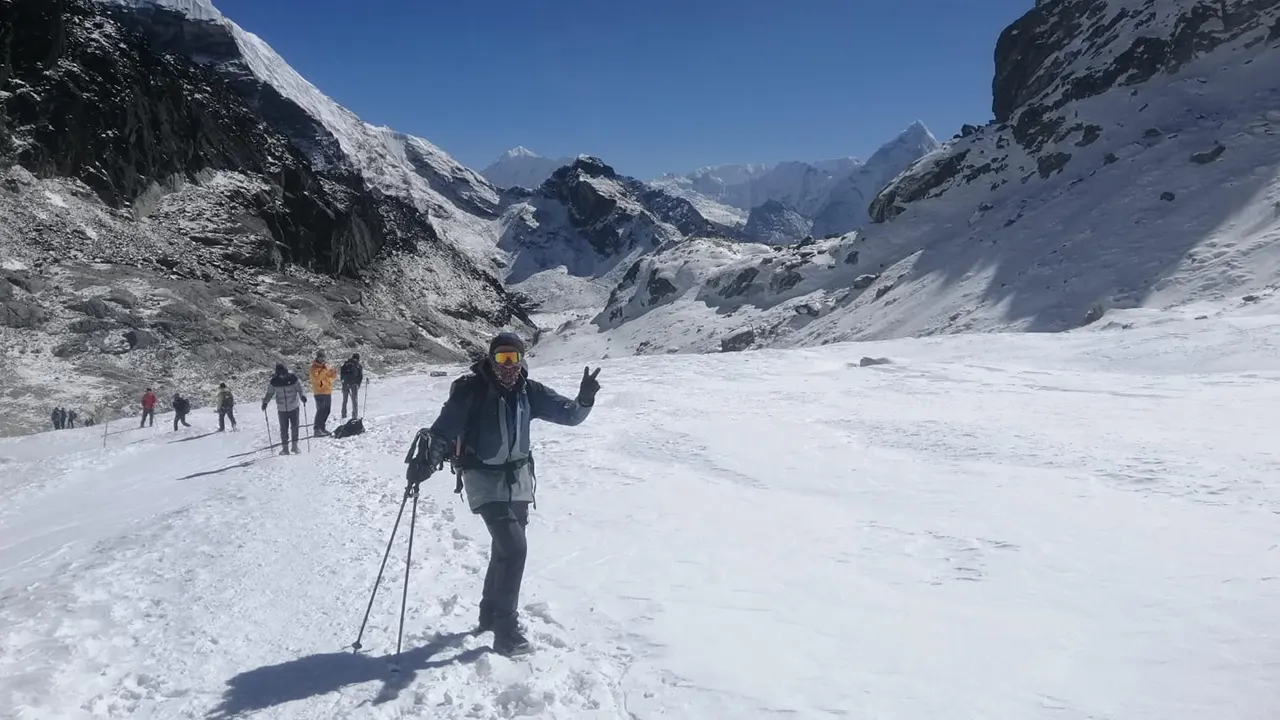
The Rolwaling Valley Trek is a hidden gem in Nepal, offering a rare mix of high-altitude adventure, pristine landscapes, and authentic Himalayan culture. Unlike the more popular trails of Everest or Annapurna, this trek takes you deep into the remote Rolwaling Valley, where dramatic glaciers, alpine meadows, and rugged ridges dominate the scenery.

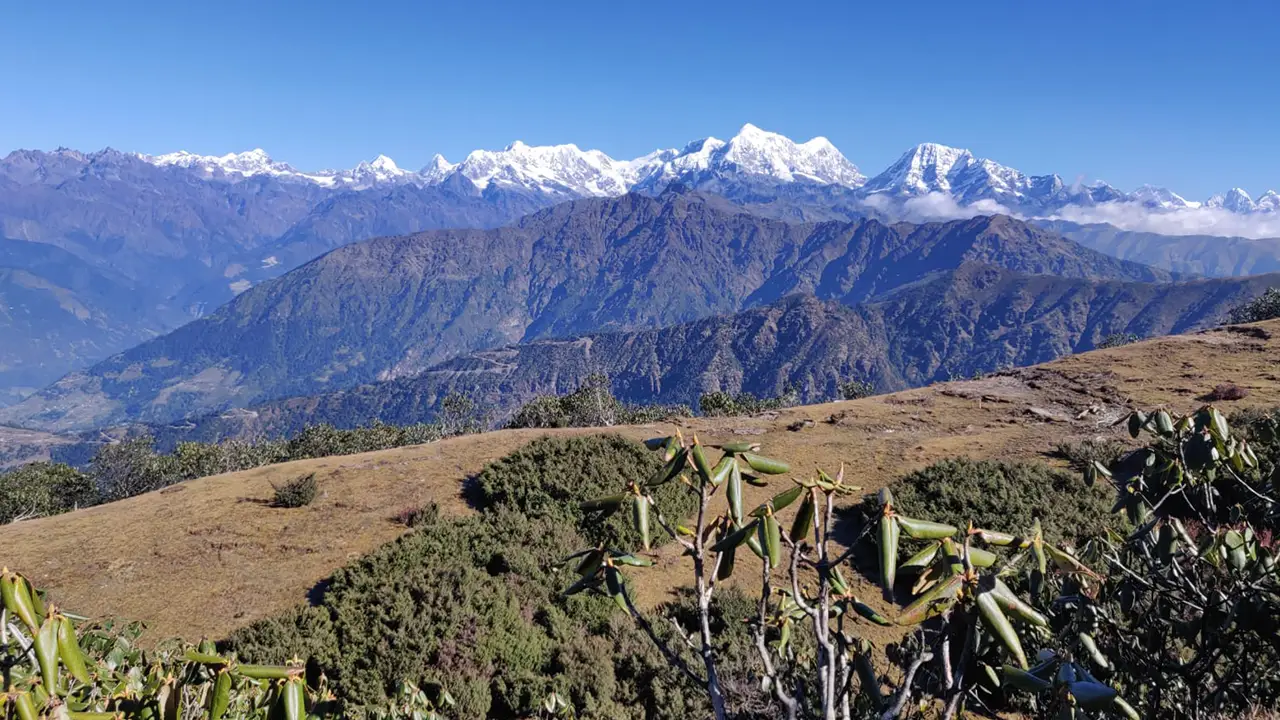
Starting from the lush lower hills near Dolakha, the trail passes through terraced farmlands, small Sherpa villages, and dense forests. As you ascend, the landscape changes dramatically into glacial valleys and high passes, including the challenging Tashi Lapcha Pass, providing spectacular views of Gauri Shankar (7,134m) and other surrounding Himalayan peaks. This trek is perfect for travelers who want to experience Nepal’s wild side, away from crowded trekking routes.

One of the main highlights of the trek is the opportunity to witness the cultural richness of Sherpa communities, whose traditions and mountain lifestyle have remained largely untouched by modern tourism. Along the way, you’ll camp in pristine wilderness, cross rivers via suspension bridges, and enjoy clear night skies ideal for stargazing.

The 14-day journey is physically demanding, with daily trekking of 6–9 hours and significant altitude gain, making it suitable for trekkers with high-altitude trekking experience. Accommodation is a mix of tea houses in lower areas and camping at higher elevations, with a support team providing meals, tents, and guidance to ensure safety and comfort throughout the trek.

The Rolwaling Valley Trek is more than just a trek—it’s a journey into one of Nepal’s most untouched Himalayan regions. It offers a perfect balance of adventure, culture, and wilderness, rewarding trekkers with memories of rugged landscapes, towering peaks, and the unique serenity of remote mountain life.

Highlights of Rolwaling Valley Trek

  • Trek through the remote Rolwaling Valley, a hidden gem of the Himalayas.
  • Cross challenging high passes, including Tashi Lapcha Pass, for panoramic mountain views.
  • Explore the base of Gauri Shankar (7,134m), a sacred peak for local Sherpas.
  • Discover traditional Sherpa villages and experience authentic Himalayan culture.
  • Walk through diverse landscapes: forests, alpine meadows, glaciers, and rocky ridges.
  • Visit Chhukung and Beding-style settlements and enjoy warm local hospitality.
  • Witness stunning Himalayan panoramas of Everest, Makalu, and Cho Oyu from key viewpoints.
  • Experience true wilderness trekking, far from crowded trails of Everest or Annapurna.
  • Camp in pristine locations with clear night skies for stargazing.
  • A perfect adventure for trekkers seeking off-the-beaten-path high-altitude trekking in Nepal.
Day 1 — Kathmandu to Jagat
Down ↓ 250 m
Elevation 1150 m

The adventure begins with a long scenic drive from Kathmandu through terraced farmlands, winding mountain roads, and deep river valleys. You’ll follow the Bhote Koshi and Sun Koshi rivers, with views of scattered villages, green hills, and distant snow-capped peaks. After about 8 hours, you reach Jagat, a small riverside settlement that marks the gateway to the Rolwaling Valley. Here, you’ll settle into a local teahouse for the night. It’s a good day to stretch your legs after the journey and prepare your gear for trekking.

Accomodation: Tea House
Meals: Breakfast/Lunch/Dinner
Day 2 — Jagat to Simigaon
Ups ↑ 840 m
Elevation 1990 m

The trek officially begins as you ascend through terraced hillsides and small hamlets. The trail climbs steadily with views of Gauri Shankar (7,145 m), a sacred peak in both Hindu and Buddhist traditions. Simigaon is a Sherpa and Tamang village perched on a ridge, with a colorful monastery surrounded by fields of potatoes and barley. Tonight, you’ll stay in a teahouse, enjoy Sherpa hospitality, and perhaps witness evening prayers at the local monastery.

Accomodation: Tea House
Meals: Breakfast/Lunch/Dinner
Day 3 — Simigaon to Gyalche
Ups ↑ 900 m
Elevation 2890 m

The trail leads you into dense rhododendron and pine forests, gradually gaining altitude along the Rolwaling Khola valley. Wooden bridges cross tumbling streams, while waterfalls cascade down the cliffs. Wildlife such as Himalayan monals (Nepal’s national bird) or musk deer may be spotted. Gyalche is a quiet settlement with limited facilities, where you’ll stay in a rustic teahouse. The air feels noticeably thinner, so remember to pace yourself and hydrate well.

Accomodation: Tea House
Meals: Breakfast/Lunch/Dinner
Day 4 — Gyalche to Bedding
Ups ↑ 800 m

A steady climb brings you deeper into the Rolwaling Valley, with spectacular views of Gauri Shankar and Melungtse. The trail follows the Rolwaling River, passing yak pastures and tiny settlements. Bedding is the largest village in the valley and the main Sherpa settlement. Its stone houses, prayer flags, and mani walls reflect the deep Buddhist traditions of the region. You’ll spend the night in a teahouse, warmed by hearty Sherpa meals such as noodle soup or potato stew.

Accomodation: Tea House
Meals: Breakfast/Lunch/Dinner
Day 5 — Bedding to Na
Ups ↑ 490 m
Elevation 4180 m

Today’s trek is relatively short but important for gradual acclimatization. The trail continues through yak pastures with wide views of snow peaks. Na is a high-altitude summer village used by herders, with only a few basic teahouses open during trekking season. It is beautifully situated beneath peaks like Chekigo and Ramdung. The afternoon is free to explore or rest. Accommodation is basic but cozy, often with communal dining where trekkers and locals gather.

Accomodation: Tea House
Meals: Breakfast/Lunch/Dinner
Day 6 — Rest Day at Na
Ups ↑ 220 m
Down ↓ 220 m
Elevation 4400 m

A rest and acclimatization day is essential before heading toward the Tashi Lapcha Pass. You can hike to nearby ridges for panoramic views of Chobutse (6,685 m) and the surrounding Rolwaling peaks. Some trekkers choose to explore Yalung Peak base or simply wander the yak pastures. It’s a good day to rehydrate, reorganize gear, and conserve energy for the high-altitude journey ahead.

Accomodation: Tea House
Meals: Breakfast/Lunch/Dinner
Day 7 — Na to Chyukyoma
Ups ↑ 690 m
Elevation 4870 m

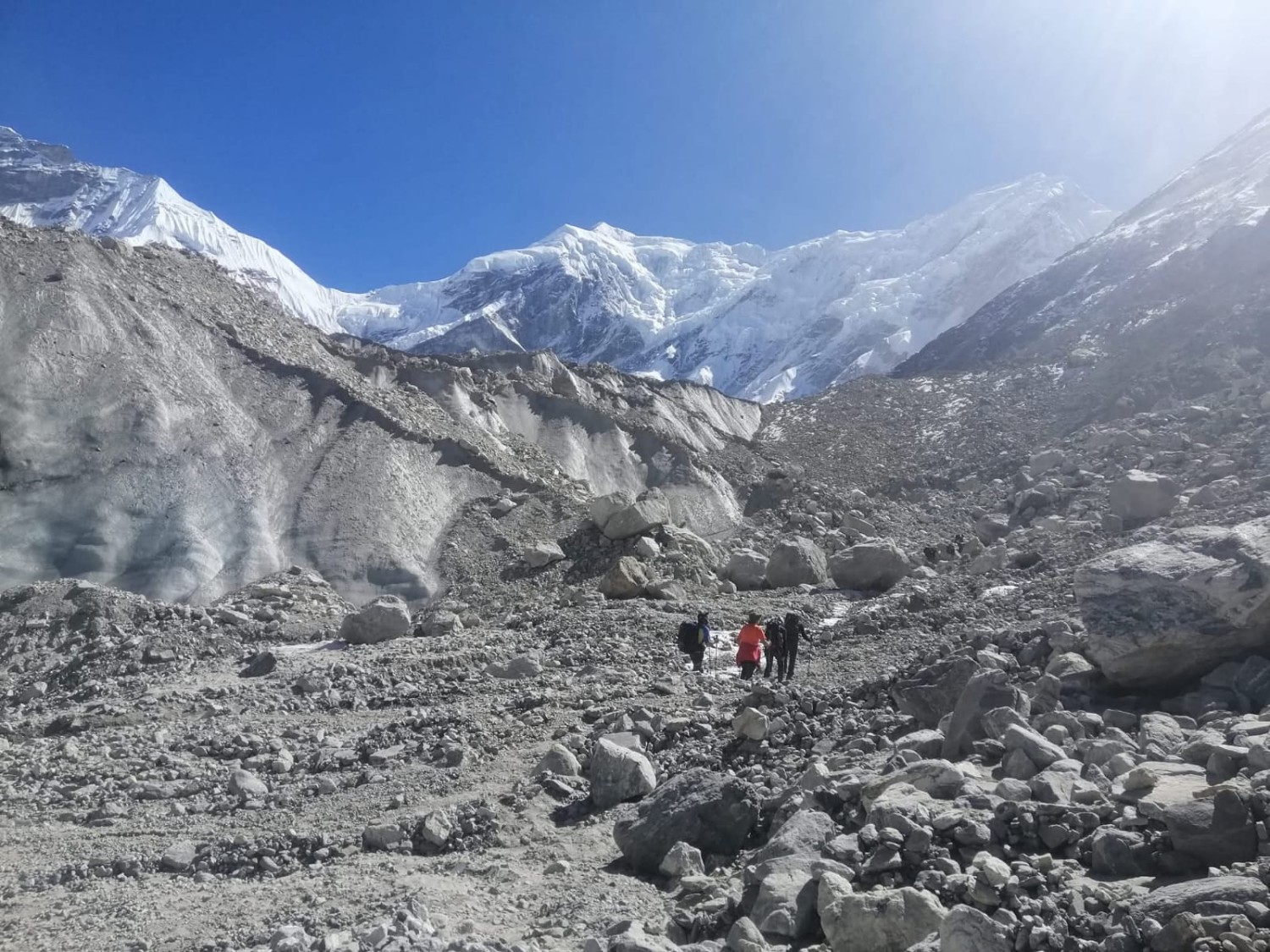
The trek gains significant altitude as you leave the pastures and enter rugged glacial terrain. The trail is marked by rock cairns and crosses scree slopes and small glacial streams. The air is thin, and trekking requires slow, steady pacing. Chyukyoma is a small campsite near the glacier with limited facilities, where you’ll stay in a teahouse if open. Nights are colder now, with temperatures often below freezing.

Accomodation: Tea House
Meals: Breakfast/Lunch/Dinner
Day 8 — Chyukyoma to Trakarding Glacier
Ups ↑ 100 m
Down ↓ 120 m
Elevation 4900 m

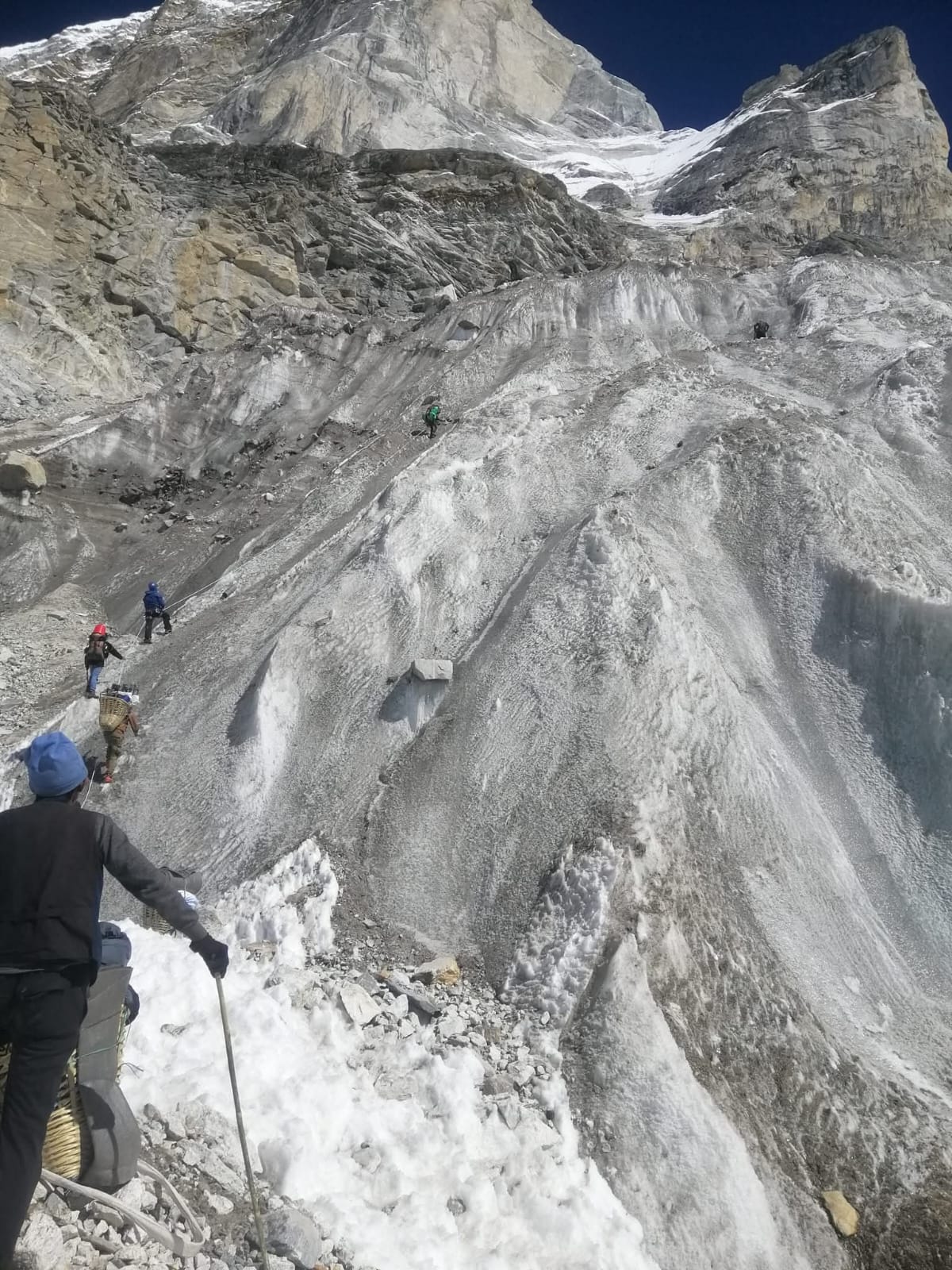
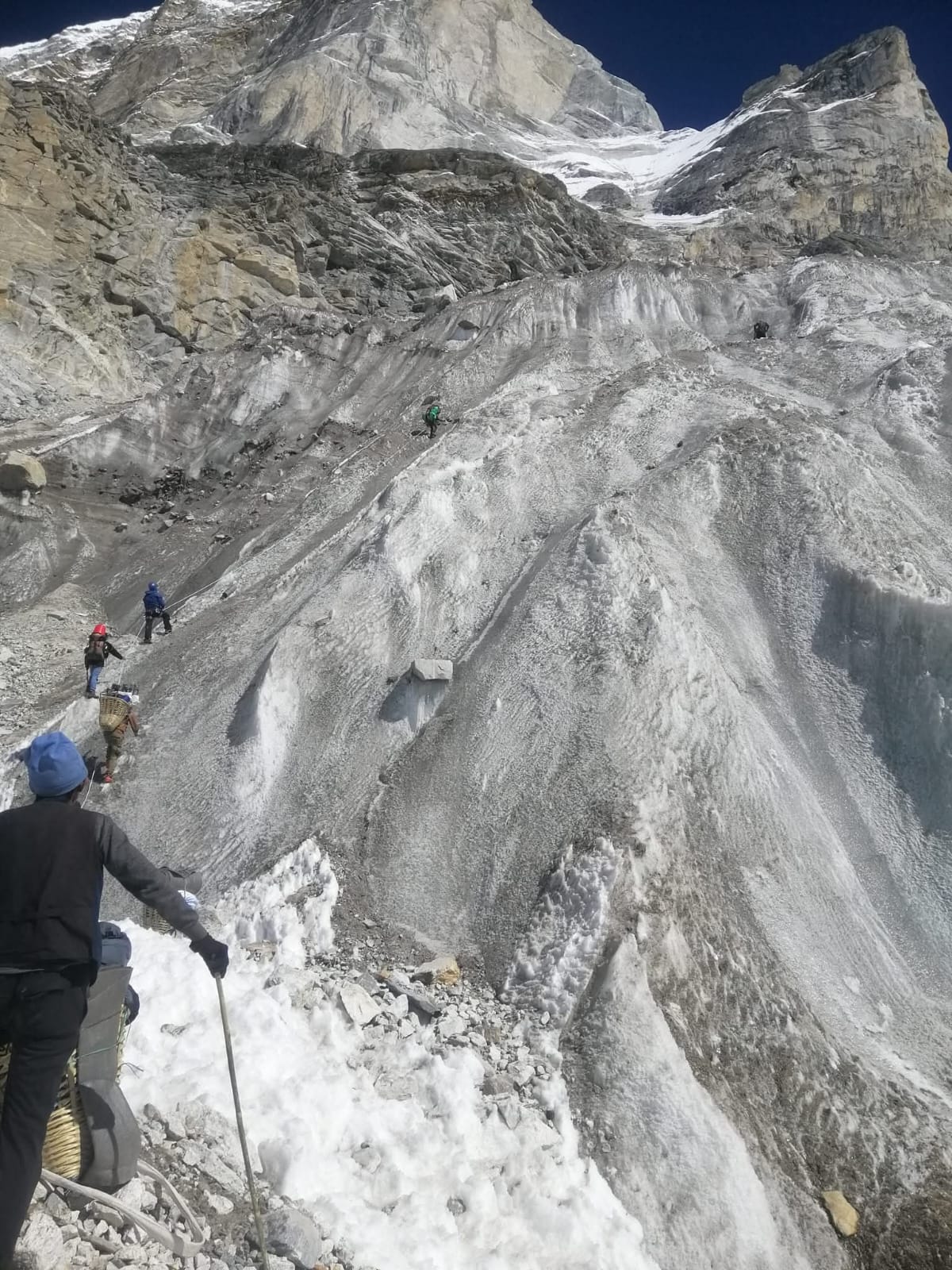
Today’s route traverses the mighty Trakarding Glacier, surrounded by towering ice walls and rock cliffs. The path involves boulder-hopping, icy sections, and sometimes ropes for safety. It’s a raw, dramatic landscape with few signs of habitation. Camping on the glacier is an unforgettable experience, where your crew will set up tents on rocky platforms. The night sky here is dazzling, with millions of stars visible in the crisp mountain air.

Accomodation: Camping
Meals: Breakfast/Lunch/Dinner
Day 9 — Trakarding Glacier to Tashilapcha Phedi
Ups ↑ 160 m
Elevation 5010 m

The route continues across glacial moraine and steep rocky ridges toward the base of the Tashi Lapcha Pass. The altitude is demanding, and careful pacing is essential. Tashilapcha Phedi (also called Tashi Lapcha Base Camp) is a remote, windswept campsite surrounded by ice and rock. Tents are pitched on uneven ground, and meals are simple but nourishing. This night is one of the most challenging due to cold temperatures and altitude.

Accomodation: Camping
Meals: Breakfast/Lunch/Dinner
Day 10 — Tashilapcha Phedi to Pachermo High Camp via Tashi Lapcha Pass
Ups ↑ 745 m
Down ↓ 305 m
Elevation 5755 m

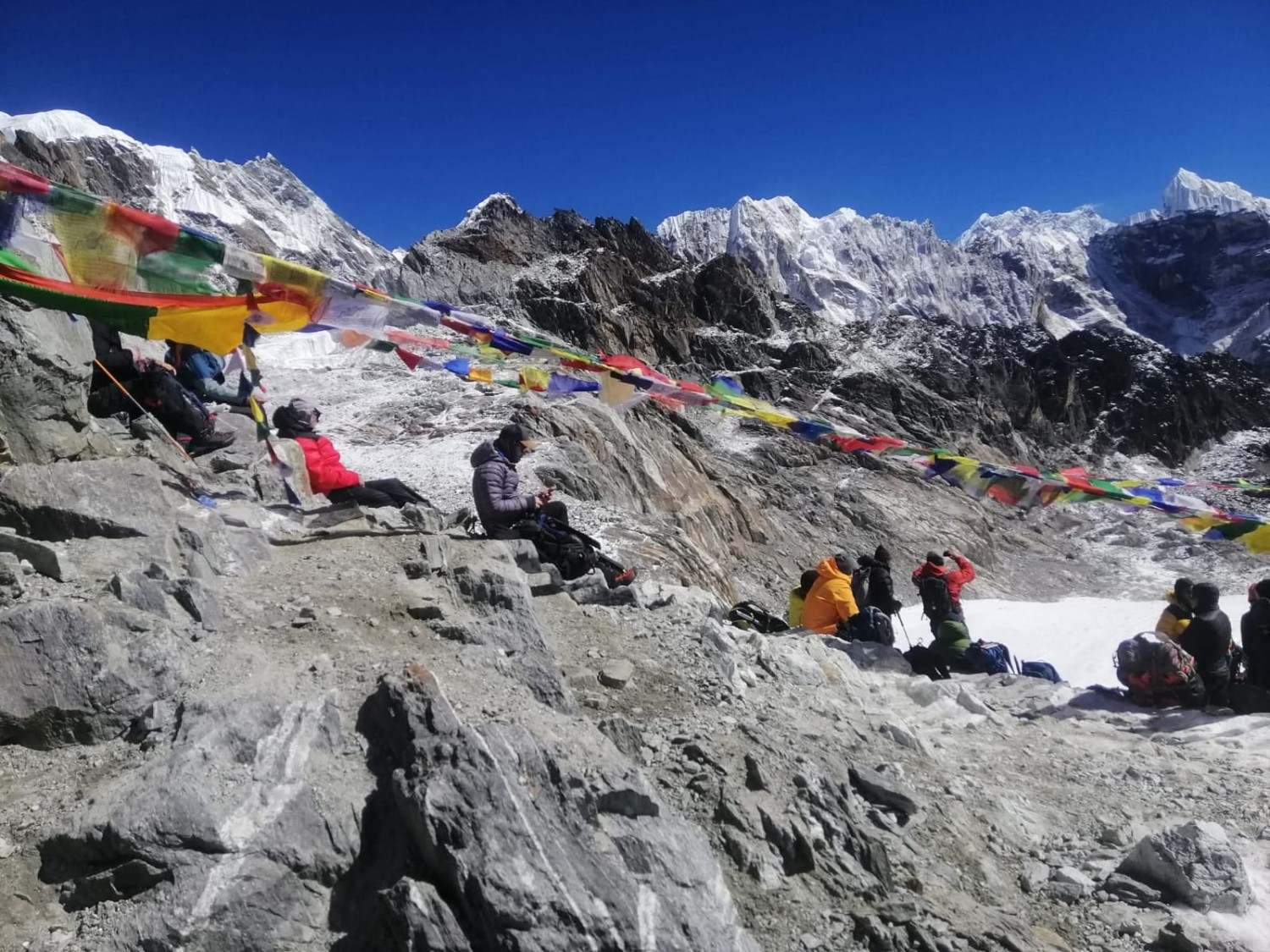
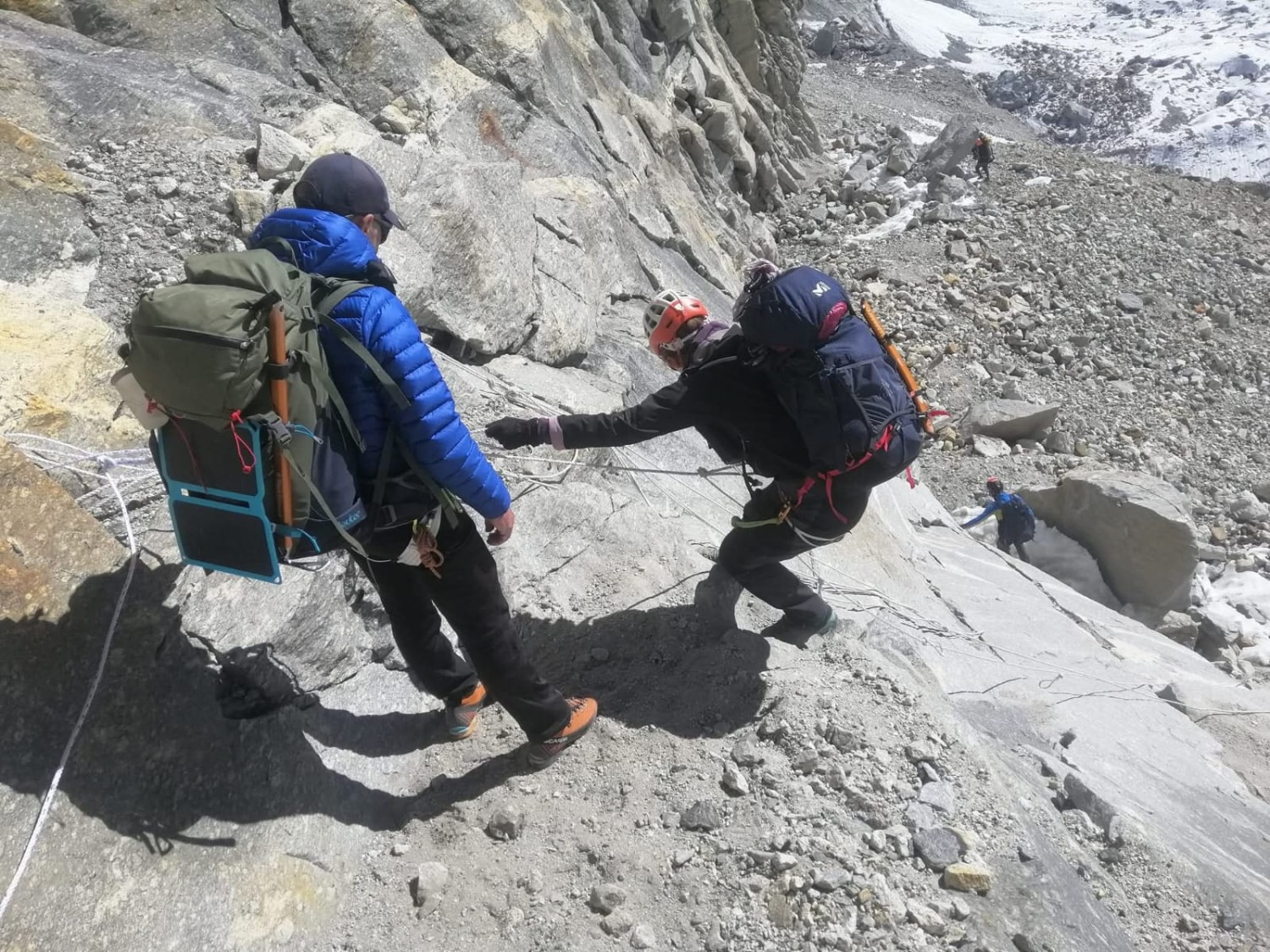
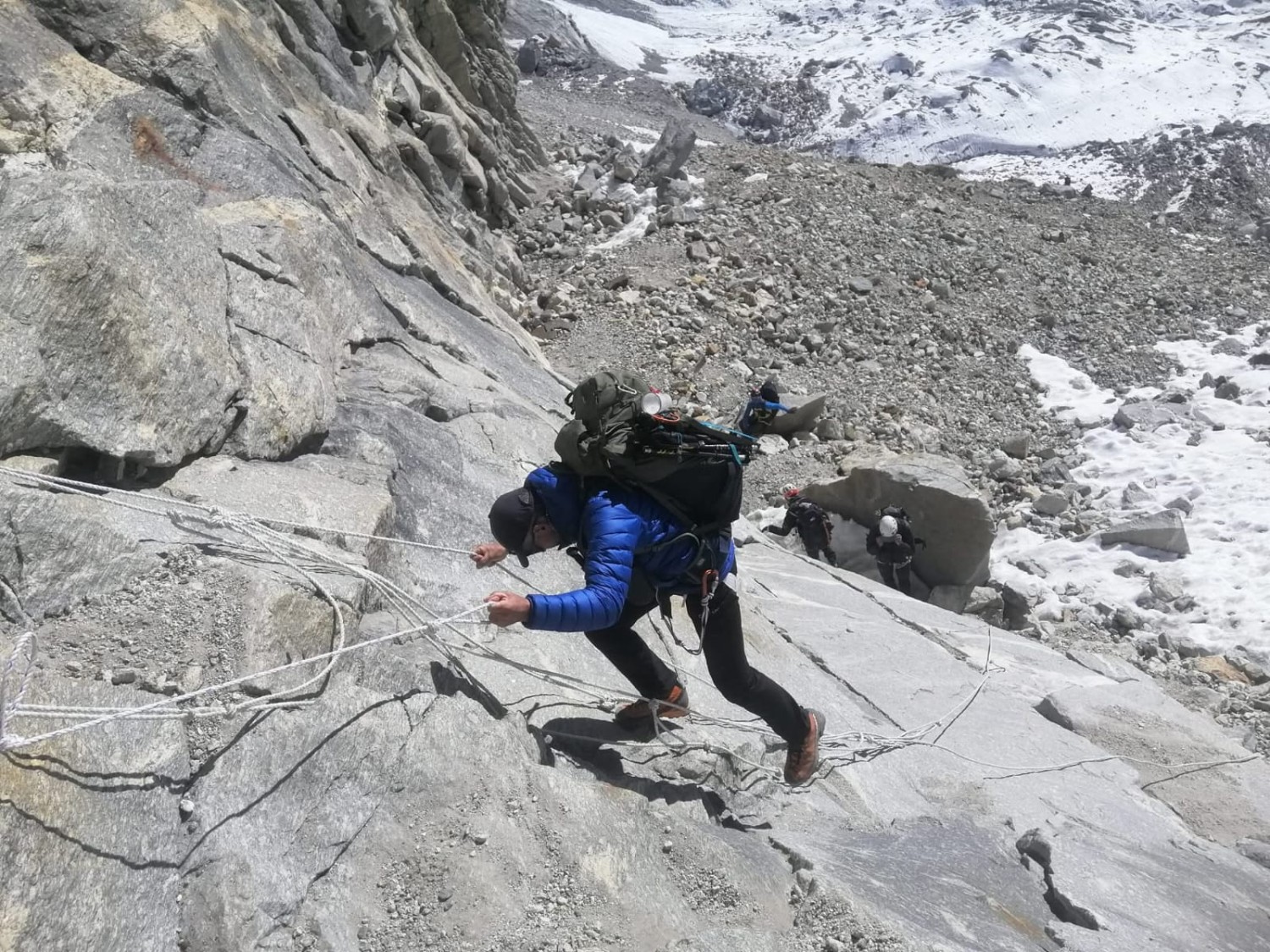
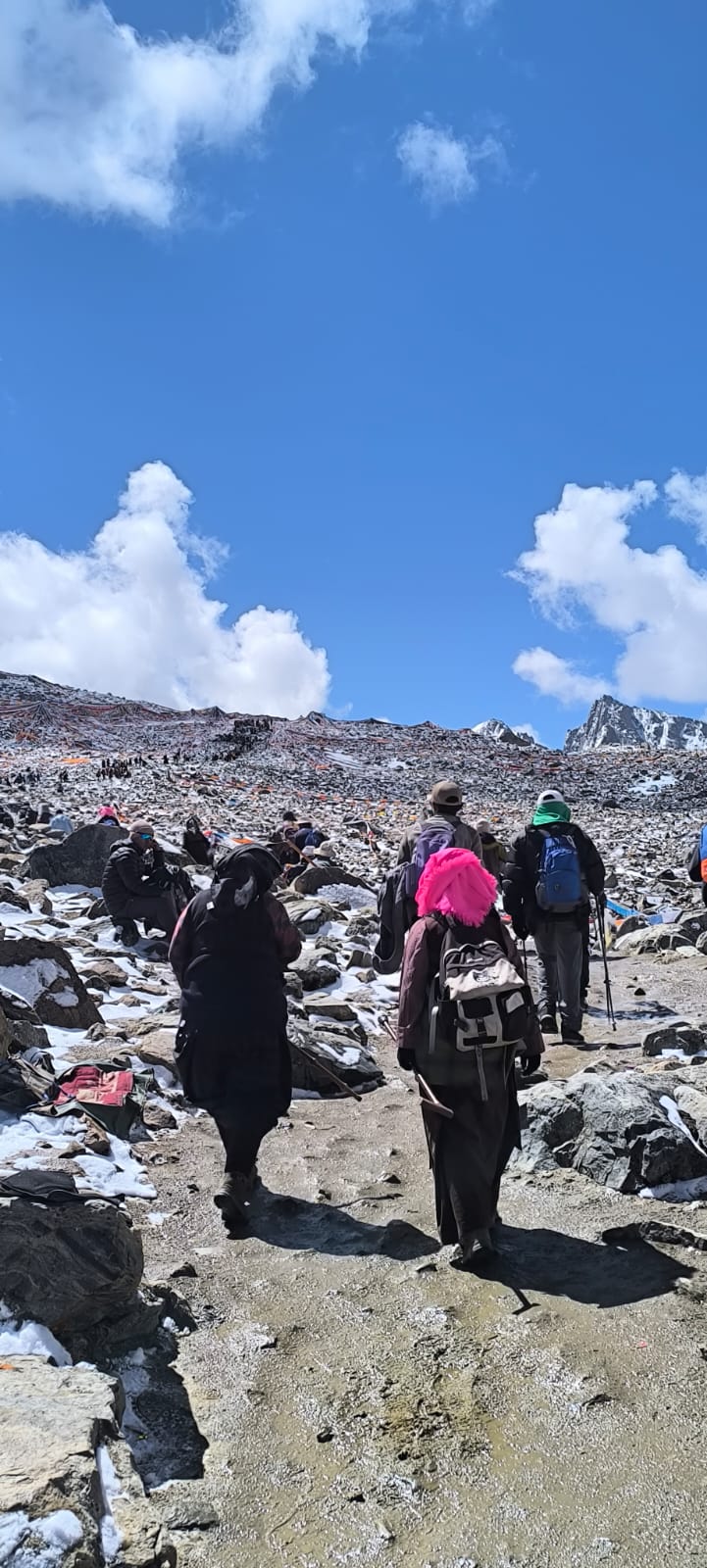
The big day: crossing Tashi Lapcha Pass (5,755 m), one of Nepal’s most challenging trekking passes. The climb involves snow, ice, and sometimes the use of ropes and crampons, depending on conditions. From the pass, the views of Everest, Tengi Ragi Tau, and the Rolwaling peaks are breathtaking. Descend carefully into the Khumbu region, reaching Pachermo High Camp (Tashi Puk). Tonight’s camping is cold and exposed but unforgettable.

Accomodation: Camping
Meals: Breakfast/Lunch/Dinner
Day 11 — Pachermo High Camp to Thame
Down ↓ 1630 m
Elevation 3820 m

After days in rugged wilderness, today feels rewarding as you descend into the green valleys of the Khumbu. The trail passes yak pastures and alpine streams before reaching Thame, a historic Sherpa village famous for its monastery and as the home of renowned Everest climbers. You’ll stay in a comfortable teahouse, enjoy hearty meals, and breathe easier in the thicker air.

Accomodation: Tea House
Meals: Breakfast/Lunch/Dinner
Day 12 — Thame to Namche Bazaar
Down ↓ 380 m
Elevation 3440 m

A short, scenic trek brings you to Namche Bazaar, the vibrant heart of the Khumbu region. The trail follows gentle forest paths with views of peaks like Thamserku and Kongde. Namche is bustling with lodges, bakeries, shops, and internet cafés. After many nights in remote camps, this feels like luxury. Spend the evening exploring the town or relaxing with a fresh coffee and bakery treat.

Accomodation: Lodge
Meals: Breakfast/Lunch/Dinner
Day 13 — Namche Bazaar to Lukla
Down ↓ 600 m
Elevation 2840 m

The final trekking day follows the classic Everest trail downhill through pine forests and Sherpa villages. Prayer wheels, mani walls, and chortens line the path. The trail eventually reaches Lukla, where you’ll celebrate the completion of your trek with your team. A comfortable lodge with good food and hot showers awaits.

Accomodation: Lodge
Meals: Breakfast/Lunch/Dinner
Day 14 — Lukla to Kathmandu (Flight: 35 minutes)
Elevation 1300 m

An early morning scenic flight takes you back to Kathmandu, with sweeping views of the Himalayas. Once in the city, you’ll transfer to your hotel and enjoy modern comforts. This is a great day to relax, shop for souvenirs, or celebrate your achievement with a farewell dinner.

Accomodation: Hotel
Meals: Breakfast/Lunch/Dinner
Cost Includes
  • All required trekking permits, including Rolwaling Restricted Area Permit and TIMS Card
  • Domestic flights (Kathmandu – Lukla/Rolwaling region, if applicable) with airport transfers
  • Accommodation in Kathmandu (3-star hotel) on bed & breakfast basis
  • Full-board meals (breakfast, lunch, dinner) during the Rolwaling Valley trek
  • Accommodation in tea houses or tents along the trekking route
  • Experienced English-speaking guide and necessary porters with wages, meals, insurance, and equipment
  • Complete camping equipment, including tents, kitchen gear, and cooking staff, for remote sections
  • Welcome and farewell dinners in Kathmandu
  • First aid medical kit carried by the guide
  • All government taxes and official service charges
Cost Excludes
  • International flights to/from Nepal
  • Nepal visa fee on arrival
  • Personal trekking equipment (sleeping bag, down jacket, boots, etc.)
  • Extra nights in Kathmandu or transit cities due to flight delays or unforeseen circumstances
  • Meals and drinks in Kathmandu (outside included meals)
  • Travel and medical insurance (must cover high-altitude trekking & emergency evacuation)
  • Personal expenses: snacks, hot showers, laundry, charging, internet, bottled water
  • Emergency evacuation or costs due to weather delays, landslides, or unforeseen circumstances
  • Tips for guides, porters, and support staff (optional but appreciated)
All Information
Equipment Checklist During the Rolwaling Valley Trek

Trekking Equipment Checklist

Trekking in Nepal demands preparation for diverse terrains and unpredictable weather. From warm sunny days to freezing nights, you’ll experience it all. Here’s a category-wise breakdown of everything a trekker should bring:

1. Clothing and Layering System

Layering is key for staying warm, dry, and comfortable. The classic system includes base layers, mid-layers, and outer layers.

Base Layers (Inner Layers)

  • Moisture-wicking T-shirts (2–3 pairs, synthetic or merino wool)

  • Thermal tops and bottoms (1–2 sets, light or midweight)

  • Sports bras (for female trekkers)

  • Quick-dry trekking underwear (3–5 pairs)

Mid Layers (Insulating)

  • Fleece jacket or pullover (1–2)

  • Lightweight down or synthetic insulated jacket

  • Softshell jacket (optional for added warmth)

Outer Layers (Protection)

  • Waterproof and windproof shell jacket (Gore-Tex or similar)

  • Waterproof trekking pants

  • Light windbreaker (optional but useful for lower altitudes)

Trekking Pants and Shorts

  • Convertible trekking pants (2 pairs)

  • Lightweight hiking shorts (1 pair)

  • Thermal trekking tights (for cold days)

Headwear and Handwear

  • Sun hat or cap

  • Beanie or wool hat (for high-altitude cold)

  • Neck gaiter or buff (useful against wind and dust)

  • Lightweight gloves

  • Insulated waterproof gloves (for colder sections)

2. Footwear

Your feet are your best friends in the Himalayas. Good-quality trekking shoes can make or break your trek.

Trekking Footwear

  • High-ankle waterproof trekking boots (well broken-in)

  • Lightweight camp shoes or sandals (for evenings and tea houses)

  • Warm socks (2 pairs of wool or synthetic blend)

  • Liner socks (2 pairs, to prevent blisters)

  • Gaiters (optional, for snow or dusty trails)

3. Backpacks and Bags

Main Backpack

  • 50–70L trekking backpack (with rain cover)

  • Padded hip belt and adjustable straps for comfort

Daypack

  • 25–35L daypack (for daily essentials, snacks, and water)

  • Rain cover for daypack

Duffel Bag (Optional)

  • 70–90L duffel bag (if porters carry your gear; usually provided by trekking agencies)

Dry Bags & Organizers

  • Waterproof dry bags (for electronics, clothes)

  • Packing cubes (for organization)

4. Sleeping Gear

Even though tea houses provide basic bedding, extra insulation ensures comfort.

  • 4-season sleeping bag (rated to -10°C to -20°C)

  • Sleeping bag liner (optional but adds warmth)

  • Inflatable pillow or small travel pillow

  • Lightweight sleeping mat (if camping trek)

5. Eating and Drinking Essentials

Hydration and hygiene are vital for high-altitude trekking.

  • Reusable water bottles (2 x 1L capacity)

  • Hydration bladder (CamelBak style, optional)

  • Water purification tablets or filter (Aquamira, Lifestraw, or Steripen)

  • Mug/cup (for tea/coffee)

  • Spoon, fork, or spork

  • Energy bars, trail mix, or chocolates (snack reserves)

6. Personal Hygiene and Toiletries

Keep it light and eco-friendly—avoid disposable plastics when possible.

  • Biodegradable soap or body wash

  • Toothbrush and toothpaste

  • Small quick-dry towel

  • Wet wipes / baby wipes

  • Hand sanitizer

  • Toilet paper (carry spare rolls)

  • Lip balm with SPF

  • Sunscreen (SPF 50+)

  • Moisturizer (for face and hands)

  • Deodorant

  • Razor and small mirror

  • Feminine hygiene products (for female trekkers)

  • Nail cutter and small comb

7. Health and First Aid Kit

Always carry a personal medical kit, even if trekking with a guide.

Essential Medicines

  • Diamox (for altitude sickness prevention)

  • Paracetamol / Ibuprofen (pain relief)

  • Anti-diarrheal tablets (Imodium)

  • Oral rehydration salts (ORS)

  • Antiseptic cream

  • Band-aids, moleskin, and blister plasters

  • Gauze, medical tape, and scissors

  • Water purification tablets

  • Cough drops / lozenges

  • Personal prescription medicines

  • Mosquito repellent (for lower altitudes)

8. Trekking Equipment & Accessories

  • Trekking poles (lightweight, adjustable)

  • Headlamp with extra batteries

  • Sunglasses (UV-protected, polarized)

  • Power bank (10,000 mAh or higher)

  • Camera or GoPro (optional)

  • Extra memory cards

  • Binoculars (optional for wildlife spotting)

  • Multi-tool or small knife

  • Duct tape (for emergency repairs)

  • Lighter or waterproof matches

  • Notebook and pen

  • Small padlock (for your duffel or room)

  • Travel adapter (Type C/D for Nepal)

  • Portable charger/solar panel (useful for long treks)

9. Camping Gear (for camping treks)

(Optional – if your trek is not teahouse-based)

  • Tent (4-season or 3-season, depending on route)

  • Sleeping mat or foam pad

  • Camping stove and fuel

  • Lightweight cooking pot

  • Matches/lighter and fire starter

  • Reusable cutlery and utensils

10. Important Documents and Money

  • Valid passport (with Nepali visa)

  • Passport-size photos (for permits)

  • Trekking permits (TIMS, Sagarmatha/Annapurna Conservation Permits)

  • Travel insurance (covering high-altitude evacuation)

  • Copies of passport and insurance

  • Cash in Nepali rupees (ATMs are unreliable in mountain regions)

  • Credit/debit cards (for Kathmandu or Pokhara)

  • Emergency contact information

  • Flight tickets and itinerary

11. Optional Comfort Items

  • Reading book or Kindle

  • Playing cards or small games

  • Lightweight scarf or shawl

  • Small Bluetooth speaker

  • Snacks from home (protein bars, instant coffee)

  • Massage ball or roller for sore muscles

12. Packing Tips for Nepal Trekking

  • Pack light but smart – Porters usually carry up to 15–20 kg.

  • Use waterproof bags – Protect valuables from rain or snow.

  • Label your items – Especially useful if you have porters.

  • Avoid cotton – It retains moisture; use synthetic or wool materials instead.

  • Test your gear before departure – Don’t bring brand-new boots or backpacks you haven’t used.

Trekking Insurance for Rolwaling Valley Trek

Trekking in Nepal is an adventure of a lifetime, but it also comes with risks — from sudden altitude sickness to unpredictable weather or even flight cancellations. That’s why travel insurance is not just recommended — it’s absolutely essential for all trekkers.

Why You Need Trekking Insurance

Nepal’s trekking trails often reach remote and high-altitude regions like Everest Base Camp, Annapurna Circuit, or Manaslu, where medical facilities are limited. In emergencies, helicopter evacuation may be the only way to get help — and it can cost anywhere between USD 3,000 to USD 7,000 depending on the rescue location.

Having the right insurance ensures that:

  • You receive immediate medical evacuation in case of serious altitude sickness or injury.

  • Your hospital treatment and medicines are covered.

  • You are compensated for trip interruptions, delays, or lost luggage.

  • You have peace of mind throughout your journey.

What Your Insurance Should Cover

When purchasing trekking insurance, make sure it includes the following:

1. High-Altitude Coverage

  • Your policy must clearly cover trekking above 5,000 meters (e.g., Everest Base Camp is 5,364m, Island Peak is 6,189m).

  • Some insurance plans exclude high-altitude activities, so always double-check before buying.

2. Emergency Medical Evacuation

  • Helicopter rescue and air evacuation should be explicitly mentioned in your policy.

  • Look for coverage up to at least USD 100,000 for medical and evacuation purposes.

3. Trip Cancellation or Interruption

  • Covers refunds if your trek is canceled due to illness, weather issues, or other emergencies.

4. Lost or Delayed Luggage

  • Especially useful if your trekking gear doesn’t arrive on time.

5. Personal Liability

  • Covers damages or injuries accidentally caused by you during the trek.

Recommended Insurance Providers for Trekkers

Some globally recognized companies known for high-altitude trekking coverage include:

  • World Nomads – Great for adventure travelers (covers high altitudes and helicopter evacuation).

  • Allianz Travel Insurance – Good for comprehensive trip protection.

  • Global Rescue – Excellent for rescue operations in remote areas.

  • True Traveller (for EU citizens) – Offers solid high-altitude coverage.

  • AXA Assistance – Reliable global provider for general and adventure travel.

(Note: Always verify coverage and terms according to your nationality and travel destination before purchasing.)

Documents You Should Keep

  • A printed and digital copy of your insurance policy.

  • Emergency contact number of your insurance provider.

  • Details of your policy number and coverage limits.

  • Keep these copies with your guide or trekking company, as it helps in case of an emergency.

Tips for Porter and Guides

Porters are truly the unsung heroes of Nepal’s trekking industry. They carry heavy loads through steep trails, help manage logistics, and ensure your journey to the Himalayas is as comfortable as possible. Without their hard work, many treks — including Everest Base Camp, Annapurna Circuit, and Manaslu — would be impossible for most travelers.

Because of their crucial role, it’s important to understand how much to tip porters, how wages work, and how to treat them fairly and respectfully throughout the journey.

1. Porter Wages and Working Conditions

Trekking porters in Nepal typically earn daily wages based on the region, trek length, and company policy.

Here’s a general overview:

Region Average Daily Wage (in NPR) Equivalent in USD (approx.)
Everest / Annapurna / Rolwaling Min NPR 3000 per day USD 30
Langtang / Manaslu / Mustang Min NPR 3000 per day USD 30
Short Treks (3–5 days) Min NPR 3000 per day USD 30

Wages usually include food, accommodation, and insurance (if you’re trekking with a registered company).

Wages do not include personal equipment — so make sure your trekking agency ensures your porters are properly equipped with warm jackets, boots, and gloves.

2. How Much to Tip Porters (and Guides)

Tipping in Nepal is customary and expected — not mandatory, but it’s a meaningful way to show gratitude for their hard work in often challenging conditions.

Recommended Tipping Range

Here’s a practical guideline for trekkers joining organized treks with guides and porters:

Trekking Staff Recommended Tip per Day (per Trekker) Example (12-Day Trek)
Porter USD 2 per day USD 24 total
Assistant Guide & Kitchen Helper USD 4 per day USD 48 total
Main Guide USD 10 – 15 per day USD 120 – 180 total
Main Cook USD 5 per day USD 60 total

Example:
If you’re on a 12-day Everest Base Camp Trek with 1 guide and 1 porter, tipping around USD 100–120 for the guide and USD 60–80 for the porter is considered fair and respectful.

Group Tipping Option

If you’re trekking in a group, it’s best to collect all tips together and present them as a group gesture at the end of the trek.
This ensures fairness and avoids confusion about who gets what.

Tip etiquette: Always hand over tips at the end of the trek — in a private and respectful way, preferably inside an envelope. Avoid giving money in public to prevent comparison or misunderstanding among staff.

3. Ethical Guidelines for Trekkers Regarding Porters

Tipping is just one part of ethical trekking. Responsible trekkers also ensure their porters are treated with respect, safety, and dignity.

Treat Porters Fairly

  • Respect their limits: A porter should carry a maximum of 20–25 kg (including personal items).

  • If your baggage exceeds this, consider hiring an extra porter instead of overloading one.

  • Don’t make them rush or walk far ahead — pace should match the group.

Provide Proper Gear

Always make sure your trekking company:

  • Supplies porters with warm clothes, gloves, waterproof jackets, boots, and sunglasses.

  • Provides accommodation, meals, and insurance for them throughout the trek.

  • Ensures safe sleeping arrangements (especially during cold nights in high-altitude regions).

Look After Their Wellbeing

  • Check regularly if your porter is feeling well, especially above 3,000 meters.

  • If they show symptoms of altitude sickness (headache, nausea, fatigue), do not pressure them to continue — let them rest or descend.

  • Encourage guides to treat them as equals, not just staff.

4. When and How to Tip Porters

Timing and presentation matter — it’s about appreciation, not just money.

When to Tip

  • At the end of the trek, usually after the final dinner or farewell ceremony.

  • Avoid giving tips early in the trek; it’s better to do it once you’ve completed the journey together.

How to Tip

  • Place the tip in an envelope or small pouch for a more professional gesture.

  • Hand it personally with a smile, handshake, or a simple “Dhanyabad” (Thank you in Nepali).

  • If your porter doesn’t understand English, your guide can help translate your gratitude.

5. Other Ways to Appreciate Porters

Money isn’t the only way to show respect. Small acts of kindness often mean just as much:

  • Share tea or snacks during breaks.

  • Offer warm clothes or trekking gear you no longer need (jackets, gloves, socks, etc.).

  • Include them in group photos — they love being remembered as part of your journey.

  • Leave positive feedback mentioning your porter’s name on Google or TripAdvisor; it helps them get more jobs in the future.

6. Quick Summary: Porter Tipping and Ethics

Aspect Recommendation
Daily Wages USD 30 depending on region
Tip Range USD 5–10 per day per trekker
Load Limit Max 20–25 kg per porter
When to Tip At trek completion, in private
Additional Gestures Share tea, donate used gear, give verbal appreciation
Respect & Care Ensure fair treatment, proper gear, and safety

Final Note

Your porters play a huge part in making your trek safe, comfortable, and enjoyable. A fair tip, a kind word, or a small gesture of appreciation shows that you value their effort and humanity.

When you treat them well, you don’t just finish your trek — you build a meaningful connection with the mountain community that makes Nepal’s trekking culture so special.

FAQs

The Rolwaling Valley Trek is a moderately to highly challenging trek. It involves long trekking days, steep ascents and descents, and crossing high passes like Tashi Lapcha Pass. Trekkers should have prior high-altitude trekking experience, good physical fitness, and the ability to walk 6–8 hours daily in rugged terrain.

The ideal seasons are spring (March–May) and autumn (September–November). Spring offers vibrant rhododendron forests and clear skies, while autumn brings crisp air and stable weather, perfect for trekking in high-altitude areas. Winter and monsoon are not recommended due to snow, icy trails, and landslides.

Yes. The Rolwaling Valley Trek reaches high elevations above 5,000m, requires crossing challenging passes, and includes camping in remote areas. Previous trekking experience in Nepal’s Himalayas, such as Everest Base Camp or Annapurna Circuit, is highly recommended.

Accommodation is a mix of tea houses and camping. Lower elevations have simple tea houses with basic meals and lodging. Higher and remote areas require camping with a full support team providing tents, kitchen gear, and meals. This setup ensures comfort while trekking in isolated regions.

Daily trekking averages 6–8 hours, with some high pass days taking up to 9–10 hours. Trekkers are encouraged to maintain a steady pace with regular breaks for meals, acclimatization, and photography. The trail includes forests, river valleys, glaciers, and rugged mountain ridges.

Yes, acclimatization is essential. The trek crosses elevations above 5,000m, where altitude sickness is possible. The itinerary includes acclimatization days, and trekkers are advised to drink plenty of water, walk slowly, and rest adequately to minimize altitude-related risks.

Trekkers need:

  • Rolwaling Restricted Area Permit

  • TIMS Card (Trekkers’ Information Management System)

These permits are mandatory to enter restricted and protected regions, and your trekking agency will arrange them prior to departure.

During tea house sections, meals include Nepali staples like dal bhat, noodles, soups, and bread. During camping days, the crew prepares fresh meals, including vegetarian options, to maintain energy for high-altitude trekking. Hot drinks such as tea, coffee, and soup are provided regularly.

Due to its remote location and technical sections, solo trekking is not recommended. It’s safer to trek with a licensed guide, porters, and support team, especially for camping days and high pass crossings. Solo trekkers may face challenges due to unpredictable weather, limited facilities, and high-altitude risks.

Rolwaling Valley Trek – 14 Days

Trekking & Hiking Adventure

Region Everest Region

ASSOCIATED WITH

Tourism Board
Nepal Government
Keep
NMA Nepal
TAAN

WE ACCEPT