


Your Journey, Our Expertise...
Menu

Chulu East Peak Climbing

16 Days • Strenuous • Best season: Autumn/ Spring
Chulu East Peak Climbing

Overview

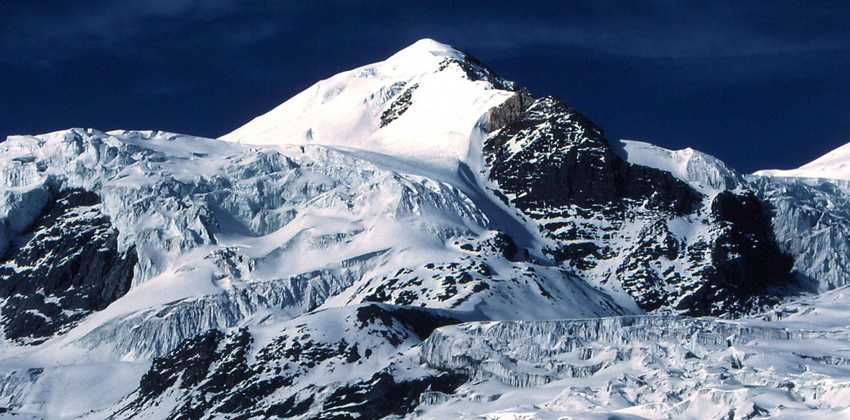
Chulu East Peak Climbing (6,584m / 21,601 ft) is one of the most popular trekking peaks in the Annapurna region, offering the perfect combination of Himalayan adventure, cultural exploration, and high-altitude mountaineering. Over 16 days, this journey takes you through lush valleys, terraced farmlands, and vibrant Gurung and Manangi villages before leading you into the alpine landscapes of the Annapurna Conservation Area.

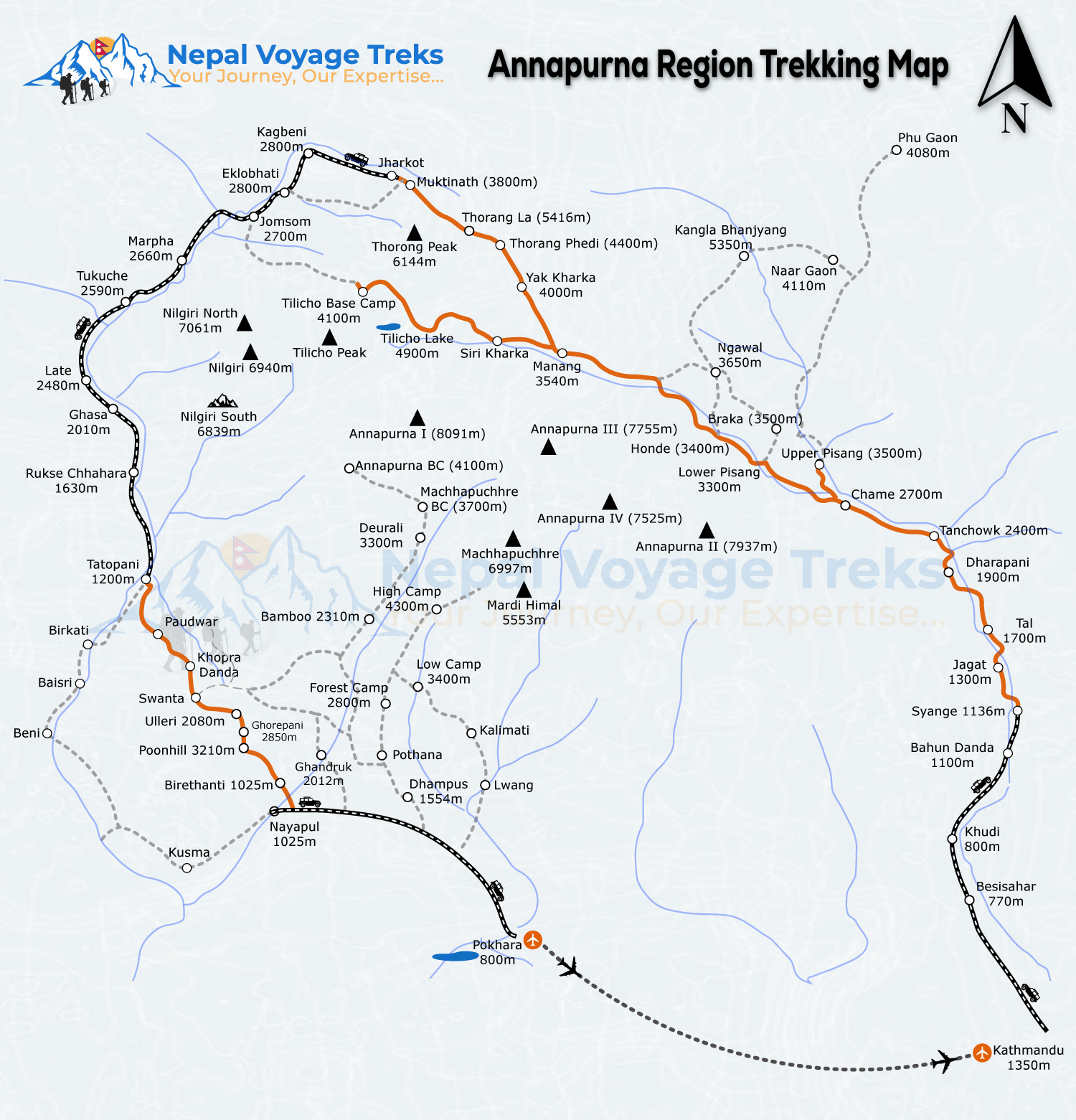
The climb to Chulu East Peak is both challenging and rewarding. It is ideal for trekkers who have previous high-altitude trekking experience and a desire to push beyond traditional trekking routes. The peak lies close to the famous Annapurna Circuit Trail, which means climbers also get to enjoy one of Nepal’s most legendary treks while preparing for the summit. The route includes crossing Thorong La Pass (5,416m), one of the highest trekking passes in the world, making the adventure even more memorable.

This 16-day journey is carefully designed for acclimatization and safety, with gradual altitude gain and rest days in places like Manang. Along the way, you’ll explore the cultural heartland of the Manang Valley, home to Tibetan-influenced villages, monasteries, and age-old traditions. Once at the base camp, you’ll receive training on the use of climbing gear such as ropes, harnesses, crampons, and ice axes to ensure a secure climb.

The final summit push is physically demanding but incredibly rewarding. From the top of Chulu East, climbers are rewarded with wide Himalayan views of Annapurna I, Annapurna II, III, IV, Gangapurna, Manaslu, Dhaulagiri, and Tilicho Peak. The sense of achievement standing above 6,500 meters is unmatched, and the memories of both mountain grandeur and cultural richness will last a lifetime.

The adventure concludes by rejoining the Annapurna Circuit trail, crossing the famous Thorong La Pass, and descending towards the sacred site of Muktinath before heading to Jomsom and finally back to Kathmandu. With the blend of cultural immersion, challenging trekking, and high-altitude mountaineering, Chulu East Peak Climbing is one of the best Himalayan expeditions for those seeking a balanced experience of Nepal’s mountains and traditions.

Major Highlights of Chulu East Peak Climbing – 16 Days

  • Summit of Chulu East Peak (6,584m / 21,601 ft): A rewarding Himalayan climbing experience with wide views of Annapurna, Manaslu, Dhaulagiri, and Tilicho Peak.
  • Blend of trekking and climbing: Follow the legendary Annapurna Circuit Trail while preparing for the summit.
  • Thorong La Pass (5,416m): Cross one of the highest trekking passes in the world, adding extra thrill to the adventure.
  • Cultural encounters: Explore the Manang Valley, rich in Tibetan-influenced culture, monasteries, and traditional villages.
  • Technical climbing experience: Learn and practice mountaineering skills using ropes, crampons, and ice axes at base camp.
  • Gradual acclimatization: Well-planned itinerary with rest days in high-altitude villages to ensure safety and comfort.
  • Sacred sites: Visit Muktinath Temple, an important pilgrimage destination for both Hindus and Buddhists.
  • Scenic flight from Jomsom: Enjoy an exciting flight back to Pokhara through the dramatic Kali Gandaki Gorge.
  • Balanced adventure: A journey combining cultural exploration, high-altitude trekking, and peak climbing in one package.

Chulu East Peak Climbing

Trekking & Hiking Adventure

Region Annapurna Region
Duration 16 Days
Grade Strenuous
Meal B/L/D
Group Size 1-30
Accomodation Hotel/Lodge
Best Season Autumn/ Spring
Start/End Kathmandu
Max Altitude 6419
Activity Climbing
Day 1 — Arrival in Kathmandu
Elevation 1350 m

Upon arrival at Tribhuvan International Airport in Kathmandu, travelers are warmly welcomed by their guide and driver. After clearing immigration and collecting luggage, you’ll be transferred to your hotel in the city, where you can rest, refresh, and recover from your international flight. Depending on your arrival time, you may have the opportunity to explore the vibrant streets of Thamel, the main tourist hub, or enjoy a traditional Nepali meal at a local restaurant.

Kathmandu, the capital of Nepal, is a fascinating city that blends ancient culture with modern life. You’ll notice the bustling markets, colorful temples, prayer flags fluttering in the wind, and historic architecture as you walk through its streets. This day is primarily for adjusting to the city’s rhythm, resting, and preparing for your upcoming trekking adventure or sightseeing tour. Your guide will also provide a briefing on the trek ahead, including tips on packing, acclimatization, and local customs. Overnight stay is at a comfortable hotel in Kathmandu, offering a convenient base to begin your Nepal journey.

Accomodation: Hotel
Meals: Lunch & Dinner
Day 2 — Preparation & Briefings in Kathmandu
Elevation 1350 m

After breakfast at your hotel, the day is dedicated to preparing for your upcoming trek and optional Kathmandu sightseeing. Your guide will assist you with checking trekking gear, reviewing your itinerary, discussing acclimatization tips, and answering any last-minute questions to ensure you’re fully prepared for the adventure ahead.

For sightseeing, Kathmandu offers a wealth of cultural and historical attractions, including Swayambhunath (Monkey Temple), Boudhanath Stupa, Pashupatinath Temple, and the vibrant streets of Thamel. These visits provide a glimpse into Nepal’s rich heritage, spirituality, and local life, allowing travelers to connect with the country before setting off on the trek.

Note: You can choose to enjoy Kathmandu sightseeing either before your trek or after it concludes. Please note that only one day of sightseeing is included in your package. If you wish to explore the city on both days, additional costs may apply. This allows you to experience the highlights while keeping your trek schedule comfortable and focused.

Overnight stay is at a comfortable hotel in Kathmandu, giving you a chance to rest, enjoy city views, and finalize preparations for the adventure ahead.

Accomodation: Hotel
Meals: Breakfast, Lunch & Dinner
Day 3 — Drive from Kathmandu to Dharapani
Ups ↑ 460 m
Down ↓ 000 m
Elevation 1860 m
Distance ⟺ 180 km

The day begins early with a private vehicle transfer from Kathmandu toward Dharapani (1,860 m / 6,102 ft), the gateway to the Manang region and the starting point of your Chulu East Peak adventure. Leaving the bustling city behind, the road passes through the suburban outskirts, quickly transitioning into rolling hills and terraced farmland, dotted with small villages where locals tend to their livestock and crops.

The drive follows the Araniko and Prithvi Highways, then branches off toward Besisahar, the starting point of the Marsyangdi Valley route. Along the way, trekkers are treated to stunning views of terraced rice fields, dense pine forests, and gushing rivers. The Marsyangdi River, turquoise and lively, runs parallel to the road for long stretches, framed by towering green hills and occasional waterfalls cascading down rocky cliffs. Small suspension bridges, glacial tributaries, and riverside villages like Bhulbhule and Jagat make perfect spots for photographs or a short tea break.

As you climb higher into the Marsyangdi valley, the scenery transitions into a mix of oak and rhododendron forests, with occasional glimpses of the snow-capped Annapurna range on clear days. Dharapani itself is a quaint Himalayan village, peaceful and less crowded than the popular trekking hubs further along the route. The village is nestled near the confluence of small streams and surrounded by hills that frame the distant white peaks, offering trekkers their first taste of high-altitude Himalayan landscapes. Evening is spent relaxing at a cozy lodge, enjoying Nepalese dal-bhat and local tea, while your guides brief you about the trekking days ahead.

Accomodation: Lodge
Meals: Breakfast, Lunch & Dinner
Duration: 7-9 hours
Day 4 — Trek from Dharapani to Chame
Ups ↑ 810 m
Down ↓ 000 m
Elevation 2670 m
Distance ⟺ 13 km

The day starts early in the peaceful village of Dharapani (1,860 m / 6,102 ft) after a hearty Nepalese breakfast of dal-bhat and tea. The trek begins with a gentle ascent along the Marsyangdi River valley, following a well-trodden trail that meanders through forests, small villages, and terraced fields. The sound of the Marsyangdi River rushing below accompanies every step, creating a calming rhythm as you walk deeper into the valley.

After crossing the first suspension bridge, the trail climbs steadily past traditional Himalayan villages like Bagarchhap and Dhukur Pokhari, where stone houses with colorful prayer flags reflect local culture. Along the way, trekkers are treated to panoramic views of Annapurna II, Lamjung Himal, and Manaslu in the distance, their snow-covered peaks glistening in the morning sun. The trail weaves through oak, rhododendron, and pine forests, with occasional open clearings offering photo-worthy views of the surrounding valley and river below.

Reaching Chame (2,670 m / 8,760 ft) by early afternoon, the village welcomes trekkers with tea houses and lodges nestled amidst terraced fields. Chame is the administrative center of the Manang district, offering a small bazaar where trekkers can pick up snacks, trekking essentials, and local handicrafts. Here, the views of Lamjung Himal and Annapurna II are especially striking, making it a perfect spot to pause, breathe, and soak in the Himalayan panorama. Evening is spent at a comfortable lodge, enjoying local cuisine and preparing for the gradual ascent to higher altitudes the following day.

Accomodation: Lodge
Meals: Breakfast, Lunch & Dinner
Duration: 5-6 hours
Day 5 — Trek from Chame to Upper Pisang
Ups ↑ 630 m
Down ↓ 000 m
Elevation 3300 m
Distance ⟺ 10 km

After a restful night at a lodge in Chame (2,670 m / 8,760 ft) and a traditional Nepalese breakfast, the trek to Upper Pisang begins. The trail gradually ascends along the Marsyangdi River valley, offering continuous views of Annapurna II and Lamjung Himal. The path is a mix of stone-paved steps, dirt trails, and forested sections, weaving through oak and rhododendron forests. Trekkers will notice small streams feeding into the Marsyangdi River and the occasional waterfall cascading down the hillsides, creating refreshing spots to pause and take photos.

The trail passes through Chame village outskirts, climbing gently along the river before branching toward Pisang lower village, with traditional stone houses decorated with prayer flags. From here, the trail climbs steeply through terraced fields, giving trekkers spectacular views of Pisang Peak and Annapurna II. Small suspension bridges over trickling tributaries mark scenic points along the way. As you approach Upper Pisang (3,300 m / 10,827 ft), the trail hugs the hillsides, offering breathtaking panoramas of the Manang valley below and distant peaks. The village itself is perched on a ridge, surrounded by prayer flags and traditional Tibetan-style houses, offering a perfect spot for photos, rest, and cultural immersion. Evening is spent at a lodge, enjoying warm meals and preparing for the next day’s trek toward Ngawal.

Accomodation: Lodge
Meals: Breakfast, Lunch & Dinner
Duration: 5-6 hours
Day 6 — Trek from Upper Pisang to Nagwal or Manang
Ups ↑ 240 m
Down ↓ 000 m
Elevation 3550 m
Distance ⟺ 12 km

The day begins after a hearty breakfast at the lodge in Upper Pisang (3,300 m / 10,827 ft). The trail starts with a gentle climb through terraced fields, soon entering dense pine and rhododendron forests that provide shade and a refreshing atmosphere. Trekkers will pass small streams and irrigation channels carved through the hillside, which glimmer under the morning sun. The views of Pisang Peak, Annapurna II, and Lamjung Himal remain constant companions, growing more dramatic as you climb.

The trail soon approaches Ngawal village (3,550 m / 11,646 ft), a quaint settlement with traditional stone houses adorned with prayer flags. Here, trekkers can stop for a tea break at a local lodge, soaking in the serene valley views and glimpses of the Marsyangdi River winding below. From Ngawal, the trek continues toward Manang village (3,540 m / 11,614 ft). The trail passes fields of barley and buckwheat, small mani walls, and tiny shrines, reflecting the strong Tibetan Buddhist influence in the region.

Arriving in Manang, trekkers are greeted by the majestic panorama of the Annapurna and Gangapurna ranges, along with the snowy peaks of Tilicho and Chulu East in the distance. The village offers several comfortable lodges and tea houses, where trekkers can enjoy a warm meal and rest. Evening is perfect for a gentle stroll around the village, visiting the small local monastery, observing traditional architecture, and preparing for acclimatization and higher-altitude trekking ahead.

Accomodation: Lodge
Meals: Breakfast, Lunch & Dinner
Duration: 5-6 hours
Day 7 — Rest and Acclimatization Days at Manang
Ups ↑ 250 m
Down ↓ 250 m
Elevation 3540 m
Distance ⟺ 4-6 km

After several days of steady trekking, Day 7 in Manang (3,540 m / 11,614 ft) is dedicated to rest and acclimatization. Trekkers wake up to the majestic view of Annapurna II, Gangapurna, and Chulu East, the peaks glittering in the morning sun. This day is essential to adjust to high altitude, reducing the risk of altitude sickness before heading toward higher passes and Chulu East Base Camp.

For acclimatization, trekkers can take short hikes to nearby viewpoints. A popular option is a gentle walk to the village outskirts, offering panoramic views of Tilicho Peak, the Gangapurna glacier, and the Annapurna range. Along the way, trekkers pass stone mani walls, small shrines, and terraced barley fields, all reflecting the rich Tibetan Buddhist culture of the region. The local village itself is picturesque, with traditional stone houses, prayer flags fluttering in the wind, and cozy lodges where trekkers can enjoy warm meals, tea, and snacks.

Evenings are spent relaxing at the lodge, interacting with fellow trekkers, or taking a short stroll around Manang village to observe the daily life of locals and their livestock. This day not only allows the body to acclimatize but also offers a chance to soak in the beauty of Manang Valley, capturing memorable photographs of glaciers, peaks, and the serene Himalayan environment.

Accomodation: Lodge
Meals: Breakfast, Lunch & Dinner
Duration: 3-5 hours
Day 8 — Trek from Manang to Yak Kharka/ Ledar
Ups ↑ 510 m
Down ↓ 000 m
Elevation 4050 m
Distance ⟺ 10 km

After a restful acclimatization day in Manang (3,540 m / 11,614 ft), the trek continues uphill toward Yak Kharka (4,050 m / 13,287 ft) or Ledar, depending on your pace and itinerary. The trail begins with a gentle climb along the Marsyangdi River valley, gradually opening into a high alpine landscape with sparse vegetation, glacial streams, and scattered yak pastures. The morning air is crisp, and trekkers are rewarded with close-up views of Gangapurna, Annapurna III, and Tilicho Peak as the trail ascends.

Along the way, you’ll pass traditional mani walls, prayer flags, and small shrines, signs of the Tibetan Buddhist culture that thrives at high altitudes. Yak herders may be seen tending their animals, adding authenticity to the Himalayan trekking experience. The trail is moderately challenging, with a combination of stone steps, rocky paths, and occasional scree sections.

Arriving at Yak Kharka (4,050 m / 13,287 ft), trekkers are greeted by open meadows dotted with yak herders’ shelters, offering panoramic views of surrounding snow-capped peaks. Lodges here provide warm meals, tea, and a cozy resting spot before the trek continues toward Chulu East Base Camp in the coming days. The evening is calm and serene, with incredible sunsets casting golden light over Annapurna and Tilicho ranges, perfect for photos and reflection.

Accomodation: Lodge
Meals: Breakfast, Lunch & Dinner
Duration: 4-5 hours
Day 9 — Trek to Chulu Far East Base Camp/ High Camp
Ups ↑ 1000 m
Down ↓ 000 m
Elevation 5050 m
Distance ⟺ 8-9 km

After breakfast at Yak Kharka / Ledar (4,050 m / 13,287 ft), the trek continues toward Chulu Far East Base Camp / High Camp (approx. 5,050 m / 16,568 ft). Today’s trail is steeper and more rugged, winding through high-altitude alpine terrain with rocky paths, glacial streams, and scattered boulders. The landscape gradually transitions into a glacial moraine environment, giving trekkers a real sense of adventure as the mountains tower closer with every step.

Along the way, trekkers pass prayer flags fluttering in the strong mountain wind, small shrines, and occasional yak grazing spots. The surrounding peaks—Chulu East, Annapurna III, Gangapurna, and Tilicho—loom impressively, providing endless photo opportunities. The trail includes some loose scree sections, so careful footing is essential. Short breaks are recommended to enjoy the panoramic Himalayan vistas, hydrate, and acclimatize.

Reaching Chulu Far East Base Camp / High Camp, trekkers are greeted by dramatic views of steep ridges and snowfields leading up to Chulu East summit. Lodges or tents (depending on group arrangements) provide warm meals and a chance to rest, preparing climbers for the challenging summit attempt the next day. Evening light bathes the peaks in golden hues, offering a breathtaking sunset view over the Annapurna range.

Accomodation: Camp
Meals: Breakfast, Lunch & Dinner
Duration: 4-6 hours
Day 10 — Summit Chulu East Peak & Return to Base Camp
Ups ↑ 1369 m
Down ↓ 1369 m
Elevation 6419 m
Distance ⟺ 10 km

The day starts before dawn, usually around 2:00–3:00 AM, to maximize daylight for the summit climb. Trekkers leave Chulu Far East High Camp (5,050 m / 16,568 ft), equipped with climbing gear, crampons, and ropes. The initial section is a steep rocky ascent, gradually transitioning into a glacial slope with snow and ice, where careful steps and technical climbing techniques are required.

As you ascend, the surrounding mountains—Annapurna III, Gangapurna, Tilicho, and High Himalayan ridges—come into sharper focus, making every step worth the effort. The air is thin and cold, but climbers are motivated by the spectacular panorama of the Himalayan range. Reaching the summit of Chulu East (6,419 m / 21,060 ft) is a moment of triumph; trekkers are rewarded with 360-degree views of towering peaks, glaciers, and distant valleys. The summit offers incredible photo opportunities, capturing the essence of high-altitude Himalayan adventure.

After spending time at the summit, climbers carefully descend back to Base Camp / High Camp (5,050 m / 16,568 ft), retracing their steps through glacial paths, rocky sections, and snowfields. The descent requires vigilance to prevent slips, and frequent breaks allow for hydration and acclimatization. Returning to Base Camp, trekkers can relax, enjoy warm meals, and share experiences with fellow climbers, celebrating the successful summit of one of Nepal’s iconic peaks.

Accomodation: Camp
Meals: Breakfast, Lunch & Dinner
Duration: 10-12 hours
Day 11 — Trek to Thorung Phedi
Ups ↑ 490 m
Down ↓ 000 m
Elevation 4540 m
Distance ⟺ 9 km

After a restful night at Yak Kharka / Ledar (4,050 m / 13,287 ft) following the summit adventure, the trek continues toward Thorung Phedi (4,540 m / 14,895 ft), the base camp for the iconic Thorong La Pass. The trail gradually ascends through high-altitude alpine terrain, passing sparse yak pastures, moraines, and small glacial streams. The crisp mountain air is invigorating, and every turn rewards trekkers with panoramic views of Annapurna III, Gangapurna, and Tilicho Peak.

Along the route, trekkers will notice prayer flags, mani walls, and small shrines, highlighting the Tibetan Buddhist culture embedded in the Khumbu and Annapurna regions. The trek is moderately challenging, with a combination of rocky paths and occasional scree sections, allowing trekkers to acclimatize gradually before attempting the high pass. Midway, small resting points provide opportunities to hydrate, enjoy a light snack, and take in the surrounding snow-capped peaks.

Arriving at Thorung Phedi, trekkers are greeted by a cluster of lodges nestled in the high-altitude valley, with stunning views of the steep ridges leading to Thorong La Pass (5,416 m / 17,769 ft). The lodges offer warm meals, tea, and a cozy environment, essential for preparing for the next day’s high-altitude challenge. Evening views of the surrounding peaks bathed in golden sunlight make this stop perfect for photography and reflection on the journey so far.

Accomodation: Lodge
Meals: Breakfast, Lunch & Dinner
Duration: 4-5 hours
Day 12 — Cross Thorong La Pass & Trek to Muktinath
Ups ↑ 876 m
Down ↓ 1706 m
Elevation 5416 m
Distance ⟺ 20 km

The day starts very early, usually around 3:00–4:00 AM, to maximize daylight and take advantage of stable weather conditions at the high pass. Departing from Thorong Phedi (4,540 m / 14,895 ft), trekkers begin the steep ascent to Thorong La Pass (5,416 m / 17,769 ft). The trail starts gently but quickly becomes rocky, icy, and challenging, with loose scree and snow patches requiring careful navigation. This is one of the most iconic segments of the Annapurna Circuit, and the panoramic views of the Annapurna and Dhaulagiri ranges are nothing short of spectacular.

As you climb, the surrounding peaks—Nilgiri, Tilicho, Annapurna II, and Gangapurna—loom dramatically, creating an awe-inspiring high-altitude environment. Prayer flags mark the final stretch to the pass, symbolizing blessings for safe passage. Reaching Thorong La Pass, trekkers can take a moment to celebrate, capture photos, and enjoy the breathtaking 360-degree vistas of snow-capped mountains and deep valleys.

The descent toward Muktinath (3,710 m / 12,172 ft) is a rewarding journey through rocky slopes, high alpine deserts, and sporadic yak grazing areas. Small streams and terraced farmlands appear as you enter the valley, marking a transition from the harsh high-altitude environment to a more habitable terrain. Muktinath is renowned for its sacred Hindu and Buddhist temple complex, with holy water spouts, golden temple shrines, and prayer wheels. Trekkers can explore the temple, immerse themselves in local culture, and enjoy a well-deserved rest and warm meals in the village lodges.

Accomodation: Lodge
Meals: Breakfast, Lunch & Dinner
Duration: 9-11 hours
Day 13 — Trek from Muktinath to Jomsom
Ups ↑ 000 m
Down ↓ 990 m
Elevation 3710 m
Distance ⟺ 19 km

After the challenging Thorong La Pass day, today’s trek is a more relaxed descent through the beautiful Kali Gandaki Valley. Departing from Muktinath (3,710 m / 12,172 ft), the trail gradually descends along the Kali Gandaki River, offering trekkers a chance to admire the towering peaks of Dhaulagiri (8,167 m) and Nilgiri (7,061 m) on either side. The terrain transitions from high alpine desert to rocky valleys interspersed with terraced fields and quaint villages, giving a glimpse into local Thakali culture.

The path passes through small villages, mani walls, and chortens, with plenty of opportunities to stop for water, tea, and snacks. The descent is gentle but steady, with occasional rocky patches and small stream crossings. Trekkers can also notice the dramatic gorge carved by the Kali Gandaki River, said to be the world’s deepest gorge, adding a sense of grandeur to the journey. Arriving in Jomsom (2,720 m / 8,923 ft), trekkers are welcomed by a bustling town atmosphere, with lodges offering comfortable accommodation, hot meals, and stunning views of the surrounding peaks.

Accomodation: Lodge
Meals: Breakfast, Lunch & Dinner
Duration: 5-6 hours
Day 14 — Flight/Drive from Jomsom to Pokhara
Ups ↑ 000 m
Down ↓ 1893 m
Elevation 2720 m
Distance ⟺ 150 km

After days of high-altitude trekking, today is a relaxing and scenic transition day. Trekkers leave Jomsom (2,720 m / 8,923 ft) and take a short scenic flight to Pokhara (827 m / 2,713 ft). The flight is approximately 25–30 minutes and offers breathtaking aerial views of the Dhaulagiri, Annapurna, Nilgiri, and Machhapuchhre peaks, as well as the Kali Gandaki River carving its deep gorge. The perspective from the plane gives a unique view of the dramatic topography and makes for unforgettable photo opportunities.

For those who prefer to drive, the road journey from Jomsom to Pokhara takes 6–7 hours, passing through Kalopani, Tatopani, and the terraced landscapes of Myagdi and Parbat districts. The drive allows trekkers to immerse in local life, with glimpses of rivers, farmland, traditional villages, and rhododendron forests, making it a memorable scenic road trip. Arriving in Pokhara, trekkers are welcomed to the lakeside city, where they can relax by Phewa Lake, enjoy local restaurants, and soak in views of the Annapurna range. Overnight stay is in a comfortable hotel, marking the completion of the challenging trekking segment.

Accomodation: Lodge
Meals: Breakfast, Lunch & Dinner
Duration: 25–30 min by flight, 6–7 hours by road
Day 15 — Flight/Drive to Kathmandu
Ups ↑ 573 m
Down ↓ 000 m
Elevation 1400 m
Distance ⟺ 200 km by road

After the challenging yet rewarding trekking journey, today is a relaxing and scenic travel day. Trekkers leave Pokhara (827 m / 2,713 ft) and either take a short flight (~25 minutes) or opt for a scenic drive (~6–7 hours) back to Kathmandu (1,400 m / 4,593 ft).

The flight option provides a breathtaking aerial perspective of Nepal’s Himalayan ranges, including Annapurna, Machhapuchhre (Fishtail), Dhaulagiri, and Langtang peaks, as well as glimpses of rivers, lakes, and valleys below. It’s a perfect opportunity to reflect on the trek and capture stunning photographs from above.

For those choosing the road journey, the drive passes through Pokhara Valley, the scenic Prithvi Highway, rivers, terraced farmlands, and traditional villages. Trekkers can immerse themselves in the local lifestyle, observe rural communities, and enjoy the tranquil landscapes of Nepal’s mid-hill region. Arriving in Kathmandu, travelers are greeted by the bustle of the capital city, offering opportunities for souvenir shopping, exploring local cuisine, and relaxing in a comfortable hotel after weeks of trekking.

Accomodation: Lodge
Meals: Breakfast, Lunch & Dinner
Duration: 25–30 min by flight, 6–7 hours by road
Day 16 — Departure Day:

Today marks the end of your incredible trekking journey across the Annapurna region and Chulu East Peak. Depending on your flight schedule, travelers can enjoy a leisurely breakfast at the hotel in Kathmandu, reflecting on the unforgettable experiences, towering peaks, and cultural encounters from the trek.

Our team from Nepal Voyage Treks ensures timely airport transfers to Tribhuvan International Airport (TIA) for your departure flight. During the transfer, you can take in the last glimpses of Kathmandu Valley, its bustling streets, and the surrounding hills—a perfect farewell to Nepal’s vibrant culture and Himalayan landscapes. This day is also an opportunity to exchange memories with guides and fellow trekkers, capture final photographs, and plan your next Himalayan adventure.

Meals: Breakfast
Cost Includes
  • Airport transfers (pick-up and drop-off) in a private vehicle
  • 3-star hotel in Kathmandu and Pokhara with breakfast (twin-sharing basis)
  • Teahouse accommodation during the trek and camping at Base Camp
  • All meals during trekking and climbing (breakfast, lunch, dinner with tea/coffee)
  • Experienced trekking and climbing guides (government licensed, English-speaking, insured)
  • Climbing Sherpa guide for peak summit assistance (1:2 ratio)
  • Climbing permits for Chulu East Peak and all necessary trekking permits (ACAP, TIMS)
  • Group climbing equipment (tents, ropes, kitchen gear)
  • Personal climbing equipment (ice axe, crampons, harness, helmet, ascender/descender, carabiners, etc.) – provided on rental if needed
  • Porters to carry luggage (2 trekkers = 1 porter basis)
  • Domestic flight Jomsom – Pokhara and necessary ground transport
  • First aid medical kit with oximeter carried by guide
  • All government taxes and service charges
Cost Excludes
  • International flights to and from Nepal
  • Nepal visa fees (obtainable on arrival at Kathmandu airport)
  • Travel and medical insurance (mandatory, must cover high-altitude rescue)
  • Personal climbing gear (boots, down jacket, sleeping bag – can be rented in Kathmandu)
  • Lunch and dinner in Kathmandu and Pokhara (except welcome/farewell dinners)
  • Beverages, snacks, alcohol, and bottled water during the trek and climb
  • Tips for guides, Sherpas, and porters (customary but not included)
  • Extra expenses due to flight delays, natural disasters, personal reasons, or itinerary changes
  • Optional activities not mentioned in the itinerary
All Information
Equipment Checklist for Chulu East Peak Climbing

Equipment Checklist

FAQs

Chulu East Peak (6,584m) is considered a moderately challenging trekking peak in Nepal. The climb involves high-altitude trekking on the Annapurna Circuit trails combined with technical sections near the summit that require basic mountaineering skills. Climbers should be prepared for steep ascents, icy slopes, use of ropes, and crampons. Previous trekking experience at high altitude is highly recommended, but prior peak climbing experience is not always mandatory if you are physically fit and follow the guidance of your climbing Sherpa guide.

The two best seasons are:

  • Spring (March–May): Stable weather, clear skies, longer daylight hours, and beautiful rhododendron blooms along the trail.

  • Autumn (September–November): Crisp air, excellent visibility of the Annapurna and Manaslu ranges, and fewer weather-related risks.

Winter and monsoon climbs are possible but less recommended due to heavy snow and poor visibility.

While you don’t need to be a professional climber, a good level of physical fitness and endurance is essential. Experience with high-altitude trekking (above 4,500m) is strongly advised. You will also learn and practice basic mountaineering techniques during the climb, such as using crampons, ice axes, harnesses, and ropes. If you are new to climbing, your Sherpa guide will provide training at Base Camp before the summit attempt.

You will need the following permits:

  • Chulu East Peak Climbing Permit (issued by NMA – Nepal Mountaineering Association)
  • Annapurna Conservation Area Permit (ACAP)
  • Trekkers’ Information Management System (TIMS) Card

All permits will be arranged by your trekking agency as part of the package.

During the trek, you will stay in teahouses (local lodges) that provide twin-sharing rooms, basic beds, and meals. At Chulu East Base Camp, accommodation will be in tented camps, fully equipped with dining tents, sleeping tents, and kitchen facilities. In Kathmandu and Pokhara, you will stay in comfortable 3-star hotels with breakfast included.

The standard itinerary is 21 days, which includes:

  • Arrival and preparation in Kathmandu
  • Trekking through Annapurna Circuit trails (via Manang, Yak Kharka, Ledar)
  • Summit attempt on Chulu East Peak
  • Trekking down to Jomsom
  • Domestic flight to Pokhara and return to Kathmandu

This length allows proper acclimatization, increasing your chances of a safe and successful summit.

Essential personal climbing gear includes:

  • Climbing boots (warm, insulated, and crampon-compatible)
  • Down jacket and sleeping bag (suitable for -20°C)
  • Harness, helmet, ice axe, crampons, ascenders, carabiners (available for rent in Kathmandu if needed)
  • Trekking poles, warm layers, and gloves

Group climbing gear like ropes, tents, and cooking equipment will be provided by the agency.

Yes, travel and medical insurance is mandatory. It must cover:

  • Emergency helicopter evacuation up to 6,500m

  • High-altitude trekking and climbing

  • Medical expenses and trip cancellations

Without proper insurance, you will not be permitted to join the climb.

It is recommended to begin preparation at least 3–4 months before the trip. Focus on:

  • Cardio training: running, cycling, swimming, hiking

  • Strength training: legs, core, and upper body

  • Altitude preparation: if possible, practice hiking at higher elevations

Strong physical fitness greatly improves summit success rates.

ASSOCIATED WITH

Tourism Board
Nepal Government
Keep
NMA Nepal
TAAN

WE ACCEPT