


Your Journey, Our Expertise...
Menu

Pisang Peak Climbing

18 Days • Strenuous • Best season: Autumn/ Spring
Pisang Peak Climbing

Overview

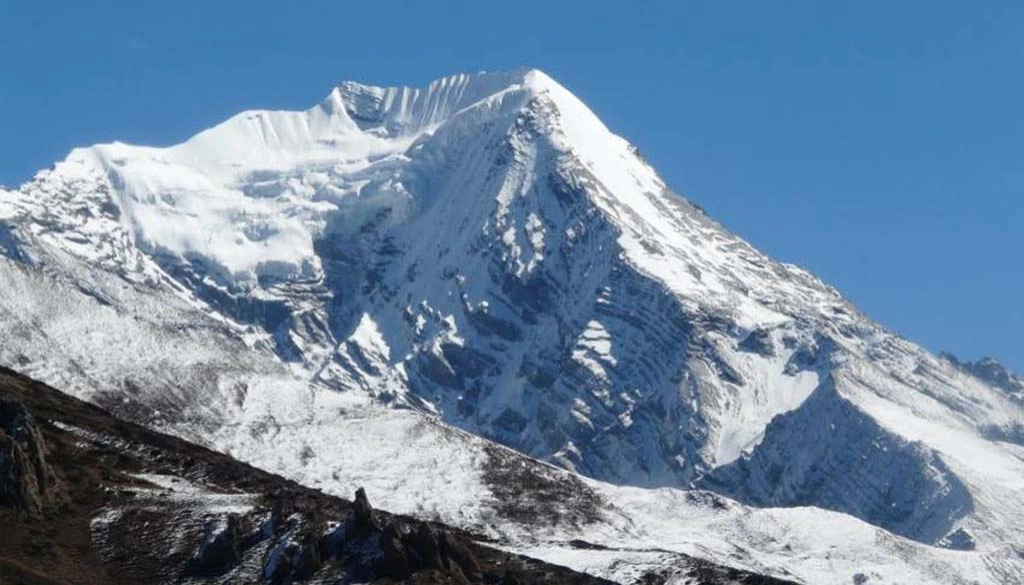
Pisang Peak Climbing (6,091m) is one of the most popular trekking peaks in the Annapurna region, perfect for adventure seekers looking to combine high-altitude trekking with a thrilling Himalayan summit. This 18-day journey takes you through the legendary Annapurna Circuit trail, offering breathtaking landscapes, diverse culture, and a rewarding climbing experience.

The trip begins with a scenic drive from Kathmandu to Besisahar, followed by trekking through lush valleys, terraced fields, and traditional Gurung and Manangi villages. As you ascend higher, the landscape transforms into rugged alpine terrain, with stunning views of Annapurna II, III, IV, Gangapurna, and Lamjung Himal. The climb to Pisang Peak itself requires some basic mountaineering skills, including the use of ropes, crampons, and ice axes, making it an excellent choice for climbers with limited experience but good fitness.

Acclimatization days in Manang and the gradual ascent help prepare your body for the altitude, ensuring a safer and more enjoyable climb. The highlight of the expedition is the summit day, where you’ll stand on top of Pisang Peak, gazing at an incredible 360° panorama of the Annapurna range, Dhaulagiri, and even as far as the Tibet plateau on a clear day.

After the climb, the route continues across the iconic Thorong La Pass (5,416m), one of the highest trekking passes in the world. Descending into the Mustang region, you’ll visit Muktinath, a sacred pilgrimage site for both Hindus and Buddhists, before reaching Jomsom. From here, a short flight to Pokhara allows you to relax by Phewa Lake and soak in the charm of Nepal’s lake city before returning to Kathmandu.

This 19-day Pisang Peak adventure is a perfect blend of mountain climbing, cultural exploration, and Himalayan trekking. With professional climbing guides, well-planned acclimatization, and breathtaking landscapes at every step, Pisang Peak is an unforgettable challenge for anyone dreaming of climbing in Nepal.

Pisang Peak Climbing

Trekking & Hiking Adventure

Region Annapurna Region
Duration 18 Days
Grade Strenuous
Meal B/L/D
Group Size 1-30
Accomodation Hotel/Lodge
Best Season Autumn/ Spring
Start/End Kathmandu
Max Altitude 6091
Activity Climbing
Day 1 — Arrival in Kathmandu
Elevation 1350 m

Upon arrival at Tribhuvan International Airport in Kathmandu, travelers are warmly welcomed by their guide and driver. After clearing immigration and collecting luggage, you’ll be transferred to your hotel in the city, where you can rest, refresh, and recover from your international flight. Depending on your arrival time, you may have the opportunity to explore the vibrant streets of Thamel, the main tourist hub, or enjoy a traditional Nepali meal at a local restaurant.

Kathmandu, the capital of Nepal, is a fascinating city that blends ancient culture with modern life. You’ll notice the bustling markets, colorful temples, prayer flags fluttering in the wind, and historic architecture as you walk through its streets. This day is primarily for adjusting to the city’s rhythm, resting, and preparing for your upcoming trekking adventure or sightseeing tour. Your guide will also provide a briefing on the trek ahead, including tips on packing, acclimatization, and local customs. Overnight stay is at a comfortable hotel in Kathmandu, offering a convenient base to begin your Nepal journey.

Accomodation: Hotel
Meals: Lunch & Dinner
Day 2 — Preparation & Briefings in Kathmandu
Elevation 1350 m

After breakfast at your hotel, the day is dedicated to preparing for your upcoming trek and optional Kathmandu sightseeing. Your guide will assist you with checking trekking gear, reviewing your itinerary, discussing acclimatization tips, and answering any last-minute questions to ensure you’re fully prepared for the adventure ahead.

For sightseeing, Kathmandu offers a wealth of cultural and historical attractions, including Swayambhunath (Monkey Temple), Boudhanath Stupa, Pashupatinath Temple, and the vibrant streets of Thamel. These visits provide a glimpse into Nepal’s rich heritage, spirituality, and local life, allowing travelers to connect with the country before setting off on the trek.

Note: You can choose to enjoy Kathmandu sightseeing either before your trek or after it concludes. Please note that only one day of sightseeing is included in your package. If you wish to explore the city on both days, additional costs may apply. This allows you to experience the highlights while keeping your trek schedule comfortable and focused.

Overnight stay is at a comfortable hotel in Kathmandu, giving you a chance to rest, enjoy city views, and finalize preparations for the adventure ahead.

Accomodation: Hotel
Meals: Breakfast, Lunch & Dinner
Day 3 — Drive from Kathmandu to Dharapani
Ups ↑ 460 m
Down ↓ 000 m
Elevation 1860 m
Distance ⟺ 190 km

The journey begins with an early morning departure from Kathmandu (1,400 m / 4,593 ft), heading towards the Marsyangdi River Valley. Travelers follow the Araniko Highway, passing through Bhaktapur, Dhulikhel, and scenic mid-hill villages, offering glimpses of terraced farmland, local temples, and bustling town life.

After a few hours, the road climbs into the mountainous region of Lamjung and Gorkha, where the landscape gradually transitions to pine and rhododendron forests, small rivers, and rugged hillsides. Trekkers cross suspension bridges over rivers and streams, offering beautiful viewpoints of the Marsyangdi River below.

Arriving at Dharapani (1,860 m / 6,102 ft), trekkers are greeted by a quaint mountain village atmosphere, with a chance to explore the local market and community life. Lodges here provide warm meals and cozy rooms, preparing everyone for the trekking days ahead. This drive is not only a transfer but also a gentle introduction to the Annapurna region’s stunning landscapes.

Accomodation: Lodge
Meals: Breakfast, Lunch & Dinner
Duration: 7-8 hours
Day 4 — Trek from Dharapani to Chame
Ups ↑ 1037 m
Elevation 1860 m

The trek begins in the morning from Dharapani (1,860 m / 6,102 ft), following the Marsyangdi River trail, which winds through lush pine forests, terraced farmland, and small rural settlements. The path is well-marked and gradually ascends, offering continuous views of the river below and the foothills of the Annapurna range.

Along the way, trekkers pass traditional villages like Bagarchhap and Timang, where stone houses with slate roofs and Buddhist prayer flags give a glimpse of local Gurung and Manangi culture. The trail also crosses several suspension bridges, perfect spots for pausing to enjoy the river’s roaring rapids and capturing photos.

As you approach Chame (2,670 m / 8,760 ft), the landscape becomes more alpine, with rhododendron forests, terraced fields, and panoramic mountain views including glimpses of Annapurna II and Lamjung Himal. The village itself is a charming blend of traditional stone houses and modern lodges, offering comfortable accommodations and warm Nepalese meals. Overnight stay is in a lodge in Chame, allowing trekkers to rest and acclimatize before heading higher into the Annapurna region.

Accomodation: Hotel
Meals: Breakfast, Lunch & Dinner
Day 5 — Trek from Chame to Upper Pisang
Ups ↑ 630 m
Down ↓ 000 m
Elevation 2670 m
Distance ⟺ 10 km

Leaving Chame (2,670 m / 8,760 ft) in the morning, the trek follows the Marsyangdi River Valley, gradually climbing through lush forests of pine, rhododendron, and juniper. The path is well-maintained, winding past terraced fields, mani walls, and small traditional houses, giving trekkers a real sense of local culture and mountain village life.

Along the way, trekkers will cross several suspension bridges, each offering breathtaking views of the river below and the surrounding cliffs. Lower Pisang is a notable stop, where the ancient Pisang Monastery stands as a cultural highlight, and travelers can enjoy panoramic views of Annapurna II and Gangapurna peaks. Small lodges here offer refreshments and tea, perfect for a mid-trek break.

As the trail ascends toward Upper Pisang (3,300 m / 10,827 ft), the landscape becomes more alpine, with stunning vistas of Annapurna II, Pisang Peak, and Lamjung Himal. The village itself is steeped in Tibetan Buddhist culture, featuring traditional stone houses, prayer flags, and mani walls. Overnight stay is in a lodge in Upper Pisang, giving trekkers time to acclimatize and enjoy the dramatic mountain scenery.

Accomodation: Lodge
Meals: Breakfast, Lunch & Dinner
Duration: 5-6 hours
Day 6 — Rest & Acclimatization in Upper Pisang
Ups ↑ 200 m
Down ↓ 200 m
Elevation 3300 m
Distance ⟺ 3-5 km

Today is a well-deserved rest and acclimatization day in Upper Pisang (3,300 m / 10,827 ft), giving your body a chance to adjust to the higher altitude before the challenging sections ahead. The morning can be spent exploring the village, wandering through narrow stone-paved paths, and interacting with local residents, who often offer insights into traditional Tibetan Buddhist culture and mountain life.

For acclimatization, trekkers are encouraged to take a short hike above the village. The ridge above Upper Pisang provides sweeping views of Annapurna II, Gangapurna, and Pisang Peak, offering photography opportunities and a sense of the dramatic high Himalayan environment. During this gentle hike, trekkers can also observe wildlife such as Himalayan monals or musk deer, and the stunning river valley below.

Back in the village, lodges provide hearty Nepali meals, and the day is perfect for resting, journaling, or simply enjoying the tranquil mountain surroundings. This day ensures trekkers are physically and mentally prepared for the ascent toward Ngawal and beyond.

Accomodation: Lodge
Meals: Breakfast, Lunch & Dinner
Duration: 2-4 hours
Day 7 — Trek to Pisang Peak Base Camp
Ups ↑ 900 m
Down ↓ 000 m
Elevation 4200 m
Distance ⟺ 10 km

Today, the trek takes you from Upper Pisang (3,300 m / 10,827 ft) to Pisang Peak Base Camp (4,200 m / 13,780 ft), marking the beginning of the high-altitude climbing section. The trail gradually ascends through alpine meadows, rocky terrain, and scattered shrubs, giving trekkers closer views of the towering Pisang Peak (6,091 m / 19,989 ft).

Along the way, trekkers pass small glacial streams and cross stone and wooden bridges, providing both refreshing stops and photo opportunities. The surrounding peaks—Annapurna II, Gangapurna, and Chulu East—loom larger, creating a truly Himalayan atmosphere. The trail also meanders through sparse settlements and yak pastures, where local herders often tend their livestock, giving insight into high-altitude life in the Annapurna region.

Arriving at Pisang Peak Base Camp, trekkers are greeted by dramatic views of the glacier and the peak itself, making it an ideal spot for acclimatization and preparation for the summit attempt. Lodges and tents here provide warm meals, resting areas, and guidance from experienced climbing staff. This day is challenging yet rewarding, combining trekking, acclimatization, and mountaineering preparation.

Accomodation: Camp
Meals: Breakfast, Lunch & Dinner
Duration: 5-6 hours
Day 8 — Trek from Base Camp to High Camp
Ups ↑ 900 m
Down ↓ 000 m
Elevation 5100 m
Distance ⟺ 4-5 km

The day begins with a steady ascent from Pisang Peak Base Camp (4,200 m / 13,780 ft) toward High Camp (5,100 m / 16,732 ft), marking the final push before the summit attempt. The trail climbs through rocky ridges, moraine slopes, and sparse alpine terrain, offering trekkers dramatic close-up views of Pisang Peak and surrounding peaks like Annapurna II and Chulu East.

Along the way, trekkers will navigate glacial streams, loose scree, and small snow patches, requiring careful footing and gradual pacing for acclimatization. The landscape becomes increasingly stark and rugged, with panoramic vistas of distant Himalayan peaks, glaciers, and valleys. The trail occasionally passes small resting spots, perfect for photo breaks and quick hydration.

Arriving at High Camp, trekkers are greeted by breathtaking views of the summit and surrounding ice fields, making it an ideal location to prepare gear and rest for the early morning summit attempt. Overnight stay in tents or lodge-style shelters allows adequate rest and acclimatization, crucial for a successful and safe climb.

Accomodation: Camp
Meals: Breakfast, Lunch & Dinner
Duration: 3-4 hours
Day 9 — Acclimatization / Optional Summit Attempt
Ups ↑ 200 m
Down ↓ 200 m
Elevation 5300 m
Distance ⟺ 2-3 km

Today is designed to help trekkers acclimatize at High Camp (5,100 m / 16,732 ft) and, for those feeling strong, attempt an optional short summit climb to a nearby peak or ridge for practice and further altitude adjustment. The terrain around High Camp is rocky and moraine-filled, providing a perfect environment for acclimatization hikes that strengthen muscles, test gear, and enhance confidence for the main summit attempt.

During the optional hike, trekkers will experience close-up views of Pisang Peak’s ice walls, surrounding glaciers, and the vast Himalayan panorama, including peaks like Chulu East, Annapurna II, and Baruntse in the distance. This short excursion usually involves a moderate ascent of 100–200 meters, allowing the body to adapt to higher oxygen demands without overexertion.

For those choosing to rest instead, the day is spent at High Camp, enjoying hot drinks, Nepalese meals, and taking in the serene high-altitude landscape. This rest and acclimatization day is critical to ensure trekkers are well-prepared, mentally and physically, for the summit climb tomorrow.

Accomodation: Camp
Meals: Breakfast, Lunch & Dinner
Duration: 2-3 hours
Day 10 — Summit Pisang Peak & Return to Base Camp
Ups ↑ 991 m
Down ↓ 1891 m
Elevation 6091 m
Distance ⟺ 12 km

The most important day of the expedition begins very early, usually between 2:00–3:00 AM, under a sky filled with stars. After a light breakfast and final gear checks at High Camp (5,100 m / 16,732 ft), climbers set out toward the summit of Pisang Peak (6,091 m / 19,989 ft). Headlamps cut through the darkness as the trail climbs steadily over snow-covered slopes, icy ridgelines, and glacial sections. Crampons, ropes, and ice axes come into use as the climb becomes more technical, demanding slow, focused steps and controlled breathing.

As dawn approaches, the sky begins to glow, revealing jaw-dropping views of Annapurna II, Gangapurna, Tilicho Peak, Chulu East, and the vast Marsyangdi Valley far below. Reaching the summit of Pisang Peak is an unforgettable moment—standing above 6,000 meters, surrounded by the Annapurna Himalayas, glaciers, and endless ridges. Prayer flags flutter in the cold wind as you take photos, celebrate the achievement, and absorb the 360-degree Himalayan panorama.

After spending a short but meaningful time on the summit, the descent begins carefully, retracing the route back down the snow and ice slopes to High Camp. Once regrouped and rested, the journey continues downhill to Pisang Peak Base Camp, where the thinner air gives way to comfort, warmth, and relief. The evening is spent sharing stories, enjoying a well-earned hot meal, and resting after one of the most rewarding days of the entire expedition.

Accomodation: Camp Tent
Meals: Breakfast, Lunch & Dinner
Duration: 10-12 hours
Day 11 — Trek from Base Camp to Manang
Ups ↑ 000 m
Down ↓ 660 m
Elevation 4200 m
Distance ⟺ 14-15 km

After the huge achievement of summiting Pisang Peak, the morning at Pisang Peak Base Camp (4,200 m / 13,780 ft) feels calm and deeply satisfying. With sore legs but a light heart, the trek begins with a steady descent, retracing the trail back toward Upper Pisang. The path drops through rocky terrain, alpine meadows, and moraine sections, gradually leaving behind the harsh high-altitude environment. As oxygen levels increase, walking becomes noticeably easier, and the surrounding brown alpine slopes slowly turn greener.

Passing through Upper Pisang, the trail continues along the high route toward Manang, which is famous for its views. This section is incredibly scenic—Annapurna II rises dramatically on one side, while Gangapurna Glacier and Tilicho Peak dominate the horizon. The trail gently traverses hillsides, crossing small streams, stone steps, and mani walls, with prayer flags fluttering overhead. Lunch is usually taken at a teahouse along the way, where trekkers can rest and enjoy warm food with mountain views.

As you approach Manang (3,540 m / 11,614 ft), the valley opens wide, revealing a large settlement surrounded by glaciers and towering peaks. The contrast from summit day is striking—wide paths, comfortable lodges, bakeries, and tea houses welcome you back to civilization. The evening is perfect for a hot shower, good food, and well-earned rest, reflecting on the climb while enjoying the relaxed atmosphere of Manang.

Accomodation: Lodge
Meals: Breakfast, Lunch & Dinner
Duration: 5-6 hours
Day 12 — Trek from Manang to Ledar
Ups ↑ 660 m
Down ↓ 000 m
Elevation 4200 m
Distance ⟺ 9-10 km

Leaving Manang (3,540 m / 11,614 ft) after breakfast, the trail immediately reminds you that you’re heading back into serious high-altitude terrain. The path gently climbs out of the village, passing mani walls, chortens, and prayer flags, while the wide Manang Valley slowly stretches out behind you. The air feels thinner again, and the landscape becomes more dry, rugged, and alpine, with fewer trees and more open slopes.

The trail traverses the hillside above the Marsyangdi River, offering constant views of Gangapurna, Annapurna III, and Tilicho Peak. You’ll cross small wooden bridges over icy streams flowing down from nearby glaciers and pass yak grazing areas, where bells echo softly in the quiet valley. The path is mostly gradual but includes short, steeper climbs that test your breathing—perfect for controlled acclimatization.

After passing Yak Kharka, a common lunch stop, the trail continues a little further to Ledar (4,200 m / 13,780 ft). This final section is shorter but noticeable in altitude, with rocky trails and open alpine terrain. Ledar itself is a small, peaceful settlement, surrounded by barren hills and towering peaks, with just a few lodges tucked into the landscape. The evening is calm and quiet—ideal for hydration, warm meals, and rest, as tomorrow brings you even closer to the mighty Thorong La Pass.

Accomodation: Lodge
Meals: Breakfast, Lunch & Dinner
Duration: 4-5 hours
Day 13 — Trek from Ledar to Thorong Phedi / High Camp
Ups ↑ 340 m
Down ↓ 000 m
Elevation 4540 m
Distance ⟺ 5 km

The day begins quietly in Ledar (4,200 m / 13,780 ft). The morning air is cold and thin, and even simple movements feel heavier now. After breakfast, the trail climbs gently above the village, immediately entering a barren, high-alpine landscape where vegetation is almost gone. The path traverses the hillside, with loose rocks and gravel underfoot, demanding steady steps and careful footing.

Soon, you cross a small wooden bridge over a glacial stream, its icy water rushing down from the slopes above. From here, the trail becomes slightly narrower and more exposed, with short uphill sections followed by gentle traverses. On clear days, the views are dramatic—Gangapurna and Annapurna III stand behind you, while the massive slopes leading to Thorong La Pass rise ahead like a wall of stone and ice. Yaks and blue sheep are sometimes spotted grazing on the dry slopes, adding life to the otherwise harsh terrain.

After a steady climb, you reach Thorong Phedi (4,540 m / 14,895 ft), a small settlement sitting right at the base of the pass. If the group is feeling strong and conditions are good, some trekkers continue another 45–60 minutes uphill to High Camp (4,880 m / 16,010 ft), which shortens the summit day. Thorong Phedi itself feels dramatic and serious—steep cliffs surround the lodges, prayer flags flap loudly in the wind, and the scale of the pass above becomes very real. The rest of the day is about hydration, warm meals, mental preparation, and early sleep, as tomorrow is the biggest and toughest day of the entire journey.

Accomodation: Lodge
Meals: Breakfast, Lunch & Dinner
Duration: 3-4 hours
Day 14 — Cross Thorong La Pass (5,416 m) & Trek to Muktinath
Ups ↑ 876 m
Down ↓ 1706 m
Elevation 5416 m
Distance ⟺ 15-16 km

The day begins very early—around 3:00 to 4:00 AM—in complete darkness at Thorong Phedi (4,540 m) or High Camp (4,880 m). Headlamps flicker on as trekkers step out into the freezing cold, breath visible in the air. The trail immediately starts climbing, slow and steady, over rocky switchbacks and frozen ground. Every step requires focus—this is not a race. The silence is broken only by boots crunching on ice and the sound of wind moving across the mountains.

As the trail gains height, dawn slowly arrives, revealing the immense scale of the Himalayas. Annapurna III, Gangapurna, Khatungkang, and Yakawa Kang emerge in soft morning light. The path becomes more demanding near the top, with thin air, snow patches, and prayer flags marking the final stretch. Finally, after hours of steady climbing, you reach Thorong La Pass (5,416 m / 17,769 ft)—one of the highest trekking passes in the world. Standing beneath the colorful prayer flags feels surreal. The view opens to both sides of the Himalayas, a true moment of achievement, emotion, and silence.

After photos and a short rest, the descent toward Muktinath (3,710 m / 12,172 ft) begins. The trail drops steeply at first, winding through snowy slopes and loose gravel, requiring careful foot placement. As you lose altitude, the landscape changes dramatically—from icy alpine terrain to the dry, windswept Mustang region. You pass yak pastures, small streams, and wide open valleys, with the massive Dhaulagiri range dominating the horizon. Reaching Muktinath, the air feels thicker, warmer, and almost welcoming. The village is home to the sacred Muktinath Temple, revered by both Hindus and Buddhists. After such a demanding day, a warm meal, hot tea, and a proper bed feel nothing short of luxurious.

Accomodation: Lodge
Meals: Breakfast, Lunch & Dinner
Duration: 9-11 hours
Day 15 — Trek from Muktinath to Jomsom
Ups ↑ 000 m
Down ↓ 990 m
Elevation 3710 m
Distance ⟺ 18-19 km

The morning in Muktinath (3,710 m / 12,172 ft) feels lighter—both in the air and in the body. After breakfast, the trail begins with a steady descent, leaving behind the sacred temples and stone houses. The landscape quickly shifts into the arid, wind-shaped terrain of Mustang, where brown hills, wide valleys, and open skies replace snow and ice.

The trail follows the mighty Kali Gandaki Valley, known as the world’s deepest gorge, carved between Dhaulagiri and Nilgiri. Walking downhill, you pass small settlements, mani walls, prayer flags, and chortens, reminders of the strong Tibetan-Buddhist culture of the region. The wind often picks up as the day goes on, especially after noon, carrying dust across the valley—part of the authentic Mustang experience.

Along the way, trekkers cross small wooden bridges over side streams, walk past yak and horse pastures, and stop in villages like Jharkot or Kagbeni-area trails for tea or lunch, enjoying simple meals with vast valley views. As you approach Jomsom (2,720 m / 8,923 ft), the wide gravel paths feel easy underfoot. Jomsom appears as a lively town with airstrip, bakeries, cafés, and comfortable lodges. The evening is perfect for hot showers, apple pie, and reflecting on everything you’ve accomplished—from a 6,000-meter summit to one of the world’s highest passes.

Accomodation: Lodge
Meals: Breakfast, Lunch & Dinner
Duration: 5-6 hours
Day 16 — Flight/Drive to Pokhara
Ups ↑ 000 m
Down ↓ 1893 m
Elevation 2720 m

The morning in Jomsom (2,720 m / 8,923 ft) usually starts early, especially if you’re taking the mountain flight to Pokhara. The small airstrip comes alive with trekkers, climbers, and locals as planes prepare for one of Nepal’s most scenic short flights. Once airborne, the aircraft follows the Kali Gandaki Gorge, offering stunning aerial views of Dhaulagiri, Nilgiri, Tukuche Peak, and Annapurna South. In just 20–25 minutes, you descend from the dry Mustang landscape into the lush green Pokhara Valley, a dramatic contrast that feels almost unreal after days in the high Himalayas.

For those traveling by road, the journey is longer but equally rewarding. The drive winds through Kagbeni, Marpha, Tukuche, Kalopani, and Tatopani, following the Kali Gandaki River. Along the way, you’ll pass apple orchards, suspension bridges, waterfalls, terraced hillsides, and traditional Thakali villages. Frequent stops allow for tea breaks, photos, and lunch, making the drive a relaxed scenic journey rather than just a transfer.

Arriving in Pokhara (827 m / 2,713 ft) feels like returning to civilization in the best way—warm weather, green hills, comfortable hotels, cafés, and lakeside views. The rest of the day is free to relax by Phewa Lake, enjoy a hot shower, celebrate the climb, or simply rest after an intense Himalayan adventure.

Accomodation: Hotel
Meals: Breakfast, Lunch & Dinner
Duration: 20-25 min flight / 6-8 hours drive
Day 17 — Flight/Drive to Kathmandu & Sightseeing if Interested
Ups ↑ 573 m
Down ↓ 000 m
Elevation 1350 m

After a relaxing morning in Pokhara (827 m / 2,713 ft), the journey continues back to Kathmandu (1,400 m / 4,593 ft). Travelers can choose between a short scenic flight (25–30 minutes) or a leisurely overland drive (6–7 hours), depending on preference.

The flight option offers one last aerial view of Nepal’s diverse landscape—rolling hills, winding rivers, terraced farmland, and, on clear days, distant glimpses of the Annapurna and Langtang ranges. It’s a smooth and efficient way to return, especially after a physically demanding trek and climb.

For those traveling by road, the drive follows the Prithvi Highway, passing through river valleys, rural villages, and mid-hill landscapes. You’ll see everyday Nepali life unfolding along the road—farmers working fields, roadside tea stalls, suspension bridges, and bustling market towns.

Upon arrival in Kathmandu, travelers who still have energy and interest can enjoy optional sightseeing. Popular choices include visiting Swayambhunath (Monkey Temple) for panoramic valley views, exploring Patan Durbar Square for Newari architecture, or walking through the lively streets of Thamel for souvenir shopping and cafés. The day ends with a comfortable hotel stay, perfect for rest or a final cultural experience before departure.

Accomodation: Hotel
Meals: Breakfast, Lunch & Dinner
Duration: 6-7 hours drive / 25-30 min flight
Day 18 — Departure from Kathmandu

Today marks the end of an unforgettable Himalayan adventure. Depending on your flight schedule, the morning in Kathmandu (1,400 m / 4,593 ft) is free for a relaxed breakfast, last-minute packing, or a short walk around the neighborhood to soak in the city one final time. After weeks of trekking, climbing, and cultural discovery, the pace feels gentle and reflective.

Our team ensures a smooth and timely transfer to Tribhuvan International Airport, allowing you to travel without stress. During the drive, you’ll catch final glimpses of Kathmandu’s busy streets, temples, and hills—small reminders of the journey that started here and ended with summits, high passes, and lifelong memories. At the airport, it’s time to say goodbye to Nepal, carrying with you not just photographs, but stories of effort, resilience, and achievement in the Himalayas.

Meals: Breakfast
Cost Includes
  • Airport transfers (pick-up and drop-off in a private vehicle).
  • 3 nights accommodation in Kathmandu (3-star/4-star hotel) with breakfast.
  • 1-night accommodation in Pokhara at a 3-star/4-star hotel with breakfast.
  • Teahouse accommodation during the trek and tented camping at base camp/high camp.
  • All meals (breakfast, lunch, dinner) during the trek and climbing period.
  • Licensed and experienced climbing guide and trekking guide with necessary support staff (cook, porters, assistant guides).
  • Climbing permits for Pisang Peak and Annapurna Conservation Area Permit (ACAP) and TIMS card.
  • Domestic flight from Jomsom to Pokhara including airport taxes.
  • All ground transportation as per the itinerary (private vehicle, local jeep, tourist bus).
  • Standard climbing equipment (ropes, ice screws, snow bar, etc.) – company-provided.
  • First aid kit with oximeter for altitude monitoring.
  • Duffel bag and sleeping bag (to be returned after trip).
  • Government taxes, service charges, and official paperwork.
Cost Excludes
  • International flights to and from Nepal.
  • Nepal visa fees (to be obtained on arrival at Kathmandu airport).
  • Extra nights in Kathmandu or Pokhara due to early arrival, late departure, or domestic flight delays.
  • Personal climbing gear (boots, crampons, ice axe, harness, helmet, down jacket, gloves, etc.).
  • Personal expenses such as laundry, phone, Wi-Fi, hot showers, battery charging during the trek.
  • Travel and mountaineering insurance (must cover high-altitude rescue and medical evacuation).
  • Tips for guides, porters, and drivers.
  • Any additional costs due to unforeseen circumstances (landslides, bad weather, strikes, or personal reasons).
  • Meals in Kathmandu and Pokhara (except breakfasts as included).
  • Alcoholic drinks, soft drinks, and snacks during the trek.
All Information
Equipment Checklist for Pisang Peak Climbing

Equipment Checklist

FAQs

Pisang Peak is considered a moderately challenging trekking peak in Nepal. It requires both trekking and basic mountaineering skills. The approach involves walking through the Annapurna Circuit Trail, with gradual acclimatization before attempting the summit. The final climb includes steep snow slopes, glaciers, and some technical sections where ropes, crampons, and an ice axe are necessary. If you are physically fit, have some trekking experience, and are willing to learn climbing techniques, Pisang Peak is very achievable.

The best seasons are:

  • Spring (March – May): Clear skies, stable weather, and blooming rhododendrons make it ideal.

  • Autumn (September – November): Crisp air, excellent mountain visibility, and safe climbing conditions.

Winter (December – February) and Monsoon (June – August) are not recommended, as heavy snow, avalanches, or rainfall make the climb risky.

Previous climbing experience is not mandatory, but it is highly recommended. Pisang Peak is suitable for first-time climbers who have done high-altitude treks before. During the expedition, your climbing guide will provide training on:

  • Using crampons, ropes, and ice axe

  • Walking on snow and ice

  • Safety techniques on steep slopes

If you’ve already trekked above 4,000m (such as Everest Base Camp or Annapurna Base Camp), you’ll adapt more easily.

For Pisang Peak Climbing, you will need:

  • Pisang Peak Climbing Permit issued by NMA (Nepal Mountaineering Association).

  • Annapurna Conservation Area Permit (ACAP).

  • Trekkers’ Information Management System (TIMS) card.

These permits are arranged by your trekking company, and the cost is included in the package.

Safety is the top priority. The trek follows a gradual itinerary that allows for proper acclimatization to reduce the risk of altitude sickness. A licensed climbing guide and support team will accompany you throughout, carrying first aid kits, oximeters, and emergency communication devices. In case of emergencies, helicopter evacuation can be arranged (covered by your insurance).

  • In Kathmandu and Pokhara, you’ll stay in comfortable 3-star or 4-star hotels.

  • During the trek, you’ll stay at teahouses (basic mountain lodges) with twin-sharing rooms.

  • At Base Camp and High Camp, tented camping is provided with meals prepared by the cook.

Meals include traditional Nepali food (dal bhat), noodles, soups, bread, rice, curries, and tea/coffee. Fresh and hygienic meals are served to keep you energized for climbing.

You need both trekking gear and climbing equipment, including:

  • Trekking boots, down jacket, thermal wear, sleeping bag

  • Climbing boots, crampons, harness, helmet, ice axe

  • Sunglasses, gloves, headlamp, gaiters, trekking poles

Most personal climbing gear can be rented in Kathmandu, but having your own well-fitted boots is strongly recommended.

The full trip is 19 days, which includes:

  • Arrival in Kathmandu and preparation
  • Trekking through the Annapurna Circuit (via Manang) for acclimatization
  • Climbing Pisang Peak (1–2 days at Base Camp/High Camp)
  • Trekking down to Jomsom and flying back to Pokhara
  • Return to Kathmandu

This carefully designed itinerary ensures you are well acclimatized and safe before attempting the summit.

Yes, travel insurance is mandatory. Your insurance must cover:

  • High-altitude trekking and climbing (up to 6,200m)

  • Emergency helicopter evacuation

  • Medical expenses in case of illness or injury

Without proper insurance, arranging rescue at high altitude becomes very expensive and complicated.

Reaching the summit always depends on weather conditions, health, and safety. If you cannot reach the summit, you will still enjoy the trek through the Annapurna Circuit, which itself is one of the world’s best trekking routes. Your safety is more important than the summit, and the guide will make the best decision for the group.

ASSOCIATED WITH

Tourism Board
Nepal Government
Keep
NMA Nepal
TAAN

WE ACCEPT