


Your Journey, Our Expertise...
Menu

Kanchenjunga East West Base Camp Trek

25 Days • Challenging • Best season: Autumn/Spring
Kanchenjunga East West Base Camp Trek

Overview

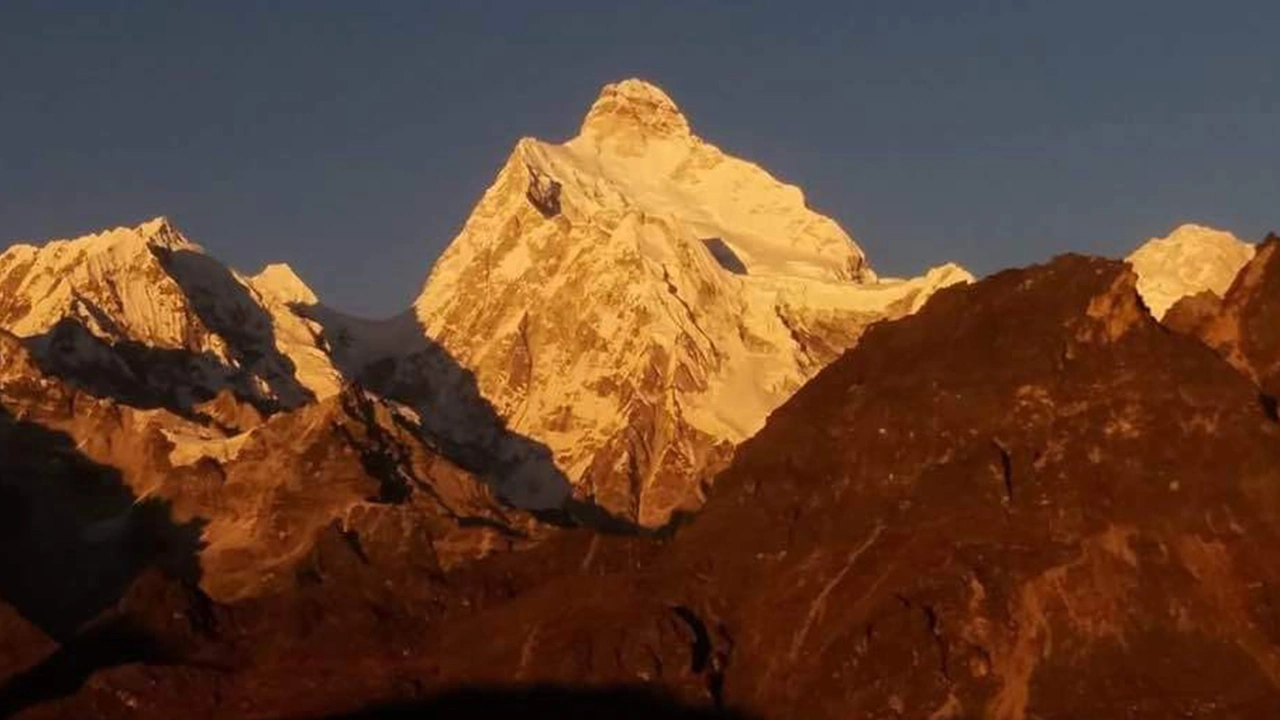
The Kanchenjunga East West Base Camp Trek is one of the most remote and adventurous journeys in Nepal, leading trekkers to both the North Base Camp and South Base Camp of Mount Kanchenjunga — the world’s third-highest peak (8,586 m). Unlike the popular Everest and Annapurna routes, this trail is less crowded, wild, and deeply rewarding, making it perfect for trekkers who crave untouched nature and authentic culture.

The trek begins with a scenic flight or drive to eastern Nepal, where lush rhododendron forests, terraced farmlands, and high mountain ridges create the first impressions of this adventure. The route gradually takes you through traditional Rai, Limbu, and Tibetan-influenced villages, where life has changed little for centuries. Along the way, trekkers can expect warm hospitality, organic local meals, and a rare glimpse into rural Himalayan lifestyles.

Reaching the South Base Camp (Oktang, 4,610 m) rewards trekkers with sweeping views of the Kanchenjunga massif, Rathong, Kabru, and Yalung Glacier. From there, the trail continues toward the North Base Camp (Pangpema, 5,143 m), where the close-up view of Kanchenjunga’s north face is an unforgettable highlight. Few treks in Nepal offer the chance to experience both base camps in one journey, making this trek a once-in-a-lifetime opportunity.

Accommodation along the route is mostly in basic tea houses and community-run lodges, with simple facilities. Trekkers should be prepared for long walking days (6–7 hours on average), steep ascents, and high-altitude conditions. However, the reward is unmatched: pristine valleys, alpine meadows, glacial rivers, and quiet trails where you may go hours without meeting another trekker.

Over three weeks of exploration, this trek delivers the perfect balance of natural wonders, cultural encounters, and high-altitude adventure. By the end, trekkers return with lasting memories of Kanchenjunga’s grandeur, mountain communities, and the raw beauty of Nepal’s far eastern Himalayas.

Kanchenjunga East West Base Camp Trek

Trekking & Hiking Adventure

Region Kanchenjunga and Makalu Region
Duration 26 Days
Grade Challenging
Meal B/L/D
Group Size 1-30 Pax
Accomodation Hotel/Lodge
Best Season Autumn/Spring
Start/End Kathmandu
Day 1 — Arrival in Kathmandu
Elevation 1400 m

Upon arrival at Tribhuvan International Airport in Kathmandu, travelers are warmly welcomed by their guide and driver. After clearing immigration and collecting luggage, you’ll be transferred to your hotel in the city, where you can rest, refresh, and recover from your international flight. Depending on your arrival time, you may have the opportunity to explore the vibrant streets of Thamel, the main tourist hub, or enjoy a traditional Nepali meal at a local restaurant.

Kathmandu, the capital of Nepal, is a fascinating city that blends ancient culture with modern life. You’ll notice the bustling markets, colorful temples, prayer flags fluttering in the wind, and historic architecture as you walk through its streets. This day is primarily for adjusting to the city’s rhythm, resting, and preparing for your upcoming trekking adventure or sightseeing tour. Your guide will also provide a briefing on the trek ahead, including tips on packing, acclimatization, and local customs. Overnight stay is at a comfortable hotel in Kathmandu, offering a convenient base to begin your Nepal journey.

Accomodation: Hotel
Meals: Breakfast/Lunch/Dinner
Day 2 — Explore Kathmandu & Trek Preparation
Elevation 1400 m

After breakfast at your hotel, the day is dedicated to preparing for your upcoming trek and optional Kathmandu sightseeing. Your guide will assist you with checking trekking gear, reviewing your itinerary, discussing acclimatization tips, and answering any last-minute questions to ensure you’re fully prepared for the adventure ahead.

For sightseeing, Kathmandu offers a wealth of cultural and historical attractions, including Swayambhunath (Monkey Temple), Boudhanath Stupa, Pashupatinath Temple, and the vibrant streets of Thamel. These visits provide a glimpse into Nepal’s rich heritage, spirituality, and local life, allowing travelers to connect with the country before setting off on the trek.

Note: You can choose to enjoy Kathmandu sightseeing either before your trek or after it concludes. Please note that only one day of sightseeing is included in your package. If you wish to explore the city on both days, additional costs may apply. This allows you to experience the highlights while keeping your trek schedule comfortable and focused.

Overnight stay is at a comfortable hotel in Kathmandu, giving you a chance to rest, enjoy city views, and finalize preparations for the adventure ahead.

Accomodation: Hotel
Meals: Breakfast/Lunch/Dinner
Day 3 — Fly to Bhadrapur & Drive to Suketar
Ups ↑ 1020 m
Down ↓ 1000 m
Elevation 2420 m
Distance ⟺ 260 km by air

Today marks the real transition from city life into the remote eastern Himalayas of Nepal. The morning begins with a scenic domestic flight from Kathmandu to Bhadrapur, located in the far eastern lowlands of Nepal. As the plane leaves Kathmandu Valley, you’ll enjoy aerial views of rolling hills, river systems, and gradually flatter terrain as you approach the Terai region. After landing in Bhadrapur, the warm air and greenery feel very different from Kathmandu, giving a first taste of Nepal’s incredible geographical diversity.

From Bhadrapur, the journey continues by private vehicle toward Suketar, the gateway to the Kanchenjunga trekking region. The drive is long but extremely rewarding, slowly climbing from the lowlands through tea gardens, cardamom farms, dense forests, and hillside villages. The road winds through places like Ilam, famous for its tea estates, offering beautiful views of terraced hills and rural Nepali life. As altitude increases, the air cools and the landscape becomes more rugged. The final stretch toward Suketar follows narrow mountain roads with deep valleys below and forested ridges above, giving you a true sense of entering a remote and rarely visited trekking region.

Upon arrival in Suketar, you’ll notice the peaceful atmosphere and limited development—this is where the Kanchenjunga adventure truly begins. The evening is spent resting, organizing gear, and mentally preparing for the long trekking days ahead into one of Nepal’s most isolated and pristine mountain regions. Overnight stay is at a local lodge or guesthouse in Suketar, surrounded by quiet hills and star-filled skies.

  • Flight Distance:
    Kathmandu to Bhadrapur — ~260 km (by air)

  • Drive Distance:
    Bhadrapur to Suketar — ~230–240 km

  • Flight Distance:
    Kathmandu to Bhadrapur — ~260 km (by air)

  • Drive Distance:
    Bhadrapur to Suketar — ~230–240 km

Accomodation: Lodge
Meals: Breakfast/Lunch/Dinner
Duration: 8-10 hours
Day 4 — Trek to Lali Kharka
Ups ↑ 250 m
Down ↓ 400 m
Elevation 2450 m
Distance ⟺ 9-10 km

The trek begins from Suketar, gradually leaving behind the small airstrip area and entering peaceful countryside trails. The path initially descends gently through farmlands, cardamom plantations, and scattered Limbu villages, where traditional wooden houses and smiling locals give a warm welcome. You’ll walk along narrow dirt paths bordered by stone walls, passing small streams and prayer flags, giving an early taste of eastern Nepal’s culture.

As the trail progresses, the landscape becomes greener and more forested. The route climbs steadily through lush forests of rhododendron, bamboo, and oak, with occasional clearings that open up views of rolling hills and distant ridgelines. The air feels fresh and calm, and bird sounds accompany you throughout the walk. There are a few small tea stops along the way, perfect for lunch and short breaks. The final stretch ascends gently to Lali Kharka, a quiet hilltop settlement surrounded by forested slopes and open meadows. From here, you can enjoy wide views of the lower Kanchenjunga region, especially beautiful in the late afternoon. The peaceful environment makes Lali Kharka an ideal place to rest and prepare for deeper entry into the remote Kanchenjunga trails.

Overnight is spent in a local lodge or homestay, offering simple but warm hospitality, home-cooked meals, and a true rural Himalayan experience.

Accomodation: Lodge
Meals: Breakfast/Lunch/Dinner
Duration: 4-5 hours
Day 5 — Trek to Kande Bhanjyang
Ups ↑ 300 m
Down ↓ 350 m
Elevation 2350 m
Distance ⟺ 9-10 km

Today’s trek takes you deeper into the remote Kanchenjunga region, where trails feel wild, quiet, and untouched. Leaving Lali Kharka, the path climbs gradually through dense rhododendron and oak forests, where sunlight filters softly through the canopy. The trail is mostly a narrow earthen path, sometimes muddy after rain, with occasional stone steps carved by local villagers. Along the way, you’ll pass small streams and wooden bridges, listening to the constant sound of flowing water echoing through the forest.

As you gain altitude, the forest begins to thin, opening up to wide grassy ridges and hillside clearings. From these open sections, you may catch early glimpses of distant Himalayan ridgelines, especially on clear days. The trail undulates with short ascents and descents, keeping the walk interesting but manageable. You’ll also pass small seasonal herder shelters (goths) and prayer flags tied to trees, hinting at the spiritual connection locals have with these mountains.

Approaching Kande Bhanjyang, the landscape becomes more open and alpine in character. The village sits on a mountain saddle (bhanjyang), offering expansive views over rolling hills and forested valleys. Kande Bhanjyang is a peaceful settlement with a few simple lodges and traditional houses, making it an ideal place to rest and absorb the silence of eastern Nepal. As evening falls, the temperature drops quickly, and the quiet atmosphere reminds you just how remote and special the Kanchenjunga region truly is.

Accomodation: Lodge
Meals: Breakfast/Lunch/Dinner
Duration: 5-6 hours
Day 6 — Trek to Phumphe Danda
Ups ↑ 420 m
Down ↓ 000 m
Elevation 2720 m
Distance ⟺ 9 km

Today’s journey takes you deeper into the Kanchenjunga region, with trails that weave through dense rhododendron forests, cascading streams, and terraced farmland. The path gradually climbs, offering glimpses of snow-capped peaks of Kanchenjunga and surrounding ridges. You’ll cross a few suspension bridges over glacial-fed rivers, giving a thrilling experience while providing stunning photo opportunities of the flowing waters below.

Along the way, you pass through small, remote villages where you can interact with locals, observe traditional Limbu and Sherpa houses, and experience the authentic culture of the region. The trail is a mix of well-trodden dirt paths and stone steps, leading you to Phumphe Danda. From this vantage point, you’ll enjoy panoramic views of the Kanchenjunga range and surrounding valleys, making it a perfect spot to rest and take in the scenery. Tonight, you stay in a local lodge/tea house, where you can enjoy a warm meal and prepare for the next day’s trek.

Accomodation: Lodge
Meals: Breakfast/Lunch/Dinner
Duration: 4-5 hours
Day 7 — Trek to Yamphudin
Ups ↑ 330 m
Down ↓ 000 m
Elevation 3050 m
Distance ⟺ 11 km

Today’s journey begins with a gradual climb from Phumphe Danda, where the trail is lined with dense oak, rhododendron, and pine forests. The crisp mountain air fills your lungs as you step along well-marked paths, listening to the gentle babble of streams nearby. Small clearings along the way allow stunning views of the Kanchenjunga range, with snow-capped peaks glittering under the sun. The trail also passes through a few small traditional Limbu and Rai villages, offering glimpses of their lifestyle, including stone houses adorned with prayer flags and neatly stacked firewood.

As you continue, you cross several wooden suspension bridges, each swaying gently over rushing rivers, providing thrilling photo opportunities. The forest floor is carpeted with fallen leaves and occasional wildflowers, giving the trail a peaceful charm. By midday, the sun illuminates the distant peaks, and the valley below opens up, revealing rice terraces and grazing lands of local communities. After approximately 5–6 hours of trekking, you reach Yamphudin, a charming village perched on a ridge. Here, the lodges welcome you with warm meals, a cozy bed, and panoramic views of the surrounding mountains. The sunset from Yamphudin is particularly beautiful, painting the Kanchenjunga peaks in soft shades of pink and orange, a perfect way to end the day.

Accomodation: Lodge
Meals: Breakfast/Lunch/Dinner
Duration: 5-6 hours
Day 8 — Trek to Tortong
Ups ↑ 270 m
Down ↓ 000 m
Elevation 3320 m
Distance ⟺ 10 km

The trail to Tortong starts with a gentle ascent through lush forests, with sun-dappled paths weaving past moss-covered rocks and gurgling streams. You’ll find yourself crossing stone steps and narrow ridges, with occasional steep climbs that test your stamina but reward you with incredible vantage points over the Yamphudin Valley.

Along the way, you’ll see small settlements, where children wave at trekkers, and locals tend to livestock and terraced fields. The trail occasionally opens up to reveal distant views of Makalu and Kanchenjunga peaks, reminding you of the region’s grandeur. The final stretch to Tortong takes you through alpine meadows where wildflowers bloom during spring, and you may spot Himalayan birds and small wildlife. Tortong is a quaint village with simple lodges offering warm meals and comfortable beds. As night falls, the starlit sky over Tortong is mesmerizing, with clear visibility of the Milky Way—a perfect reminder of the remote Himalayan wilderness you are trekking through.

Accomodation: Lodge
Meals: Breakfast/Lunch/Dinner
Duration: 5-6 hours
Day 9 — Trek to Ramche
Ups ↑ 280 m
Down ↓ 000 m
Elevation 3600 m
Distance ⟺ 9 km

The trail to Tortong starts with a gentle ascent through lush forests, with sun-dappled paths weaving past moss-covered rocks and gurgling streams. You’ll find yourself crossing stone steps and narrow ridges, with occasional steep climbs that test your stamina but reward you with incredible vantage points over the Yamphudin Valley.

Along the way, you’ll see small settlements, where children wave at trekkers, and locals tend to livestock and terraced fields. The trail occasionally opens up to reveal distant views of Makalu and Kanchenjunga peaks, reminding you of the region’s grandeur. The final stretch to Tortong takes you through alpine meadows where wildflowers bloom during spring, and you may spot Himalayan birds and small wildlife. Tortong is a quaint village with simple lodges offering warm meals and comfortable beds. As night falls, the starlit sky over Tortong is mesmerizing, with clear visibility of the Milky Way—a perfect reminder of the remote Himalayan wilderness you are trekking through.

Accomodation: Lodge
Meals: Breakfast/Lunch/Dinner
Duration: 4-5 hours
Day 10 — Explore Oktang & Return to Ramche
Ups ↑ 350 m
Down ↓ 350 m
Elevation 3950 m
Distance ⟺ 8 km round trip

From Tortong, the trail climbs steadily, offering glimpses of terraced fields, prayer flags, and remote hamlets. You’ll cross stream-fed valleys and walk along narrow paths lined with mossy rocks and rhododendron forests. This section gives trekkers a deep sense of isolation and connection with nature, as the trail passes through untouched landscapes rarely visited by tourists.

The final approach to Ramche involves a steady ascent, rewarding you with panoramic views of the eastern Kanchenjunga peaks. On clear days, you can spot distant summits, valleys, and the intricate patchwork of local farmland. Ramche itself is perched on a ridge, providing spectacular sunsets and sunrises. Staying overnight in the local lodges, trekkers experience warm hospitality, hot meals, and a quiet night surrounded by the mountains. It’s an excellent place to rest and acclimatize, preparing for tomorrow’s exploration day.

Accomodation: Lodge
Meals: Breakfast/Lunch/Dinner
Duration: 4-5 hours
Day 11 — Trek to Yalung Ri Base Camp
Ups ↑ 550 m
Down ↓ 000 m
Elevation 4150 m
Distance ⟺ 9 km

From Ramche, the trail gently ascends through a mix of dense conifer forests and alpine meadows, with occasional glimpses of distant Kanchenjunga peaks. The path is mostly well-marked, but trekkers should stay alert as the trail crosses several small streams and rocky outcrops. As you gain altitude, the air becomes crisper, and the surrounding landscape transforms into high-altitude alpine terrain dotted with wildflowers and patches of snow in early spring or late autumn.

During the trek, you’ll pass isolated shepherd huts and occasionally see local yaks grazing, which provide a perfect photo opportunity. The trail’s highlight is reaching Yalung Ri Base Camp, where panoramic views of the surrounding ridges and snow-capped peaks leave you in awe. This camp is a perfect spot for sunset photography, with the peaks turning shades of orange and pink. The lodges here are simple but provide warmth, meals, and a cozy place to rest.

Accomodation: Lodge
Meals: Breakfast/Lunch/Dinner
Duration: 5-6 hours
Day 12 — Trek back to Tsheram (3,800m / 12,467ft)
Ups ↑ 000 m
Down ↓ 350 m
Elevation 4150 m
Distance ⟺ 10 km

After enjoying the spectacular scenery at Yalung Ri Base Camp, the trek today involves a descent back to Tsheram, providing a much-needed opportunity for rest and acclimatization. The trail winds through rocky ridges and alpine meadows, where trekkers can observe Himalayan wildflowers, marmots, and the occasional mountain goat.

Crossing small streams and wooden footbridges, the trail offers continuous views of snow-capped peaks and glaciers, while the gentle downward trek allows you to reflect on the journey so far. Tsheram is a charming high-altitude village where lodges provide hearty meals, warmth, and a relaxing atmosphere for the evening. The setting sun casts a magical glow over the mountains, making the trek back equally rewarding.

Accomodation: Lodge
Meals: Breakfast/Lunch/Dinner
Duration: 5 hours
Day 13 — Trek to Selele via Mirgin La Pass (4,645m)
Ups ↑ 845 m
Down ↓ 50 m
Elevation 4645 m
Distance ⟺ 12 km

This day is a challenging but rewarding high-altitude trek, taking you over the Mirgin La Pass. The trail begins with a gentle climb out of Tsheram, gradually steepening as you approach the ridge. The ascent passes rocky slopes, sparse vegetation, and snow patches, with sweeping views of Kanchenjunga East and West.

Crossing the pass at 4,645 m, trekkers are greeted by a panorama of rugged peaks, glaciers, and high-altitude valleys. This is a prime spot for photography and soaking in the Himalayas’ grandeur. After the pass, the trail descends slightly into Selele, a small settlement offering lodges with warmth, meals, and rest. The descent also provides incredible views of high-altitude landscapes, moraines, and distant ridgelines.

Accomodation: Lodge
Meals: Breakfast/Lunch/Dinner
Duration: 6-7 hours
Day 14 — Trek to Ghunsa (3,415m / 11,204ft)
Ups ↑ 000 m
Down ↓ 1230 m
Elevation 4645 m
Distance ⟺ 14 km

From Selele, the trek involves a gradual descent into the Ghunsa Valley, which is surrounded by dramatic ridges and peaks. The trail passes through sparse alpine terrain, pine forests, and small glacial streams, making it a scenic day with opportunities to observe local wildlife like Himalayan pheasants and yaks.

The descent can be steep in certain sections, requiring careful footing on rocky paths and occasional wooden bridges over fast-flowing streams. Ghunsa is a picturesque village with traditional Limbu architecture and prayer flags fluttering across the ridges. The lodges provide hearty meals and a cozy overnight stay, with views of nearby Kanchenjunga South and other peaks creating a breathtaking backdrop.

Accomodation: Lodge
Meals: Breakfast/Lunch/Dinner
Duration: 6-7 hours
Day 15 — Trek to Kambachen (4,145m / 13,599ft)
Ups ↑ 730 m
Down ↓ 000 m
Elevation 4145 m
Distance ⟺ 11 km

The trail from Ghunsa begins with a moderate ascent, gradually climbing through lush forests, small streams, and alpine meadows. The air is crisp, and the scenery continuously offers panoramic views of Kanchenjunga North, South, and West, alongside glacial ridges and high-altitude valleys.

Crossing several small suspension bridges and rocky stretches, trekkers finally arrive at Kambachen, perched above the valley floor with spectacular mountain views. The lodges at Kambachen are cozy and welcoming, perfect for resting, enjoying warm meals, and preparing for the next day’s high-altitude adventures. The evening sky here is mesmerizing, with clear visibility of distant Himalayan peaks silhouetted by the sunset.

Accomodation: Lodge
Meals: Breakfast/Lunch/Dinner
Duration: 5-6 hours
Day 16 — Trek to Lhonak (4,792m / 15,722ft)
Ups ↑ 647 m
Down ↓ 000 m
Elevation 4792 m
Distance ⟺ 12 km

From Kambachen, the trail begins with a steady climb, winding through a combination of alpine meadows, scattered boulders, and small glacial streams. As you ascend, the landscape gradually opens up, revealing breathtaking views of Kanchenjunga North and South ridges, with the jagged peaks glinting in the early morning sun. The air becomes thinner, so trekking slowly and staying hydrated is crucial.

Along the way, trekkers pass small stone shelters and prayer flags, adding a spiritual element to the rugged environment. You might spot yaks grazing or small herds of Himalayan mountain goats navigating the rocky terrain. The trail can be rocky and uneven in sections, requiring careful attention, but each step rewards you with wider panoramas of snow-covered peaks, glaciers, and high-altitude valleys.

Reaching Lhonak, the settlement is small, quiet, and surrounded by moraines and glacial streams. Lodges here are simple, offering warmth, meals, and a chance to rest before the next challenging day. Lhonak is also a perfect spot for acclimatization, as it allows trekkers to adjust to the altitude while enjoying stunning views of Kanchenjunga’s dramatic ridges.

Accomodation: Lodge
Meals: Breakfast/Lunch/Dinner
Duration: 5-6 hours
Day 17 — Trek to Pang Pema (North Base Camp) (5,143m / 16,873ft)
Ups ↑ 351 m
Down ↓ 000 m
Elevation 5143 m
Distance ⟺ 9 km

From Kambachen, the trail begins with a steady climb, winding through a combination of alpine meadows, scattered boulders, and small glacial streams. As you ascend, the landscape gradually opens up, revealing breathtaking views of Kanchenjunga North and South ridges, with the jagged peaks glinting in the early morning sun. The air becomes thinner, so trekking slowly and staying hydrated is crucial.

Along the way, trekkers pass small stone shelters and prayer flags, adding a spiritual element to the rugged environment. You might spot yaks grazing or small herds of Himalayan mountain goats navigating the rocky terrain. The trail can be rocky and uneven in sections, requiring careful attention, but each step rewards you with wider panoramas of snow-covered peaks, glaciers, and high-altitude valleys.

Reaching Lhonak, the settlement is small, quiet, and surrounded by moraines and glacial streams. Lodges here are simple, offering warmth, meals, and a chance to rest before the next challenging day. Lhonak is also a perfect spot for acclimatization, as it allows trekkers to adjust to the altitude while enjoying stunning views of Kanchenjunga’s dramatic ridges.

Accomodation: Lodge
Meals: Breakfast/Lunch/Dinner
Duration: 5-6 hours
Day 18 — Explore Kanchenjunga Base Camp & Return to Kambachen
Ups ↑ 000 m
Down ↓ 998 m
Elevation 5143 m
Distance ⟺ 21 km

After reaching Pang Pema, trekkers can explore the surrounding area, taking in the stunning icefalls, crevassed glaciers, and towering peaks that seem within arm’s reach. The Kanchenjunga Base Camp area is perfect for trekking photography, high-altitude photography, and observing glacial formations. Trekkers can also witness ancient prayer shrines and fluttering prayer flags, which give a spiritual significance to the adventure.

After a thorough exploration, the trail leads back down to Kambachen, retracing parts of the high-altitude route but offering different perspectives of the glaciers, ridges, and alpine meadows. The descent is long but gradual, providing a chance to reflect on the trek, enjoy the changing light over Kanchenjunga, and spot wildlife along the way. Lodges at Kambachen welcome trekkers back with warm meals and a cozy place to relax after the high-altitude excursion.

Accomodation: Lodge
Meals: Breakfast/Lunch/Dinner
Duration: 9-10 hours
Day 19 — Trek to Ghunsa (3,415m / 11,204ft)
Ups ↑ 000 m
Down ↓ 730 m
Elevation 4145 m
Distance ⟺ 15 km

Leaving Kambachen, the trek back to Ghunsa is a gradual descent, giving trekkers a chance to relax after the high-altitude experiences. The trail passes through moraines, alpine streams, and lush high-altitude forests, with stunning views of Kanchenjunga peaks behind you.

Crossing small wooden bridges and navigating through rocky sections, trekkers enjoy views of the Kanchenjunga massif from different angles, with sunlight highlighting snow ridges and glaciers in the afternoon. Ghunsa is a beautiful village with traditional houses, prayer flags, and yak herds, providing a sense of the Himalayan culture and lifestyle. Lodges in Ghunsa offer warm meals, tea, and a comfortable place to rest.

Accomodation: Lodge
Meals: Breakfast/Lunch/Dinner
Duration: 6-7 hours
Day 20 — Trek to Amjilosa (2,498m / 8,196ft)
Ups ↑ 000 m
Down ↓ 917 m
Elevation 3415 m
Distance ⟺ 14 km

Departing Ghunsa, the trail gradually descends through lush alpine forests, filled with rhododendrons, ferns, and tall Himalayan pine trees. The early morning sun filters through the forest canopy, creating a magical glow over the moss-covered rocks and trickling streams. You follow a narrow trail alongside the Ghunsa River, crossing several small wooden bridges over fast-flowing tributaries.

The trek offers continuous views of the majestic Kanchenjunga massif behind you, slowly retreating as you descend. Small hamlets and stone walls dot the path, giving a glimpse into the traditional lifestyle of the local Sherpa and Rai communities. Birds chirp melodiously, and you may spot Himalayan monal or other high-altitude birds along the way.

Arriving at Amjilosa, the village is a serene place surrounded by terraced fields, prayer flags fluttering, and lodges that provide warm meals and a cozy resting spot. The day is an excellent opportunity to relax after the long trek from the high altitudes of Ghunsa, letting your body adjust while soaking in the serene environment.

Accomodation: Lodge
Meals: Breakfast/Lunch/Dinner
Duration: 5-6 hours
Day 21 — Trek to Sakathum (1,650m / 5,413ft)
Ups ↑ 000 m
Down ↓ 848 m
Elevation 2498 m
Distance ⟺ 15 km

From Amjilosa, the trail continues descending through dense forests, terraced fields, and bamboo groves, passing small rivers and wooden suspension bridges. The air becomes warmer as you lose altitude, and the landscape gradually changes from alpine vegetation to subtropical greenery.

The village of Sakathum is picturesque, with traditional stone and wood houses, terraced farmland, and friendly locals greeting trekkers along the way. The trail is well-marked, but there are occasional rocky sections that require careful footing. This descent offers a dramatic change in scenery—from towering snow peaks and glaciers to green valleys and cultivated farmland.

Arriving in Sakathum, lodges provide cozy overnight accommodation with hearty meals. The locals often share stories of the Kanchenjunga region, making this an excellent cultural immersion experience.

Accomodation: Lodge
Meals: Breakfast/Lunch/Dinner
Duration: 5-6 hours
Day 22 — Trek to Chirwa (1,185m / 3,888ft)
Ups ↑ 000 m
Down ↓ 465 m
Elevation 1650 m
Distance ⟺ 12 km

The trail from Sakathum to Chirwa continues descending into subtropical valleys. You pass cascading waterfalls, small rivers, and cultivated fields with crops such as maize and millet. The local villages along the way showcase traditional Nepali architecture, with stone walls, wooden beams, and prayer flags lining the streets.

The descent is moderate, but the trail winds through hilly terrain with occasional short climbs and descents, making it engaging for trekkers. Wildlife is abundant, with possibilities of seeing monkeys, Himalayan birds, and even deer along the route.

Chirwa is a small, quaint settlement with welcoming lodges where trekkers can rest, enjoy warm meals, and reflect on the journey through the remote Kanchenjunga region. The evening sunset over the terraced fields and distant ridges makes for a perfect photo opportunity.

Accomodation: Lodge
Meals: Breakfast/Lunch/Dinner
Duration: 4-5 hours
Day 23 — Trek to Taplejung (1,820m / 5,971ft)
Ups ↑ 635 m
Down ↓ 000 m
Elevation 1820 m
Distance ⟺ 20 km

From Chirwa, the trail ascends gently toward Taplejung, the administrative and commercial hub of the region. You pass through small settlements, cultivated terraces, and verdant forests, crossing wooden bridges over streams that descend from higher ridges. The path offers glimpses of Kanchenjunga’s eastern peaks fading into the distance.

Taplejung is a vibrant town with tea houses, lodges, local markets, and restaurants, providing a stark contrast to the remote villages trekkers passed through. This town allows trekkers to restock supplies, enjoy warm showers, and interact with the local Limbu and Sherpa communities. The cultural richness and local lifestyle make this stop both practical and interesting.

Accomodation: Lodge
Meals: Breakfast/Lunch/Dinner
Duration: 6-7 hours
Day 24 — Drive to Bhadrapur
Distance ⟺ 220 km

The final leg of the journey is a scenic drive from Taplejung to Bhadrapur, connecting trekkers back to civilization. The road passes through rivers, terraced farmland, small villages, and subtropical forests, offering a different perspective of the Kanchenjunga region compared to the trekking path.

The drive can take several hours, depending on road conditions, but it provides a comfortable and relaxing transition from remote trekking to urban amenities. Arriving in Bhadrapur, travelers can prepare for flights or onward travel, marking the end of this epic high-altitude adventure across the Kanchenjunga East-West Base Camp Trek.

Accomodation: Lodge
Meals: Breakfast/Lunch/Dinner
Duration: 7-8 hours
Day 25 — Fly back to Kathmandu
Elevation 1400 m
Distance ⟺ 300 km by air

After completing the epic Kanchenjunga East-West Base Camp Trek and reaching Bhadrapur, the final leg of your journey is a scenic flight back to Kathmandu. The flight typically takes about 1–1.5 hours, depending on weather conditions, and offers stunning aerial views of the eastern Himalayan ranges, the Kanchenjunga peaks in the distance, rivers, and verdant valleys.

As the plane descends toward Kathmandu, the bustling Kathmandu Valley comes into view, with its patchwork of cities, temples, and rivers, signaling a return to civilization after weeks in remote high-altitude regions. Upon arrival, you are transferred to your hotel where you can rest, relax, and reflect on the incredible adventure you just completed.

Accomodation: Hotel
Meals: Breakfast/Lunch/Dinner
Duration: 1-1.5 hours
Cost Includes
  • Professional trekking guide and support staff with experience in remote Himalayan trails.
  • Accommodation in tea houses and local lodges throughout the trek.
  • Daily meals (breakfast, lunch, and dinner) during the trekking days.
  • All necessary trekking permits, including Kanchenjunga Conservation Area Permit (KCAP) and Restricted Area Permit.
  • Airport transfers in Kathmandu (arrival and departure).
  • Transportation to and from the trailhead (domestic flights/road transport as per itinerary).
  • Porters for carrying luggage (weight limit applied).
  • Emergency support and first aid kit during the trek.
  • Pre-trek briefing with detailed information on routes, culture, and safety.
Cost Excludes
  • International airfare to and from Nepal.
  • Nepal visa fees on arrival.
  • Travel insurance (mandatory for high-altitude trekking with medical evacuation).
  • Personal expenses such as snacks, hot showers, Wi-Fi, laundry, and bottled drinks.
  • Trekking gear and equipment (sleeping bags, down jackets, trekking poles, boots).
  • Tips for guides and porters (customary but not included).
  • Optional activities or side trips not mentioned in the itinerary.

ASSOCIATED WITH

Tourism Board
Nepal Government
Keep
NMA Nepal
TAAN

WE ACCEPT