


Your Journey, Our Expertise...
Menu

Amadablam Expedition
14 Days • Hard or Moderate • Best season: Autumn/ Spring
Amadablam Expedition

Overview

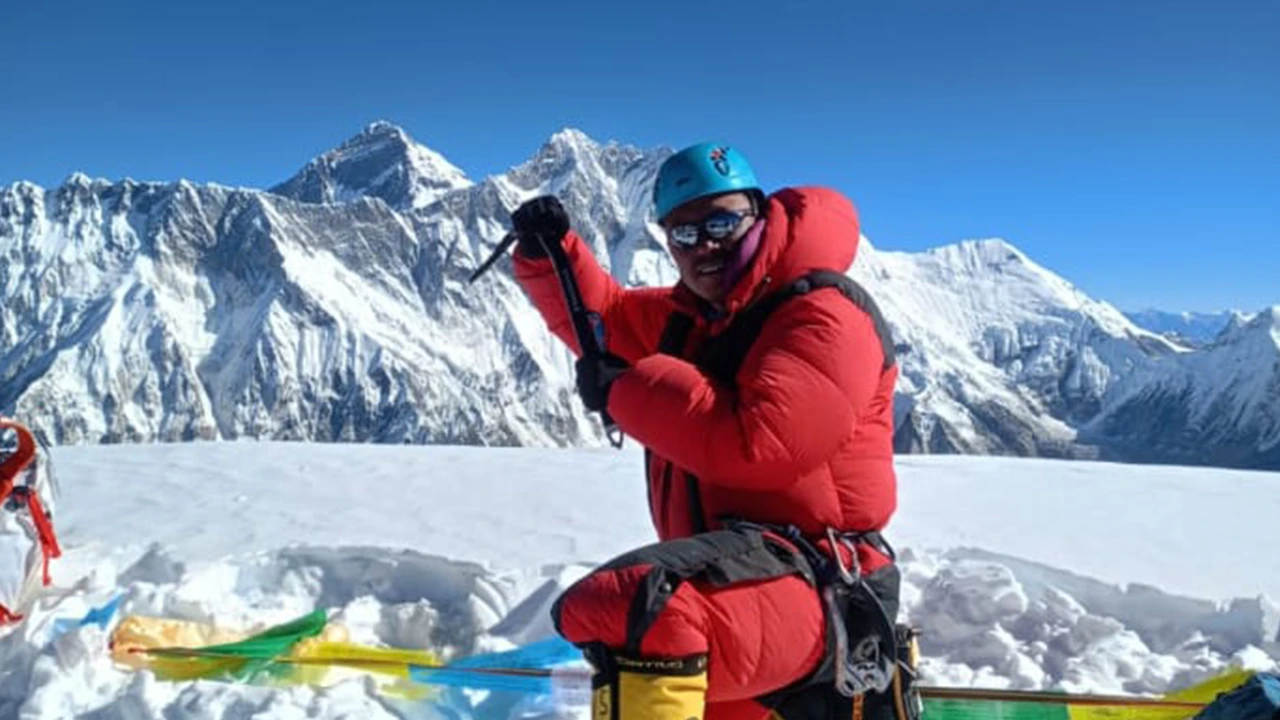
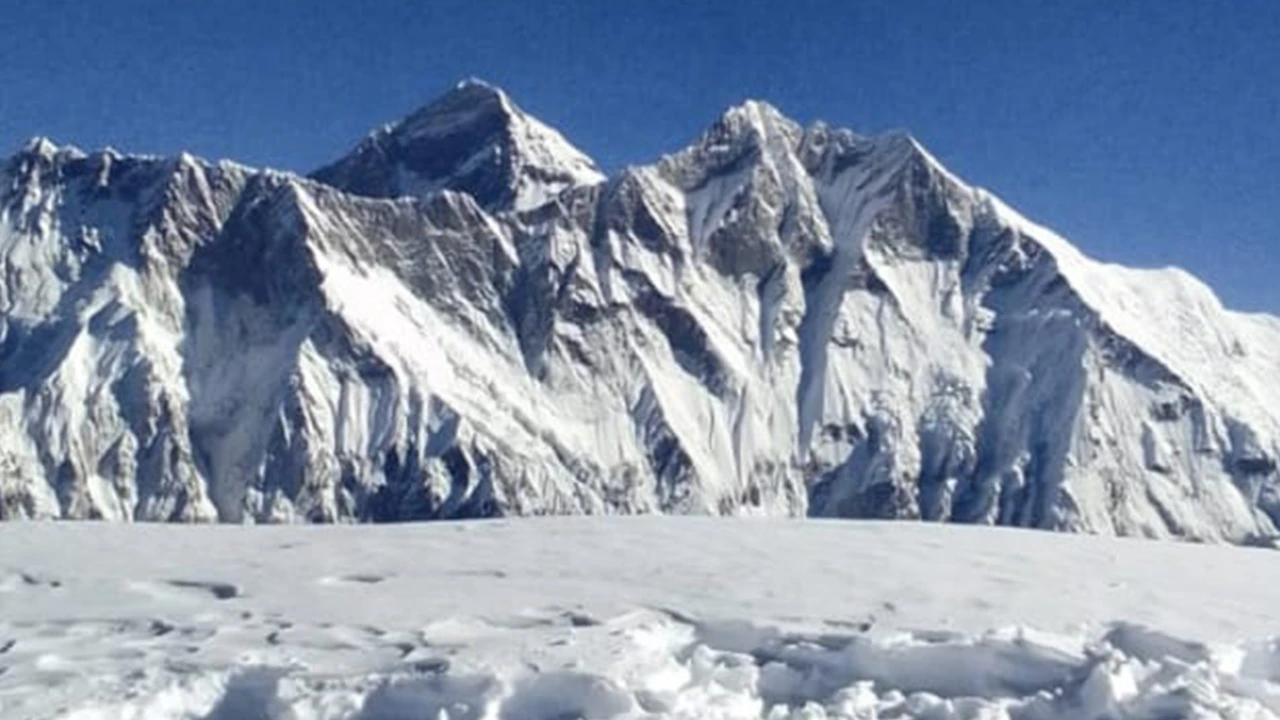
The Ama Dablam Expedition (28 Days) is one of the most sought-after mountaineering adventures in Nepal, often described as the Matterhorn of the Himalayas for its striking pyramid-shaped peak. Standing at 6,812 meters (22,349 ft), Ama Dablam offers a technically challenging yet achievable climb for experienced mountaineers, blending ice, rock, and mixed climbing with breathtaking views of Everest, Lhotse, Makalu, and Cho Oyu.

This 28-day Ama Dablam Expedition is designed to give climbers the right balance of trekking, acclimatization, and technical preparation before making the summit push. The journey begins with a scenic flight to Lukla followed by a trek through iconic Sherpa villages like Namche Bazaar, Tengboche, and Pangboche, where climbers experience the unique Sherpa culture, ancient monasteries, and spiritual blessings that have guided Himalayan expeditions for decades.

Why Choose the Ama Dablam Expedition?

Unlike Everest or other 8,000-meter peaks, Ama Dablam is not about extreme altitude alone it’s about technical skills, precision, and alpine-style climbing. The expedition requires rock climbing, ice climbing, fixed rope use, and exposure to mixed terrains, making it a training ground for future Himalayan expeditions. Despite its challenges, it is considered a more accessible expedition for climbers with prior high-altitude and technical experience.

The climbing route typically follows the Southwest Ridge, known for its technical pitches, exposed ridges, and steep ice sections, all of which make Ama Dablam one of the most rewarding climbs in the world. From high camps, climbers enjoy panoramic Himalayan views, including the Everest massif and the Khumbu Valley below.

Expedition Itinerary at a Glance

The 28-day Ama Dablam Expedition begins with acclimatization treks in the Khumbu region before moving to Base Camp at 4,600m. Rotations to higher camps allow climbers to adjust to altitude while practicing rope work and technical climbing techniques. The summit push typically takes place after establishing Camp I (5,700m), Camp II (6,000m), and Camp III (6,300m), with the final ascent reaching the summit at 6,812m.

The descent follows the same route back to Base Camp, with ample time for recovery before retracing the trek to Lukla and flying back to Kathmandu.

Cultural and Scenic Highlights

Beyond the climb itself, the expedition is a cultural and scenic journey. The trek to Base Camp passes through Sagarmatha National Park, a UNESCO World Heritage Site, where climbers may spot Himalayan wildlife such as musk deer, snow leopards, and colorful pheasants. Visiting Tengboche Monastery, one of the most spiritual centers in the Khumbu, provides blessings from Buddhist monks—a ritual followed by many climbers before facing the mountain.

Evenings in Namche Bazaar offer a taste of local Sherpa hospitality, with vibrant tea houses, bakeries, and mountain lodges providing comfort amidst the wilderness.

Who is Ama Dablam For?

The Ama Dablam Expedition (28 Days) is ideal for climbers who:

  • Have previous experience in high-altitude climbing (above 6,000m).
  • Possess technical knowledge of rope handling, crampons, ice axes, and fixed rope climbing.
  • Are physically and mentally prepared for long, demanding days on steep rock and ice.

It is often seen as a stepping stone for future 8,000-meter expeditions, including Everest, Lhotse, and Makalu, due to its technical difficulty and alpine exposure.

Why Ama Dablam is Special

Ama Dablam is more than just a mountain—it is a symbol of the Khumbu region, its name meaning “Mother’s Necklace,” inspired by the glacier hanging from the peak like a pendant. For climbers, it offers not only world-class technical challenges but also cultural immersion in Sherpa traditions, a spiritual connection with the Himalayas, and the pride of summiting one of the world’s most iconic peaks.

Ama Dablam Expedition 28 Days | Major Highlights

  • Summit Ama Dablam (6,812m) via the Southwest Ridge.
  • Trek through Khumbu region, passing Namche Bazaar, Tengboche, Pangboche, and other Sherpa villages.
  • Explore Sagarmatha National Park, a UNESCO World Heritage Site.
  • Witness panoramic views of Everest, Lhotse, Nuptse, Makalu, and Cho Oyu.
  • Acclimatization climbs at Camp I, II, III with technical training.
  • Visit Tengboche Monastery and experience Sherpa culture.
  • Wildlife spotting including Himalayan snow leopards, musk deer, and pheasants.
  • Stay in base camp and high-altitude camps, with full support from experienced guides and Sherpa team.
Day 1 — Arrival in Kathmandu and Transfer to Hotel
Elevation 1400 m
Distance ⟺ 20–40 minutes (airport transfer)

Upon arrival at Tribhuvan International Airport (TIA), you will complete visa formalities at the Immigration counter. One of our representatives will meet and greet you, ensuring a smooth transition to your hotel in the heart of Thamel, Kathmandu. Thamel is bustling with shops, cafes, and restaurants, giving you an opportunity to explore local culture, handicrafts, and cuisines. This day is essential for recovering from long international flights, hydrating, and getting ready for your high-altitude adventure. Hotel amenities provide comfortable rooms, hot showers, and areas to rest your legs. Evening walks through Thamel allow you to observe the vibrant city life, street markets, and temples. While there are no physical trekking activities today, it’s important to check your equipment, start adjusting to the altitude, and mentally prepare for the upcoming expedition. You can also meet fellow trekkers and your guide team, discuss expedition details, and ask questions about gear and health. Staying relaxed and hydrated sets a strong foundation for the high-altitude days ahead.

Accomodation: Hotel
Meals: Lunch & Dinner
Duration: 30–40 min
Day 2 — Official Formalities, Gear Check, and Shopping
Elevation 1400 m
Distance ⟺ 5 km (city walking)

The second day is devoted to preparing for the expedition. All necessary permits are obtained, including TIMS cards, Sagarmatha National Park entry, and Ama Dablam climbing permits. A thorough gear check ensures that all climbing equipment, clothing, and essentials function properly. This includes harnesses, ropes, crampons, ice axes, sleeping bags, and high-altitude clothing layers. Participants are briefed in detail about expedition logistics, base camp facilities, acclimatization protocols, emergency plans, and route expectations. A shopping trip may be included for last-minute necessities such as trekking poles, gloves, sunblock, or medications. Interacting with Sherpa guides and fellow climbers provides a chance to discuss teamwork, safety protocols, and personal responsibilities. Kathmandu’s streets also offer cultural insights, temples, and scenic heritage spots during breaks. Meals at the hotel will be nourishing to prepare your body for trekking, including a balanced mix of carbohydrates, protein, and vegetables. Overnight, restful accommodation allows travelers to recharge, hydrate, and focus on high-altitude preparation before the flight to Lukla.

Accomodation: Hotel
Meals: Breakfast, Lunch & Dinner
Duration: 4–5 hours
Day 3 — Fly to Lukla (2,860 m) & Trek to Phakding (2,610 m)
Ups ↑ 200 m
Elevation 2860 m
Distance ⟺ 8 km

The morning begins with a scenic 25-minute flight from Kathmandu to Lukla, offering breathtaking aerial views of the Himalayan foothills, terraced valleys, and snow-capped peaks. Lukla Airport is an exhilarating experience, perched on a cliffside runway. Upon landing, meet your Sherpa team and porters who will assist with transporting luggage to Phakding, the day’s trekking destination. The trail follows the Dudh Koshi River, crossing numerous suspension bridges and small settlements. Terrain consists of dirt paths, stone staircases, and occasional rocky sections. Trekking is gentle initially, allowing your body to adjust to altitude. Flora along the trail includes pine, rhododendron, and juniper, while fauna may include Himalayan monals, langurs, and various bird species. Trekking distance is around 8 km, usually completed in 3–4 hours, with some minor ascents and descents. At Phakding, stay in cozy lodges, enjoy warm meals, and rest. The evening allows time to appreciate the river valley, interact with locals, and prepare mentally for the next day’s longer trek to Namche Bazaar.

Accomodation: Lodge
Meals: Breakfast, Lunch & Dinner
Duration: 3–4 hours
Day 4 — Trek to Namche Bazaar (3,440 m)
Ups ↑ 790 m
Elevation 3440 m
Distance ⟺ 10–12 km

Trekking to Namche Bazaar, the commercial and cultural hub of the Khumbu region, is physically demanding due to its continuous ascent. The trail passes through Sagarmatha National Park, offering dense forests of pine, rhododendron, and juniper. You may spot Himalayan wildlife such as musk deer, langurs, and pheasants. Multiple river crossings and stone stairways punctuate the trail, providing natural challenges. Villages along the way, like Monjo, offer a glimpse into Sherpa culture and traditional lifestyles. After 6–7 hours of trekking over 10–12 km, you arrive in Namche Bazaar, surrounded by stunning views of Ama Dablam, Thamserku, and Kangtega. Overnight, stay in a comfortable lodge with warm meals and hot showers where possible. Trekking at this altitude (3,440 m) requires careful attention to pacing and hydration. Optional short hikes, such as to Everest View Point (3,900 m), help with acclimatization while providing panoramic views of Everest and Lhotse. Evening allows interaction with local Sherpas, exploration of the marketplace, and cultural immersion.

Accomodation: Lodge
Meals: Breakfast, Lunch & Dinner
Duration: 6–7 hours
Day 5 — Acclimatization Day at Namche Bazaar
Ups ↑ 460 m
Elevation 3440 m
Distance ⟺ 3–5 km (short acclimatization hikes)

Acclimatization day is crucial for adapting to higher altitudes and preventing Acute Mountain Sickness (AMS). Light hikes around Namche Bazaar help your body adjust to lower oxygen levels. You may hike to Everest View Point (3,900 m) for breathtaking views of Mt. Everest, Lhotse, and Ama Dablam, then descend back to the lodge. Short excursions allow observation of Sherpa villages, monasteries, and cultural practices. Namche Bazaar is vibrant, with local shops selling handicrafts, trekking gear, and traditional food. The surrounding forested hills provide sightings of Himalayan pheasants, red pandas (rare), and various alpine birds. Meals include local and Western cuisine, carefully designed to provide energy for trekking. This day emphasizes rest, hydration, nutrition, and minimal exertion, ensuring you are physically ready for the challenging climbs ahead. Evenings can be spent journaling, photography, or learning about Sherpa culture from locals.

Accomodation: Lodge
Meals: Breakfast, Lunch & Dinner
Duration: 2–3 hours of walking
Day 6 — Trek to Tengboche (3,860 m)
Ups ↑ 420 m
Elevation 3860 m
Distance ⟺ 8–9 km

From Namche Bazaar, the trail ascends gradually through forests of pine, juniper, and rhododendron, offering lush scenery and frequent sightings of Himalayan wildlife, including Himalayan monals, langurs, and musk deer. The trek passes small villages like Khumjung, where you can observe traditional stone houses, mani walls, prayer flags, and the legendary Yeti skull on display in the local monastery. As you approach Tengboche, the iconic monastery perched on a ridge, the views of Mt. Everest, Nuptse, Lhotse, and Ama Dablam become increasingly breathtaking. The monastery is a spiritual center for the Sherpa community, and trekkers often witness Buddhist prayer ceremonies, chanting monks, and the fluttering of prayer flags, creating a serene atmosphere. Trekking duration is around 5–6 hours over approximately 8–9 km, with a steady uphill climb of roughly 420 m. The lodges in Tengboche provide warm meals and comfortable beds, and this is the last major village before the higher, less inhabited regions of the Ama Dablam approach. This day is important for acclimatization and observing the rich Sherpa culture. Evenings can be spent meditating, photographing the peaks, or enjoying the panoramic sunset over the Himalayas.

Accomodation: Teahouse
Meals: Breakfast, Lunch & Dinner
Duration: 5–6 hours
Day 7 — Trek to Pangboche (3,985 m)
Ups ↑ 115 m
Elevation 3985 m
Distance ⟺ 7 km

The trek from Tengboche to Pangboche is moderately challenging, covering roughly 7 km in 4–5 hours with an elevation gain of about 125 m. The trail passes through scenic forests and small glacial valleys, offering spectacular views of Ama Dablam’s western face, Thamserku, and Kangtega. Along the way, trekkers may observe yaks grazing in alpine meadows and Himalayan birds like the chough and snowcock. Pangboche is one of the oldest Sherpa villages in the region, famous for the Pangboche Monastery, believed to house a piece of a Yeti scalp. The village offers insight into Sherpa culture and religious practices, with prayer flags, mani stones, and traditional stone-and-timber homes. Lodges here provide basic but warm accommodations, with hot meals and communal dining areas, and trekkers can enjoy local dishes like dal bhat while taking in the surrounding mountain panorama. Trekking this day also allows the body to adjust to higher altitudes before heading toward the base camp. Evenings can be spent walking around the village, interacting with locals, and observing their lifestyle, which is deeply connected to mountaineering and Buddhist traditions.

Accomodation: Teahouse
Meals: Breakfast, Lunch & Dinner
Duration: 4–5 hours
Day 08 — Trek to Ama Dablam Base Camp (4,450 m)
Ups ↑ 465 m
Elevation 4450 m
Distance ⟺ 6–7 km

From Pangboche, the trek heads to the Ama Dablam Base Camp, nestled beneath the imposing west face of the peak at 4,450 m. The trail begins by crossing the Imja River via a suspension bridge and gradually ascends through high-altitude tree lines filled with junipers and alpine vegetation. This section is quieter and less populated, providing a sense of wilderness and tranquility. The view of Ama Dablam’s majestic face dominates the skyline, along with surrounding peaks like Kangtega (6,783 m), Thamserku (6,618 m), and Taboche (6,542 m). Trekking distance is approximately 6–7 km over 4–5 hours, with steady elevation gain. Base camp is a grassy plateau used for climbing rotations and acclimatization. Camp setup includes tents for sleeping, dining, and storage, and meals are freshly prepared by the high-altitude kitchen team. This day allows climbers to begin acclimatization at higher altitudes while preparing mentally for technical climbing. The peaceful environment encourages reflection, photography, and connecting with nature. The surrounding terrain includes moraine rocks, glacial streams, and occasional snow patches. Evenings at base camp provide opportunities to review climbing strategies, prepare gear, and enjoy the incredible sunset on Ama Dablam’s towering face.

Accomodation: Camp Tent
Meals: Breakfast, Lunch & Dinner
Duration: 4–5 hours
Days 09–12 — Prayer Ceremony, Training & Acclimatization at Base Camp (4,450 m)
Ups ↑ 50m m
Elevation 4450 m
Distance ⟺ 3–5 km per day (short acclimatization hikes)

These days are dedicated to acclimatization, spiritual preparation, and technical training, which are crucial for a successful ascent of Ama Dablam. Early in the morning, climbers participate in a traditional Buddhist prayer ceremony led by Sherpa monks. This ceremony is believed to bless climbers with safety, courage, and good fortune for the expedition ahead. It is also a spiritual experience, allowing climbers to connect with the sacred energy of the Himalayas and gain insight into Sherpa culture and Buddhist traditions.

During the day, climbers practice technical climbing skills such as using ice axes, crampons, harnesses, and fixed ropes. Short rotations are made to higher points around the base camp, often ascending 50–100 m above base camp, to stimulate acclimatization while minimizing fatigue. These short hikes help the body adapt to lower oxygen levels and improve cardiovascular endurance, essential for high-altitude climbing.

The base camp terrain consists of grassy meadows interspersed with moraine rocks, with occasional snow patches and streams. The panoramic views include Ama Dablam’s west face, Taboche, Thamserku, and the Khumbu Glacier. Wildlife is sparse at this altitude but may include yak herds, Himalayan snowcocks, and occasional birds of prey.

Meals are high-calorie, nutrient-dense, and freshly prepared by the base camp kitchen team to ensure climbers maintain energy levels. Evenings are spent checking equipment, reviewing climbing plans, hydrating, and resting, as sleep is crucial for acclimatization. These days allow climbers to mentally and physically prepare, fostering confidence, teamwork, and resilience needed for the technical ascent.

Accomodation: Teahouse
Meals: Breakfast, Lunch & Dinner
Duration: 2–4 hours of walking or climbing practice each day
Days 13–24 — Climbing Period of Ama Dablam (6,812 m)
Down ↓ 2338 m
Elevation 6812 m
Distance ⟺ 3–6 km/day

The climb begins with an early breakfast at Base Camp. We traverse easy terrain initially, following gentle moraines and rocky paths along the south-east ridge. Gradually, the route becomes steep and technical, with sections requiring the use of fixed ropes, crampons, and ice axes. Climbers encounter loose rock slabs and occasional snowfields, where caution and steady pacing are essential. Camp I is located at 5,700 m on a stable plateau, offering space for sleeping tents, a small dining area, and storage. This day provides a mental challenge as well as physical, as climbers adapt to higher altitudes. Views of Ama Dablam’s west face, Taboche, Thamserku, and surrounding ridges are awe-inspiring. Evenings are spent hydrating, reviewing summit strategies, and resting, preparing for the next day’s rotation.

Today, climbers ascend steeper terrain, including snowy slopes and mixed rock-ice ridges. The distance is shorter but technically demanding, with fixed ropes guiding through narrow, icy sections. Camp II is set up at 5,900 m, near a glacial slope where climbers practice rope handling and glacier navigation. After acclimatization, climbers return to Camp I for overnight rest. This rotation is crucial for acclimatization, improving oxygen efficiency, and building confidence on technical sections. Meals at Camp I are nutrient-rich, and evenings focus on gear checks, route planning, and rest.

This day is dedicated to a full Camp II stay, allowing climbers to further acclimatize before the summit. The route involves navigating crevasses, icy ridges, and snow slopes up to 50 degrees, relying on fixed ropes and Sherpa guidance. Short technical drills and practice on steep slabs ensure climbers are comfortable with ice climbing techniques. Evening at Camp II emphasizes hydration, nutrition, and mental preparation for the summit push.

The summit push begins early, often around 2–3 AM. Climbers ascend steep ice and rock slopes using crampons and ice axes, tackling angles up to 75 degrees. The final ridge before the summit offers panoramic views of Mount Everest, Lhotse, Nuptse, Makalu, and surrounding peaks. The round trip from Camp II to the summit and back can take 8–12 hours, depending on weather and climber speed. Careful pacing, hydration, and teamwork are essential. After descending, climbers rest at Camp II, celebrating the summit achievement and documenting the experience.

The remaining days include additional rotations between Base Camp, Camp I, and Camp II if weather delays summit attempts. Climbers consolidate technical skills, adjust to altitude, and monitor weather windows. Once the summit is successfully achieved, the team descends to Base Camp (4,450 m) for rest and recovery. During these days, climbers enjoy glacial landscapes, panoramic Himalayan views, and interaction with Sherpa teams, emphasizing safety and proper acclimatization. Meals are consistently high-energy, nutritious, and tailored for high-altitude needs. Base Camp evenings allow for social bonding, reflection, and gear maintenance, preparing for the trek back to lower elevations.

Accomodation: Teahouse
Meals: Breakfast, Lunch & Dinner
Duration: 6–12 hours/day
Day 25 — Trek Back to Namche Bazaar (3,440 m)
Down ↓ 1010 m
Elevation 3440 m
Distance ⟺ 12–14 km

After the successful summit of Ama Dablam, today marks the start of our descent from high-altitude base camp to the vibrant Sherpa town of Namche Bazaar. Descending is both physically relaxing and mentally rewarding, allowing climbers to reflect on their achievements while gradually returning to lower elevations. We begin the trek with a gentle downhill along the trail, passing by the same scenic landscapes we traversed during the ascent. The path is lined with glacial moraines, rocky ridges, and alpine meadows, providing an excellent opportunity to appreciate the surrounding Himalayan peaks from a lower vantage point.

The descent requires careful attention to footing, especially on loose gravel and rocky sections. The trail gradually merges with the Imja River and then the Dudh Koshi valley, where you may spot grazing yaks, Himalayan snowcocks, and other local wildlife. As we approach Namche Bazaar, the vegetation shifts from high-altitude shrubs to densely forested pine, rhododendron, and juniper groves, providing a pleasant contrast from the barren high camp terrain.

Upon arrival in Namche Bazaar, we check into a comfortable lodge where hot showers, warm meals, and a cozy bed await — a welcome comfort after days of camping at extreme altitudes. The evening can be spent exploring the local bazaar, interacting with Sherpas, or visiting the Sherpa Museum and Everest Photo Gallery. Meals are hearty and nutritious, helping the body recover from altitude stress and physical exertion. This day emphasizes rest, relaxation, and acclimatization, preparing the body for the final trek back to Lukla.

Accomodation: Lodge
Meals: Breakfast, Lunch & Dinner
Duration: 5–7 hours
Day 26 — Trek Back to Lukla (2,840 m)
Down ↓ 600 m
Elevation 2840 m
Distance ⟺ 16 km

After days of high-altitude climbing, today we begin our descent from Namche Bazaar to Lukla, retracing the trail through the picturesque Khumbu region. The descent is a rewarding and scenic journey, offering stunning views of the Sagarmatha National Park, river valleys, and terraced settlements. The path gradually winds downward through lush rhododendron and pine forests, with occasional glimpses of Thamserku, Kongde Ri, and Ama Dablam from a distance.

As we descend, we pass through the villages of Monjo and Phakding, where locals carry out traditional activities and trade along the trail. The Dudh Koshi River accompanies us for much of the way, its rushing waters and suspension bridges adding to the trek’s charm. Walking downhill requires steady pacing and careful footing, particularly on gravel or stone paths. Along the way, we may encounter porters and yaks transporting goods to higher villages, a reminder of the region’s remote lifestyle and resilience.

Upon reaching Lukla, we rest in a cozy lodge. The lodge offers comfortable rooms, hot showers, and hearty meals, a welcome luxury after weeks of camping and trekking. The evening provides an opportunity to relax, reflect on the climb, and celebrate achievements with fellow climbers. Today’s trek also allows the body to recover from high-altitude exertion, as descending gradually helps restore oxygen saturation and relieve fatigue.

This day is an ideal combination of scenic enjoyment, cultural exposure, and physical recovery, providing the perfect transition from the challenging expedition to the comforts of Lukla.

Accomodation: Hotel
Meals: Breakfast, Lunch & Dinner
Duration: 6–8 hours
Day 27 — Fly Back to Kathmandu (1,400 m)
Down ↓ 1440 m
Elevation 1400 m
Distance ⟺ 200 km (air distance from Lukla to Kathmandu)

After completing the challenging Ama Dablam expedition and descending to Lukla, today we take a scenic and thrilling flight back to Kathmandu, marking the transition from high-altitude trekking to urban relaxation. The flight, lasting approximately 25 minutes, provides breathtaking views of the Khumbu Himalayas, glaciers, snow-capped peaks, and terraced valleys from a bird’s-eye perspective. As we soar above the region, climbers can reflect on the journey, marvel at the majesty of peaks like Ama Dablam, Everest, Nuptse, and Lhotse, and appreciate the remoteness and natural beauty of the Khumbu region.

Upon landing at Tribhuvan International Airport, our team welcomes you and transfers you to a comfortable 3–5 star hotel in Kathmandu, where you can freshen up and relax after weeks of trekking and climbing. The afternoon is free for sightseeing, shopping, or exploring cultural landmarks. Popular options include visiting Thamel for souvenirs, Boudhanath Stupa, Pashupatinath Temple, or Durbar Square.

Meals are light and replenishing, with breakfast served before departure. The rest and low-altitude environment help your body recover from high-altitude exertion and gradually readjust to normal oxygen levels. Evenings can be spent enjoying traditional Nepali cuisine, cultural shows, or simply relaxing, reflecting on the adventure, bonding with fellow climbers, and cherishing the memories made in the Himalayas.

This day is a combination of scenic beauty, cultural immersion, and physical recovery, providing a gentle yet satisfying closure to the expedition portion of the journey.

Accomodation: Hotel
Meals: Breakfast, Lunch & Dinner
Duration: 25 minutes (flight) + transfer to hotel
Day 28 — Final Departure to Home (1,400 m)
Elevation 1400 m

After an exhilarating and unforgettable adventure in the Khumbu region and the majestic Himalayas, today marks the final day of your journey in Nepal. Following breakfast at your hotel, our representative will arrive to assist with your airport transfer, ensuring a smooth and timely departure. It is recommended to leave the hotel at least three hours before your scheduled international flight to accommodate check-in procedures, security, and potential traffic delays in Kathmandu.

This day is filled with reflections and gratitude as climbers and trekkers recall the highlights of their expedition — the challenging ascent of Ama Dablam, the breathtaking Himalayan landscapes, the cultural encounters in Sherpa villages, and the camaraderie shared with fellow adventurers and guides. While there is no formal trekking today, the emotional journey is profound, leaving a lasting impression on your heart and mind.

Before boarding your flight, this is the perfect time to capture a few final photographs, exchange contacts with your trekking team, and purchase any last-minute souvenirs. The airport transfer is comfortable and well-organized, minimizing stress during the final moments in Nepal.

Although the physical journey concludes here, the memories, skills, and experiences gained from this expedition will remain with you for a lifetime. With warm farewells and heartfelt gratitude, our team ensures that your departure is smooth, safe, and filled with the anticipation of future adventures in the Himalayas.

Meals: Breakfast
Cost Includes
  • Airport transfers in Kathmandu.
  • Domestic flights (Kathmandu–Lukla–Kathmandu).
  • Accommodations: 4-star hotels in Kathmandu and tea houses/lodges during trek.
  • Full board meals during trek (breakfast, lunch, and dinner).
  • Experienced mountaineering guides and Sherpa support.
  • Climbing permits and Sagarmatha National Park entry fees.
  • Oxygen support and high-altitude medical kit.
  • Trekking and climbing equipment (fixed ropes, ladders, tents, kitchen equipment).
  • Cultural experiences in Sherpa villages and monasteries.
Cost Excludes
  • International airfare to/from Nepal.
  • Personal climbing gear (boots, harness, crampons, ice axe, helmet, etc.).
  • Travel insurance (high-altitude trekking & climbing coverage required).
  • Tips for guides, porters, and staff.
  • Meals in Kathmandu outside of hotels.
  • Optional sightseeing or activities not mentioned in the itinerary.
All Information
Equipment Checklist for Amadablam Expedition

Equipment Checklist

FAQs

The best climbing seasons are pre-monsoon (March–May) and post-monsoon (September–November). During these periods, the weather is more stable, skies are clear, and temperatures are ideal for climbing. Summer months (June–August) are less favorable due to heavy rainfall and avalanche risk.

Ama Dablam is a technically challenging peak. Climbers must have prior high-altitude experience and be skilled in ice climbing, rock climbing, and fixed rope techniques. The expedition involves steep ridges, glacier travel, and exposure to wind and cold.


Climbing Ama Dablam without a certified guide is not recommended. The mountain is technically demanding, and a professional Sherpa guide ensures safety, route knowledge, and logistic support.

High cardiovascular endurance, strength, and experience in alpine climbing are essential. Climbers should be comfortable trekking for 6–8 hours per day at altitudes above 5,000 meters.

Yes, the itinerary includes rotational climbs to higher camps (Camp I, II, III), along with rest days in Namche Bazaar and Base Camp to adjust to high altitude and minimize risks of Acute Mountain Sickness (AMS).

Essential climbing gear includes:

  • Mountaineering boots compatible with crampons
  • Ice axe and crampons
  • Climbing harness, helmet, and carabiners
  • Cold-weather clothing and gloves
  • Sunglasses and sunscreen
  • Sleeping bag rated for extreme cold

Yes, climbers should have prior experience on technical Himalayan peaks or equivalent rock/ice climbs above 5,000–6,000 meters. Ama Dablam is not suitable for beginners.


Full-board meals are provided during trekking and climbing, prepared by the expedition kitchen staff. Meals include Nepali, continental, and high-calorie mountaineering dishes.

The expedition includes experienced guides, high-altitude medical kits, oxygen support, and fixed ropes. All climbers receive briefings on route hazards, crevasses, and weather conditions.

Yes, many climbers combine Ama Dablam with Island Peak or Mera Peak before or after, using it as a training climb for Everest or other 8,000m peaks.

Amadablam Expedition

Trekking & Hiking Adventure

Region Everest Region
Duration 28
Grade Hard or Moderate
Meal B/L/D
Accomodation Hotel/Lodge/Camp Tent
Best Season Autumn/ Spring
Start/End Kathmandu
Max Altitude 6812
Activity Mountain Expedition

ASSOCIATED WITH

Tourism Board
Nepal Government
Keep
NMA Nepal
TAAN

WE ACCEPT