


Day 12-57 — Everest Expedition Climbing Period (Summit Phase)
The period from Day 12 to Day 57 marks the core of the Everest Expedition, encompassing acclimatization rotations, camp climbs, summit attempts, and returns. This phase is a test of physical endurance, mental resilience, and teamwork, designed to prepare climbers for the world’s highest peak while carefully managing the risks of high-altitude mountaineering.
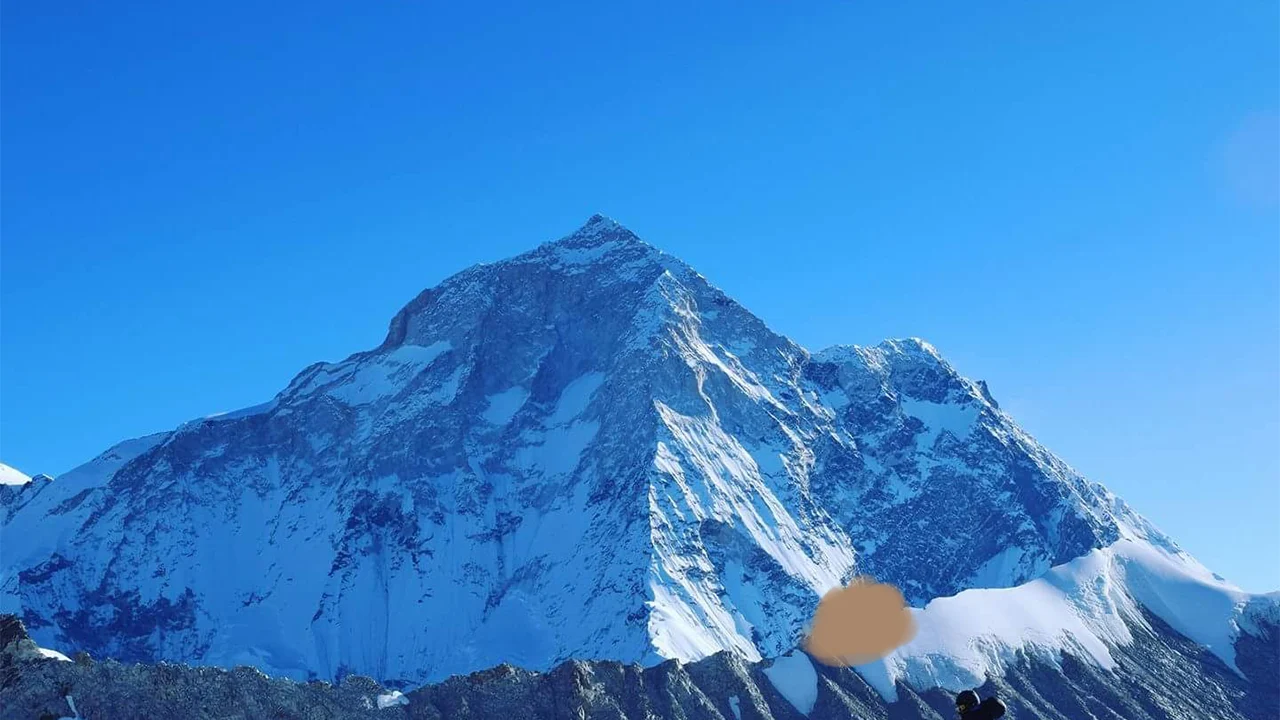
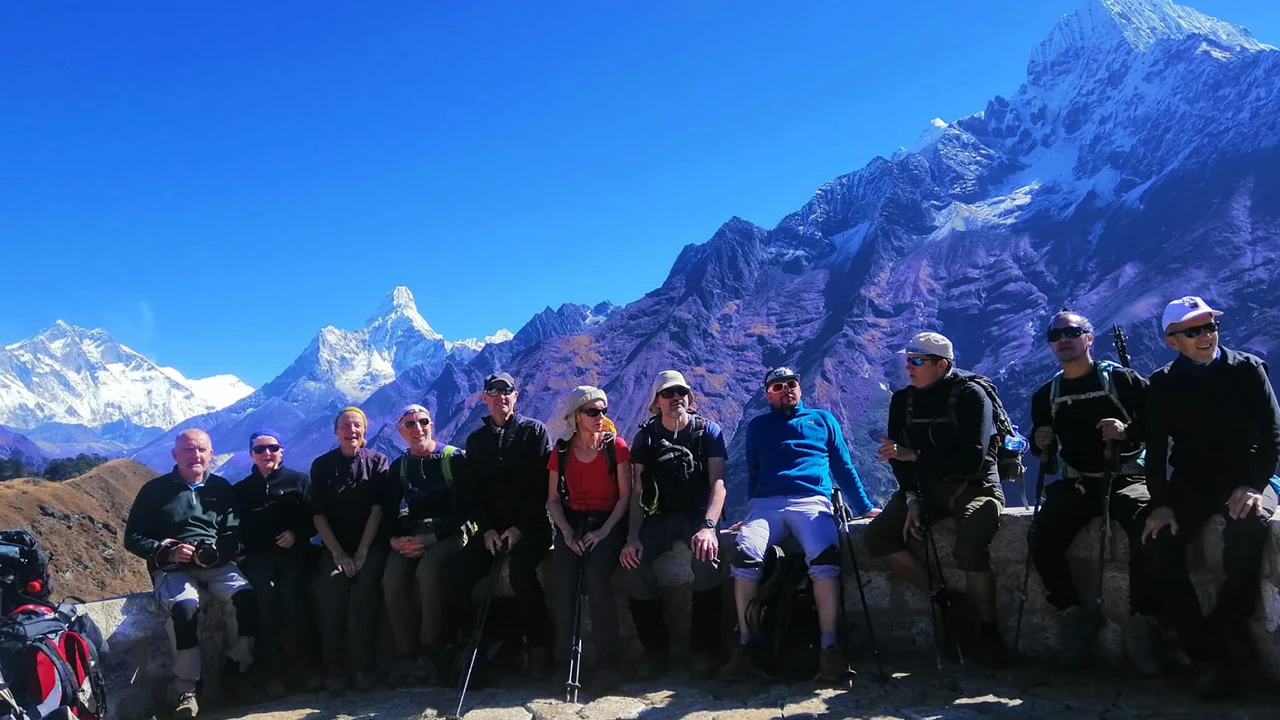
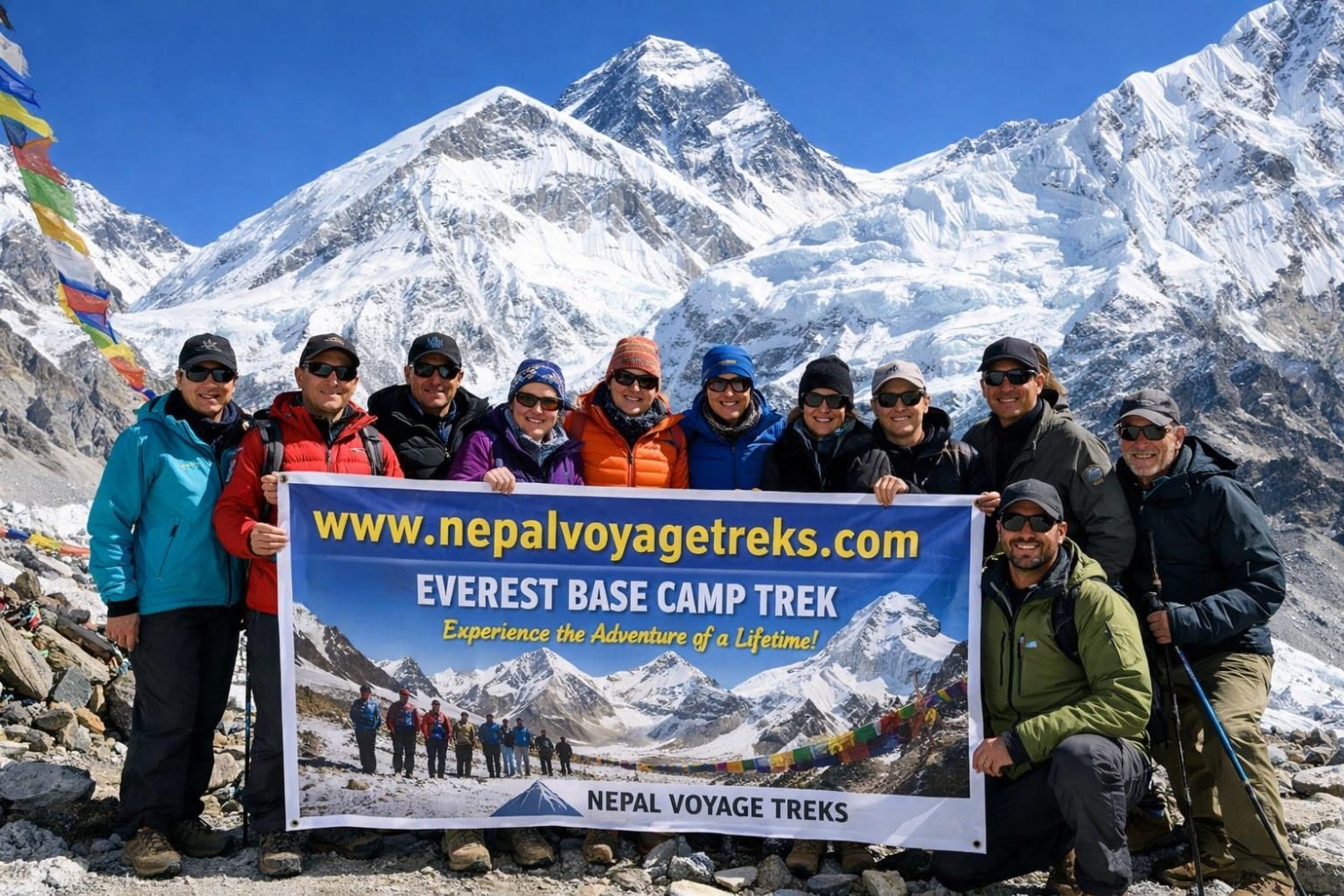
The journey begins with trekking from Lobuche to Everest Base Camp (5,364 m / 17,598 ft), where climbers are welcomed by the vibrant energy of fellow mountaineers, the fluttering Buddhist prayer flags, and the majestic backdrop of Everest, Lhotse, and Nuptse. Base Camp serves as the operational hub, with tents set up for accommodation, meals prepared by experienced cooks, and Sherpa guides coordinating logistics. Here, climbers undergo equipment checks, orientation, and light training on glacier travel and safety protocols, acclimatizing to the altitude gradually.
From Base Camp, climbers begin rotational climbs to higher camps, a crucial process to allow the body to adapt to progressively thinner air. The first rotation leads to Camp I (6,000 m / 19,685 ft) on the Khumbu Icefall’s edge, where careful navigation of ladders, crevasses, and seracs is required. Climbers return to Base Camp after a few hours at Camp I to sleep at lower altitude, consolidating acclimatization.
Subsequent rotations involve ascents to Camp II (6,400 m / 20,997 ft) and Camp III (7,200 m / 23,622 ft) along the Lhotse Face, each day focusing on slow, deliberate movement, hydration, and monitoring for altitude sickness. The terrain becomes increasingly technical, with steep snow slopes, icy ridges, and fixed rope sections demanding full concentration. Every step is methodical, as the air is thin and the margin for error small.
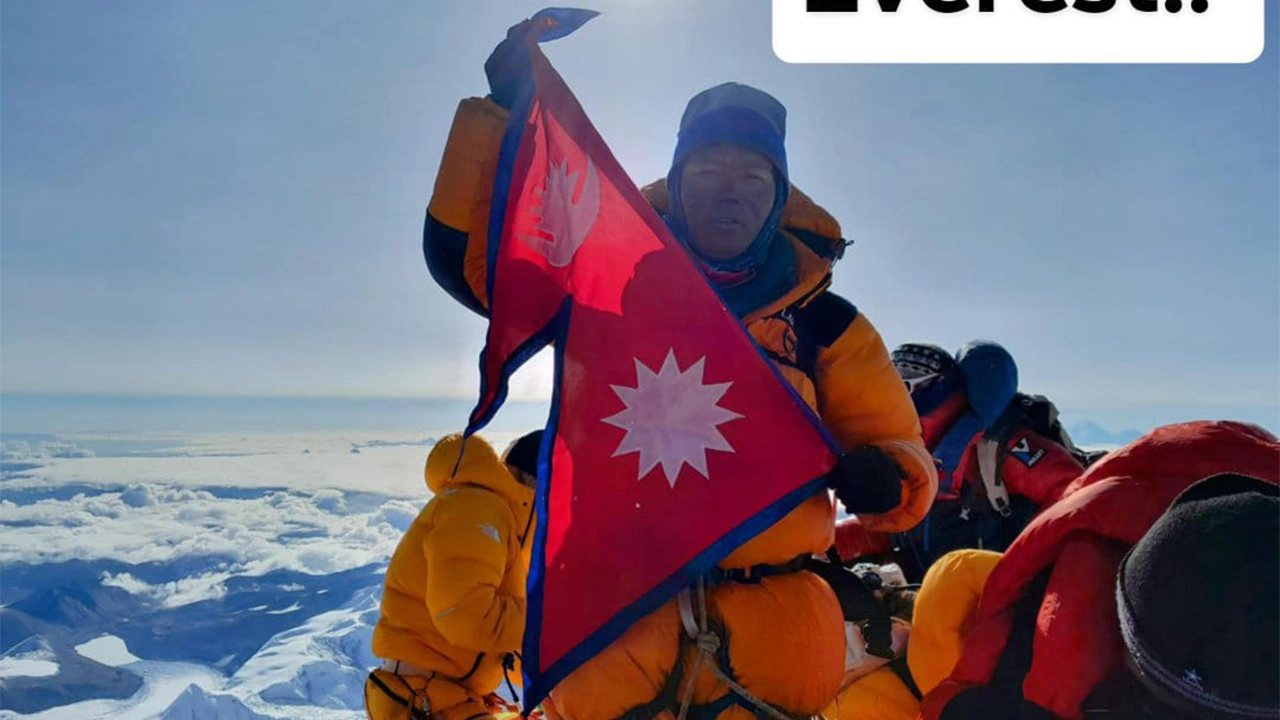
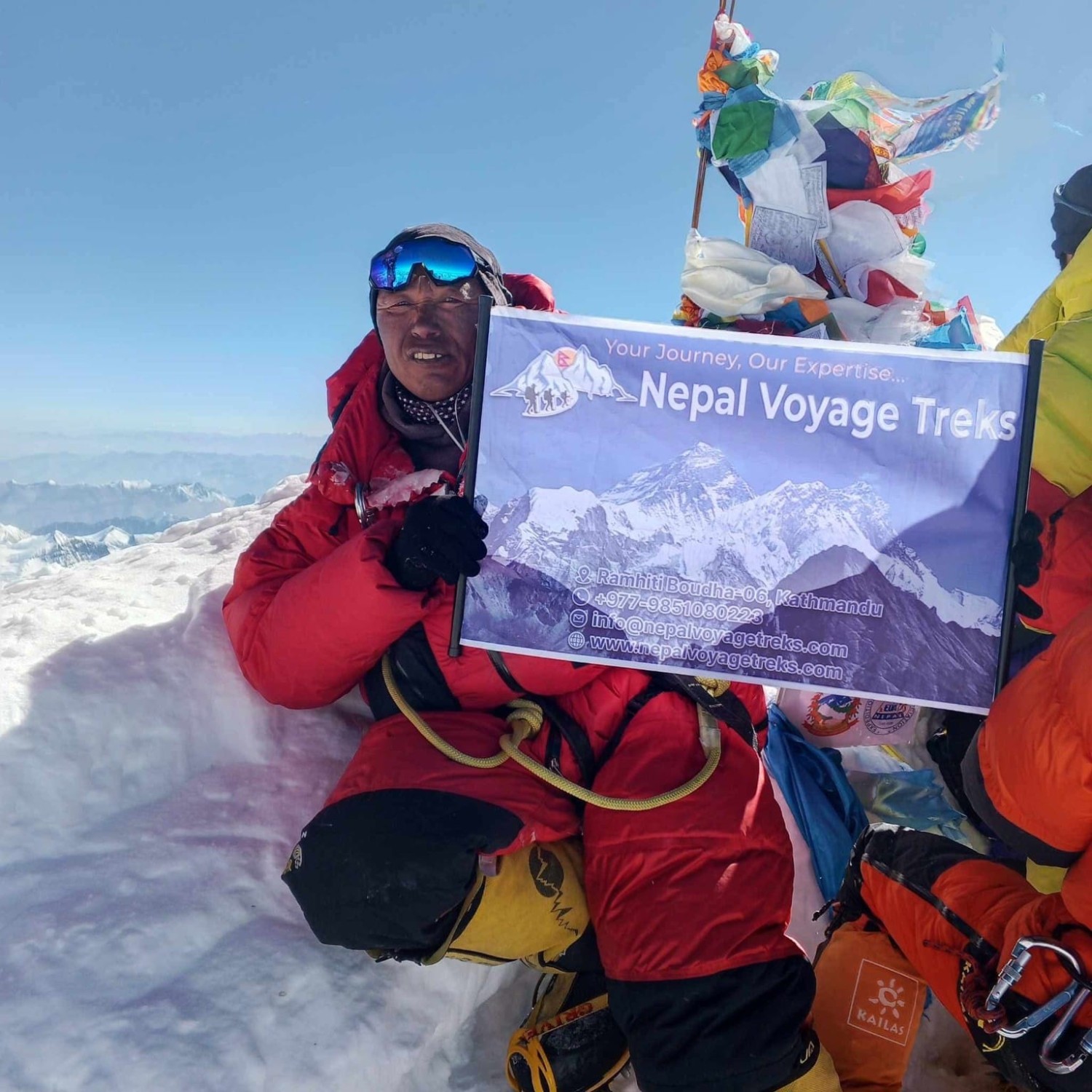
Once acclimatized, climbers advance to Camp IV (7,900 m / South Col), often considered the gateway to the summit, where temperatures are extreme and oxygen levels are less than a third of sea level. From here, the summit push begins, generally timed with optimal weather windows. The ascent to the summit involves crossing the Balcony, the South Summit, the Hillary Step, and finally reaching the Everest Peak (8,848 m / 29,029 ft). Climbers experience jaw-dropping panoramic views of the Himalayas, seeing peaks like Cho Oyu, Makalu, Lhotse, and Nuptse stretching into the horizon. This moment is the culmination of weeks of effort, careful acclimatization, and teamwork, a life-changing achievement.
After summiting, climbers descend back through the same camps, retracing their path to Camp IV, Camp III, Camp II, and Base Camp, ensuring a gradual and safe descent. During this period, climbers may also perform prayer ceremonies, engage in team debriefs, and maintain equipment, all while managing fatigue and weather changes. Each night at the camps is spent resting, eating high-calorie meals, hydrating, and monitoring oxygen use, essential for maintaining energy for the next stage.
Throughout this period, climbers experience the full range of Everest’s environment: glacial formations, towering ice walls, crevassed valleys, and serac fields, while being surrounded by the staggering beauty of the Himalayas. The journey is both physically taxing and mentally inspiring, fostering resilience, self-awareness, and a profound connection with nature. Safety is always the priority, with Sherpa support, medical checks, and constant weather monitoring guiding the expedition.
By the end of Day 57, climbers descend to Base Camp or continue to Lobuche and further down to Lukla, completing the expedition with a deep sense of achievement, unforgettable memories, and a lifetime of stories. The climbing period is a testament to human endurance, preparation, and the spirit of adventure, encapsulating everything that makes an Everest Expedition an unparalleled experience.
Expedition Facts
-
Climbing Period Duration: Day 12–57
-
Base Camp: 5,364 m / 17,598 ft
-
Camp I: 6,000 m / 19,685 ft
-
Camp II: 6,400 m / 20,997 ft
-
Camp III: 7,200 m / 23,622 ft
-
Camp IV / South Col: 7,900 m / 25,918 ft
-
Everest Summit: 8,848 m / 29,029 ft
-
Approx. Total Distance Covered (Climb & Acclimatization Rotations): ~60–70 km
-
Elevation Gain (Approx. Base Camp → Summit): +3,484 m
-
Elevation Loss (Descent Base Camp): -3,484 m
-
Terrain: Glacial, rocky, icy slopes, fixed rope sections, crevasses, seracs
-
Accommodation: Expedition tents at Base Camp and higher camps
-
Key Highlights: Khumbu Icefall, Lhotse Face, Balcony, South Summit, Hillary Step, Everest Summit, panoramic Himalayan views, prayer ceremonies, glacial landscapes
-
Difficulty: Extremely high; requires prior high-altitude mountaineering experience, fitness, and technical climbing skills
-
Support: Sherpa guides, high-altitude porters, oxygen support, medical and safety monitoring