

Your Journey, Our Expertise...
Menu

Pumori Expedition

14 Days • Moderate-Hard • Best season: Autumn/Spring
Pumori Expedition

Overview

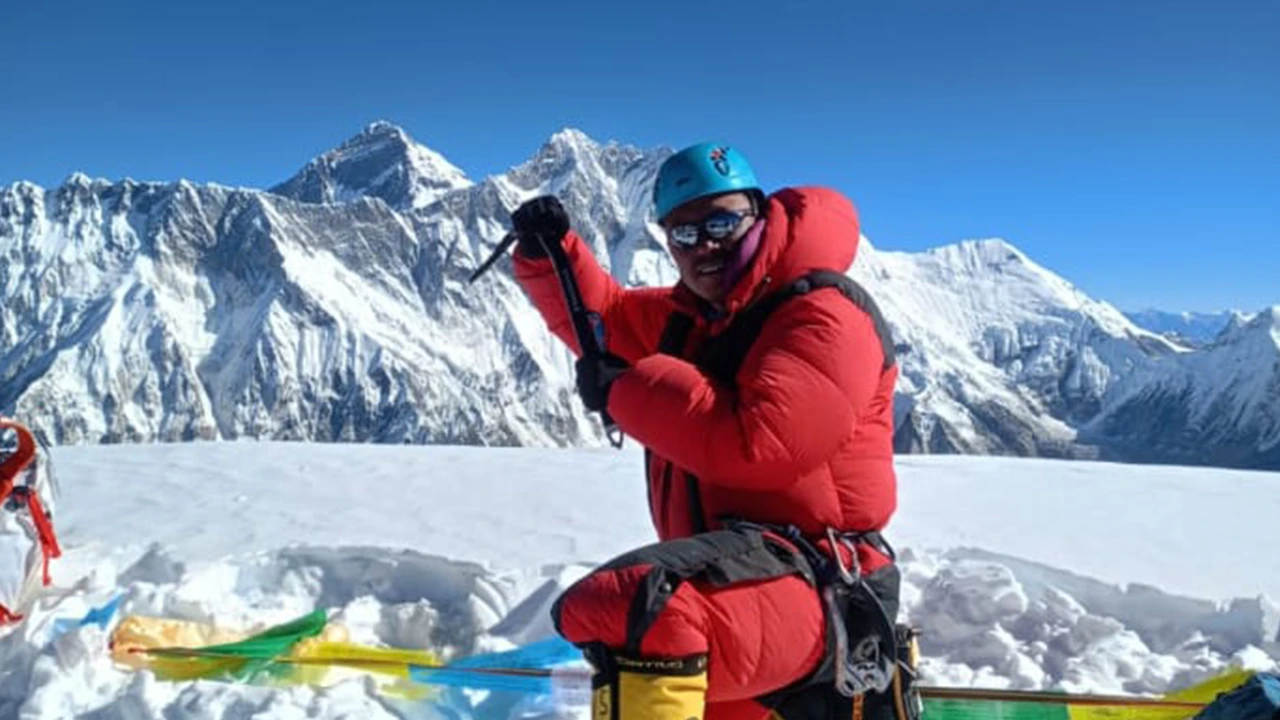
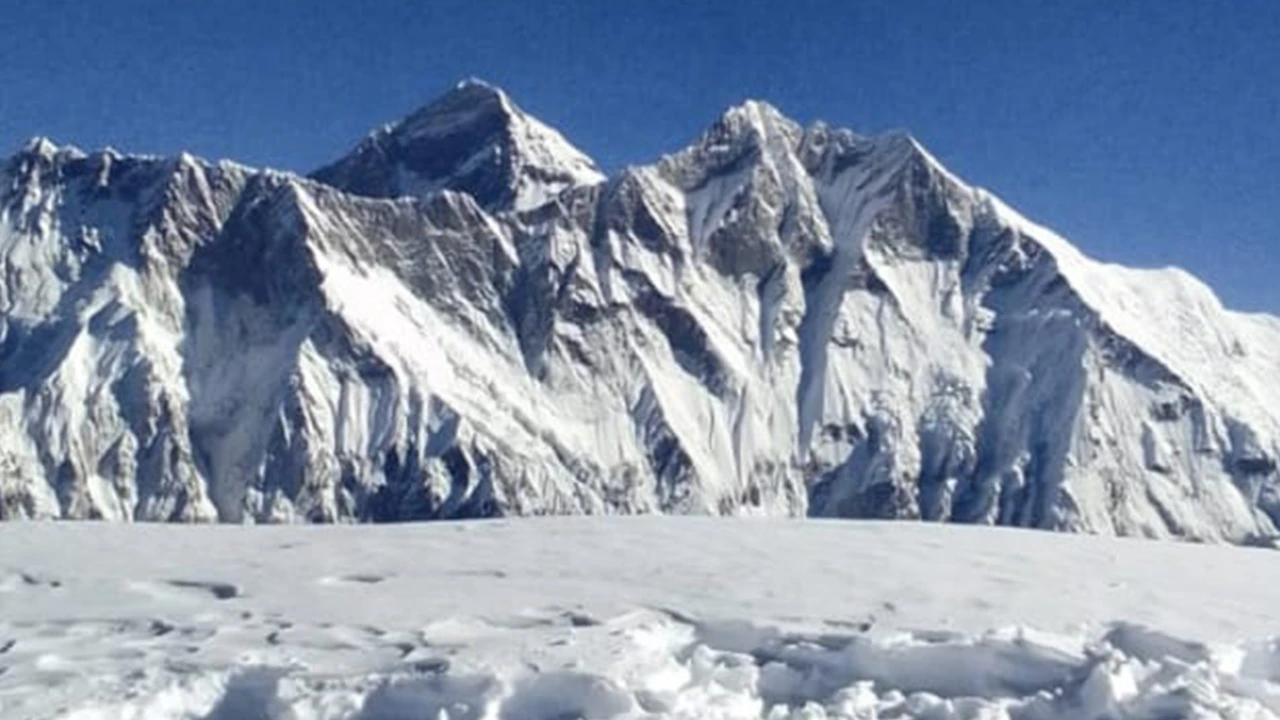
The Pumori Expedition is a 33-day high-altitude journey to Pumori (7,161m / 23,494ft), one of the most striking peaks in the Everest region of Nepal. Known as the “Everest’s Daughter,” Pumori offers climbers a technically challenging ascent combined with breathtaking views of the surrounding Himalayan giants, including Mount Everest, Lhotse, and Nuptse. This expedition is ideal for experienced mountaineers seeking to enhance their high-altitude skills and enjoy a less crowded Himalayan adventure.

The expedition begins with arrival in Kathmandu, followed by preparations and a flight to Lukla. From here, climbers trek through the scenic Everest region, passing through iconic Sherpa villages such as Namche Bazaar, Tengboche, Dingboche, and Lobuche. The journey includes full acclimatization, allowing climbers to adjust gradually to high altitudes while taking in the Himalayan landscapes, monasteries, and local culture.

The climbing section involves rotations between base camp and higher camps, including Camp I, II, and III, to ensure safe acclimatization. The summit push from the high camp is technical, requiring experience with ice and snow climbing, crevasse navigation, and fixed rope techniques. Reaching the Pumori summit provides unparalleled panoramic views of the Everest region and a profound sense of achievement.

Beyond climbing, this expedition immerses adventurers in the rich Sherpa culture, Buddhist monasteries, and traditional Himalayan lifestyle. With professional mountaineering guides, Sherpas, and high-altitude support, the Pumori Expedition balances adventure, safety, and cultural experiences in one of the world’s most spectacular mountain ranges.

Pumori Expedition  | Major Highlights

  • Summit Pumori (7,161m / 23,494ft) via the standard climbing route.
  • Trek through the Everest region, including Namche Bazaar, Tengboche, and Lobuche.
  • Witness panoramic Himalayan views, including Everest, Lhotse, Nuptse, and Ama Dablam.
  • Experience Sherpa culture and visit Buddhist monasteries.
  • High-altitude acclimatization and glacier climbing practice.
  • Full expedition support with professional guides, Sherpas, and cooks.
Day 1 — Arrival in Kathmandu
Elevation 1350 m

Upon arrival at Tribhuvan International Airport (TIA) in Kathmandu, you are welcomed by our representative, who assists you with airport formalities and transfers you to your hotel. Kathmandu, Nepal’s bustling capital, is nestled in a valley surrounded by hills and offers glimpses of the distant Himalayan peaks — a perfect introduction to the grandeur of the country. The transfer to your hotel, typically lasting 20–40 minutes depending on traffic, gives you a first view of the city’s vibrant life: colorful streets, bustling markets, and locals going about their daily routines.

Once checked in at Hotel Yak & Yeti or a similar standard accommodation, you have the opportunity to rest and recover from your international journey. The hotel offers modern amenities, comfortable rooms, and a serene environment, providing a calm retreat after the flight. Later in the day, you can take a short walk around Thamel, Kathmandu’s iconic neighborhood, famous for its lively streets, artisan shops, souvenir stores, and cozy cafés. The aromas of Nepali cuisine — from freshly baked momo to traditional dal bhat — fill the streets, offering a sensory introduction to local culture.

Evening strolls around Thamel are a gentle way to acclimatize to the altitude while soaking in the city’s energy. The day concludes with an overnight stay at the hotel, preparing you for the official formalities, gear check, and sightseeing planned for the next day.

Highlights: Kathmandu city atmosphere, first glimpse of Himalayan backdrop, evening strolls in Thamel, local food aromas, first experience of Nepali culture.

Accomodation: Hotel
Meals: Lunch & Dinner
Day 2 — Preparation & Briefings
Elevation 1350 m

The second day of your expedition is dedicated to official procedures, gear preparation, and acclimatization. After breakfast at the hotel, your guide will escort you to the Department of Tourism and relevant agencies to process all necessary trekking and climbing permits. This step is crucial to ensure that all legal and administrative requirements are fulfilled before heading to the high Himalayas.

During the day, a comprehensive expedition briefing will be conducted. This includes a packing check, ensuring that all essential medicines, high-altitude gear, clothing, and personal items are accounted for. Safety procedures, emergency protocols, and high-altitude health awareness will be reviewed to prepare climbers for the demanding conditions ahead. You will also receive a detailed overview of the trek and climb schedule, including distances, elevations, and key acclimatization points.

Kathmandu is renowned for its trekking and mountaineering shops, allowing you to purchase any missing or specialized gear, such as down jackets, crampons, or walking poles. In the afternoon or evening, you may choose to explore the city’s cultural highlights, such as the Pashupatinath Temple, the Boudhanath Stupa, or browse local markets in Thamel for souvenirs and last-minute supplies.

This day is not only essential for expedition readiness but also serves as an introduction to Nepalese culture and urban life, giving you a gentle start to acclimatization while preparing mentally and physically for the adventure ahead. Tip: Stay hydrated, avoid strenuous activity, and enjoy the vibrant city atmosphere.

Highlights: Cultural immersion, final expedition preparations, safety and equipment checks, optional sightseeing, early acclimatization.

Accomodation: Hotel
Meals: Breakfast, Lunch & Dinner
Duration: Half Day
Day 3 — Fly to Lukla & Trek to Phakding
Ups ↑ 200 m
Elevation 2860 m
Distance ⟺ 8 km

Today begins with one of the most thrilling and scenic flights in the world—the domestic journey from Kathmandu to Lukla Airport, often described as a gateway to the Himalayas. The flight lasts about 25 minutes, giving panoramic views of the mountain ranges, deep valleys, rivers, and terraced hills. From the air, you can spot snow-capped peaks in the distance and the sparkling Dudh Koshi River winding through the valley below. Landing at Lukla, at an altitude of 2,860 m, is an exciting experience, signaling the true start of your Himalayan adventure.

From Lukla, the trek to Phakding is gentle and perfect for easing your body into high-altitude trekking. The trail follows the Dudh Koshi River Valley, passing through small Sherpa villages, tea houses, and terraced fields, where you may observe local farmers tending their crops or children walking to school. The route includes several charming suspension bridges, adding both adventure and scenic beauty to the day. Trekking through forests of pine and rhododendron, you will witness the first glimpses of the Himalayas while enjoying the serenity of nature.

The trek is moderate, giving your body time to adjust to altitude and physical activity. Upon arrival in Phakding, you check into a comfortable lodge or teahouse, where you can relax, enjoy warm meals, and prepare for the longer ascent to Namche Bazaar tomorrow.

Tip: Walk at a steady pace, stay hydrated, and enjoy the surroundings. This first day of trekking is deliberately easy to help with acclimatization.

Highlights: Thrilling Lukla flight, first Himalayan forests, Dudh Koshi river crossings, charming suspension bridges, village interactions, stunning mountain vistas.

Accomodation: Lodge/Teahouse
Meals: Breakfast, Lunch & Dinner
Duration: 3–4 hours
Day 4 — Trek to Namche Bazaar
Ups ↑ 790 m
Elevation 3440 m
Distance ⟺ 11 km

Today marks your first major ascent of the trek as you head from Phakding to Namche Bazaar, the bustling hub of the Khumbu region. The trail enters the dense forests of Sagarmatha National Park, where pine, fir, and rhododendron trees create a cool, shaded environment. Along the way, keep your eyes peeled for Himalayan wildlife, including musk deer, Himalayan tahr, langurs, and various bird species, offering glimpses of the region’s rich biodiversity.

The trek alternates between ups and downs, with stone steps and occasional muddy or slippery sections, requiring careful footing. Crossing suspension bridges over the Dudh Koshi River and its tributaries is both thrilling and scenic. The river gorges and waterfalls along the trail provide memorable photo opportunities. The climb is gradual but steady, giving your body time to adjust to higher altitude while providing stunning views of distant Himalayan peaks.

Upon reaching Namche Bazaar (3,440 m), you are greeted by a lively Sherpa town, complete with shops, cafés, tea houses, and market stalls. The town is a vibrant cultural center where you can observe Sherpa life, interact with locals, and enjoy panoramic views of surrounding peaks like Thamserku, Kusum Kanguru, and Everest in the distance. The evening is spent resting at a lodge, enjoying warm meals, and preparing for acclimatization and further trekking to Tengboche.

Tip: Maintain a steady pace, take short breaks, and enjoy the first real immersion into Sherpa culture and Himalayan scenery.

Highlights: Dense Sagarmatha National Park forest, Himalayan wildlife, suspension bridges, Sherpa culture, panoramic Himalayan vistas, Namche Bazaar town life.

Accomodation: Teahouse
Meals: Breakfast, Lunch & Dinner
Duration: 5-6 hours
Day 5 — Acclimatization in Namche Bazaar
Ups ↑ 360 m
Down ↓ 360 m
Elevation 3440 m

Today is a crucial acclimatization day in Namche Bazaar, allowing your body to adjust to the increasing altitude before continuing higher into the Himalayas. After breakfast, you can take a short hike to the Everest View Point or the Everest View Hotel, situated at approximately 3,900 meters. The trail gently ascends above Namche, offering panoramic views of Everest, Lhotse, Nuptse, and Ama Dablam, providing an unforgettable first glimpse of the world’s highest peaks in all their glory.

Alternatively, you may explore the streets and market of Namche Bazaar, observing daily life in the Sherpa community. Local shops offer handicrafts, trekking gear, and souvenirs. The Sherpa Museum is also worth a visit, providing insights into Sherpa culture, mountaineering history, and local traditions. During this day, keep your pace slow and deliberate, taking short breaks and sipping water frequently. This practice helps your body acclimatize, reducing the risk of altitude sickness in the following days.

Wildlife spotting is also rewarding, as the forests surrounding Namche are home to Himalayan birds, musk deer, and other native species. The combination of light trekking, cultural immersion, and spectacular mountain vistas makes this day both enjoyable and essential for preparing your body and mind for higher elevations. In the evening, relax at your lodge, enjoy warm meals, and review your gear in preparation for the next day’s trek to Tengboche.

Tip: Drink plenty of water, avoid overexertion, and enjoy the stunning Himalayan environment.

Highlights: Everest panoramic views, Sherpa culture, local markets, wildlife spotting, Namche Bazaar exploration, acclimatization hike.

Accomodation: Teahouse
Meals: Breakfast, Lunch & Dinner
Duration: 2–4 hours
Day 6 — Namche Bazaar to Tengboche
Ups ↑ 410 m
Elevation 3850 m
Distance ⟺ 9 km

The trail gradually winds and contours around the hillside, offering trekkers stunning glimpses of some of the world’s most iconic peaks, including Everest and Ama Dablam. As you make your way down to the river, the path crosses a traditional wooden bridge, providing a perfect spot to pause and admire the rushing waters below. From here, a steep and steady ascent begins, leading toward the village of Tengboche, a serene settlement nestled high in the Khumbu region.

Tengboche is renowned for its historic monastery, one of the most significant spiritual centers in the Everest region. The monastery, perched dramatically on a ridge, provides awe-inspiring panoramic views of Everest, Nuptse, Lhotse, and the striking Ama Dablam. The air here feels crisp and refreshing, carrying the distant chants of monks engaged in their daily rituals. Trekkers have the unique opportunity to observe, and sometimes participate in, the prayer ceremonies, gaining a glimpse into the deeply rooted Buddhist traditions of the Sherpa people.

The trail leading to Tengboche passes through dense pine and rhododendron forests, which are especially vibrant in spring when the rhododendrons are in full bloom, painting the slopes with shades of red, pink, and white. Along the way, it is recommended to take frequent rests, hydrate, and capture photographs of the panoramic Himalayan scenery that unfolds at every turn. Overnight accommodation in a lodge offers warm hospitality and unmatched views of the surrounding snow-capped peaks, providing the perfect setting to reflect on the day’s journey and prepare for the next leg of the trek.

Highlights: Visit to Tengboche Monastery, participation in prayer ceremonies, and breathtaking mountain panoramas.

Accomodation: Teahouse
Meals: Breakfast, Lunch & Dinner
Duration: 5 hours
Day 7 — Tengboche to Dingboche
Ups ↑ 500 m
Elevation 4350 m
Distance ⟺ 11 km

The trek continues through stunning alpine landscapes, where every turn of the trail reveals dramatic mountain vistas. As you pass the village of Pangboche, trekkers are treated to some of the most spectacular close-up views of Ama Dablam, whose elegant, soaring peak dominates the skyline. The trail gradually ascends through rugged terrain, offering occasional glimpses of glacial streams winding through the valley below. The path eventually leads into the windswept, high-altitude valley of Dingboche, a charming Sherpa settlement surrounded by stone terraces and expansive mountain scenery. The village provides a peaceful stop, where trekkers can rest and take in the crisp mountain air, enjoying the tranquility and panoramic views. Overnight accommodation in a local lodge offers warmth, comfort, and spectacular vistas of the surrounding Himalayan giants.

Along the way, the trail descends slightly toward Deboche before climbing again past Lower Pangboche, giving trekkers yet another opportunity to admire Ama Dablam’s magnificence from different perspectives. Dingboche itself is a quintessential high-altitude Sherpa village, characterized by traditional stone houses, colorful mani walls, and fluttering prayer flags that add a spiritual and cultural dimension to the trek.

At this altitude, trekkers are encouraged to pace themselves and drink plenty of water, as the effects of thinner air begin to be more pronounced. The day’s journey is as much about acclimatization as it is about scenery, allowing the body to adjust while enjoying the breathtaking environment.

Highlights: Spectacular views of Ama Dablam, exploration of a traditional Sherpa village, and serene glacial streams threading through the alpine landscape.

Accomodation: Lodge
Meals: Breakfast, Lunch & Dinner
Duration: 5–6 hours
Day 8 — Acclimatization in Dingboche
Ups ↑ 380 m
Down ↓ 380 m
Elevation 4410 m
Distance ⟺ 5 km (short hikes)

A side hike to Chhukung Ri or Nangkartshang Peak provides trekkers with some of the most breathtaking panoramic views in the Everest region. From these vantage points, the towering peaks of Makalu, Lhotse, and the surrounding Imja Valley unfold in all their majestic glory. This acclimatization hike is not just visually rewarding but also physically important, allowing your body to adjust gradually to the higher altitudes ahead. The steady climb and moderate effort strengthen your legs and lungs, preparing you for the more demanding sections of the trek. After returning to Dingboche, the afternoon is left free for rest, reflection, and preparation for the next stage of the journey. Overnight accommodation in a lodge provides warmth, comfort, and a chance to enjoy the crisp Himalayan air while gazing at the surrounding peaks.

In addition to the major side hike, short walks around Dingboche serve as excellent acclimatization exercises. These gentle hikes let you explore the village, interact with local Sherpa life, and take in stunning views of Island Peak, Lhotse, Nuptse, and the Imja Tse Valley. The alpine flora along the trails, including hardy rhododendrons and small wildflowers, adds vibrant splashes of color to the rugged landscape.

Trekkers are advised to avoid overexertion during this critical acclimatization day and to consume carbohydrate-rich meals to maintain energy levels. Proper hydration, rest, and pacing are key to preparing your body for the higher elevations to come.

Highlights: Panoramic mountain vistas, alpine flora, short acclimatization hikes, and essential preparation for higher-altitude trekking.

Accomodation: Teahouse
Meals: Breakfast, Lunch & Dinner
Duration: 3–4 hours
Day 9 — Dingboche to Lobuche
Ups ↑ 500 m
Elevation 4910 m
Distance ⟺ 10 km

The trek continues with a steady climb through rugged, high-altitude terrain, bringing trekkers closer to the iconic Khumbu region’s dramatic landscapes. Along the way, you pass the Thukla memorial site, a solemn and moving place where cairns and colorful prayer flags honor the climbers who have lost their lives on Everest. The site is a powerful reminder of the mountain’s immense challenges and the respect it commands from all who attempt to climb it. Here, trekkers often pause to reflect, pay their respects, and capture photographs of the surrounding peaks and glaciers, which seem both beautiful and formidable.

Continuing onward, the trail winds through rocky paths and moraines, gradually ascending toward Lobuche, a small high-altitude settlement that serves as a final stop before the more extreme sections of the Everest Base Camp trek. The village consists of simple lodges, stone houses, and teahouses, offering a glimpse into the high-altitude lifestyle of the local Sherpa communities. As you walk past Dughla and traverse along the Khumbu Glacier’s terminal moraine, the panoramic views of glaciers, rugged cliffs, and distant snow-capped peaks are nothing short of awe-inspiring. Memorials for fallen climbers along the way provide both a sobering reflection and a sense of reverence for the mountaineering history embedded in the region.

Overnight accommodation in Lobuche allows trekkers to rest and acclimatize further, preparing their bodies for the higher altitudes ahead.

Highlights: Panoramic glacier views, high-altitude village experience, historical climbers’ memorials, and an introduction to the extreme Himalayan environment.

Accomodation: Lodge
Meals: Breakfast, Lunch & Dinner
Duration: 6–7 hours
Day 10–12 — Lobuche to Kala Patthar & Pumori Base Camp
Ups ↑ 390 m
Down ↓ 218 m
Elevation 5300 m
Distance ⟺ 8 km/day

After an early breakfast, the day begins with a steady ascent to Kala Patthar, standing at 5,554 meters. This renowned viewpoint offers arguably the most spectacular and unobstructed views of Mount Everest, Lhotse, Nuptse, and Pumori. The climb is challenging, as the trail becomes increasingly rugged and the thin high-altitude air makes each step more demanding. Trekkers are encouraged to maintain a slow and steady pace, allowing their bodies to acclimatize while taking in the breathtaking panoramic vistas of the surrounding Himalayan peaks and glaciers. Reaching the summit of Kala Patthar is both physically rewarding and emotionally stirring, as the majesty of the world’s highest mountains stretches endlessly in every direction.

After soaking in the views, the trail descends toward Gorakshep, a small settlement that serves as the last stop before the Pumori Base Camp. From Gorakshep, the trek continues toward Pumori Base Camp, situated at 5,300 meters at the foot of the dramatic slopes of Pumori. The Base Camp area is alive with activity, featuring colorful tents, cooking areas, fluttering prayer flags, and climbers preparing for their expeditions. It offers a unique opportunity to observe high-altitude mountaineering life up close, amidst some of the most striking mountain scenery on the planet.

Trekkers are advised to take short acclimatization walks around the Base Camp to aid adjustment and minimize altitude sickness. The experience here combines adventure, culture, and the sheer awe of being in one of the most extreme and beautiful environments on Earth.

Highlights: Stunning high mountain panoramas, vibrant Base Camp life, and essential preparation for summit climbs.

Accomodation: Camp Tent
Meals: Breakfast, Lunch & Dinner
Duration: 5–6 hours/day
Day 13–30 — Climbing Period for Mt. Pumori
Ups ↑ 1861 m
Down ↓ 1861 m
Elevation 7161 m
Distance ⟺ 2–5 km/day

This phase of the Pumori expedition is focused on careful acclimatization, high-altitude training, and progressive summit rotations. Trekkers and climbers establish camps sequentially along the ascent, allowing the body to adjust to thinner air while preparing for the technical challenges ahead. Each camp serves as a crucial milestone, offering unique terrain, perspectives, and experiences.

Camp I (5,700m): The first high camp is situated on a steep snow slope, where climbers transition from trekking to mountaineering techniques. The route involves careful navigation across snowfields and gentle ice sections. Camp I serves as a base for acclimatization rotations, allowing climbers to gain confidence on higher slopes and adjust to the rapidly thinning air. The views of surrounding peaks and glaciers start to become more dramatic here, and the camp itself is a small cluster of tents anchored firmly into the snow.

Camp II (6,200m): This camp introduces more technical terrain, including mixed rock and ice sections. Climbers encounter steeper slopes, small crevasses, and occasional exposed ridges, requiring careful movement and roped climbing in sections. Camp II is an important staging area for further acclimatization and preparation for higher camps. From this elevation, Everest, Lhotse, and the Khumbu Valley begin to dominate the horizon, offering a constant reminder of the scale and grandeur of the Himalayas.

Camp III (6,480m): The third camp is located at a critical altitude, serving as the launching point for the summit push. The terrain becomes more rugged, with steep ice slopes, snow ridges, and exposed sections requiring full technical climbing gear. Climbers focus on pacing, oxygen management, and mental preparation here. The panoramic vistas from Camp III are extraordinary, with views extending across Pumori’s flanks to Ama Dablam, Cho Oyu, Makalu, and the surrounding Khumbu glaciers.

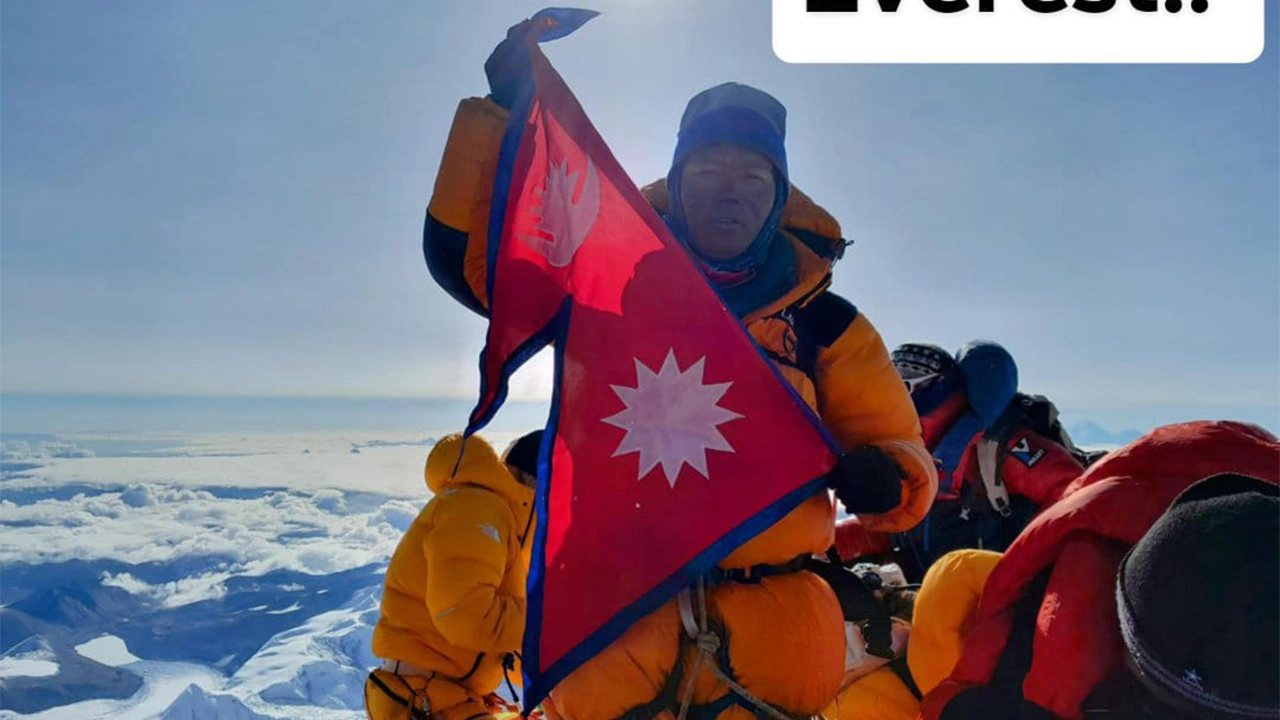
Summit Day (7,161m): The final ascent of Pumori begins pre-dawn, often under clear, cold skies. Climbers tackle exposed ridges and steep snow slopes, with every step demanding caution, stamina, and focus. Reaching the summit rewards climbers with an awe-inspiring panorama of Everest, Lhotse, Nuptse, Makalu, Ama Dablam, and Cho Oyu. The sunrise paints the surrounding peaks in brilliant golden and pink hues, creating a once-in-a-lifetime spectacle. After soaking in the views and celebrating the achievement, climbers descend carefully along the same route back to Base Camp, mindful of the fatigue and altitude effects.

Tip: Maintain steady hydration, a measured pace, and monitor oxygen levels closely throughout all camps. Overexertion at high altitudes can be dangerous.

Highlights: Each camp provides a unique high-altitude experience, culminating in the life-changing summit achievement. Panoramic Himalayan vistas, glacier navigation, and technical climbing challenges make this journey both physically demanding and extraordinarily rewarding.

Accomodation: Camp Tent
Meals: Breakfast, Lunch & Dinner
Duration: 6–12 hours/day
Day 31–33 — Trek Back to Lukla via Pheriche & Namche
Down ↓ 2690 m
Elevation 5300 m
Distance ⟺ 10–17 km/day

After the exhilarating summit and high-altitude rotations, the journey continues with a gradual descent back to Dingboche. Retracing your steps along the trails that once challenged you feels markedly easier, as the increased oxygen at lower altitudes restores energy and reduces fatigue. The familiar landscapes of pine and rhododendron forests, glacial streams, and high-altitude villages pass by, offering a reflective and contemplative end to the expedition. Along the way, trekkers can pause to appreciate the beauty of the alpine environment, observe local wildlife such as Himalayan thar or mountain birds, and interact with villagers who have been part of the journey from the beginning.

Upon arrival in Dingboche, the warm hospitality of the lodges is a welcome comfort. After days of tents, glaciers, and high-altitude challenges, the cozy lodges provide hot meals, a chance to rest, and an opportunity to soak in panoramic views of surrounding peaks like Ama Dablam, Island Peak, and Lhotse. The descent allows trekkers to reflect on the expedition, the physical and mental challenges overcome, and the stunning Himalayan landscapes experienced along the way.

The trail winds past rivers, small villages, and prayer flags fluttering in the wind, creating serene moments that are perfect for photography or quiet contemplation. Each step downward feels lighter, both physically and emotionally, as the mind processes the journey’s achievements.

Highlights: Final panoramic alpine views, possible wildlife sightings, meaningful cultural interactions, and the rewarding sense of accomplishment from retracing the expedition route.

Accomodation: Lodge
Meals: Breakfast, Lunch & Dinner
Duration: 5–7 hours/day
Day 34 — Fly Back to Kathmandu & Farewell Dinner
Down ↓ 1210 m
Elevation 2610 m

After the final descent from Dingboche and the completion of the high-altitude expedition, the journey concludes with a scenic flight back to Kathmandu. As the plane ascends, trekkers are treated to breathtaking aerial views of the Himalayan range, with snow-capped peaks, deep valleys, and glacial rivers stretching beneath. The perspective from above offers a unique opportunity to appreciate the vastness and majesty of the mountains you have just traversed on foot. The flight is not only convenient but also a reflective experience, allowing trekkers to savor the memories of the challenging yet rewarding journey through some of the world’s most iconic alpine landscapes.

Upon arrival in Kathmandu, the evening is dedicated to a celebratory farewell dinner. Guests are treated to a lively Nepali cultural performance featuring traditional music, dance, and local cuisine. This festive gathering provides the perfect setting to honor the achievements of the expedition, share stories, and connect with fellow climbers and guides who have shared in the adventure. The combination of authentic food, vibrant performance, and warm camaraderie makes the farewell a memorable finale, highlighting both the cultural richness of Nepal and the accomplishment of completing a high-altitude trek and climb.

This final day offers a sense of closure, blending the exhilaration of the mountains with the cultural heartbeat of Nepal’s capital. It leaves trekkers with lasting impressions of the Himalayas, the Sherpa hospitality, and the enduring spirit of adventure.

Highlights: Aerial Himalayan vistas, reflective journey’s end, Nepali cultural performances, celebratory farewell dinner, and a sense of expedition accomplishment.

Accomodation: Teahouse
Meals: Breakfast, Lunch & Dinner
Duration: Flight 30–40 min, evening cultural program
Day 35 — Final Departure
Elevation 1400 m

On the final day of your expedition, you are transferred to the airport for your departure flight, marking the conclusion of an unforgettable journey through the Himalayas. The transfer is typically smooth and comfortable, allowing time to reflect on the incredible experiences of the past days—from trekking through lush pine and rhododendron forests to navigating glaciers, high-altitude villages, and snow-covered ridges. The journey has offered not only a physical challenge but also a deep cultural immersion, as you interacted with Sherpa communities, visited monasteries, and observed traditional Himalayan life in its authentic setting.

As you approach the airport, the sense of accomplishment becomes particularly poignant. Summiting Pumori, standing above the clouds and taking in the unparalleled panoramic views of Everest, Lhotse, Nuptse, Ama Dablam, and Makalu, is a memory that will remain etched in your mind forever. The mountains that once seemed distant and daunting are now familiar companions whose grandeur you have experienced firsthand.

Bidding farewell to Nepal, you carry with you more than just photographs and souvenirs. The journey leaves an enduring impression of resilience, adventure, and the inspiring beauty of the Himalayan landscape. The triumph of reaching the Pumori summit, combined with the warmth of Nepali hospitality, traditional culture, and stunning alpine vistas, creates memories that will last a lifetime.

Highlights: Safe airport transfer, reflective journey’s end, cultural and natural immersion, and the lifelong achievement of summiting Pumori.

Accomodation: Hotel
Meals: Breakfast
Cost Includes
  • Airport transfers in Kathmandu.
  • Domestic flights (Kathmandu–Lukla–Kathmandu).
  • Accommodation in 4-star hotels in Kathmandu and teahouses/lodges during trekking.
  • Full-board meals during trekking and climbing.
  • Pumori climbing permits and National Park fees.
  • Professional mountaineering guides, Sherpa support, and cooks.
  • High-altitude climbing equipment support (tents, ropes, ladders).
  • Cultural experiences in Sherpa villages along the route.
Cost Excludes
  • International airfare to/from Nepal.
  • Personal climbing gear (boots, crampons, ice axe, harness, helmet, etc.).
  • Travel insurance with high-altitude mountaineering coverage.
  • Tips for guides, porters, and staff.
  • Meals in Kathmandu outside hotel arrangements.
  • Optional sightseeing not mentioned in the itinerary.
All Information
Equipment Checklist for Pumori Expedition

Equipment Checklist

FAQs

The optimal climbing seasons are pre-monsoon (March–May) and post-monsoon (late September–November). These months provide stable weather, clear skies, and safer climbing conditions.

Pumori is a challenging peak requiring experience in high-altitude climbing, glacier travel, and ice/snow techniques. The summit section includes steep slopes, crevasses, and fixed rope segments.

Yes, professional mountaineering guides and Sherpas are essential for route guidance, safety, and high-altitude support. Attempting the climb independently is not recommended.

Excellent physical fitness, endurance, and prior high-altitude experience are required. Daily trekking, cardiovascular training, and strength exercises are highly recommended.

The expedition includes multiple rotations to higher camps, allowing climbers to adapt to altitudes above 5,500m and reduce the risk of Acute Mountain Sickness (AMS). Rest days at base camp and higher camps are included for safety.

Key gear includes high-altitude boots, crampons, ice axe, harness, helmet, insulated clothing, gloves, sunglasses, and a sleeping bag rated for extreme cold.

Yes, previous high-altitude or technical mountaineering experience is necessary. Pumori is not suitable for beginners.

Yes, full-board meals are provided during trekking and climbing, prepared by professional expedition cooks to maintain nutrition and energy at high altitudes.

Safety is ensured with experienced guides, Sherpas, fixed ropes, oxygen backup, and high-altitude medical kits. Climbers receive training on glacier navigation, avalanche awareness, and high-altitude risks.

Climbers sometimes combine Pumori with Everest Base Camp or Island Peak climbs for acclimatization and extended Himalayan adventure.

Pumori Expedition

Trekking & Hiking Adventure

Region Everest Region
Duration 33 Days
Grade Moderate-Hard
Meal B/L/D
Accomodation Hotel/Lodge
Best Season Autumn/Spring
Start/End Kathmandu
Max Altitude 7161
Activity Mountain Expedition

ASSOCIATED WITH

Tourism Board
Nepal Government
Keep
NMA Nepal
TAAN

WE ACCEPT