


Your Journey, Our Expertise...
Menu

Lobuche Peak Climbing

20 Days • Strenuous • Best season: Autumn/Spring
Lobuche Peak Climbing

Overview

The Lobuche Peak Climbing – 20 Days trek offers an extraordinary mix of mountain adventure, Sherpa culture, and Himalayan landscapes. Starting from Kathmandu, you’ll explore the vibrant city’s UNESCO World Heritage Sites, including Swayambhunath Stupa, Boudhanath Stupa, Pashupatinath Temple, and Kathmandu Durbar Square, before flying to Lukla, the gateway to the Everest region.

This trek takes you through iconic villages like Namche Bazaar, Tengboche, Dingboche, and Gorak Shep, passing serene forests, rushing rivers, and traditional Sherpa settlements. Along the way, you’ll witness spectacular views of Mount Everest, Lhotse, Ama Dablam, Island Peak, and surrounding peaks. Acclimatization days ensure a safe climb, while short hikes allow you to soak in panoramic vistas.

The highlight of this adventure is the Lobuche Peak summit (6,119m / 20,075ft), where climbers experience an unforgettable sense of achievement and unmatched Himalayan scenery. Post-summit, the descent takes you back through scenic trails, glaciers, and high-altitude settlements, finally returning to Kathmandu for relaxation and cultural exploration.

Throughout the journey, trekkers enjoy comfortable teahouse accommodations, delicious local meals, and guidance from experienced mountaineering experts. The trek is suitable for adventurers with moderate trekking experience, combining challenging high-altitude climbing with cultural encounters, wildlife spotting, and panoramic mountain views.

Whether you are a seasoned climber or a passionate trekker, the Lobuche Peak Climbing – 20 Days itinerary offers a complete Everest region adventure, blending physical challenge, natural beauty, and cultural immersion into one unforgettable Nepalese journey.

Lobuche Peak Climbing

Trekking & Hiking Adventure

Region Everest Region
Duration 20 Days
Grade Strenuous
Meal B/L/D
Group Size 1-30
Accomodation Hotel/Lodge
Best Season Autumn/Spring
Start/End Kathmandu
Max Altitude 6119
Activity Climbing
Day 1 — Arrival in Kathmandu
Elevation 1350 m

Upon arrival at Tribhuvan International Airport in Kathmandu, travelers are warmly welcomed by their guide and driver. After clearing immigration and collecting luggage, you’ll be transferred to your hotel in the city, where you can rest, refresh, and recover from your international flight. Depending on your arrival time, you may have the opportunity to explore the vibrant streets of Thamel, the main tourist hub, or enjoy a traditional Nepali meal at a local restaurant.

Kathmandu, the capital of Nepal, is a fascinating city that blends ancient culture with modern life. You’ll notice the bustling markets, colorful temples, prayer flags fluttering in the wind, and historic architecture as you walk through its streets. This day is primarily for adjusting to the city’s rhythm, resting, and preparing for your upcoming trekking adventure or sightseeing tour. Your guide will also provide a briefing on the trek ahead, including tips on packing, acclimatization, and local customs. Overnight stay is at a comfortable hotel in Kathmandu, offering a convenient base to begin your Nepal journey.

Accomodation: Hotel
Meals: Lunch & Dinner
Day 2 — Preparation & Briefings in Kathmandu
Elevation 1350 m

After breakfast at your hotel, the day is dedicated to preparing for your upcoming trek and optional Kathmandu sightseeing. Your guide will assist you with checking trekking gear, reviewing your itinerary, discussing acclimatization tips, and answering any last-minute questions to ensure you’re fully prepared for the adventure ahead.

For sightseeing, Kathmandu offers a wealth of cultural and historical attractions, including Swayambhunath (Monkey Temple), Boudhanath Stupa, Pashupatinath Temple, and the vibrant streets of Thamel. These visits provide a glimpse into Nepal’s rich heritage, spirituality, and local life, allowing travelers to connect with the country before setting off on the trek.

Note: You can choose to enjoy Kathmandu sightseeing either before your trek or after it concludes. Please note that only one day of sightseeing is included in your package. If you wish to explore the city on both days, additional costs may apply. This allows you to experience the highlights while keeping your trek schedule comfortable and focused.

Overnight stay is at a comfortable hotel in Kathmandu, giving you a chance to rest, enjoy city views, and finalize preparations for the adventure ahead.

Accomodation: Hotel
Meals: Breakfast, Lunch & Dinner
Day 3 — Fly from Kathmandu to Lukla & Trek to Phakding
Ups ↑ 100 m
Down ↓ 230 m
Elevation 2840 m
Distance ⟺ 8 km

The day starts early in Kathmandu, as you head to the domestic terminal for the thrilling mountain flight to Lukla—the gateway to the Everest region. The flight itself is an adventure. As the plane climbs, the landscape quickly changes from hills to towering Himalayan peaks. Snow-capped giants begin to appear, and the excitement builds with every minute. After around 30–35 minutes, the aircraft lands at Tenzing–Hillary Airport (2,840m), one of the most iconic mountain airstrips in the world.

Once in Lukla, you meet the trekking and climbing crew, double-check gear, and begin the trek. The trail gently descends from Lukla, passing through stone-paved paths lined with mani walls, prayer flags, and chortens, setting a spiritual tone for the journey ahead. The walk is relaxed and perfect for warming up your legs after the flight.

Following the Dudh Koshi River, you cross several suspension bridges decorated with colorful prayer flags. Along the way, you pass small Sherpa villages like Chheplung, where you get your first close-up views of Kusum Kanguru and other Himalayan peaks. The trail continues through pine and rhododendron forests, with occasional teahouses offering a perfect spot for tea or lunch.

After a comfortable few hours of walking, you arrive at Phakding, a quiet riverside village surrounded by forested hills and mountain views. The rest of the afternoon is spent relaxing, hydrating, and letting your body adjust to the altitude. It’s a gentle and well-paced first trekking day, setting the foundation for both the Everest Base Camp route and the Lobuche Peak climbing adventure ahead.

Accomodation: Lodge
Meals: Breakfast, Lunch & Dinner
Duration: 3-4 hours
Day 4 — Trek from Phakding to Namche Bazaar
Ups ↑ 830 m
Down ↓ 000 m
Elevation 3440 m
Distance ⟺ 9 km

The day begins early in Phakding (2,610 m / 8,563 ft) after a hearty breakfast, with crisp Himalayan air energizing trekkers for the journey ahead. The trail follows the Dudh Koshi River, meandering through lush pine and rhododendron forests, with occasional openings revealing towering peaks like Thamserku and Kusum Kanguru. You will cross several suspension bridges, each offering the thrill of walking above rushing glacial waters, and encounter small mani walls and prayer flags, giving a glimpse into the local Buddhist culture.

The trek gradually climbs to Namche Bazaar (3,440 m / 11,286 ft), the bustling Sherpa hub of the Khumbu region. Along the way, you pass through small villages and tea houses, perfect for a short rest or lunch stop while enjoying views of Everest, Lhotse, and Nuptse from a distance. The trail is well-maintained but involves a steady uphill climb, providing a gentle acclimatization opportunity before reaching Namche. Upon arrival, you check into a lodge in Namche Bazaar, where warm meals and cozy accommodations await, making it a perfect spot to rest and prepare for the higher-altitude days ahead.

Accomodation: Lodge
Meals: Breakfast, Lunch & Dinner
Duration: 5-6 hours
Day 5 — Acclimatization in Namche Bazaar
Ups ↑ 340 m
Down ↓ 340 m
Elevation 3780 m
Distance ⟺ 5 km

The day begins early in Phakding (2,610 m / 8,563 ft) after a hearty breakfast, with crisp Himalayan air energizing trekkers for the journey ahead. The trail follows the Dudh Koshi River, meandering through lush pine and rhododendron forests, with occasional openings revealing towering peaks like Thamserku and Kusum Kanguru. You will cross several suspension bridges, each offering the thrill of walking above rushing glacial waters, and encounter small mani walls and prayer flags, giving a glimpse into the local Buddhist culture.

The trek gradually climbs to Namche Bazaar (3,440 m / 11,286 ft), the bustling Sherpa hub of the Khumbu region. Along the way, you pass through small villages and tea houses, perfect for a short rest or lunch stop while enjoying views of Everest, Lhotse, and Nuptse from a distance. The trail is well-maintained but involves a steady uphill climb, providing a gentle acclimatization opportunity before reaching Namche. Upon arrival, you check into a lodge in Namche Bazaar, where warm meals and cozy accommodations await, making it a perfect spot to rest and prepare for the higher-altitude days ahead.

Accomodation: Lodge
Meals: Breakfast, Lunch & Dinner
Duration: 3-4 hours
Day 6 — Trek from Namche Bazaar to Tengboche
Ups ↑ 427 m
Down ↓ 000 m
Elevation 3867 m
Distance ⟺ 9 km

After a restful night in Namche Bazaar (3,440 m / 11,286 ft), the trek begins with a moderate ascent along the Dudh Koshi valley, winding through dense rhododendron and pine forests. Early in the morning, the crisp air and views of Ama Dablam, Thamserku, and Kangtega make the uphill climb invigorating. The trail passes several suspension bridges, including the iconic one over the Imja Khola, providing a thrilling crossing over rushing glacial waters.

As you progress, the path leads through small Sherpa settlements like Phunki Tenga, where you may stop for a short break or tea. Trekking higher, you reach Tengboche (3,867 m / 12,687 ft), home to the famous Tengboche Monastery, a spiritual center of the Khumbu region. The monastery is adorned with prayer flags and mani walls, offering a serene atmosphere and stunning panoramic views of Everest, Lhotse, Nuptse, and Ama Dablam. Upon arrival, you settle into a lodge in Tengboche, enjoying warm meals and a cozy evening surrounded by Himalayan beauty.

Accomodation: Lodge
Meals: Breakfast, Lunch & Dinner
Duration: 5-6 hours
Day 7 — Trek from Tengboche to Dingboche
Ups ↑ 543 m
Down ↓ 60 m
Elevation 4410 m
Distance ⟺ 11 km

After a restful night in Namche Bazaar (3,440 m / 11,286 ft), the trek begins with a moderate ascent along the Dudh Koshi valley, winding through dense rhododendron and pine forests. Early in the morning, the crisp air and views of Ama Dablam, Thamserku, and Kangtega make the uphill climb invigorating. The trail passes several suspension bridges, including the iconic one over the Imja Khola, providing a thrilling crossing over rushing glacial waters.

As you progress, the path leads through small Sherpa settlements like Phunki Tenga, where you may stop for a short break or tea. Trekking higher, you reach Tengboche (3,867 m / 12,687 ft), home to the famous Tengboche Monastery, a spiritual center of the Khumbu region. The monastery is adorned with prayer flags and mani walls, offering a serene atmosphere and stunning panoramic views of Everest, Lhotse, Nuptse, and Ama Dablam. Upon arrival, you settle into a lodge in Tengboche, enjoying warm meals and a cozy evening surrounded by Himalayan beauty.

Accomodation: Lodge
Meals: Breakfast, Lunch & Dinner
Duration: 5-6 hours
Day 8 — Acclimatization in Dingboche
Ups ↑ 640 m
Down ↓ 640 m
Elevation 5050 m
Distance ⟺ 6-7 km

Today is a crucial rest and acclimatization day at Dingboche (4,410 m / 14,468 ft). After the steady climb from Tengboche yesterday, your body needs to adjust to the higher altitude to reduce the risk of altitude sickness. The morning begins with a gentle walk along the trail, providing breathtaking close-up views of Ama Dablam, Lhotse, Island Peak, and Cholatse. The air is crisp and invigorating, perfect for short hikes that help your body adapt without overexertion.

One popular option is the hike to Nagarjun Hill or Chhukung Ri, offering panoramic vistas of the surrounding glacial valleys, alpine landscapes, and towering Himalayan peaks. The trail passes through small streams, moraine rocks, and scattered alpine vegetation, making the hike scenic and peaceful. Along the way, trekkers can take breaks at tea houses or resting spots, enjoying traditional Nepali meals and warm drinks. After the optional hikes, you return to your lodge in Dingboche, relax, and prepare mentally and physically for the higher-altitude trekking ahead. The evening provides a tranquil view of the setting sun on Ama Dablam and surrounding peaks, a perfect Himalayan experience.

Accomodation: Lodge
Meals: Breakfast, Lunch & Dinner
Duration: 3-5 hours
Day 9 — Trek from Dingboche to Lobuche
Ups ↑ 500 m
Down ↓ 000 m
Elevation 4910 m
Distance ⟺ 8 km

After a restful acclimatization day in Dingboche (4,410 m / 14,468 ft), today’s trek takes you further into the heart of the Khumbu region, following the Imja Khola valley. The trail begins with a gentle climb, passing small streams, moraine rocks, and scattered alpine vegetation, with panoramic views of Ama Dablam, Lhotse, and Nuptse constantly inspiring trekkers. You will encounter several small suspension bridges crossing glacial streams, which add both excitement and scenic beauty to the journey.

Along the way, trekkers pass through Dughla, a small settlement famous for its resting tea houses. Here, you can stop for lunch or a short break, enjoying the surrounding glacial moraines and distant towering peaks. The trail gradually climbs toward Lobuche (4,910 m / 16,109 ft), with increasingly dramatic views of Everest, Nuptse, and Pumori. The thin air at this altitude makes the steady uphill climb challenging but rewarding. Upon arrival at Lobuche lodge, trekkers are greeted with warm meals, cozy accommodations, and the serene panorama of high Himalayan peaks, perfect for resting and preparing for the next day’s Everest Base Camp adventure.

Accomodation: Lodge
Meals: Breakfast, Lunch & Dinner
Duration: 5-6 hours
Day 10 — Lobuche to Gorakshep & Everest Base Camp
Ups ↑ 454 m
Down ↓ 200 m
Elevation 5364 m
Distance ⟺ 12 km

The day starts early from Lobuche (4,910 m / 16,109 ft), trekking along the Khumbu Glacier moraine, surrounded by the dramatic peaks of Pumori, Lingtren, and Nuptse. The trail gradually climbs with some rocky sections, offering uninterrupted views of the glacier and surrounding high peaks. Trekkers pass by small memorials and cairns, a poignant reminder of the risks climbers face in this region.

After a few hours, you reach Gorakshep (5,164 m / 16,942 ft), a small settlement with basic tea houses and lodges, perfect for a quick rest. From here, the trail continues toward Everest Base Camp (5,364 m / 17,598 ft). The route traverses the glacial moraine, passing ice formations, boulders, and crevasses, making the journey both thrilling and humbling. Upon reaching Everest Base Camp, trekkers are greeted with the sight of climbers’ tents, expedition equipment, and the looming presence of Mount Everest, a truly unforgettable experience. After spending some time soaking in the atmosphere and taking photos, you return to Gorakshep lodge for overnight stay, enjoying warm meals and a well-earned rest surrounded by majestic peaks.

Accomodation: Lodge
Meals: Breakfast, Lunch & Dinner
Duration: 7-8 hours
Day 11 — Hike to Kala Patthar & Return to Lobuche
Ups ↑ 381 m
Down ↓ 635 m
Elevation 5545 m
Distance ⟺ 13 km

The day begins very early in the morning from Gorakshep (5,164 m / 16,942 ft), often before sunrise, to catch the most spectacular views from Kala Patthar. The trail is steep but well-marked, winding over rocky moraine and scree slopes, with the crisp morning air giving every step a refreshing feel. Along the way, trekkers are treated to unparalleled views of Mount Everest, Lhotse, Nuptse, and Pumori, with the sunrise casting golden hues over the snow-capped peaks, creating a truly unforgettable experience.

Reaching Kala Patthar (5,545 m / 18,192 ft), you have a 360-degree panorama of the Everest region, including a close-up view of Everest’s summit, Khumbu Glacier, and surrounding high peaks. After ample time for photos and soaking in the atmosphere, the trail descends back to Gorakshep for a brief rest. From Gorakshep, you continue descending to Lobuche (4,910 m / 16,109 ft), passing glacial moraine and rocky trails, reflecting on the incredible journey through the Khumbu. At Lobuche lodge, trekkers enjoy a warm meal and well-earned rest, feeling accomplished after summiting one of the best viewpoints in the Himalayas.

Accomodation: Lodge
Meals: Breakfast, Lunch & Dinner
Duration: 7-8 hours
Day 12 — Lobuche to Lobuche East Base Camp
Ups ↑ 190 m
Down ↓ 000 m
Elevation 5100 m
Distance ⟺ 5 km

Starting early from Lobuche (4,910 m / 16,109 ft), today’s trek leads toward the Lobuche East Base Camp (5,100 m / 16,732 ft), the launch point for the summit attempt. The trail gradually climbs along the rocky moraine and glacier edge, offering breathtaking views of Pumori, Nuptse, and the Khumbu Glacier. Trekkers pass small cairns and resting spots, perfect for short breaks while soaking in the high Himalayan scenery.

Upon reaching Lobuche East Base Camp, you’ll encounter climbers’ tents and equipment, giving a sense of the high-altitude expedition environment. The area is rugged, windswept, and dramatically set among glaciers and jagged peaks. Trekkers spend the night here at a camp or high-altitude lodge, preparing for the early-morning summit attempt of Lobuche East Peak the next day. The experience offers a unique glimpse into mountaineering life at extreme altitudes and the thrill of being at one of the region’s most iconic peaks.

Accomodation: Lodge
Meals: Breakfast, Lunch & Dinner
Duration: 4-5 hours
Day 13 — Trek from Lobuche East Base Camp to High Camp
Ups ↑ 700 m
Down ↓ 000 m
Elevation 5800 m
Distance ⟺ 4-5 km

The day begins very early from Lobuche East Base Camp (5,100 m / 16,732 ft), as trekkers prepare for the climb toward Lobuche East High Camp (approx. 5,800 m / 19,029 ft). The trail becomes steeper and more technical, moving over rocky terrain, scree slopes, and occasional snow patches. Trekkers are treated to uninterrupted views of Pumori, Nuptse, and the Khumbu Icefall, making every step both challenging and awe-inspiring.

Along the ascent, climbers encounter crevasses and small ridges, requiring careful footwork and use of trekking poles. The high camp sits on a slightly sheltered moraine, providing a strategic resting point for the summit attempt early the next morning. Trekkers spend the night here at high-altitude tents or lodges, acclimatizing and preparing mentally and physically for the summit push. This day is crucial for altitude adaptation and gaining confidence for the climb ahead, while soaking in majestic sunrise and sunset views over the surrounding peaks.

Accomodation: Lodge
Meals: Breakfast, Lunch & Dinner
Duration: 4-5 hours
Day 14 — Summit Lobuche East (6,119 m) & Return to Base Camp
Ups ↑ 319 m
Down ↓ 1019 m
Elevation 6119 m
Distance ⟺ 12 km

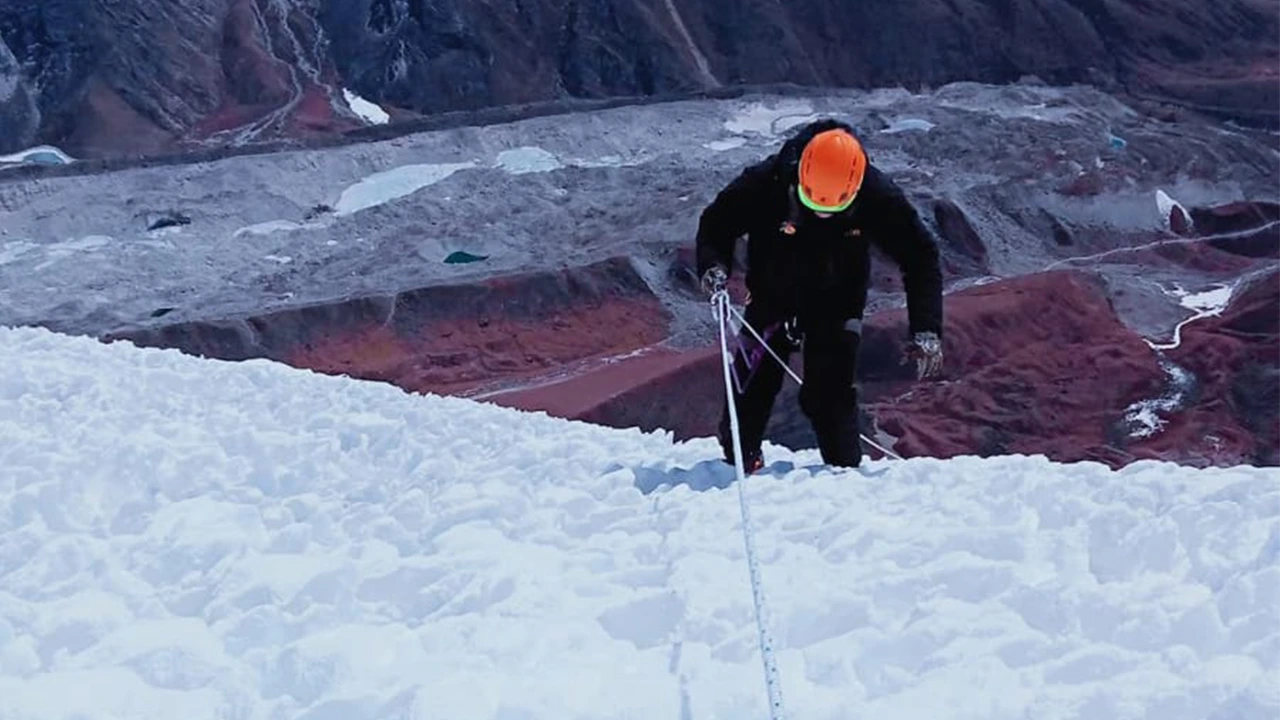
The day begins well before sunrise from High Camp (5,800 m / 19,029 ft). Trekkers start the final push to the summit of Lobuche East (6,119 m / 20,075 ft) under the soft pre-dawn light, trekking over steep snow and ice slopes, rocky ridges, and occasional fixed ropes. Every step is deliberate, with the crisp Himalayan air and the dramatic peaks of Everest, Lhotse, Nuptse, and Ama Dablam surrounding you.

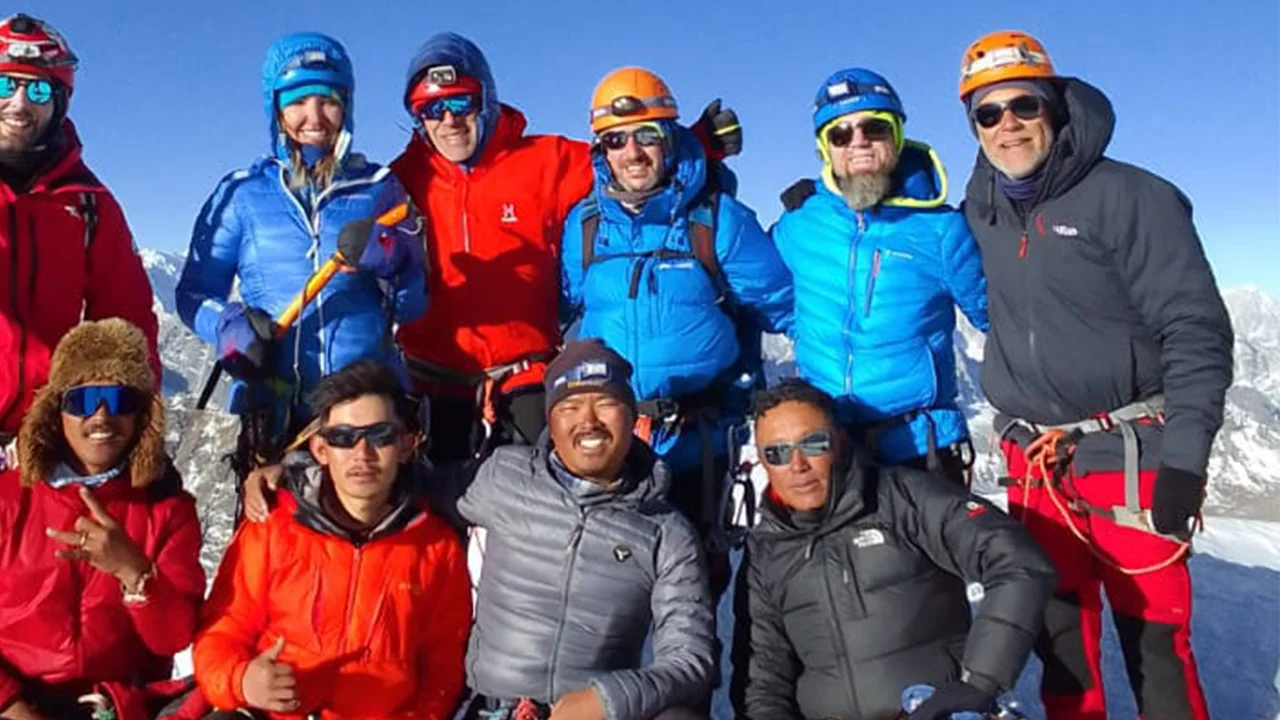
Reaching the summit of Lobuche East, trekkers are rewarded with an unforgettable 360-degree panorama of the Khumbu region, glaciers, and distant Himalayan giants. The feeling of standing atop a 6,000-meter peak is exhilarating, a mix of triumph, awe, and humility. After celebrating and capturing photos, the descent begins carefully, retracing the route through High Camp, navigating rocky sections and steep scree safely. The trek continues down to Lobuche East Base Camp (5,100 m / 16,732 ft), where you can finally relax and enjoy a warm meal and well-earned rest after this high-altitude achievement.

Accomodation: Camp Tent
Meals: Breakfast, Lunch & Dinner
Duration: 10-12 hours
Day 15 — Trek from Base Camp to Pheriche
Ups ↑ 000 m
Down ↓ 729 m
Elevation 5100 m
Distance ⟺ 8 km

The day begins with a descent from Lobuche East Base Camp (5,100 m / 16,732 ft) toward Pheriche (4,371 m / 14,341 ft). The trail gradually winds down through rocky moraine and glacial slopes, passing small cairns, memorials for climbers, and high-altitude streams. The scenery is spectacular, with towering peaks like Nuptse, Lhotse, and Ama Dablam visible throughout the descent.

Along the way, trekkers cross suspension bridges over glacial streams and walk past sections of khumbu glacier moraines, providing perfect opportunities for photographs. You may also notice mountaineering teams returning from summit attempts, giving a sense of the high-altitude adventure in the region. Lunch can be enjoyed at a small teahouse in Lobuche village or on the trail, soaking in the crisp mountain air. The trail gradually descends into the Sherpa village of Pheriche, where trekkers spend the night at a local lodge, enjoying hearty meals and reflecting on the high-altitude experiences of the past days.

Accomodation: Lodge
Meals: Breakfast, Lunch & Dinner
Duration: 4-5 hours
Day 16 — Trek from Pheriche to Kyanjuma
Ups ↑ 000 m
Down ↓ 1291 m
Elevation 4371 m
Distance ⟺ 14 km

The day begins with a descent from Pheriche (4,371 m / 14,341 ft), following the Dudh Koshi River valley and walking past the scattered Sherpa settlements and mani walls. The trail gradually moves through stone-paved paths, terraced fields, and small villages, offering glimpses of local Sherpa culture and daily life. Along the way, trekkers enjoy panoramic views of Thamserku and Ama Dablam, while the crisp mountain air and gentle streams create a peaceful atmosphere.

The route includes crossing several suspension bridges over the Dudh Koshi and its tributaries, which are perfect spots for photographs. Lunch can be taken at a local teahouse in one of the villages along the way, enjoying traditional Nepalese meals and snacks. The trail continues descending gradually until reaching Kyanjuma, a quiet village surrounded by rhododendron forests and snow-capped peaks. Trekkers spend the night at a local lodge, reflecting on the past high-altitude days and enjoying warm meals after a rewarding day on the trail.

Accomodation: Lodge
Meals: Breakfast, Lunch & Dinner
Duration: 6-7 hours
Day 17 — Trek from Kyanjuma to Monjo
Ups ↑ 000 m
Down ↓ 245 m
Elevation 3080 m
Distance ⟺ 12 km

The day begins with a descent from Kyanjuma (3,080 m / 10,105 ft), winding through the lush Dudh Koshi valley. The trail is a mix of stone-paved paths, terraced fields, and forested sections, dotted with small Sherpa settlements along the way. Trekkers cross several suspension bridges over tributaries of the Dudh Koshi River, offering scenic views of flowing glacial waters framed by towering Himalayan peaks.

The route passes through Namche Bazaar’s outskirts, giving glimpses of bustling Sherpa culture and prayer flags fluttering along the trail. Lunch can be taken at a local teahouse en route, serving traditional Nepalese food and warm beverages. Continuing downhill, the trail gradually leads to Monjo (2,835 m / 9,301 ft), a quiet village near the entrance of Sagarmatha National Park. Trekkers spend the night at a local lodge, reflecting on the journey through the Khumbu region, surrounded by serene forests and distant snow-capped mountains.

Accomodation: Lodge
Meals: Breakfast, Lunch & Dinner
Duration: 5-6 hours
Day 18 — Trek from Monjo to Lukla
Ups ↑ 25 m
Down ↓ 000 m
Elevation 2860 m
Distance ⟺ 15 km

The day begins with a gentle descent from Monjo (2,835 m / 9,301 ft) toward Lukla (2,860 m / 9,383 ft), retracing much of the trail trekkers took at the start of the journey. The trail follows the Dudh Koshi River valley, passing through quaint villages, suspension bridges, and lush rhododendron forests. Trekkers can take their time enjoying the last views of towering Himalayan peaks like Thamserku, Kusum Kanguru, and Nuptse, while the crisp mountain air and flowing rivers provide a serene end to the trek.

Along the way, you pass small teahouses and shops in villages like Phakding, where lunch can be enjoyed amidst the backdrop of the valley. The trail is mostly downhill or level, making the final day relatively easy compared to high-altitude climbing days. As you approach Lukla, the small airstrip and local lodges appear, signaling the end of the trekking adventure. Trekkers spend the night at a local lodge in Lukla, reminiscing about the journey through the Khumbu region and the successful completion of the expedition.

Accomodation: Lodge
Meals: Breakfast, Lunch & Dinner
Duration: 5-6 hours
Day 19 — Flight from Lukla to Kathmandu
Elevation 2860 m

The day begins with an early morning flight from Lukla (2,860 m / 9,383 ft) to Kathmandu (1,400 m / 4,593 ft). This scenic flight is one of the most iconic experiences of the Everest region, offering breathtaking aerial views of the Himalayan peaks, including Everest, Lhotse, Nuptse, Ama Dablam, and Thamserku. As the plane climbs above Lukla, trekkers can witness the green valleys, terraced fields, and the trail they trekked over the past days, creating a sense of nostalgia for the journey just completed.

During the approximately 30–40 minute flight, the mountain ranges appear in all their grandeur, with glacial valleys, snow-covered peaks, and charming villages dotted across the landscape. Landing at Tribhuvan International Airport in Kathmandu, trekkers are greeted by the warmer, lower-altitude climate and the bustling energy of Nepal’s capital. After arrival, guests are typically transferred to their hotel in Kathmandu, where they can relax, freshen up, and reflect on their high-altitude adventure in the Khumbu region.

Accomodation: Hotel
Meals: Breakfast, Lunch & Dinner
Duration: 30-40 min flight
Day 20 — Farewell Departure

The day begins with an early morning flight from Lukla (2,860 m / 9,383 ft) to Kathmandu (1,400 m / 4,593 ft). This scenic flight is one of the most iconic experiences of the Everest region, offering breathtaking aerial views of the Himalayan peaks, including Everest, Lhotse, Nuptse, Ama Dablam, and Thamserku. As the plane climbs above Lukla, trekkers can witness the green valleys, terraced fields, and the trail they trekked over the past days, creating a sense of nostalgia for the journey just completed.

During the approximately 30–40 minute flight, the mountain ranges appear in all their grandeur, with glacial valleys, snow-covered peaks, and charming villages dotted across the landscape. Landing at Tribhuvan International Airport in Kathmandu, trekkers are greeted by the warmer, lower-altitude climate and the bustling energy of Nepal’s capital. After arrival, guests are typically transferred to their hotel in Kathmandu, where they can relax, freshen up, and reflect on their high-altitude adventure in the Khumbu region.


Meals: Breakfast
Cost Includes
  • Airport transfers in Kathmandu (arrival & departure)
  • 3-star / 4-star hotel in Kathmandu on twin sharing basis
  • Teahouse or lodge accommodation during trek
  • All meals (breakfast, lunch, dinner) during the trek
  • Experienced mountain guide and support staff
  • Porter(s) for your luggage during trek
  • Everest region permits and national park fees
  • Climbing equipment for Lobuche Peak (crampons, harness, ropes, helmet, ice axe)
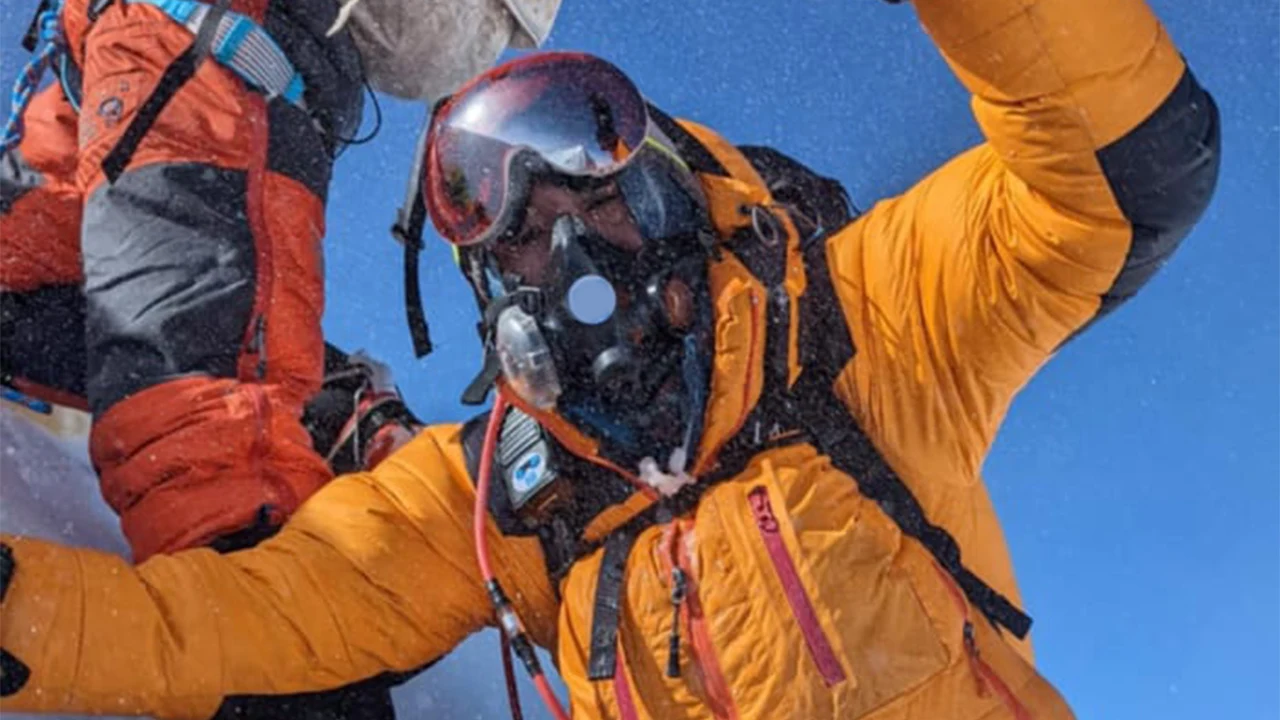
  • First aid kit and oxygen cylinder for emergencies
  • Domestic flights Kathmandu–Lukla–Kathmandu
  • Ground transportation for sightseeing in Kathmandu
Cost Excludes
  • International airfare to/from Nepal
  • Travel insurance, including emergency evacuation
  • Personal clothing and trekking gear
  • Meals in Kathmandu (except those specified)
  • Tips for guides and porters
  • Optional activities or sightseeing outside the itinerary
  • Any expenses of personal nature (drinks, snacks, souvenirs)
All Information
Equipment Checklist for Lobuche Peak Climbing

Equipment Checklist

FAQs

The ideal time for Lobuche Peak climbing is during the pre-monsoon (March to May) and post-monsoon (September to November) seasons. During these periods, the weather is stable, skies are mostly clear, and views of Everest, Lhotse, and other Himalayan peaks are excellent. Summers (June to August) are wet with heavy rainfall, while winters (December to February) are extremely cold with a high chance of snowstorms.


Lobuche Peak is considered a moderate to challenging trekking peak. Climbers need basic mountaineering skills, including the use of crampons, ice axe, and harness. Physical fitness is crucial as the trek involves long days of walking at high altitudes, with a summit of 6,119 meters (20,075 ft). Prior high-altitude trekking experience is recommended for better acclimatization.

No professional climbing experience is required. However, previous trekking experience at high altitudes helps, and a brief training session is usually provided by guides for the use of climbing equipment like ropes, harnesses, and ice axes. This ensures safety during snow and ice sections of the climb.

Acclimatization is a key part of the itinerary. The trek includes gradual altitude gain and rest days at critical points like Namche Bazaar, Dingboche, and Lobuche Base Camp. Daily walks at higher altitudes and proper hydration are also emphasized. Guides monitor symptoms of altitude sickness and adjust the pace if necessary.

During the trek, accommodation is primarily in teahouses or lodges, offering basic rooms with beds and shared bathrooms. Hot showers are limited and may be available for a small fee. In Kathmandu, 3-star or 4-star hotels are arranged for comfortable stays before and after the trek.

Yes, three meals a day are included during the trekking and climbing days. Meals consist of local Nepali, Tibetan, and simple Western dishes. Breakfast, lunch, and dinner are served at teahouses, and extra snacks or beverages can be purchased at your own cost.

Safety is a top priority. A certified mountain guide leads the expedition with support from porters. All climbers are equipped with necessary mountaineering gear. First aid kits and emergency oxygen are available, and the team follows strict altitude acclimatization procedures. Communication devices are often carried to connect with lower camps or Kathmandu in emergencies.

Climbers need mountaineering gear, including insulated jackets, down pants, trekking boots, gloves, crampons, harness, helmet, ice axe, and a sleeping bag suitable for sub-zero temperatures. Some equipment like crampons, ropes, and ice axes are provided by the trekking company, but personal clothing should be high-quality and weather-appropriate.

A good level of physical fitness is essential. The trek involves 8–10 hours of walking per day, carrying a day pack, and climbing over rocky and snowy terrain. Regular cardio, leg strengthening, and endurance training are highly recommended before departure.

Yes, the Lobuche Peak itinerary can be slightly adjusted based on your preferences, flight availability, or acclimatization needs. Optional activities like Everest Base Camp side trips, extra rest days, or sightseeing in Kathmandu can be added.

Yes, it is strongly recommended to have comprehensive travel insurance, including coverage for high-altitude trekking, emergency evacuation, and medical treatment. Helicopter evacuation services may be expensive, so insurance provides peace of mind.

Climbers require the Sagarmatha National Park Permit, Trekking Peak Permit (from Nepal Mountaineering Association), and TIMS Card. These permits are arranged by the trekking company as part of the package.

ASSOCIATED WITH

Tourism Board
Nepal Government
Keep
NMA Nepal
TAAN

WE ACCEPT