


Your Journey, Our Expertise...
Menu

Mera Peak Climbing

17 Days • Strenuous • Best season: Autumn/Spring
Mera Peak Climbing
Mera Peak Climbing
Mera Peak Climbing

Overview

Experience the Mera Peak Climbing adventure in Nepal, designed for trekkers and adventure lovers who want both mountain challenges and cultural experiences. Standing at 6,476 meters, Mera Peak is the highest trekking peak in Nepal, offering climbers wide Himalayan views of Everest, Lhotse, Makalu, Cho Oyu, and Kanchenjunga. This 18-day trip combines mountain climbing, scenic trekking trails, and visits to traditional Sherpa villages across the Everest region.

The journey starts in Kathmandu, Nepal’s lively capital. Upon arrival at Tribhuvan International Airport, a friendly representative will escort you to your hotel. After a welcome briefing, you can explore the streets of Thamel, known for its shops, cafes, and local atmosphere.

Next, you will take a flight to Lukla, the entry point to the Everest region. From there, the trek moves through small Sherpa villages, forests, and rivers, giving you a chance to experience the local culture. Along the way, you’ll pass through Phakding, Namche Bazaar, Tengboche, Dingboche, and Khumjung, each offering a glimpse into the Sherpa lifestyle, monasteries, and mountain traditions.

The trek includes acclimatization days in Namche Bazaar and Dingboche to prevent altitude sickness. On the trail, trekkers enjoy clear views of the Himalayas, including Ama Dablam, Nuptse, Lhotse, and Island Peak, making each day of trekking rewarding.

The climbing portion starts from Mera High Camp, where guides provide training for ice climbing, rope use, and summit preparation. The summit day is challenging but highly rewarding, as you reach the highest trekking peak in Nepal and see panoramic views of multiple Himalayan peaks. After descending safely, the trail returns through scenic villages to Lukla before flying back to Kathmandu.

This 18-day adventure is not only about climbing; it also offers cultural insights, local food experiences, and peaceful mountain landscapes. From the busy streets of Kathmandu to remote high-altitude villages, the Mera Peak Climbing gives a complete Himalayan experience.

By the end of the trip, climbers return to Kathmandu with memories of the summit, Himalayan views, and Sherpa culture, making it a rewarding journey for any adventure seeker.

Major Highlights of Mera Peak Climbing 18 Days

  • Summit Mera Peak (6,476m), the highest trekking peak in Nepal.
  • Enjoy panoramic Himalayan views including Everest, Lhotse, Makalu, Cho Oyu, and Kanchenjunga.
  • Explore famous Sherpa villages: Namche Bazaar, Tengboche, Dingboche, Khumjung.
  • Trek through the Everest region, passing forests, rivers, and valleys.
  • Learn about Sherpa culture, monasteries, and local traditions.
  • Include acclimatization days for a safe climb.
  • Receive technical climbing training and ice climbing experience with expert guides.
  • Return via scenic Lukla flight, enjoying mountain vistas from above.

Best Season for Mera Peak Climbing

The best seasons for Mera Peak Climbing are spring (March to May) and autumn (September to November), when stable weather, clear skies, and minimal snowfall create ideal climbing conditions. Spring offers milder temperatures and blooming rhododendron forests along the approach trail, while autumn brings crisp, dry air and some of the clearest mountain views of the year, including sweeping panoramas of Everest, Lhotse, Makalu, and Kanchenjunga from the summit at 6,476 meters. Both seasons minimize the risks of heavy snow and poor visibility on summit day, making the climb safer and more rewarding. Trekkers planning Mera Peak Climbing should aim for these windows to enjoy the best combination of safety, comfort, and unforgettable Himalayan scenery.

Mera Peak Climbing Permits

For Mera Peak Climbing, climbers need a mountaineering permit and the relevant trekking/area entry permits. Mera Peak is below 6,500 m, and the Nepal Department of Tourism's current 2026 royalty schedule lists the mountaineering royalty for peaks below 6,500 m at USD 350 in spring, USD 175 in autumn, and USD 175 in winter/summer for foreign climbers. (Tourism Department)

Permit / Fee Required For Approx. Cost / Rate Where to Obtain
Mera Peak Climbing Permit Climbing Mera Peak USD 350 (Spring) / USD 175 (Autumn) / USD 175 (Winter/Summer) Department of Tourism, usually arranged by trekking agency
Sagarmatha National Park Entry Permit Entering Sagarmatha National Park on the standard route NPR 3,000 Nepal Tourism Board / designated entry points
Khumbu Pasang Lhamu Rural Municipality Permit Trekking through the Khumbu region Current local fee applies Designated Khumbu checkpoints
TIMS Card Trekker registration and safety tracking, where applicable Current rate applies Authorized trekking agency / designated office

Important Note

The Mera Peak Climbing Permit is mandatory because Mera Peak is an officially regulated mountaineering peak. Nepal's Tourism Act requires permission before climbing an opened Himalayan peak. (Tourism Department)

Permit fees and trekking requirements can change, so your 2026 Mera Peak Climbing page should verify the latest rates before publication. The official Department of Tourism currently publishes the applicable mountaineering royalty schedule. (Tourism Department)

Mera Peak Climbing Difficulty: How Challenging Is the Climb?

1. High altitude is the biggest challenge — At 6,476 meters, Mera Peak is the highest of Nepal's official "trekking peaks," and altitude sickness risk is a serious factor throughout the climb.

2. Long trekking approach before the climb — Reaching Mera Base Camp involves several days of remote trekking through the Hinku Valley, which demands solid stamina before summit day even begins.

3. Basic technical skills required — While Mera Peak is considered non-technical, climbers still need to use crampons, an ice axe, and a harness on the glacier and summit ridge.

4. Summit day is long and demanding — Starting in the early hours of the morning, the final push to the top can take 6–8 hours round trip in cold, thin air and sometimes deep snow.

5. Weather can change quickly — Sudden wind, snowfall, or low visibility near the summit can make conditions considerably harder even for well-prepared climbers.

6. Physical fitness is essential — Good cardiovascular endurance and prior trekking experience at altitude are strongly recommended, even though no advanced climbing background is required.

7. A rewarding but serious achievement — Standing atop Mera Peak rewards climbers with views of five 8,000m peaks — Everest, Lhotse, Makalu, Cho Oyu, and Kanchenjunga — making the effort well worth it.

Overall, Mera Peak Climbing is considered a moderately challenging climb — accessible to fit, determined trekkers with proper preparation, guidance, and acclimatization, even without technical mountaineering experience.

Mera Peak Climbing Safety Tips: Essential Guide for Climber

1. Prioritize proper acclimatization — Follow a gradual ascent itinerary with built-in rest days in the Hinku Valley before pushing toward Mera Base Camp and High Camp; rushing the approach is the leading cause of altitude sickness on this climb.

2. Climb with a licensed guide and experienced climbing Sherpa — Mera Peak involves glacier travel and technical sections near the summit, so having trained support isn't optional — it's essential for both route-finding and safety.

3. Stay well hydrated and fuel your body properly — Drink 3–4 liters of water daily and eat enough calories to sustain the long trekking days and the demanding summit push.

4. Watch for early altitude sickness symptoms — Headache, nausea, fatigue, or dizziness should never be ignored; rest, hydrate, and avoid ascending further until symptoms improve.

5. Use proper climbing gear correctly — Crampons, an ice axe, a harness, and fixed ropes are used on the glacier and summit ridge, so a pre-climb gear check and practice session with your guide are essential.

6. Pack for extreme cold and sudden weather changes — Summit day temperatures can drop well below freezing, and conditions near the top can shift quickly, so proper down layers, gloves, and eyewear are non-negotiable.

7. Start summit day early — An early alpine start (typically around midnight) gives climbers enough time to summit and descend safely before afternoon weather deteriorates.

8. Carry comprehensive travel insurance with helicopter rescue coverage — Given the remote location and high altitude, insurance covering emergency evacuation is mandatory, not optional.

9. Know your limits and listen to your guide — If your guide recommends turning back due to weather, fatigue, or health concerns, follow that advice — summit success should never come before safety.

Following these precautions gives climbers the best chance of a safe, successful ascent on Mera Peak Climbing, one of Nepal's most rewarding non-technical trekking peaks.

Mera Peak Climbing Similar Packages

Mera Peak Climbing sits alongside several other popular Nepal climbing peaks, each offering its own blend of adventure and altitude challenge for climbers looking to expand their Himalayan resume. The Tharpu Chuli (Tent Peak) Climbing route, nestled in the heart of the Annapurna Sanctuary, offers a shorter but equally rewarding summit experience with dramatic close-up views of Annapurna South and Machhapuchhre. Pachermo Peak, located in the remote Rolwaling region, appeals to climbers seeking a quieter, less-crowded route with technical glacier sections. The Chulu East Peak Climbing trip combines a demanding summit with a scenic trek toward Thorong La Pass, making it a favorite for those wanting to pair climbing with the classic Annapurna Circuit trail. Lobuche Peak Climbing via Everest Base Camp is popular among climbers who want to combine EBC trekking with a genuine summit push in the Khumbu region, while Pisang Peak, rising above the Annapurna Circuit trail in Manang, is known for its striking pyramid shape and rewarding panoramic summit views. The Yala Peak Climbing trip in Langtang is a great introductory climb for beginners due to its non-technical nature and relatively easier access from Kathmandu, whereas Island Peak Climbing remains one of Nepal's most iconic climbing peaks, often combined with the Everest Base Camp trek for an unforgettable double achievement. Finally, Chulu Far East offers a slightly lower-altitude alternative to Chulu East for climbers looking for a good introduction to Himalayan peak climbing without the full technical demands of its neighboring summit. Together, these peaks give climbers plenty of options to continue their high-altitude journey beyond Mera Peak Climbing.

Celebrate Your Summit Success on Mera Peak

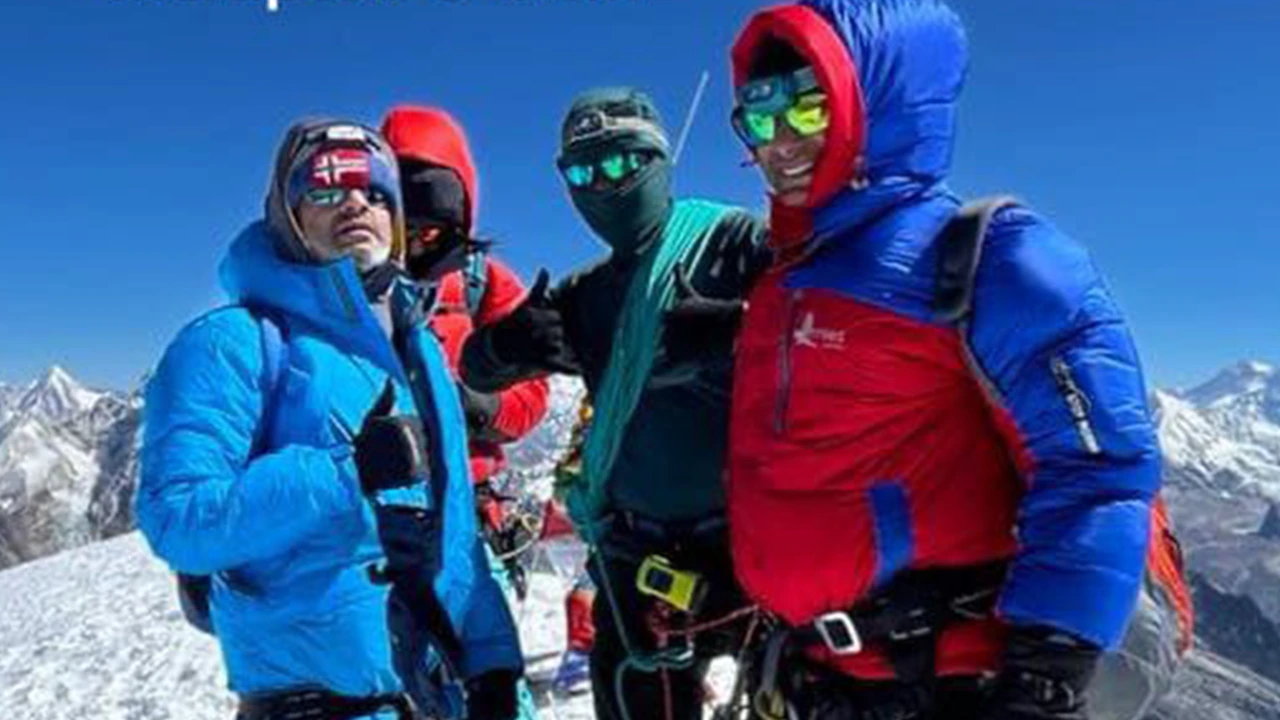
Standing atop Mera Peak at 6,476 meters is a moment few trekkers ever forget — a 360-degree panorama unfolding before you with five of the world's mightiest peaks in view: Everest, Lhotse, Makalu, Cho Oyu, and Kanchenjunga. After days of trekking through the remote Hinku Valley, battling thin air, and pushing through an early alpine start, reaching the summit feels like a true Himalayan achievement — one that few trekking peaks in Nepal can match. Take a moment to soak in the sunrise glow over the world's highest mountains, snap that unforgettable summit photo, and share a well-earned celebration with your guide and climbing team who helped you get there safely. Whether it's your first big climb or another milestone in a growing list of Himalayan adventures, summiting Mera Peak is a bucket-list moment worth celebrating for a lifetime. Ready to earn your own summit story? Start planning your Mera Peak Climbing adventure with Nepal Voyage Treks today.

Mera Peak Climbing

Trekking & Hiking Adventure

Duration 18 Days
Grade Strenuous
Meal B/L/D
Group Size 1-30
Accomodation Hotel/Lodge
Best Season Autumn/Spring
Start/End Kathmandu
Max Altitude 6476
Activity Climbing
Day 1 — Arrival in Kathmandu
Elevation 1350 m

Upon arrival at Tribhuvan International Airport in Kathmandu, travelers are warmly welcomed by their guide and driver. After clearing immigration and collecting luggage, you’ll be transferred to your hotel in the city, where you can rest, refresh, and recover from your international flight. Depending on your arrival time, you may have the opportunity to explore the vibrant streets of Thamel, the main tourist hub, or enjoy a traditional Nepali meal at a local restaurant.

Kathmandu, the capital of Nepal, is a fascinating city that blends ancient culture with modern life. You’ll notice the bustling markets, colorful temples, prayer flags fluttering in the wind, and historic architecture as you walk through its streets. This day is primarily for adjusting to the city’s rhythm, resting, and preparing for your upcoming trekking adventure or sightseeing tour. Your guide will also provide a briefing on the trek ahead, including tips on packing, acclimatization, and local customs. Overnight stay is at a comfortable hotel in Kathmandu, offering a convenient base to begin your Nepal journey.

Accomodation: Hotel
Meals: Lunch, Dinner
Day 2 — Preparation, Shopping & Briefing in Kathmandu
Elevation 1350 m

After breakfast at your hotel, the day is dedicated to preparing for your upcoming trek and optional Kathmandu sightseeing. Your guide will assist you with checking trekking gear, reviewing your itinerary, discussing acclimatization tips, and answering any last-minute questions to ensure you’re fully prepared for the adventure ahead.

For sightseeing, Kathmandu offers a wealth of cultural and historical attractions, including Swayambhunath (Monkey Temple), Boudhanath Stupa, Pashupatinath Temple, and the vibrant streets of Thamel. These visits provide a glimpse into Nepal’s rich heritage, spirituality, and local life, allowing travelers to connect with the country before setting off on the trek.

Note: You can choose to enjoy Kathmandu sightseeing either before your trek or after it concludes. Please note that only one day of sightseeing is included in your package. If you wish to explore the city on both days, additional costs may apply. This allows you to experience the highlights while keeping your trek schedule comfortable and focused.

Overnight stay is at a comfortable hotel in Kathmandu, giving you a chance to rest, enjoy city views, and finalize preparations for the adventure ahead.

Accomodation: Hotel
Meals: Breakfast, Lunch, Dinner
Day 3 — Drive to Ramechhap & Flight to Lukla (Acclimatization Day)
Ups ↑ 2310 m
Down ↓ 000 m
Elevation 2860 m
Distance ⟺ 140 km

Your adventure begins with a scenic drive from Kathmandu to Ramechhap, approximately 4–5 hours depending on traffic and road conditions. The journey takes you through lush green valleys, terraced hillsides, and small rural villages, giving your first glimpse of Nepal’s stunning countryside and Himalayan foothills. Along the way, you’ll pass by traditional farms, rivers, and forests, setting the tone for the high-altitude journey ahead.

From Ramechhap, you board a short domestic flight to Lukla, the gateway to the Everest and Mera regions. This flight is an adrenaline-filled highlight, as the small aircraft navigates narrow valleys and lands on the famous Tenzing-Hillary Airport, perched at 2,860 m. Once landed, the remainder of the day is reserved for acclimatization, allowing your body to adjust to the high altitude before starting the trek. You can stroll around Lukla, explore local shops, prayer flags, and quaint lodges, or enjoy hot beverages while soaking in the Himalayan views.

Accomodation: Lodge
Meals: Breakfast, Lunch, Dinner
Duration: Drive:4–5 hours + Flight: 30 minutes
Day 4 — Trek from Lukla to Chutanga
Ups ↑ 190 m
Down ↓ 000 m
Elevation 3050 m