





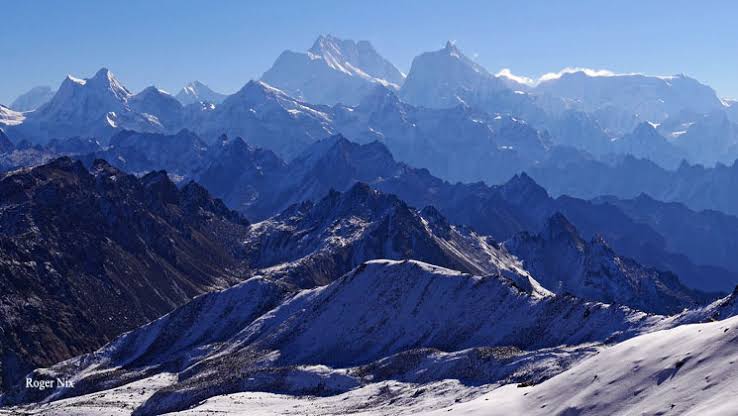
Nepal’s hidden crossing between Kanchenjunga and Makalu, explained day by day
If you want a Himalayan trek where you meet more yaks than trekkers, the Lumba Sumba Pass Trek is for you. The route crosses a 5,177 m pass in far-eastern Nepal and links the Kanchenjunga region with Makalu Barun National Park, through Limbu villages, bamboo forests, high pastures and the Tibetan-influenced settlement of Olangchung Gola. It is remote, demanding and unforgettable.
This guide covers everything you need to plan it: the full 21-day itinerary, what drives the cost, permits, the best season, difficulty and practical tips. You can see the complete trip details and book on our Lumba Sumba Pass Trek page.
Lumba Sumba Pass Trek at a Glance
| Detail | Information |
|---|---|
| Trek name | Lumba Sumba Pass Trek |
| Region | Kanchenjunga and Makalu, far-eastern Nepal |
| Duration | 21 days (Kathmandu to Kathmandu) |
| Highest point | Lumba Sumba Pass, 5,177 m |
| Difficulty | Moderate to strenuous |
| Start / end | Taplejung / Num |
| Style | Village lodges, homestays and camping |
| Best seasons | March to May and October to November |
Why Trek to Lumba Sumba Pass?
Everest and Annapurna are magnificent but busy. Lumba Sumba offers the opposite:
- Real wilderness: quiet trails, untouched forests and very few other trekkers.
- Two regions in one journey: the Kanchenjunga Conservation Area and Makalu Barun National Park.
- A true high-pass experience: a rewarding crossing above 5,000 m, without technical climbing.
- Living culture: Limbu, Rai, Sherpa and Tibetan-influenced communities, and the monastery village of Olangchung Gola.
- Big views: Kanchenjunga, Jannu, Makalu, Chamlang and Baruntse from the pass.
If you want to compare it with other eastern Nepal options, see our Kanchenjunga region treks and Makalu region treks, including the Kanchenjunga Base Camp Trek and the Makalu Sherpani Col Pass Trek.
21-Day Lumba Sumba Pass Trek Itinerary
| Day | Route | Altitude | Highlights |
|---|---|---|---|
| 1 | Arrive in Kathmandu | 1,350 m | Welcome dinner and trek briefing |
| 2 | Preparation day | 1,350 m | Gear check, permits, optional sightseeing |
| 3 | Fly to Bhadrapur, drive to Taplejung | 1,820 m | Tea gardens and hill roads (8–10 hr drive) |
| 4 | Taplejung to Mitlung | 921 m | First day on the trail along the Tamor River |
| 5 | Mitlung to Chiruwa | 1,270 m | Suspension bridges, Kanchenjunga Conservation Area |
| 6 | Chiruwa to Lelep | 1,687 m | Limbu and Sherpa villages |
| 7 | Lelep to Ela Danda | 3,200 m | Big forest climb, red panda habitat |
| 8 | Ela Danda to Selep Kharka | 3,525 m | Alpine meadows and yak pastures |
| 9 | Selep Kharka to Olangchung Gola | 3,208 m | Monastery village on the old Tibet trade route |
| 10 | Rest day at Olangchung Gola | 3,208 m | Acclimatization and culture |
| 11 | To Lumba Sumba Pass Base Camp | 4,750 m | Remote high camp |
| 12 | Cross Lumba Sumba Pass, descend to Yak Kharka | 5,177 m, then about 4,200 m | The trek’s highlight, with panoramic views |
| 13 | To Thudam Village | 3,500 m | Sherpa and Tibetan village |
| 14 | Thudam to Chyamtang | 2,229 m | Dense bamboo and rhododendron forest |
| 15 | Chyamtang to Hatiya | 1,595 m | Arun Valley farmland |
| 16 | Hatiya to Gola | 1,128 m | Rai, Sherpa and Bhote villages |
| 17 | Gola to Num | 1,560 m | Final trekking day |
| 18 | Num to Tumlingtar | 400 m | Walk, then jeep along the Arun Valley |
| 19 | Fly Tumlingtar to Kathmandu | 1,400 m | Mountain flight views |
| 20 | Kathmandu sightseeing | 1,350 m | UNESCO heritage sites and farewell dinner |
| 21 | Departure | n/a | Airport transfer |
For the full day-by-day descriptions, trail times and tips, visit the detailed itinerary on our trip page.
Key Days Explained
Day 7, Lelep to Ela Danda. This is the first serious climb, rising about 1,500 m through rhododendron and bamboo forest into red panda country. Take it slowly.
Day 10, Olangchung Gola. Your rest day is also a cultural highlight. Visit the monastery, meet local families and take a short acclimatization hike before the high section.
Day 12, the pass. You start before sunrise and climb steadily to 5,177 m, where Kanchenjunga, Makalu, Jannu and Chamlang come into view. The descent is steep and rocky, so it is a long day of 8 to 10 hours.
Lumba Sumba Pass Trek Cost: What Affects the Price?
Many trekkers search for “Lumba Sumba Pass Trek cost” first, so here is how pricing works. The price depends on group size, season, services and how remote the logistics are, and private departures cost more per person than group trips. Camping, restricted-area permits and a larger support crew make this trek more complex than a standard teahouse trek.
| Cost Factor | How It Affects Your Price |
|---|---|
| Group size | Larger groups share guide, vehicle and camp costs, lowering the price per person |
| Season | Spring and autumn are busiest, and flights and logistics can cost more |
| Camping vs lodge | Camping sections need tents, kitchen gear, porters and a cook crew |
| Permits | Several permits are needed (see below) |
| Flights and transfers | Kathmandu to Bhadrapur, Tumlingtar to Kathmandu, plus long road and jeep journeys |
| Hotel standard | Kathmandu hotel level, single room supplements and extra nights |
| Customization | Extra rest days, private departures and add-on tours |
Request your exact quote: Contact us through Make Inquiry or our Contact Us page, and we will send a transparent breakdown for your dates and group size.
What Is Typically Included
- Airport pickups and drops by private vehicle
- Hotel in Kathmandu with breakfast (twin sharing)
- Domestic flights: Kathmandu to Bhadrapur and Tumlingtar to Kathmandu
- Road transfers between Bhadrapur, Taplejung and Tumlingtar
- All meals during the trek
- Lodge, homestay and camping accommodation on the trail
- Licensed English-speaking guide and porters, with insurance
- Camp crew and kitchen support in remote sections
- Kanchenjunga Conservation Area, Makalu Barun National Park and restricted-area permits
- First-aid kit carried by the guide
- Farewell dinner and Kathmandu sightseeing
- Government and local taxes
What Is Typically Not Included
- International flights
- Nepal visa fees
- Travel insurance (mandatory)
- Personal expenses: drinks, Wi-Fi, charging, laundry and hot showers
- Extra nights in Kathmandu for early arrival or late departure
- Tips for guides, porters and drivers
- Costs from delays, cancellations or emergencies outside our control
Permit Costs
This trek passes through two protected areas and a restricted zone, so you need three main permits. As a rough guide, the Kanchenjunga restricted-area permit is about USD 20 per week, the Kanchenjunga Conservation Area permit about NPR 2,000, and the Makalu Barun National Park permit about NPR 3,000. Fees change, so confirm current rates with us. We handle all permits for you, and trekking in restricted areas requires a guide and solo trekking is not allowed.
Visa Cost
For a 21-day trip, a 30-day visa is the right choice. The standard tourist visa fee is USD 50 for 30 days, payable on arrival. Check the official immigration site before you travel.
Best Time for the Lumba Sumba Pass Trek
| Season | Months | What to Expect |
|---|---|---|
| Spring | March to May | Rhododendrons in bloom, warmer days, possible snow on the pass early on |
| Autumn | October to November | Clearest skies, stable weather and the sharpest mountain views |
| Winter | December to February | Very cold, with snow risk on the pass |
| Monsoon | June to September | Rain, leeches and landslides, so not recommended |
For most trekkers, mid-October to mid-November is the ideal window. If you prefer flowers and warmer days, choose mid-April to mid-May.
How Difficult Is the Lumba Sumba Pass Trek?
The trek is moderate to strenuous. You do not need mountaineering skills, but you must be fit and comfortable walking 5 to 10 hours a day, with a long pass day of 8 to 10 hours. Camps reach 4,750 m, the trail is remote and some sections are steep or overgrown, so previous multi-day trekking at altitude is strongly recommended.
Our acclimatization approach:
- A slow, steady pace every day.
- A rest day at Olangchung Gola (3,208 m).
- Daily health checks and honest symptom reporting.
- Drinking 3 to 4 liters of water a day.
- An early start on pass day, with the guide making the final call on conditions.
Start training 3 to 4 months before departure, with cardio, leg strength and long loaded hikes. Our guide to trekking equipment will help you pack, and our first aid information explains how we handle health on the trail.
Insurance and Safety
Travel insurance is mandatory and must cover high-altitude trekking up to 6,000 m and helicopter evacuation, because this route is remote and rescue depends on weather and distance. Read our guide to travel insurance, emergency rescue and helicopter evacuation in Nepal and our insurance information page before you buy a policy.
What to Pack
- Sleeping bag rated to about -15°C to -20°C
- Broken-in, waterproof boots with ankle support
- Down jacket, fleece and waterproof shell
- Trekking poles, headlamp and sun protection
- Water purification, a first-aid kit and a power bank
Heavy items like sleeping bags and down jackets can be rented in Kathmandu.
Make the Most of Your Trip
If you have extra time, add a few days in Nepal before or after the trek. Our Nepal heritage, Pokhara, Lumbini and Chitwan tour pairs well with a Himalayan crossing, and you can browse more routes on our trekking in Nepal page.
Frequently Asked Questions
Cost Questions
1. How much does the Lumba Sumba Pass Trek cost?
The price depends on group size, season, accommodation standard and how much customization you want, so there is no single fixed figure for everyone. Larger groups share the cost of the guide, vehicles and camp equipment, which lowers the price per person. Private departures for one or two trekkers cost more per person. Send us your dates and group size through Make Inquiry, and we will give you a clear written quote with a full breakdown.
2. What is included in the trek cost?
A typical package covers airport transfers, Kathmandu hotel nights with breakfast, domestic flights (Kathmandu to Bhadrapur and Tumlingtar to Kathmandu), road and jeep transfers, all meals on the trek, lodge, homestay and camping accommodation, a licensed English-speaking guide and porters with insurance, camp crew and kitchen support in remote sections, all trek permits, a first-aid kit carried by the guide, Kathmandu sightseeing and a farewell dinner. Your final quote lists the exact inclusions for your trip.
3. What is not included in the price?
International flights, your Nepal visa, travel insurance, personal expenses (drinks, Wi-Fi, charging, laundry, hot showers), extra Kathmandu nights, and tips for the crew are normally excluded. Costs caused by flight cancellations, natural events or personal health issues are also outside the package, which is one reason insurance is mandatory.
4. Why is this trek more expensive than a standard teahouse trek?
It is a remote route with limited infrastructure. High-altitude sections near Ela Danda, the pass base camp and Yak Kharka have no lodges, so we need tents, a kitchen crew, porters and food supplies. You also pay for restricted-area permits, two domestic flights and long road transfers. The extra cost buys safety, reliable meals and support in a region where help is far away.
5. How much are the permits and visa?
You need a Kanchenjunga restricted-area permit, a Kanchenjunga Conservation Area permit and a Makalu Barun National Park permit. We arrange them and include them in your package, so you don’t pay separately on the trail. For a 21-day trip you need a 30-day tourist visa, which costs USD 50 on arrival. Fees can change, so check the official immigration website before you travel.
6. How much spending money should I bring?
Meals and accommodation on the trek are covered, so your cash needs are mostly personal: snacks and drinks, charging, Wi-Fi where available, laundry, small purchases, donations at monasteries and Kathmandu meals outside the program. Add a tipping budget for your guide, porters and crew, plus an emergency buffer. There are no reliable ATMs on the trail, so exchange Nepali rupees in Kathmandu and carry small notes.
7. Is a group trek cheaper than a private trek?
Yes, usually. In a group, fixed costs such as the guide, vehicles, camp equipment and cook crew are split between more people. A private trek gives you control over dates, pace and the itinerary, but costs more per person. Tell us your preference when you contact us, and we can offer both options.
Itinerary Questions
8. How many days is the Lumba Sumba Pass Trek itinerary?
The itinerary is 21 days from arrival to departure in Kathmandu. That includes a preparation day, travel days, about 14 days of trekking, a rest day at Olangchung Gola, a free day for buffer, and a day of Kathmandu sightseeing. The route runs from Taplejung to Num via Lumba Sumba Pass (5,177 m).
9. What is the day-by-day route in brief?
You arrive in Kathmandu (Days 1 to 2), fly to Bhadrapur and drive to Taplejung (Day 3), then trek through Mitlung, Chiruwa and Lelep (Days 4 to 6). The big climb takes you to Ela Danda and Selep Kharka (Days 7 to 8), then to Olangchung Gola, where you rest (Days 9 to 10). You camp at the pass base camp (Day 11), cross the pass (Day 12) and descend to Thudam, Chyamtang, Hatiya, Gola and Num (Days 13 to 17). A jeep ride and flight take you back to Kathmandu (Days 18 to 19), followed by sightseeing and departure (Days 20 to 21). The full description is on our trip page.
10. Where does the trek start and finish, and how do I get there?
You start in Taplejung after a 45-minute flight from Kathmandu to Bhadrapur and a drive of about 8 to 10 hours. You finish in Num, then take a jeep to Tumlingtar and a short flight back to Kathmandu. Hill flights depend on weather, so delays can happen.
11. Which are the hardest days on the itinerary?
Three days stand out. Day 7 (Lelep to Ela Danda) climbs about 1,500 m through steep forest. Day 11 (Olangchung Gola to the pass base camp) climbs about 1,500 m to 4,750 m. Day 12 is the pass crossing, an 8 to 10 hour day with a steep, rocky descent. Walk slowly, drink plenty of water and tell your guide at once about any symptoms.
12. Is acclimatization built into the itinerary?
Yes. Day 10 is a dedicated rest and exploration day at Olangchung Gola (3,208 m), where you take a short hike high and sleep low. Our guides also check your health daily, set a slow pace and can adjust the plan, descend or delay the pass for your safety. Because Days 7 and 11 have large altitude gains, we recommend good fitness and honest communication with your guide.
13. Where will I sleep each night?
In Kathmandu you stay in a 3-star hotel. In the lower villages (Taplejung, Mitlung, Chiruwa, Lelep, Hatiya, Num) you stay in simple lodges and tea houses, and in cultural villages like Olangchung Gola and Thudam you may stay in lodges or homestays. At remote high sections near Ela Danda, Selep Kharka, the pass base camp and Yak Kharka, you sleep in tents or basic shelters supported by our camp crew.
Planning Questions
14. Can the itinerary be customized or shortened?
Yes, within limits. We can add extra rest days, extra Kathmandu nights, a private departure, or add-on tours such as our Pokhara, Lumbini and Chitwan tour. Shortening the trek is not recommended, because the itinerary already balances altitude gain, rest and travel. Any change affects permits, flights and price, so tell us as early as possible.
15. When should I book, and how do I do it?
Book 3 to 6 months ahead for the best seasons, mid-October to mid-November and mid-April to mid-May, so permits, flights and camp logistics are ready. You can use Book Now, send an inquiry through Make Inquiry, email info@nepalvoyagetreks.com, or WhatsApp +977 9851080223. We will confirm availability, share your quote and tell you which documents we need, such as your passport copy and insurance details.
Ready to Trek the Lumba Sumba Pass?
The Lumba Sumba Pass Trek is for travelers who want solitude, big landscapes and real cultural encounters. With careful planning, a licensed local team and a flexible itinerary, it can be the highlight of your Himalayan journey.
- See the full trip details: Lumba Sumba Pass Trek
- Book now: Book Your Trek
- Ask a question: Make Inquiry or email info@nepalvoyagetreks.com
- Chat with us: WhatsApp +977 9851080223
Come as a guest and go as a friend. Namaste from the Nepal Voyage Treks team.




Leave a Comment