





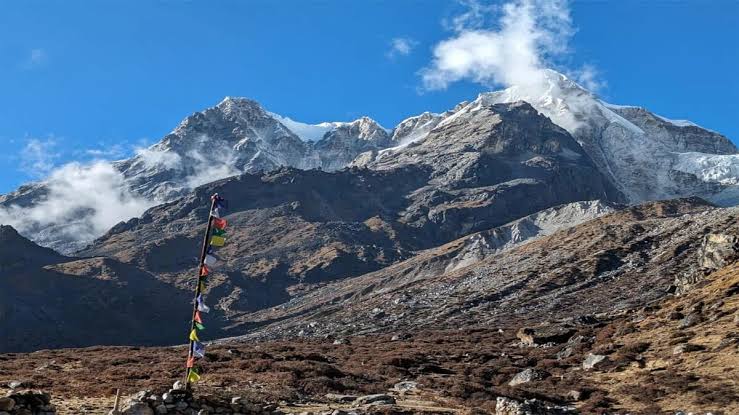
Most trekkers have heard of Everest Base Camp. Far fewer have heard of the Lumba Sumba Pass, and that is exactly why it appeals to experienced hikers. This remote crossing links the Kanchenjunga region with the Makalu region in far-eastern Nepal, passing through quiet villages, bamboo forests and high pastures before climbing to a pass above 5,100 metres.
But quiet trails come at a price. There are no big lodges, no easy escape routes and very few other trekkers. So the question is a fair one: how hard is the Lumba Sumba Pass Trek, really?
The short answer: it is a moderate-to-strenuous trek, harder than classic teahouse routes like Everest Base Camp or Annapurna Base Camp, but without any technical climbing. The difficulty comes from remoteness, steep ascents, long walking days, camping at altitude and a demanding pass day, not from rope work or special skills.
If you want to see the full route and plan your dates, here is the Lumba Sumba Pass Trek with Nepal Voyage Treks.
Lumba Sumba Pass Trek at a Glance
| Detail | Info |
|---|---|
| Region | Kanchenjunga to Makalu (far-eastern Nepal) |
| Duration | 21 days (20 to 22 days) |
| Grade on the trip page | Moderate (described in the text as moderate to strenuous) |
| Highest point | Lumba Sumba Pass, about 5,177 m |
| Route type | Point to point: Taplejung to Num |
| Walking days | About 14 days on the trail |
| Daily walking | 5 to 10 hours |
| Accommodation | Lodges and homestays in villages, camps at remote high sections |
| Best seasons | March to May and October to November |
| Technical climbing | None |
Note on the pass height: Sources give slightly different figures for the pass, from about 5,159 m to 5,177 m. Either way, you will be crossing a pass above 5,100 m, so plan for very high altitude.
Difficulty Scorecard: Where the Challenge Really Comes From
| Factor | Rating (out of 5) | Why |
|---|---|---|
| Altitude | 4 | Pass above 5,100 m and a camp at about 4,750 m |
| Remoteness | 5 | Few trekkers, limited villages, no quick road access |
| Daily walking time | 4 | 5 to 10 hours a day, with a long pass day |
| Steepness | 4 | Two climbs of roughly 1,500 m, plus long steep descents |
| Trail conditions | 3 | Rocky ground, snow, overgrown bamboo and limited signs |
| Camping and cold | 4 | Cold nights at high camps, basic facilities |
| Technical skill needed | 1 | Walking only; no ropes or crampons required |
| Overall | About 4 out of 5 | Strenuous, but achievable with preparation |
This scorecard is a practical guide, not an official grade. Individual experience will vary with fitness, weather and how well you acclimatize.
The 5 Hardest Parts of the Lumba Sumba Pass Trek
1. Day 7: Lelep to Ela Danda (steep forest climb)
This is the first serious test. You gain about 1,500 m through rhododendron, bamboo and juniper forest, rising from Lelep (1,687 m) to Ela Danda (3,200 m) in 6 to 7 hours. The trail is steep and can be muddy after rain. It is also your first night at a remote camp, so cold, basic conditions begin here.
2. Day 11: Olangchung Gola to the Pass Base Camp
After a rest day, you climb about 1,600 m from Olangchung Gola (3,208 m) to the pass base camp at about 4,750 m. This is a very big altitude gain for one day, and you sleep at a height where many people struggle with sleep, appetite and headaches. Slow pace and honest reporting of symptoms are essential.
3. Day 12: Crossing the Lumba Sumba Pass
This is the toughest and most rewarding day. You start before sunrise, climb over rocky ground and snowfields to the pass, then descend steeply on rock and snow to a camp near a yak pasture at about 4,200 m. Expect 8 to 10 hours of walking. Views of Kanchenjunga, Makalu, Jannu, Chamlang and Baruntse are the reward, weather permitting.
4. Days 13 and 14: The long descent on the Makalu side
After the pass, the trail drops through quiet valleys to Thudam (3,500 m), then through dense forest to Chyamtang (2,229 m). Day 14 alone is 7 to 8 hours and loses about 1,300 m. Your knees and toes will feel it. Below Thudam, overgrown bamboo can hide the trail, so a guide who knows the route is essential.
5. The remoteness itself
Even without technical terrain, this trek is serious because help is far away. Villages are small and spread out, camps are basic, and evacuation depends on weather and distance. That makes preparation, insurance and a well-organised team part of the difficulty, not extras.
Day-by-Day Difficulty Snapshot
| Days | Section | Walking time | Difficulty |
|---|---|---|---|
| 1 to 2 | Kathmandu arrival and preparation | n/a | Easy |
| 3 | Fly to Bhadrapur, drive to Taplejung (about 240 km) | 8 to 10 hrs driving | Long travel day |
| 4 to 6 | Taplejung to Mitlung, Chiruwa, Lelep | 5 to 7 hrs | Moderate, with ups and downs |
| 7 | Lelep to Ela Danda (about 3,200 m) | 6 to 7 hrs | Hard, steep climb |
| 8 | Ela Danda to Selep Kharka (3,525 m) | 5 to 6 hrs | Moderate |
| 9 | Selep Kharka to Olangchung Gola (3,208 m) | 6 hrs | Moderate |
| 10 | Rest and acclimatization at Olangchung Gola | Optional 3 to 5 hrs | Easy |
| 11 | To pass base camp (about 4,750 m) | 6 to 7 hrs | Hard, big altitude gain |
| 12 | Cross the pass (5,177 m), descend to about 4,200 m | 8 to 10 hrs | Hardest day |
| 13 | To Thudam (3,500 m) | 6 to 7 hrs | Moderate to hard |
| 14 | To Chyamtang (2,229 m) | 7 to 8 hrs | Hard, long descent |
| 15 to 17 | Hatiya, Gola, Num | 5 to 7 hrs | Moderate, warmer valleys |
| 18 to 21 | Tumlingtar, flight to Kathmandu, sightseeing, departure | n/a | Easy |
What Makes It Easier Than You Might Think
- No technical skills. You do not need crampons, ropes or mountaineering experience.
- A built-in rest day. Day 10 at Olangchung Gola gives your body time to adapt before the highest section.
- Gradual lower sections. Days 4 to 6 ease you into the trek through warm valleys.
- Camp and crew support. In the remote high sections, your team handles tents, meals and water, so you only walk and rest.
- Rich variety. Changing scenery, villages and wildlife keep motivation high.
How It Compares With Other Nepal Treks
| Trek | Highest point | Style | Typical difficulty |
|---|---|---|---|
| Everest Base Camp | About 5,364 m (EBC) | Lodges, busy trail | Moderate |
| Manaslu Circuit (Larkya La) | Just over 5,100 m | Lodges, restricted area | Moderate to strenuous |
| Lumba Sumba Pass | About 5,177 m | Lodges and camping, very remote | Strenuous |
| Kanchenjunga Base Camp | About 5,100 m | Lodges and camping, remote | Strenuous |
| Upper Dolpo | Over 5,000 m | Mostly camping, very remote | Strenuous |
Lumba Sumba is generally a step up from teahouse treks because of the remoteness, the camping and the lack of easy exits. If you have done a high pass trek before, you are well placed. If you want to explore related routes, see the Kanchenjunga East and West Base Camp Trek, the Everest Three High Passes Trek and the Manaslu Circuit Trek.
Altitude: The Biggest Risk You Can't Train For
Altitude affects fit and unfit trekkers alike. On this trek:
- You sleep as high as about 4,750 m at the pass base camp.
- Two days involve gains of about 1,500 m or more, much more than the usual guideline for sleeping height.
- The pass itself exceeds 5,100 m.
To reduce the risk:
- Walk slowly. If you can't hold a conversation, you are going too fast.
- Use the rest day. Day 10 at Olangchung Gola is there for a reason.
- Drink 3 to 4 litres of water daily and eat even when your appetite drops.
- Report symptoms at once. Headache, nausea, dizziness or unusual tiredness need attention.
- Never push through worsening symptoms. Descent is the best treatment.
- Talk to your doctor before the trip about altitude and any medication.
Your insurance must also cover helicopter evacuation up to 6,000 m. For help choosing cover, see this guide on travel insurance for trekking in Nepal.
Fitness and Training: What You Need
You do not need to be an athlete, but you should be comfortable walking 5 to 7 hours a day for several days in a row, with a few days longer than that. Start training 12 to 16 weeks before departure.
A simple training plan
| Weeks | Focus | Example |
|---|---|---|
| 1 to 4 | Base fitness | 3 cardio sessions (30 to 45 min), 2 strength sessions, 1 easy hike |
| 5 to 8 | Endurance and leg strength | 3 cardio sessions (45 to 60 min), 2 strength sessions, 1 hike of 2 to 4 hours |
| 9 to 12 | Trek-specific work | Long hike of 4 to 6 hours with a loaded daypack, plus a second hike the next day |
| 13 to 15 | Peak, then taper | Back-to-back long hikes, then ease off |
| 16 | Final week | Short walks, gear checks, rest |
Focus on:
- Hills and stairs, because the trek is steep
- Downhill practice with poles, because Days 13 and 14 are hard on the knees
- Squats, lunges, step-ups and core work
- Training in your own boots, so there are no blisters on the trail
See a doctor for a check-up before starting, especially if you have heart, lung or other health conditions.
Gear That Makes the Trek Easier
The route covers warm lowlands, cold high camps and a windy pass, so layering is key. Essentials include:
- Sleeping bag rated to about -15°C to -20°C (rentable in Kathmandu)
- Down jacket, fleece, waterproof shell jacket and trousers
- Broken-in waterproof boots with ankle support, gaiters and trekking poles
- Warm hat, gloves or mittens, buff and sunglasses
- Headlamp, power bank, water purification tablets and a personal first-aid kit
- Insect repellent for leeches and midges in the lower, wetter sections
Your guide checks your kit on the preparation day in Kathmandu. For a fuller list, see the trekking equipment guide.
Does the Season Change the Difficulty?
Yes, quite a lot.
- March to May: Rhododendrons bloom and days are warmer, but the pass can hold snow early in the season and afternoon clouds build later.
- October to November: Clear skies and the most stable weather, with colder nights at high camps. This is generally the easiest window.
- December to February: Very cold, with snow likely on the pass. Only for highly experienced trekkers.
- June to September (monsoon): Rain, leeches, slippery trails and poor views. Not recommended.
Is the Lumba Sumba Pass Trek Right for You?
It is a good fit if you:
- Have completed a multi-day high-altitude trek before
- Enjoy remote wilderness and don't mind basic camping
- Are comfortable walking 5 to 10 hours with a daypack
- Want culture and nature without crowds
Think twice if you:
- Have never trekked above 3,500 m
- Want hot showers, Wi-Fi and comfortable lodges every night
- Have limited time to train
- Are uneasy about remote areas with limited evacuation options
If you are unsure, a shorter trek in the same region or an easier high-pass route can be a good stepping stone first.
Top Tips to Make It Easier
- Train with hills and a loaded pack, not just on flat ground.
- Go slow. The best trekkers on this route are the steady ones.
- Pack light and keep essentials in your daypack.
- Start early on pass day, when weather is most stable.
- Keep your phone, water bottle and batteries in your sleeping bag on freezing nights.
- Take buffer days at the end in case of flight or weather delays.
- Trust your guide's decisions on pace, weather and the pass crossing.
Why Trek With Nepal Voyage Treks?
Because this trek crosses a restricted border zone and two protected areas, it must be arranged through a licensed agency with a registered guide. The Lumba Sumba Pass Trek page describes a 21-day program with a licensed English-speaking guide, porters, all meals on the trek, flights and transfers, permit handling and a built-in acclimatization day, so you can focus on walking. Ready to plan? Send an inquiry or contact the team to check dates and customize the itinerary.
Related FAQs About Lumba Sumba Pass Trek Difficulty (Detailed)
1. How hard is the Lumba Sumba Pass Trek?
It is moderate to strenuous, and harder than classic teahouse treks. The challenge comes from altitude (a pass above 5,100 m), steep ascents of about 1,500 m on two days, long walking days of 5 to 10 hours, camping at altitude and the remoteness of the route. There is no technical climbing, so good fitness, a slow pace and proper acclimatization are what matter most.
2. Is the Lumba Sumba Pass Trek harder than Everest Base Camp?
For most people, yes. Everest Base Camp has well-established lodges, a clear trail and frequent villages. Lumba Sumba is much more remote, involves camping at remote high sections, crosses a pass above 5,100 m and has far fewer trekkers and services. The two share similar maximum altitudes, but Lumba Sumba demands more self-reliance and stamina.
3. Do I need technical climbing skills for Lumba Sumba Pass?
No. The pass crossing involves rocky ground and snowfields but no technical climbing, ropes or ice axes. You need to be comfortable walking on steep, uneven terrain, including snow in cold conditions. In winter or early spring, your guide may advise extra equipment, so confirm conditions before you travel.
4. How fit do I need to be, and how long should I train?
You should be able to walk 5 to 7 hours a day for several days in a row, and a few longer days of up to 10 hours. Start training 12 to 16 weeks before departure with cardio, leg strength, hill walking and loaded-pack hikes. Practise long descents with poles. Fitness helps, but it doesn't prevent altitude sickness, so pace and acclimatization still matter.
5. What is the toughest day of the trek?
Day 12, the pass crossing. You start before sunrise from about 4,750 m, climb to roughly 5,177 m over rock and snow, then descend steeply to about 4,200 m, walking for 8 to 10 hours. Day 11 (a gain of about 1,600 m to the base camp) and Day 7 (about 1,500 m of steep forest climbing) are also very demanding.
6. What is the altitude profile, and how risky is altitude sickness?
You start around 900 m at Mitlung, climb to 3,200 m by Day 7, rest at Olangchung Gola (3,208 m), sleep as high as about 4,750 m, then cross the pass above 5,100 m. Two days have very large altitude gains, so the risk of altitude sickness is real. Reduce it with a slow pace, plenty of fluids, the Day 10 rest day, honest symptom reporting and a willingness to descend. Check with your doctor about altitude medication.
7. Can beginners do the Lumba Sumba Pass Trek?
It is not recommended for complete beginners. Previous multi-day trekking at altitude is a big advantage, and the trip page describes it as best for experienced trekkers. A fit first-timer with plenty of training time and a strong motivation might manage it, but a shorter, lower trek is a safer first step.
8. Is the trek teahouse-based or camping?
It is a mix. Lower villages such as Taplejung, Chiruwa, Lelep, Olangchung Gola, Thudam and Num offer simple lodges or homestays, while remote high sections near Ela Danda, Selep Kharka, the pass base camp and Yak Kharka use camps or basic shelters. Expect basic facilities, cold nights and limited hot water, with a crew that handles tents, meals and water.
9. What permits do I need, and can I trek independently?
This route passes through the Kanchenjunga Conservation Area, Makalu Barun National Park and a restricted border zone, so permits are needed for each. Restricted areas generally require a registered guide and a licensed agency, so independent trekking isn't possible. Your operator arranges the paperwork, but fees and rules change, so confirm the current permits and costs when you book.
10. When is the best time, and how does the season affect difficulty?
October to November is generally the easiest window, with clear skies and stable weather, though nights at high camps are cold. March to May offers blooming rhododendrons and warmer days, with a chance of snow on the pass early on. Winter is very cold, and the monsoon (June to September) brings rain, leeches and slippery trails. Pick your season carefully, and keep spare days at the end for weather or flight delays.
Final Thoughts: Is the Lumba Sumba Pass Trek Worth the Effort?
The Lumba Sumba Pass Trek is hard, but it is hard in an honest way: long days, big climbs, cold camps and thin air, with no technical tricks. In return you get something rare in Nepal: wild trails, remote villages, rich wildlife and a pass with views of Kanchenjunga, Makalu and Jannu, and very few people to share them with.
Train well, move slowly, respect the altitude and go with an experienced team, and this trek can be one of the most rewarding of your life.
Ready to start planning? Explore the Lumba Sumba Pass Trek itinerary, or browse more Kanchenjunga region treks from Nepal Voyage Treks.





Leave a Comment