


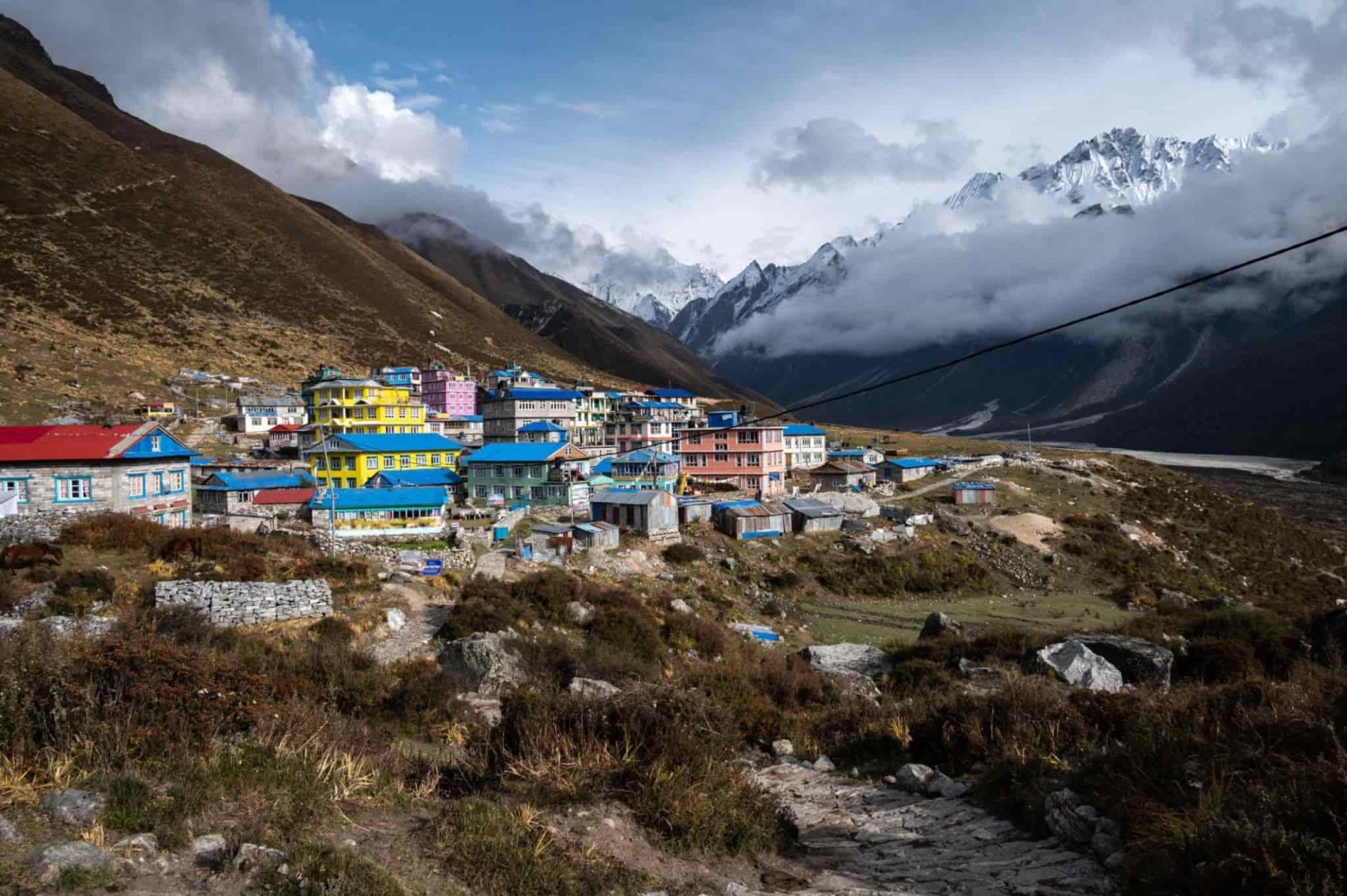
Nepal is home to some of the world's most spectacular Himalayan trekking destinations, and the Langtang Gosainkunda Trek is an exceptional journey combining natural beauty, traditional mountain culture and spiritual significance. Located north of Kathmandu, this remarkable trekking route takes you through the beautiful Langtang Valley, traditional Tamang settlements, dense rhododendron forests, alpine landscapes and the breathtaking sacred lakes of Gosainkunda. From the impressive views of Langtang Lirung to the peaceful atmosphere of Kyanjin Gompa and the high-altitude adventure across Lauribina La Pass, every section of the journey offers a different Himalayan experience. Whether you are a mountain enthusiast, cultural explorer, nature lover or adventure traveler, the Langtang to Gosainkunda Trek provides an opportunity to discover Nepal's spectacular landscapes and authentic Himalayan traditions.
Discover the Natural Beauty of Langtang Valley
Langtang Valley is one of Nepal's most beautiful Himalayan destinations, known for its dramatic mountain scenery, glacial landscapes, traditional villages and peaceful surroundings. Situated within Langtang National Park, the valley offers a wonderful combination of natural attractions and cultural experiences.
The trekking trail follows the Langtang Khola through lush forests, wooden bridges, waterfalls, yak pastures and alpine meadows. As you gradually gain altitude, the landscape changes from green hillsides and dense forests to wide Himalayan valleys surrounded by impressive snow-covered mountains.
One of the most remarkable features of the region is the spectacular view of Langtang Lirung (7,245 m), along with other Himalayan peaks, including Dorje Lakpa and Langshisa Ri.
Langtang Valley is also an excellent destination for travelers interested in Himalayan wildlife, mountain photography and peaceful nature experiences. The national park is home to diverse vegetation, Himalayan birds and wildlife, including red pandas.
Kyanjin Gompa: A Beautiful Himalayan Settlement Beneath Langtang Lirung
Kyanjin Gompa, situated at approximately 3,870 meters, is one of the major highlights of the Langtang Valley Trek. Surrounded by towering Himalayan peaks, glaciers and open alpine landscapes, this traditional mountain settlement offers an unforgettable trekking experience.
The village is famous for its historic monastery, traditional stone buildings, yak pastures and local Himalayan cheese production. Trekkers can explore the peaceful surroundings, experience local hospitality and enjoy magnificent views of the surrounding mountains.
Kyanjin Gompa also provides opportunities for optional high-altitude hikes to Kyanjin Ri (4,773 m) and Tsergo Ri (4,984 m). These viewpoints offer impressive panoramic views of Langtang Lirung, surrounding glaciers and the upper Langtang Valley.
An acclimatization and exploration day at Kyanjin Gompa allows trekkers to experience the natural and cultural beauty of the region while preparing for the next section of the journey.
Experience Authentic Tamang Culture and Himalayan Traditions
The Langtang region is particularly well known for its traditional Tamang communities, whose culture, language, architecture, customs and Buddhist traditions form an important part of the Himalayan experience.
During the trek, visitors pass through traditional settlements where stone houses, prayer flags, mani walls, chortens and monasteries reflect the region's cultural heritage.
Tamang communities have maintained strong connections with their mountain environment and traditional lifestyles for generations. Their hospitality, local cuisine, craftsmanship and cultural practices make the journey more meaningful than a conventional mountain trek.
Travelers can experience traditional Nepali meals, interact with local families, explore village monasteries and observe everyday life in the Himalayan countryside.
The opportunity to learn about Tamang culture and local mountain traditions is one of the most memorable aspects of trekking through Langtang Valley and the surrounding region.
Explore Gosainkunda: Nepal's Sacred Alpine Lakes
Gosainkunda is one of Nepal's most famous high-altitude lake destinations and a major highlight of the Langtang Gosainkunda Trek. Located at approximately 4,380 meters inside Langtang National Park, this sacred alpine lake is surrounded by rugged mountain slopes, rocky landscapes and spectacular Himalayan scenery.
Gosainkunda holds deep religious significance for both Hindu and Buddhist communities. According to Hindu mythology, the lake is associated with Lord Shiva, who is believed to have created it with his trident after consuming poison to save the universe.
Every year, thousands of Hindu pilgrims visit Gosainkunda, particularly during the Janai Purnima festival, which usually falls in August. During this important religious occasion, devotees travel to the lake to take a holy bath and perform traditional rituals.
The Gosainkunda Lake area also includes several other beautiful alpine lakes, creating a remarkable high-altitude landscape. The peaceful atmosphere, crystal-clear water, surrounding peaks and colorful prayer flags make this destination especially attractive for trekkers, photographers and spiritual travelers.
Visiting Gosainkunda is not simply about reaching a mountain lake; it is also an opportunity to discover an important part of Nepal's religious and cultural heritage.
Lauribina La Pass: An Exciting High-Himalayan Trekking Experience
Crossing Lauribina La Pass is one of the most adventurous sections of the Langtang Gosainkunda Trek. Situated at approximately 4,610 meters, this high mountain pass connects the Gosainkunda area with the Ghopte and Helambu trekking region.
The trail climbs through rocky terrain, alpine slopes and high-altitude landscapes before reaching the pass. From the top, trekkers can enjoy impressive views of the surrounding Himalayan mountains, including the Langtang and Ganesh Himal ranges.
Prayer flags around the pass create a beautiful Himalayan atmosphere, while the surrounding alpine lakes and rugged mountain scenery make this section particularly rewarding.
After crossing Lauribina La Pass, the trail descends towards Ghopte through rocky paths, mountain slopes and changing natural landscapes.
Good physical preparation, proper acclimatization and suitable trekking equipment are important for safely completing this high-altitude section.
Forests, Wildlife and Natural Attractions Along the Trek
Langtang National Park offers an extraordinary variety of natural environments, making the Langtang Gosainkunda Trek attractive to nature enthusiasts as well as mountain trekkers.
The lower trekking sections pass through beautiful forests of oak, pine, bamboo and rhododendron. During spring, blooming rhododendrons add vibrant colors to the hillsides and forest trails.
As the trail gains elevation, the vegetation gradually changes into alpine meadows, rocky mountain terrain and glacial landscapes.
The national park also supports diverse wildlife, including Himalayan tahr, musk deer, red pandas, monkeys and various bird species.
Although wildlife sightings are never guaranteed, walking through these natural habitats provides an opportunity to appreciate the biodiversity and ecological importance of the Langtang region.
Major Highlights of the Langtang Gosainkunda Trek
The Langtang Gosainkunda Trek combines cultural exploration, mountain scenery, high-altitude adventure and spiritual experiences.
Some of the major highlights include:
-
Exploring the spectacular Langtang Valley inside Langtang National Park.
-
Enjoying panoramic views of Langtang Lirung (7,245 m) and surrounding Himalayan peaks.
-
Visiting the traditional Tamang settlements and experiencing local hospitality.
-
Exploring Kyanjin Gompa and its historic monastery.
-
Taking optional hikes to Kyanjin Ri and Tsergo Ri.
-
Discovering yak pastures, alpine meadows and Himalayan glaciers.
-
Visiting the sacred Gosainkunda Lake at approximately 4,380 meters.
-
Learning about the religious importance of Gosainkunda and Janai Purnima.
-
Crossing the challenging Lauribina La Pass at approximately 4,610 meters.
-
Walking through beautiful rhododendron, oak and pine forests.
-
Exploring the mountain settlements of Thulo Syabru, Chandanbari and Ghopte.
-
Completing the journey through the scenic Helambu region towards Sundarijal.
Langtang Gosainkunda Trek Route and Major Destinations
The Langtang Gosainkunda Trek follows a remarkable route connecting the Langtang Valley with the sacred Gosainkunda Lakes and the Helambu region.
The journey begins with a scenic drive from Kathmandu to Syabrubesi. From there, the trekking route follows the Langtang Valley towards Lama Hotel, Langtang Village and Kyanjin Gompa.
After exploring the upper valley, trekkers retrace part of the route before continuing towards Thulo Syabru, Singh Gompa (Chandanbari) and Gosainkunda.
The trail then crosses Lauribina La Pass before descending towards Ghopte, Kutumsang and Chisapani, eventually reaching Sundarijal.
Major trekking route:
Kathmandu – Syabrubesi – Lama Hotel – Langtang Village – Kyanjin Gompa – Lama Hotel – Thulo Syabru – Singh Gompa (Chandanbari) – Gosainkunda – Lauribina La Pass – Ghopte – Kutumsang – Chisapani – Sundarijal – Kathmandu.
This route offers an excellent combination of Himalayan landscapes, traditional villages, sacred destinations and high mountain trekking.
Best Time to Experience the Langtang Gosainkunda Trek
Choosing the right trekking season is important for enjoying clear mountain views, comfortable walking conditions and safer high-altitude travel.
The two most recommended trekking seasons are spring and autumn.
Spring Season (March to May)
Spring is one of the best times to explore the Langtang and Gosainkunda regions. The lower forests become colorful with blooming rhododendrons, while the weather generally offers pleasant daytime temperatures and improving mountain visibility.
This season is particularly attractive for nature lovers, photographers and trekkers interested in Himalayan flora.
Autumn Season (September to November)
Autumn is another excellent season for the Langtang Gosainkunda Trek. Following the monsoon, the skies generally become clearer, mountain views improve and the trekking trails offer beautiful scenery.
October and November are especially popular for trekking because of their generally stable weather and excellent Himalayan visibility.
Winter Season (December to February)
Winter trekking is possible for experienced and well-prepared trekkers, but high-altitude sections can become extremely cold. Snowfall, icy trails and difficult weather conditions may affect the route, especially around Gosainkunda and Lauribina La Pass.
Monsoon Season (June to August)
The monsoon season brings heavy rainfall, cloudy skies, slippery trails and possible landslides in lower sections. However, the Gosainkunda area also attracts pilgrims during the Janai Purnima festival in August.
Spring and autumn are generally the most recommended seasons for this trekking adventure.
How Difficult Is the Langtang Gosainkunda Trek?
The Langtang Gosainkunda Trek is generally considered a moderate to challenging Himalayan trekking adventure. Although the route does not require technical mountaineering skills, it involves several days of walking, significant elevation changes and high-altitude sections.
The most demanding sections include the ascent towards Gosainkunda and the crossing of Lauribina La Pass at approximately 4,610 meters.
Trekkers should be prepared for:
-
Walking approximately 5–7 hours on many trekking days.
-
Steep uphill and downhill trails.
-
Rocky and uneven mountain paths.
-
Cold temperatures at higher elevations.
-
Reduced oxygen availability at high altitude.
-
Changing mountain weather conditions.
Previous trekking experience is beneficial, although physically fit beginners with proper preparation and a suitable itinerary may also consider this journey.
Proper acclimatization, gradual altitude gain, adequate hydration and guidance from experienced trekking professionals are important for a safe experience.
Altitude Sickness and Safety Considerations
Altitude sickness is an important consideration on the Langtang Gosainkunda Trek because the route reaches elevations above 4,000 meters.
Common symptoms of acute mountain sickness (AMS) include headaches, nausea, dizziness, tiredness and difficulty sleeping.
Trekkers should follow a gradual ascent, maintain a suitable acclimatization schedule and avoid pushing themselves when experiencing symptoms.
If symptoms worsen, ascending should stop and descent may be necessary. Severe symptoms require immediate medical attention and emergency evacuation when appropriate.
Before starting the trek, arrange travel insurance that specifically covers high-altitude trekking and emergency helicopter evacuation. Discuss any personal medical concerns with a qualified healthcare professional before departure.
Accommodation and Food During the Langtang Gosainkunda Trek
The Langtang and Gosainkunda trekking routes are served by local teahouses and mountain lodges, offering basic but comfortable accommodation for trekkers.
Most lodges provide rooms with beds, blankets and shared bathroom facilities. Facilities may become more basic at higher elevations, particularly around Gosainkunda.
Meals are generally available at teahouses along the route. Popular options include:
-
Dal Bhat (rice, lentils and vegetables).
-
Vegetable and noodle soups.
-
Fried rice and fried noodles.
-
Tibetan bread and chapati.
-
Potatoes and seasonal vegetables.
-
Eggs, porridge and pancakes.
-
Tea, coffee and hot drinks.
Dal Bhat is a popular trekking meal because it provides a filling combination of carbohydrates and protein.
Food availability and menu choices can vary depending on the village, season and altitude.
Permits Required for the Langtang Gosainkunda Trek
The Langtang Gosainkunda Trek passes through Langtang National Park, so trekkers must arrange the required entry authorization before entering the protected area.
The Langtang National Park Entry Permit is an important requirement for this trekking route. Other applicable trekking documentation should be confirmed before departure, as permit and registration rules can change.
It is advisable to arrange the necessary permits through a registered trekking agency and carry valid identification during the journey.
Why Choose the Langtang Gosainkunda Trek?
The Langtang Gosainkunda Trek is an excellent choice for travelers who want to experience different aspects of the Nepalese Himalayas in one journey.
Unlike a trek focused on a single valley or mountain destination, this route combines the impressive landscapes of Langtang Valley, the traditional lifestyle of Tamang communities, the spiritual importance of Gosainkunda and the adventure of crossing Lauribina La Pass.
It is particularly suitable for:
-
Adventure seekers looking for a rewarding Himalayan trekking experience.
-
Nature lovers interested in forests, glaciers and alpine lakes.
-
Cultural travelers interested in traditional Tamang communities.
-
Spiritual travelers interested in Nepal's sacred mountain destinations.
-
Photographers seeking spectacular mountain and lake landscapes.
-
Trekkers looking for a longer Himalayan journey near Kathmandu.
Plan Your Langtang Gosainkunda Trek with Nepal Voyage Treks
Are you planning to explore Nepal's sacred alpine lakes, beautiful Himalayan valleys and traditional mountain communities?
The Langtang Gosainkunda Trek – 16 Days offered by Nepal Voyage Treks combines the spectacular Langtang Valley, Kyanjin Gompa, Gosainkunda Lake and Lauribina La Pass into one memorable Himalayan adventure.
The package includes trekking arrangements, experienced guide support, teahouse accommodation, meals during the trek and necessary trekking permits, according to the published package inclusions.
Whether you are planning a private trekking experience or looking to join a group, you can explore the detailed itinerary, trip information and booking arrangements here:
Explore the Langtang Gosainkunda Trek:
Contact Nepal Voyage Treks to discuss your travel dates, trekking arrangements and any additional requirements.
Discover Nepal's Himalayan beauty, experience traditional Tamang hospitality and create unforgettable memories around the sacred lakes of Gosainkunda.
Frequently Asked Questions About the Langtang Gosainkunda Trek
1. How many days does the Langtang Gosainkunda Trek take?
The published Nepal Voyage Treks itinerary is a 16-day journey, including arrival in Kathmandu, transportation, trekking, Kathmandu sightseeing and final departure.
2. What is the highest altitude of the Langtang Gosainkunda Trek?
The main route reaches Gosainkunda Lake at approximately 4,380 meters and crosses Lauribina La Pass at approximately 4,610 meters. The optional Tsergo Ri hike reaches approximately 4,984 meters.
3. Where does the Langtang Gosainkunda Trek start and end?
The published itinerary starts in Kathmandu, travels to Syabrubesi and finishes the trekking section at Sundarijal before returning to Kathmandu.
4. What is the best season for the Langtang Gosainkunda Trek?
Spring (March–May) and autumn (September–November) are generally the best seasons for this trek because of favorable trekking conditions and mountain visibility.
5. Is the Langtang Gosainkunda Trek difficult?
It is a moderate to challenging trek involving long walking days, steep trails and high-altitude sections. Good physical fitness and proper acclimatization are recommended.
6. Why is Gosainkunda Lake famous?
Gosainkunda is famous for its religious significance in Hinduism and Buddhism, beautiful alpine scenery and association with Lord Shiva. It is an important pilgrimage destination, particularly during Janai Purnima.
7. Can beginners do the Langtang Gosainkunda Trek?
Yes, physically fit beginners may complete the trek with proper preparation, a suitable itinerary, gradual acclimatization and experienced guide support. However, it is not an easy introductory hike.
8. Do I need a guide for the Langtang Gosainkunda Trek?
Hiring an experienced trekking guide is strongly recommended for navigation, local cultural knowledge, altitude awareness and emergency support. Check the latest applicable trekking regulations before departure.
9. What accommodation is available during the trek?
Teahouses and mountain lodges are available along most of the route. Accommodation facilities are generally basic at higher elevations.
10. What permits are required for the Langtang Gosainkunda Trek?
Trekkers need the applicable Langtang National Park entry authorization and any other documentation required under current trekking regulations.
11. Is Gosainkunda Lake frozen in winter?
Gosainkunda Lake can partially or completely freeze during the colder winter months, depending on weather conditions and temperatures.
12. What should I pack for the Langtang Gosainkunda Trek?
Essential equipment includes comfortable trekking boots, warm layered clothing, a waterproof jacket, a sleeping bag suitable for cold conditions, a daypack, trekking poles, sunglasses, sunscreen, a first-aid kit and personal medicines.
13. Is the Langtang Gosainkunda Trek suitable for photography?
Yes. The route offers excellent photography opportunities, including Langtang Lirung, traditional Tamang villages, alpine forests, glaciers, Gosainkunda Lake and panoramic mountain views from Lauribina La Pass.
14. Can I visit Gosainkunda during Janai Purnima?
Yes. Gosainkunda is an important pilgrimage destination during Janai Purnima, which usually takes place in August. However, monsoon weather can make trekking conditions more difficult.
15. How can I book the Langtang Gosainkunda Trek?
You can contact Nepal Voyage Treks through its official trekking package page to inquire about available departure dates, private trips, costs and booking arrangements.





Leave a Comment