


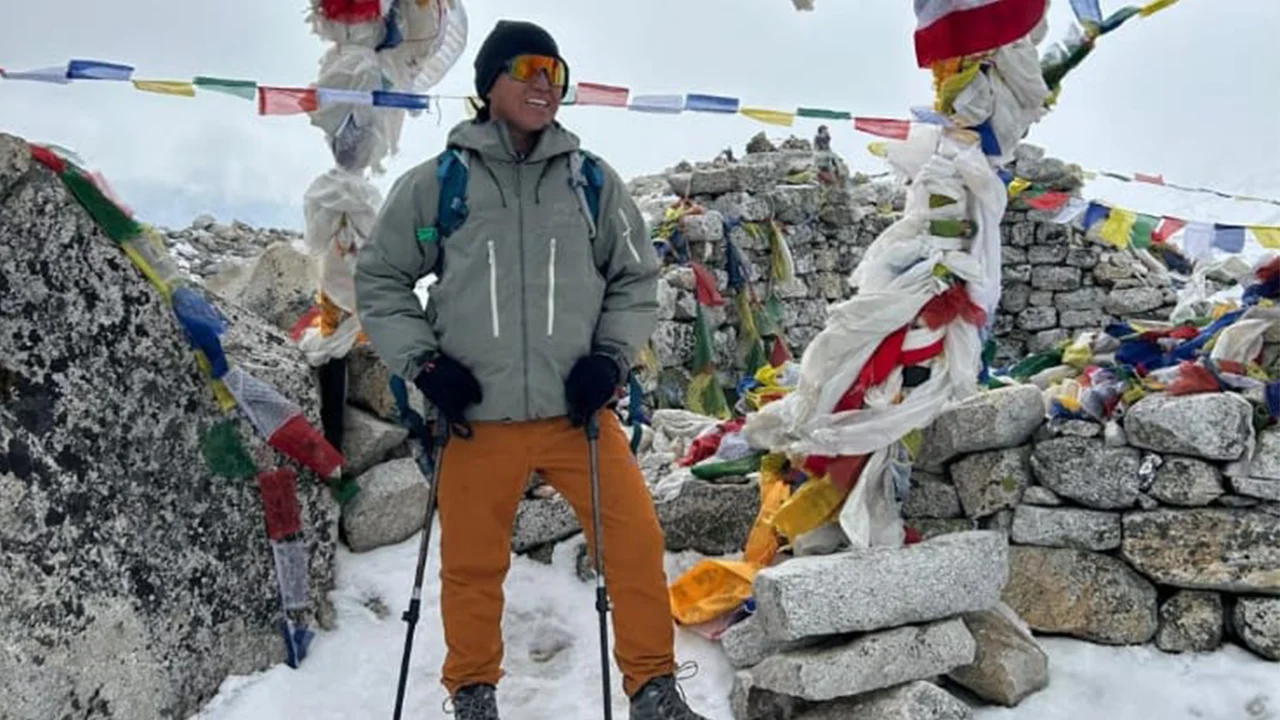
Some trails ask you to share them. The Manaslu Circuit Trek lets you have them almost to yourself. It loops around Mount Manaslu (8,163 m), the world’s eighth-highest peak, which local communities call the “Spirit Mountain.” It follows an ancient salt-trade route through deep gorges, climbs through Tibetan-influenced villages near the border, and crosses the Larkya La Pass (5,106 m) before dropping into green alpine meadows.
Because Manaslu is a restricted area with limited permits, the trail stays quiet and the culture stays authentic. This guide covers the 16-day itinerary, difficulty, permits, cost, best season and the questions trekkers ask most.
Manaslu Circuit Trek at a Glance
| Detail | Information |
|---|---|
| Duration | 16 days (about 11 days of trekking) |
| Highest point | Larkya La Pass, 5,106 m |
| Difficulty | Moderate to challenging |
| Starting point | Soti Khola or Machha Khola (by road from Kathmandu) |
| Ending point | Tilje / Dharapani (by road to Kathmandu) |
| Accommodation | Teahouse lodges |
| Permits | Manaslu Restricted Area Permit, MCAP and ACAP |
| Guide | Licensed guide required by law |
| Best seasons | March–May and September–November |
What Makes the Manaslu Circuit Special?
1. The “Spirit Mountain.” Manaslu is a sacred peak in local belief, and its name is often linked to the idea of spirit or soul. It was first climbed in 1956 by a Japanese expedition. On the trek you see it from every side, and its face changes at Samagaon, Dharamsala and Bimthang.
2. A restricted, quiet trail. The special permit system limits traffic. You are far less likely to queue on trails or struggle to find a bed than on Everest or Annapurna routes.
3. Larkya La Pass. At 5,106 m, this is one of the great crossings of Nepal. You climb at dawn through snow and moraine, then enjoy a panorama of Manaslu, Himlung Himal, Cheo Himal and Annapurna II.
4. A living Tibetan-Buddhist culture. North of Namrung, villages such as Lho, Sama Gaon and Samdo have stone houses, long mani walls, monasteries and prayer flags. Gurung, Magar and Tibetan-influenced communities live here, and you can meet them in their own villages.
5. Every climate on one trail. You walk from subtropical river gorges to oak and rhododendron forest, then to alpine pasture and glacial moraine. Wildlife in the protected conservation area includes Himalayan tahr, musk deer and, rarely, snow leopard.
6. A trek with a story. The route follows the Budhi Gandaki River and old trade paths once used by salt traders between Tibet and Nepal.
Manaslu Circuit Trek Itinerary: 16 Days
Day 1: Arrive in Kathmandu (1,300 m). Meet your guide at the airport, transfer to your hotel and rest.
Day 2: Preparation day. Gear check, trek briefing, permit paperwork and optional sightseeing.
Day 3: Drive to Soti Khola (about 730 m), 8–9 hours. A long road journey through hills and river valleys to the start of the trail.
Day 4: Trek to Machha Khola (900 m), 5–6 hours. You follow the Budhi Gandaki River through forest and waterfalls.
Day 5: Trek to Jagat (about 1,340 m), 6–7 hours. The route crosses suspension bridges and climbs rocky stone steps to this checkpoint village.
Day 6: Trek to Deng (1,860 m), 6–7 hours. Walk through Philim and its terraces, then through narrow gorges.
Day 7: Trek to Namrung (2,630 m), 6–7 hours. The valley changes character as you climb through forest into Tibetan-influenced country.
Day 8: Trek to Sama Gaon via Lho (3,530 m), 7–8 hours. Manaslu appears in full view at Lho. You reach the large village of Sama Gaon in the afternoon.
Day 9: Acclimatization day at Sama Gaon. Hike to Birendra Lake or Pungyen Gompa, or explore the village. Rest is as important as walking here.
Day 10: Trek to Samdo (3,860 m), 4–5 hours. A short alpine day beneath Manaslu’s north face, near the Tibetan border.
Day 11: Trek to Dharamsala / Larkya Phedi (4,460 m), 4–5 hours. A steady climb along moraine to the last teahouse before the pass.
Day 12: Cross Larkya La (5,106 m) to Bimthang (3,720 m), 8–9 hours. The longest and hardest day. You start in the dark, climb to the pass, then descend into the meadows of Bimthang.
Day 13: Trek to Tilje (2,300 m), 5–6 hours. Descend through rhododendron forest to the Marsyangdi valley.
Day 14: Drive to Kathmandu. A long road journey via Besisahar back to the capital.
Day 15: Rest day in Kathmandu. Time for sightseeing, shopping and a buffer day in case of weather or road delays.
Day 16: Departure. A private transfer takes you to the airport.
How Difficult Is the Manaslu Circuit Trek?
Moderate to challenging. There is no technical climbing, but the trek combines long walking days, remote terrain, cold nights and a high pass.
- Distance and days. Most days are 5–8 hours, and the pass day is 8–9 hours.
- Altitude. You sleep above 3,500 m for four nights and cross 5,106 m.
- Remoteness. Facilities are basic and medical help is far away, so good preparation matters.
- Weather. Snow can appear on the pass even in autumn, and a delay may be needed.
Prepare with 6–8 weeks of cardio, hill walking and loaded day hikes. Previous multi-day trekking experience helps a lot. Read our high-altitude travel and altitude illness guide before you go.
Best Time to Trek the Manaslu Circuit
Autumn (September–November) is the most popular season, with clear skies, stable weather and sharp mountain views. Spring (March–May) brings blooming rhododendron, warmer days and long views, though afternoon haze is common.
The monsoon (June–August) is wet, with landslide and leech risk on the lower trail. Winter is cold, with snow that can close the pass.
Permits and Rules
Manaslu is a restricted area, so independent trekking is not allowed. You need:
- Manaslu Restricted Area Permit (RAP). September–November: US$100 for the first 7 days, then US$15 per extra day. December–August: US$75 for the first 7 days, then US$10 per extra day.
- Manaslu Conservation Area Permit (MCAP).
- Annapurna Conservation Area Permit (ACAP), because the trail ends in the Annapurna region.
- A government-licensed guide, who must accompany you.
Nepal Voyage Treks arranges every permit in Kathmandu. Permit rules and fees change, so we confirm the current requirements when you book.
Manaslu Circuit Trek Cost
Prices for guided 16-day packages vary with season, group size and inclusions. Across the market, guided packages commonly range from roughly US$1,000 to US$1,500 per person. For an exact quote with Nepal Voyage Treks, including private or small-group options, request a quote here.
A typical package includes:
- Licensed guide and, usually, a porter
- All permits (RAP, MCAP, ACAP)
- Teahouse accommodation and three meals a day on the trek
- Airport transfers and ground transport
- Pre-trek briefing and first aid kit
Usually not included: international flights, Nepal visa, travel insurance, Kathmandu meals, drinks, personal gear and tips.
What to Pack
- Clothing: base layers, fleece, down jacket, waterproof shell, warm hat, gloves, buff
- Footwear: broken-in waterproof boots, warm socks, camp shoes
- Sleep: sleeping bag rated to about –10°C
- Gear: daypack, trekking poles, headlamp, sunglasses, water purification, microspikes or gaiters for pass day (ask your guide)
- Health: sunscreen SPF 50+, lip balm, personal medication, blister care
- Money and documents: passport, insurance, permit photos, and enough Nepali rupees for the whole trek (no ATMs on the trail)
See our trekking equipment checklist.
Tips From Local Guides
- Take the Sama Gaon rest day seriously. It is built into the plan for a reason.
- Start pass day early. Wind picks up by late morning, and an early start means better views.
- Hydrate and eat well. Aim for 3–4 litres a day, and avoid alcohol at altitude.
- Carry cash. There are no ATMs or card readers on the trail.
- Pack light. Porters carry a limited weight, so keep your duffel to the allowance.
- Build in a buffer day. Weather or road delays happen, and the Kathmandu rest day on Day 15 helps.
- Respect local customs. Walk clockwise around mani walls and ask before taking photos of people.
Extend or Combine Your Trek
- Add a cultural detour with the Tsum Valley Manaslu Larkya Pass Trek (23 days).
- The trail meets the Annapurna region at Dharapani, so you can continue onto the Annapurna Circuit.
- Browse all options on our Manaslu region page.
Why Trek With Nepal Voyage Treks?
Nepal Voyage Treks is a Kathmandu-based company founded by Tilak Magar, who grew up in Solukhumbu and has more than 15 years of experience in trekking and tourism. We are affiliated with the Nepal Tourism Board, TAAN, KEEP and NMA. We offer tailor-made and small-group departures, licensed guides, careful safety planning, and fair treatment of guides and porters. You get personal advice before you travel and 24/7 support on the ground.
Ready to Walk Around the Spirit Mountain?
Sixteen days, one sacred 8,000 m peak, and a high-pass crossing that few trekkers will ever see.
👉 View the Manaslu Circuit Trek itinerary and book
👉 Request a quote or join a group
👉 WhatsApp or call: +977 9851080223 | Email: info@nepalvoyagetreks.com
Top 10 FAQs: Manaslu Circuit Trek
1. How many days does the Manaslu Circuit Trek take?
Our itinerary takes 16 days, including arrival, a preparation day, a rest day and departure. The walking itself takes about 11 days, with road travel at each end. Other operators run it in 12–18 days. A 16-day plan gives you a full acclimatization day, a buffer day at the end and a more comfortable pace.
2. How difficult is the Manaslu Circuit Trek, and can beginners do it?
Moderate to challenging. Days are long, nights are cold, and the Larkya La crossing is a demanding 8–9 hour day above 5,000 m. A fit beginner with several weeks of training can complete it, but previous multi-day trekking or high-altitude experience makes it far more comfortable. If you are new to trekking, consider a shorter route first, such as the Langtang Valley Trek.
3. What is the highest point of the Manaslu Circuit Trek?
Larkya La Pass, at about 5,106 m. Some sources list slightly different heights (such as 5,135 m or 5,160 m) because of different surveys, but they all describe the same pass. You cross it on Day 12 from Dharamsala (4,460 m) down to Bimthang (3,720 m).
4. What permits do I need, and how much do they cost?
You need a Manaslu Restricted Area Permit (US$100 for the first 7 days in September–November and US$75 in December–August, plus US$15 or US$10 per extra day), a Manaslu Conservation Area Permit and an Annapurna Conservation Area Permit. A licensed guide must accompany you. Nepal Voyage Treks arranges everything in Kathmandu. Fees and rules can change, so we confirm them at booking.
5. Can I trek Manaslu solo or without a guide?
You cannot trek without a licensed guide, because permits are only issued through registered agencies. Travelers on their own can usually join a group departure or book a private trek with a guide. Group-size rules for restricted-area permits have changed over time, so we confirm the current requirements when you book.
6. What is the best time to trek the Manaslu Circuit?
September to November and March to May. Autumn has the most stable weather and clearest views, with October the most popular month. Spring has warmer days and blooming rhododendrons. Avoid the monsoon (June–August) because of rain and landslides, and treat winter with caution because snow can close the pass.
7. How much does the Manaslu Circuit Trek cost?
Guided 16-day packages generally cost about US$1,000 to US$1,500 per person, depending on group size, season and what is included. The price should cover permits, a guide, teahouse accommodation, meals on the trek and transport. Flights, visa, insurance, drinks, personal gear and tips are extra. Contact us for an exact quote for your dates and group size.
8. What are the accommodation and food like on the trek?
You stay in simple teahouses with twin rooms, shared bathrooms and a communal dining room. Rooms are unheated and facilities get more basic as you climb. Menus feature dal bhat, noodles, soup, pasta, momos, eggs and porridge. Charging devices, hot showers and Wi-Fi are limited and usually cost extra, so bring a power bank and carry cash.
9. How do I prevent altitude sickness on the Manaslu Circuit?
Ascend gradually and follow the itinerary, including the rest day at Sama Gaon. Walk slowly, drink 3–4 litres of water a day, eat well and avoid alcohol. Learn the early signs: headache, nausea, dizziness and poor sleep. If symptoms worsen, you must descend. Our guides monitor your health daily. Some trekkers take Diamox, but speak with your doctor first.
10. Do I need travel insurance, and what should it cover?
Yes. Your policy should cover trekking to at least 5,500 m (above the pass), emergency helicopter evacuation, medical treatment and trip interruption. Rescue is by helicopter in many places on this remote trail, so confirm that your policy covers it and carry a copy and the emergency number with you. See our insurance guide.





Leave a Comment