


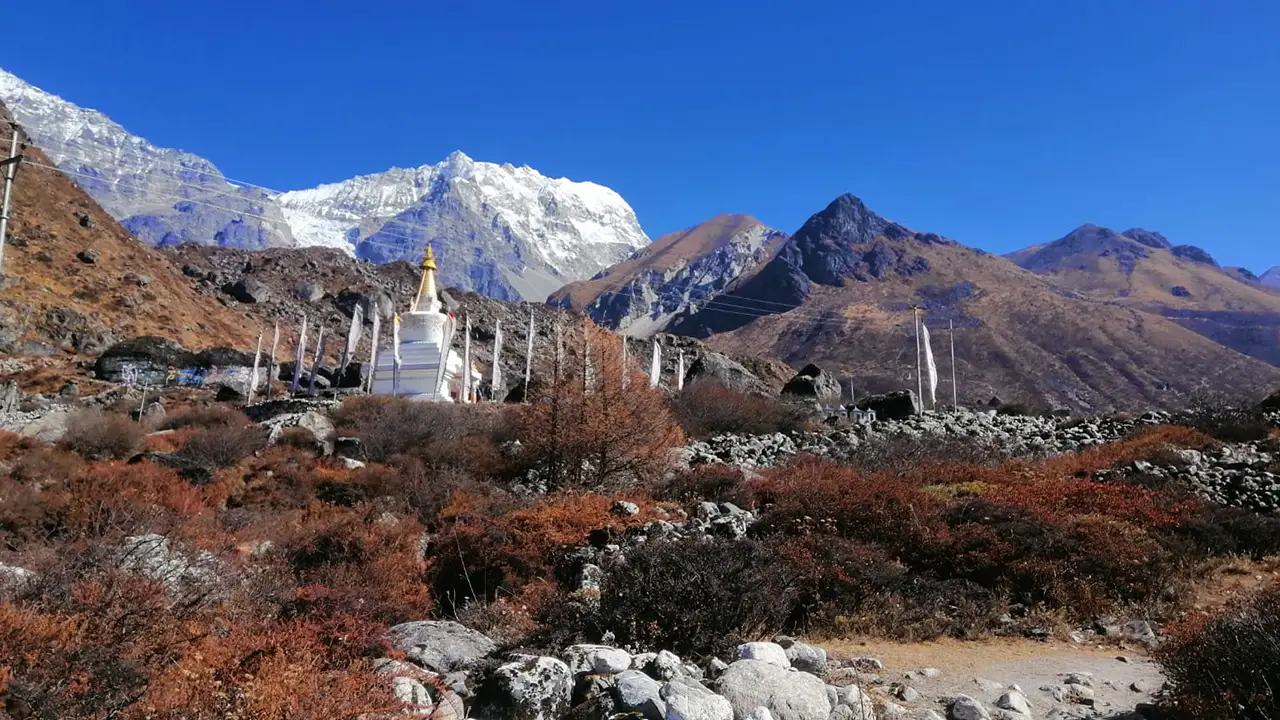
Thinking about trekking to the sacred lakes of Gosainkunda but wondering if you are fit enough? You are asking the right question. The Langtang Gosainkunda Trek is one of Nepal's most beautiful routes, but it is also a real mountain journey with long days, steady climbs and a high pass.
This guide gives you an honest answer: how hard each day is, where the altitude risk is highest, how to train, and how to decide if this trek is right for you.
The Short Answer: Is the Langtang Gosainkunda Trek Hard?
The trek is graded moderate, and many trekkers find it moderate to challenging. There is no technical climbing, no ropes and no special equipment, so you do not need mountaineering skills. The difficulty comes from three things:
- Long walking days: typically 5 to 8 hours of trekking.
- Altitude: you sleep as high as about 4,380 m at Gosainkunda and cross Laurabina La Pass at 4,610 m.
- Back-to-back effort: 12 trekking days in a row, with basic lodge comfort.
If you are reasonably fit, walk well for several hours and prepare for altitude, most trekkers can complete it. It is tougher than the standard Langtang Valley route and a good step up for those with some trekking experience.
Difficulty Rating at a Glance
|
Factor |
Rating (out of 5) |
Notes |
|---|---|---|
|
Overall difficulty |
3 to 3.5 |
Moderate to challenging |
|
Physical effort |
3.5 |
5 to 8 hours of walking most days |
|
Altitude challenge |
3.5 |
Sleeping at 4,380 m, pass at 4,610 m |
|
Technical difficulty |
1 |
No climbing, mostly trails and steps |
|
Comfort level |
2 |
Basic lodges, shared bathrooms |
|
Trek duration |
3 |
16 days, about 12 trekking days |
These ratings are a guide from our team, and your own experience will depend on fitness, preparation and weather.
Trek Facts That Affect Difficulty
|
Detail |
Information |
|---|---|
|
Duration |
16 days |
|
Grade |
Moderate |
|
Daily walking time |
About 5 to 8 hours |
|
Maximum altitude |
4,984 m (Tsergo Ri, optional side hike) |
|
Highest overnight stay |
Gosainkunda, about 4,380 m |
|
Highest pass |
Laurabina La, 4,610 m |
|
Start and end point |
Kathmandu |
|
Accommodation |
Hotels and mountain lodges |
|
Best season |
Spring and autumn |
Day-by-Day Difficulty Breakdown
Here is how hard each part of the trek feels. Times and figures are approximate and based on our itinerary.
|
Day |
Route |
Walking time |
Approx. ascent |
Difficulty |
|---|---|---|---|---|
|
2 |
Kathmandu to Syabrubesi (drive) |
7 to 8 hrs drive |
Drive |
Easy (long, bumpy road) |
|
3 |
Syabrubesi to Lama Hotel |
6 to 7 hrs |
About +950 m |
Moderate |
|
4 |
Lama Hotel to Langtang Village |
6 to 7 hrs |
About +960 m |
Moderate to hard |
|
5 |
Langtang Village to Kyanjin Gompa |
3 to 4 hrs |
About +440 m |
Easy to moderate |
|
6 |
Acclimatization hike (Kyanjin Ri or Tsergo Ri) |
4 to 7 hrs |
Up to about +1,100 m |
Moderate to hard (optional) |
|
7 |
Kyanjin Gompa to Lama Hotel |
5 to 6 hrs |
Mostly descent |
Moderate (tough on knees) |
|
8 |
Lama Hotel to Thulo Syabru |
5 to 6 hrs |
Rolling trail |
Moderate |
|
9 |
Thulo Syabru to Sing Gompa / Chandanbari |
5 to 6 hrs |
About +950 m |
Moderate to hard |
|
10 |
Chandanbari to Gosainkunda |
6 to 7 hrs |
About +1,130 m |
Hard |
|
11 |
Gosainkunda to Ghopte via Laurabina La |
7 to 8 hrs |
Pass, then about -1,310 m |
Hardest day |
|
12 |
Ghopte to Kutumsang |
6 to 7 hrs |
Mostly descent |
Moderate |
|
13 |
Kutumsang to Chisapani |
6 to 7 hrs |
Rolling trail |
Moderate |
|
14 |
Chisapani to Sundarijal, drive to Kathmandu |
5 to 6 hrs trek |
Descent |
Easy to moderate |
The Hardest Days: What to Expect
Day 4 (Lama Hotel to Langtang Village): a steady climb of about 960 m through forest and yak pastures. It is a good test of your pace, so start slowly and take regular breaks.
Day 6 (Kyanjin hike): optional, but rewarding. Kyanjin Ri (4,773 m) takes about 2 to 3 hours round trip, while Tsergo Ri (4,984 m) is longer and steeper. You can choose based on how you feel.
Day 10 (Chandanbari to Gosainkunda): the biggest climb of the trek, gaining about 1,130 m on rocky moraine trails to reach the sacred lakes at about 4,380 m. This is also the biggest jump in sleeping altitude, so it needs the most care (see the altitude section below).
Day 11 (Laurabina La Pass): the toughest day overall. You start early, climb steeply to 4,610 m, then descend more than 1,300 m on scree and meadows to Ghopte. Expect 7 to 8 hours of walking, cold wind at the top and tired legs by the evening.
Altitude: The Biggest Challenge
For most trekkers, altitude matters more than distance. The first half of the trek (Langtang Valley) gains height gradually, with an acclimatization day at Kyanjin Gompa (3,870 m). That is a good foundation.
The riskiest section is Day 9 to Day 10, when you go from about 3,250 m at Chandanbari to about 4,380 m at Gosainkunda in a single day. That is a bigger jump than the usual advice of gaining only a few hundred meters of sleeping altitude per day above 3,000 m, so treat it seriously.
Symptoms of mild altitude sickness: headache, nausea, dizziness, poor sleep, loss of appetite and unusual tiredness.
Serious warning signs (descend and get help): severe headache that does not ease, repeated vomiting, confusion, loss of balance, breathlessness at rest or a wet cough.
How to reduce the risk:
- Walk slowly and steadily. Never race the group.
- Drink 3 to 4 litres of water a day.
- Eat well, especially carbohydrate-rich meals such as dal bhat.
- Avoid alcohol and sleeping pills at altitude.
- Tell your guide immediately about any symptoms.
- Be ready to rest, slow down or descend if symptoms get worse. Descent is the most effective treatment.
Read more in our guides to high-altitude travel and altitude illness and first aid, medical kit and high-altitude safety advice.
Fitness Level You Need
You do not need to be an athlete, but you should be comfortable with:
- Walking 5 to 7 hours a day with a light daypack.
- Climbing hills or stairs for an hour without being exhausted.
- Several days of effort in a row.
- Strong legs and knees for long descents.
If you have a heart, lung or blood pressure condition, speak to your doctor before booking and ask specifically about altitude.
8-Week Training Plan
|
Weeks |
Focus |
What to do |
|---|---|---|
|
1 to 2 |
Build a base |
Brisk walk, jog or cycle 30 to 45 minutes, 3 to 4 times a week |
|
3 to 4 |
Add hills |
Hill walks or stairs for 45 to 60 minutes, plus one 2 to 3 hour weekend hike |
|
5 to 6 |
Add load and time |
4 to 5 hour hikes with a 5 to 7 kg pack, plus leg strength work |
|
7 to 8 |
Peak and rest |
One or two 5 to 6 hour hikes, then ease off in the final week |
Best exercises: brisk walking or jogging, stair climbing, squats and lunges, step-ups, planks for core strength and slow controlled descents to prepare your knees. Try two hikes on consecutive days to simulate trek fatigue.
Do not forget: break in your boots, practice with your daypack and trekking poles, and stretch after each session.
Does the Season Change the Difficulty?
Yes, a lot.
- Autumn (September to November): clear skies and dry trails make walking easier and views better. Nights at Gosainkunda are cold.
- Spring (March to May): mild weather and rhododendron blooms. Afternoons can be cloudy, and trails can be muddy.
- Monsoon (June to August): rain, slippery trails, leeches and poor views make the trek much harder and less enjoyable.
- Winter (December to February): very cold, with snow and ice possible on Laurabina La and around the lakes. This is the hardest season and best left to experienced trekkers.
Other Things That Make It Challenging
- Basic accommodation: simple lodges with unheated rooms and shared bathrooms. Bring a warm sleeping bag.
- Cold nights: temperatures drop quickly at Kyanjin Gompa, Chandanbari and Gosainkunda.
- Limited facilities: hot showers, charging and Wi-Fi are limited or extra, and get scarcer with altitude.
- Long drive: the 7 to 8 hour road trip to Syabrubesi is tiring after international travel.
- Mental stamina: several long days in a row, so patience and a positive attitude matter.
How Does It Compare with Other Treks?
- Easier than technical or long high-pass routes such as the Everest Three High Passes Trek.
- Harder than the standard Langtang Valley Trek, which has no high pass and less time above 4,000 m.
- Similar in effort to other 15 to 17 day Himalayan treks with a pass and sleeping altitudes above 4,000 m.
- Not a beginner trek in the strictest sense, but achievable for fit first-timers with good preparation and a guide.
Looking for something gentler? See our Tamang Heritage Trail and Langtang Valley Trek, the Helambu Circuit Trek or our short and easy treks.
10 Tips to Make the Trek Easier
- Train for 6 to 8 weeks with hills, stairs and long walks.
- Break in your boots well before the trip.
- Walk slowly, especially on climbing days.
- Use the acclimatization day at Kyanjin Gompa and keep it easy.
- Drink plenty of water and eat full meals.
- Pack light: porters usually carry about 15 to 20 kg, so keep your own load small. See our trekking equipment checklist.
- Use trekking poles to protect your knees on the long descents.
- Dress in layers and keep a down jacket and warm hat handy for evenings.
- Start early on Laurabina La day to avoid afternoon wind and weather.
- Listen to your body and your guide. Turning back or resting is always an option.
Why a Guide and Porter Help
A licensed guide knows the route, watches the group for altitude symptoms, sets a safe pace and can change the plan if the weather turns. Porters carry your main luggage, so you only need a light daypack, which makes long climbing days far more manageable. Your guide also handles permits, lodge bookings and logistics. If you would like extra support, ask us about additional porters.
Insurance and Safety
Travel insurance is essential. Your policy should cover trekking above 5,000 m (to include Tsergo Ri), emergency helicopter evacuation and medical costs. Learn more in our guide to trekking, peak climbing and expedition insurance in Nepal.
What's Included in the Trek?
The trek starts from €1,250 per person. Book now or make an inquiry for the latest price.
Included: professional trekking guide and support staff, lodge accommodation, daily meals during the trek, Langtang National Park entry permit and TIMS card, airport transfers, transport to and from the trailhead, optional porters, a first aid kit, emergency support and a pre-trek briefing.
Not included: international flights, Nepal visa, travel insurance, personal expenses, trekking gear, tips and optional activities.
Is the Langtang Gosainkunda Trek Right for You?
It is a great choice if you:
- Are fit and enjoy walking for several hours a day.
- Have done some hiking or a shorter trek before.
- Want a quieter, more varied trek with lakes, culture and mountain views.
- Are willing to follow a slow pace and listen to your guide.
Think twice if you:
- Have no regular exercise and no time to train.
- Have untreated heart, lung or blood pressure problems.
- Want a flat, easy walk or hotel-style comfort.
- Cannot tolerate cold, basic lodges.
Not sure? Tell us about your fitness and experience through our contact page, and we will suggest the best option, whether that is this trek or a shorter route in the Langtang region.
Top 15 Frequently Asked Questions
1. How difficult is the Langtang Gosainkunda Trek? It is graded moderate and is often described as moderate to challenging. There is no technical climbing, but you walk 5 to 8 hours a day, sleep as high as about 4,380 m and cross Laurabina La Pass at 4,610 m.
2. Can a beginner do the Langtang Gosainkunda Trek? A fit beginner with good preparation and a guide can complete it, but it is not the easiest first trek. If you have never trekked before, a shorter route such as the Langtang Valley Trek may be a better start.
3. What is the hardest day of the trek? Day 11, the crossing of Laurabina La Pass (4,610 m) to Ghopte, which takes 7 to 8 hours. Day 10, the climb to Gosainkunda, is the biggest ascent.
4. How many hours do you walk each day? Most days involve about 5 to 8 hours of walking. The shortest trekking day is Langtang Village to Kyanjin Gompa (3 to 4 hours).
5. What is the highest altitude on the trek? The highest point is Tsergo Ri at 4,984 m, an optional hike from Kyanjin Gompa. The highest overnight stay is Gosainkunda at about 4,380 m, and the highest pass is Laurabina La at 4,610 m.
6. Is altitude sickness a risk? Yes, especially around Gosainkunda, where the sleeping altitude rises more than 1,000 m in one day. Walk slowly, drink plenty of water, tell your guide about symptoms early and be ready to rest or descend.
7. How should I train for the trek? Train for 6 to 8 weeks with brisk walking, hill and stair climbing, leg strength exercises and a few 4 to 6 hour hikes with a light pack. Practice on back-to-back days if you can.
8. When is the easiest time to do the trek? Autumn (September to November) and spring (March to May) offer the most stable weather and clearest trails. Monsoon and winter make it noticeably harder.
9. Do I need previous trekking experience? It helps, but it is not essential if you are fit and prepared. Previous hiking or multi-day trekking experience makes the long days easier to handle.
10. Do I need a guide or porter? A licensed guide is strongly recommended for safety, navigation and altitude support. A porter is optional but makes the long days much more comfortable.
11. What is the accommodation like? You stay in simple mountain lodges with basic beds, shared bathrooms and unheated rooms, and in hotels in Kathmandu. A warm sleeping bag is important at higher camps.
12. Are permits required? Yes. You need a Langtang National Park entry permit and a TIMS card. Both are included in the package and arranged by your operator.
13. Is the trek suitable for older trekkers or families? Fit older trekkers and families with trekking experience can manage it with a guide, but the high lakes and pass are demanding. Check with your doctor and choose a slower pace.
14. What happens if I feel unwell on the trek? Tell your guide at once. Your guide can slow the pace, add rest, descend with you or arrange medical help and evacuation if needed. Make sure your insurance covers helicopter evacuation.
15. How much does the trek cost? The trek starts from €1,250 per person. Contact Nepal Voyage Treks for the latest price for your dates and group size.
Ready to Take On the Langtang Gosainkunda Trek?
With the right preparation, a steady pace and good guidance, the Langtang Gosainkunda Trek is a challenging but deeply rewarding journey. View the full itinerary and book on the Langtang Gosainkunda Trek page, or contact our team through the contact page, by email at info@nepalvoyagetreks.com or on WhatsApp at +977 9851080223. Prefer to travel with others? Check our group joining options.
For more trekking tips and guides, visit the Nepal Voyage Treks blog.




Leave a Comment