


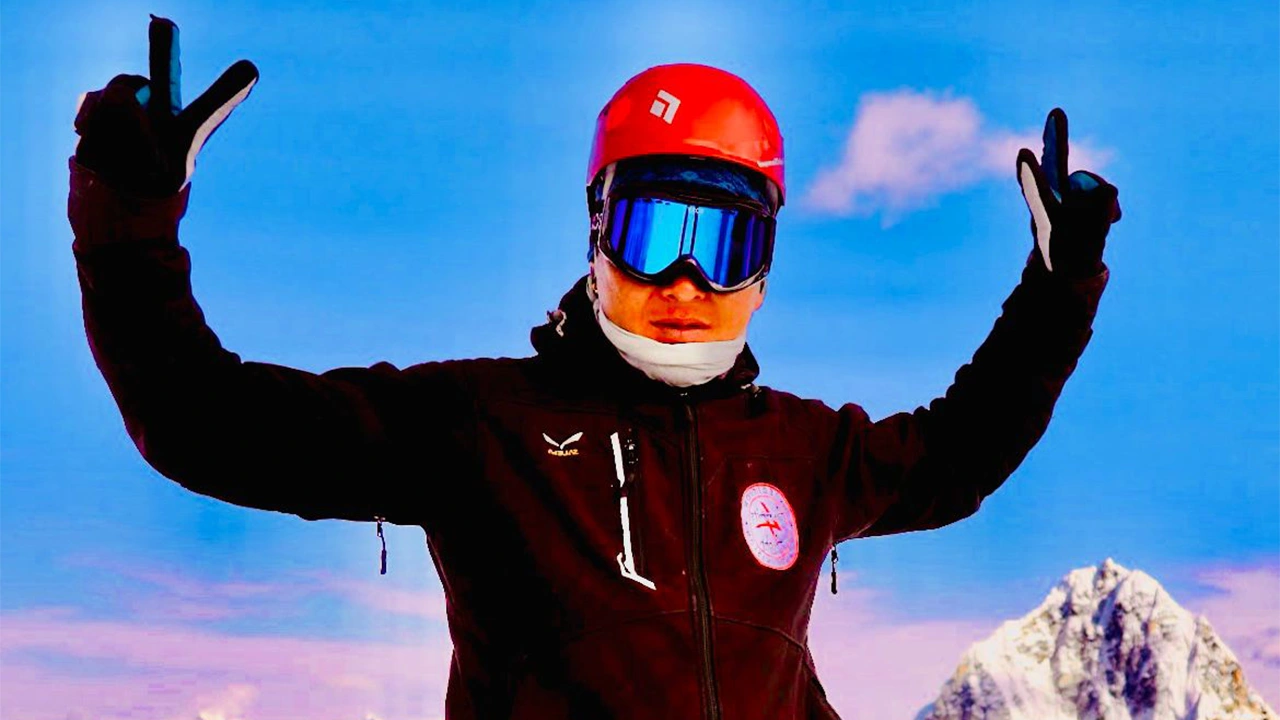
Standing on top of Mera Peak at 6,476 meters (21,247 ft) and looking out at five of the world's highest mountains is a dream for many climbers. But the summit is earned long before you reach Nepal. Knowing how to prepare for Mera Peak climbing (your fitness, your gear, your acclimatization plan and your paperwork) is what separates a safe summit from a turned-back attempt.
This guide walks you through every stage of preparation, from your first training session to summit morning. Whether you are a seasoned trekker or stepping into mountaineering for the first time, you will find a clear, practical plan here.
Quick Facts: Mera Peak at a Glance
|
Detail |
Information |
|---|---|
|
Summit altitude |
6,476 m / 21,247 ft |
|
Status |
Highest official trekking peak in Nepal |
|
Region |
Hinku Valley, Everest (Khumbu) region |
|
Grade |
Strenuous, non-technical with basic glacier skills |
|
Best seasons |
Spring (March to May) and autumn (September to November) |
|
Typical duration |
18 days from Kathmandu |
|
Summit views |
Everest, Lhotse, Makalu, Cho Oyu and Kanchenjunga |
Want the full day-by-day plan? See the Mera Peak Climbing itinerary with Nepal Voyage Treks.
1. Understand What You Are Signing Up For
The first step in preparing is being honest about the challenge. Mera Peak is called a "trekking peak," but that label can be misleading. Here is what makes it demanding:
- Altitude is the main challenge. You will sleep above 5,000 m and summit at 6,476 m, where there is far less oxygen than at sea level.
- The approach is long and remote. You trek for roughly ten days through the Hinku Valley before the summit push, so stamina matters from day one.
- Summit day is long. You start in the early hours, often around 2:00 to 3:00 AM, and the full day from High Camp and back can run 10 to 12 hours.
- Basic glacier skills are needed. You will use a harness, crampons, an ice axe and a rope on snow and ice.
- Weather changes quickly. Wind and cold can make the final ridge far harder than the same slope in calm conditions.
The good news: you do not need advanced technical mountaineering experience. With solid fitness, a smart itinerary and a good guide team, motivated beginners with trekking experience can succeed. For a deeper look, read the difficulty and safety sections on the Mera Peak Climbing page.
2. Choose the Right Season
Timing affects both safety and enjoyment. The best windows to prepare for are:
- Spring (March to May): Milder temperatures and blooming rhododendron forests on the approach.
- Autumn (September to November): Crisp, dry air and some of the clearest mountain views of the year.
Both seasons offer stable weather and clear skies. Winter is very cold with heavy snow, and the monsoon (June to August) brings rain, slippery trails and poor visibility. Work backwards from your chosen season so you have at least 3 to 4 months to train.
3. Build a Mera Peak Training Plan (12 to 16 Weeks)
Your body needs time to adapt, so start early. Aim for 4 to 5 sessions per week, building gradually. Before starting any new program, check with your doctor, especially if you have heart, lung or blood-pressure concerns.
Cardiovascular Endurance (Your Top Priority)
Long days at altitude depend on aerobic fitness. Build a base with:
- Hiking, running, cycling, swimming or stair climbing
- 3 sessions per week of 45 to 90 minutes in the early weeks
- One longer session at the weekend (3 to 6 hours of hiking, building up to 6 to 8 hours)
Leg and Core Strength
Your legs carry you up and down hours of steep terrain. Include twice weekly:
- Squats, lunges and step-ups
- Calf raises and deadlifts
- Planks and core stability work
- Downhill-focused exercises, because descents (like the long day from Thuli Kharka to Lukla) punish unprepared knees
Hiking With a Loaded Pack
Once a week, hike with a daypack of 6 to 8 kg wearing the same boots you will use in Nepal. This builds specific strength and also breaks in your footwear.
Sample Progression
|
Weeks |
Focus |
Weekend hike |
|---|---|---|
|
1 to 4 |
Build aerobic base and basic strength |
2 to 3 hours |
|
5 to 8 |
Increase volume and add loaded hikes |
4 to 5 hours |
|
9 to 12 |
Peak training, back-to-back long days |
6 to 8 hours (two days in a row if possible) |
|
13 to 16 |
Maintain, then taper in the final 10 days |
Easy outings only |
Pro tip: If you have access to hills or mountains, train on steep, uneven ground. If you live somewhere flat, use stairs, stadium steps or an incline treadmill.
4. Gain Altitude Experience Beforehand
Nothing replicates thin air perfectly, but you can improve your odds:
- Do a high-altitude trek first. Trips like the Everest Base Camp Trek are a strong stepping stone, and you will already know how your body reacts above 4,000 m.
- Spend time above 3,000 m in the months before your trip if possible.
- Consider a smaller peak first. Climbs like Yala Peak are a gentler introduction to snow and crampon use.
If you have never been above 4,000 m, tell your guide team so they can pace you carefully.
5. Learn the Basics of Mountaineering Skills
You will receive training from your guides at Mera High Camp, but arriving with some familiarity builds confidence. Practice:
- Walking in crampons with a wide, deliberate stance
- Using an ice axe for balance and self-arrest
- Clipping into a rope and moving on a fixed line using ascenders
- Wearing a harness and mountaineering boots for long periods
Many mountaineering clubs and outdoor centers offer one-day glacier or snow skills courses. Even a single day makes a noticeable difference.
6. Plan Your Acclimatization (The Most Important Safety Factor)
Altitude sickness can affect anyone, regardless of fitness. The best protection is a gradual itinerary with rest days. A well-designed Mera Peak schedule includes:
- Slow, steady progress through Chutanga, Thuli Kharka and Kothe
- A dedicated acclimatization day at Thangnak (4,700 m)
- A moderate day to Khare (5,000 m) before moving up to Mera High Camp (5,600 m)
- Extra buffer time for weather or health
Altitude Rules to Follow
- Climb high, sleep low whenever possible.
- Drink 3 to 4 liters of water daily.
- Eat even when you have little appetite.
- Walk slowly and keep a pace where you can still hold a conversation.
- Report symptoms early. Headache, nausea, dizziness and unusual fatigue should never be ignored.
- Never ascend with worsening symptoms.
Read more in our guide to high-altitude travel and altitude illness. Some climbers carry medication such as Diamox, but always discuss this with your doctor before your trip.
7. Pack the Right Gear
Good gear keeps you warm, dry and safe. Many items, such as ropes, ice axes, harnesses and crampons, are usually supplied by your operator, while personal clothing and boots are your responsibility. Always confirm what is included before you book.
Essential Gear Checklist
Clothing
- Moisture-wicking base layers (tops and bottoms)
- Fleece or insulating mid-layer
- Lightweight down or synthetic insulated jacket
- Waterproof and windproof shell jacket and trousers
- Insulated, waterproof gloves plus liner gloves
- Warm hat, sun hat and neck gaiter
Footwear
- Insulated, crampon-compatible mountaineering boots (broken in well before the trip)
- Trekking boots for the lower trail sections
- Warm wool socks and liner socks
- Camp shoes
Climbing and Trekking Equipment
- Harness, crampons and ice axe (check if provided)
- Helmet
- Trekking poles
- Headlamp with spare batteries
- UV-protected sunglasses or glacier goggles
- Sunscreen SPF 50+ and lip balm
Sleeping and Carrying
- 4-season sleeping bag rated to about -10°C to -20°C
- Sleeping bag liner
- 50 to 70L duffel or backpack and a 25 to 35L daypack
- Waterproof dry bags
Health Kit
- Blister plasters, painkillers, anti-diarrheal tablets and oral rehydration salts
- Water purification tablets
- Personal prescriptions
For the complete lists, see the peak climbing equipment guide, the trekking equipment list for Nepal and our first aid and medical kit advice.
Packing tip: Porters typically carry limited weight per person, so pack light and avoid cotton. Choose wool or synthetics.
8. Sort Out Permits and Paperwork
Mera Peak is a regulated mountaineering peak, so a climbing permit is mandatory. Expect to need:
- Mera Peak climbing permit (issued through the Nepal Department of Tourism, usually arranged by your trekking agency)
- Sagarmatha National Park entry permit
- Local Khumbu area permit
- Valid passport and Nepal visa
For peaks below 6,500 m, the published royalty for foreign climbers is higher in spring and lower in autumn. Fees and rules change, so always confirm current rates with your operator or the official Department of Tourism before you travel. A reputable agency such as Nepal Voyage Treks handles permit applications for you, and the cost is included in the Mera Peak Climbing package.
9. Buy the Right Travel Insurance
Insurance is not optional at this altitude. In the Everest region, a helicopter may be the only practical evacuation option. Your policy should:
- Explicitly cover peak climbing up to at least 6,500 m
- Include emergency helicopter evacuation and medical repatriation
- Cover medical treatment and hospitalization
- Ideally offer trip cancellation and baggage cover
A minimum of USD 100,000 in medical and evacuation cover is recommended. Read the policy's fine print, because many standard travel policies exclude mountaineering above a set height. Learn more in our guides to trekking, peak climbing and expedition insurance in Nepal and helicopter rescue in Nepal.
10. Choose a Trusted Operator and Guide Team
Your guides make or break the climb. Look for a licensed, locally owned company that provides:
- Experienced, government-licensed climbing guides and Sherpas
- A realistic itinerary with proper acclimatization days
- Clear inclusions and exclusions
- Emergency evacuation arrangements
- Fair pay and equipment for staff and porters
- Pre-trip briefings and technical training at High Camp
Nepal Voyage Treks is a Kathmandu-based operator and offers a fully supported 18-day Mera Peak Climbing expedition with guides, porters, permits, accommodation and meals. Have questions first? Contact the team.
11. Prepare Mentally
Mountaineering is as much mental as physical. Prepare by:
- Training on long, tiring days when motivation is low
- Practicing patience: slow and steady wins at altitude
- Accepting that turning back is a smart decision, not a failure
- Visualizing summit day: the cold, the early start, the headlamp trail
Always respect your guide's call on weather and conditions. The summit is optional; getting home safely is not.
12. What to Expect on Summit Day
On summit day you wake around 2:00 to 3:00 AM at Mera High Camp, dress in all your layers, and set off by headlamp. The route crosses snow slopes and glacier terrain, where you will use crampons, an ice axe and a rope. As the sun rises, golden light spreads across Mera North, Baruntse and Cho Oyu. At the top, you are rewarded with a 360-degree panorama over the Himalayas. After summit photos, you descend to High Camp and continue down to Khare.
To see exactly how the full expedition unfolds, check the day-by-day Mera Peak itinerary.
Mera Peak Preparation Checklist
- Choose spring or autumn and book 4+ months ahead
- Start a 12 to 16 week training plan
- Complete at least one long, high-altitude trek
- Practice crampons, harness and rope basics
- Break in boots on long hikes
- Get a medical check-up and discuss altitude medication
- Buy insurance covering 6,500 m and helicopter rescue
- Confirm permits and visa with your operator
- Pack layered clothing and a 4-season sleeping bag
- Plan tips for your guides, porters and support staff
Frequently Asked Questions
How hard is Mera Peak?
Mera Peak is rated strenuous. It is non-technical, but the altitude, long approach and early alpine start make it a serious undertaking that demands good fitness and acclimatization.
Can beginners climb Mera Peak?
Yes, if they are physically well prepared and climb with a professional guide team. Prior trekking experience and a basic skills session before the trip help a lot.
How long should I train for Mera Peak?
Aim for 12 to 16 weeks of structured training, focusing on cardio endurance, leg strength and loaded hiking.
What is the best time to climb Mera Peak?
March to May and September to November offer the most stable weather and clearest views.
Do I need technical climbing experience?
No advanced experience is required, but you will use crampons, an ice axe and a harness. Your guides provide training at High Camp.
How many days does Mera Peak take?
The standard itinerary takes about 18 days from Kathmandu, including acclimatization days and buffer time.
What views can I expect from the summit?
Five 8,000 m peaks: Everest, Lhotse, Makalu, Cho Oyu and Kanchenjunga.
Do I need helicopter evacuation insurance?
Yes. Insurance with emergency helicopter evacuation and cover for climbing up to at least 6,500 m is strongly recommended.
Related Peaks to Consider
Still deciding, or want to build experience first? Compare these options:
- Island Peak Climbing, an iconic Khumbu peak often paired with Everest Base Camp
- Lobuche Peak Climbing, a more technical Everest-region climb
- Yala Peak Climbing, a beginner-friendly peak in Langtang
- Pisang Peak Climbing, above the Annapurna Circuit
- All peak climbing trips in Nepal
Final Thoughts: Your Summit Starts at Home
Preparing for Mera Peak is a journey in itself. Build your fitness steadily, learn the basics of snow and ice, respect altitude, pack smart, secure the right insurance and climb with an experienced team. Do these things well, and you give yourself the best possible chance of standing on the highest trekking peak in Nepal.
Ready to turn the plan into a summit? Explore the Mera Peak Climbing expedition or send an inquiry to Nepal Voyage Treks and get expert help planning your climb. More guides are on the Nepal Voyage Treks blog.
Fees, permit rules and itineraries can change. Always confirm current details with your operator before booking.




Leave a Comment