


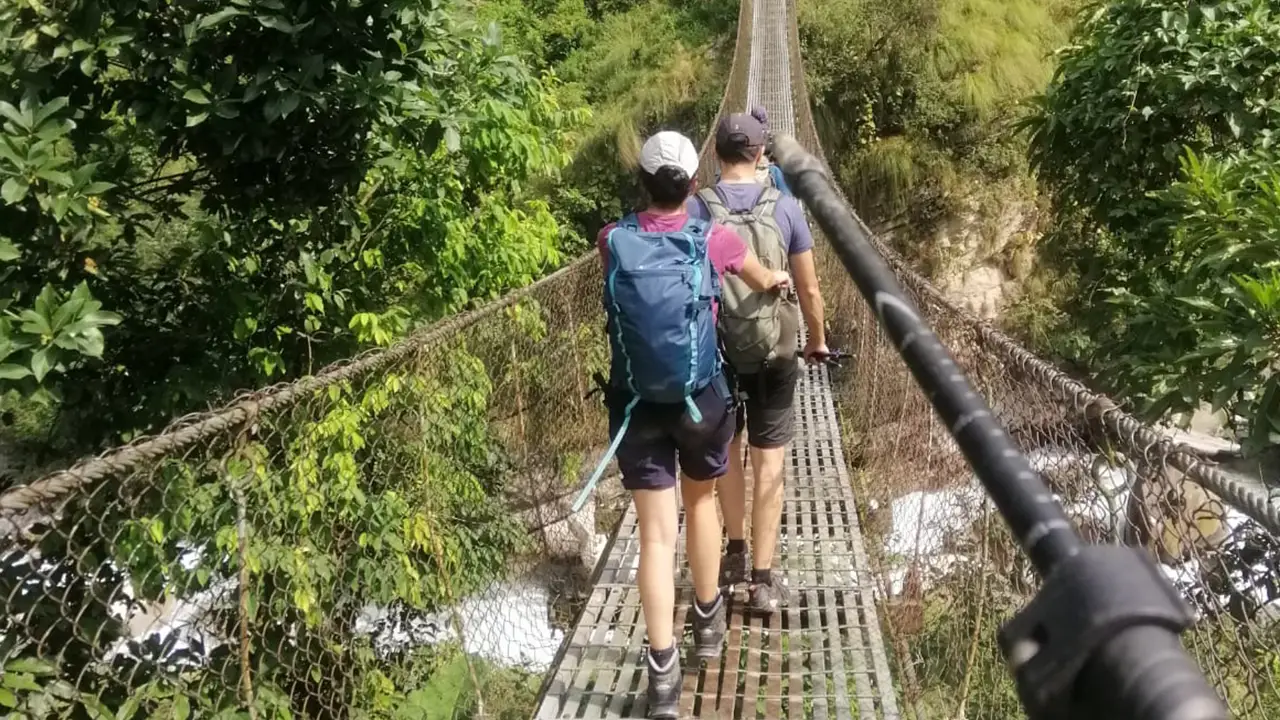
Where will you sleep at 4,380 m? What will you eat after a long climb? Here is exactly what to expect, from your first lodge in Syabrubesi to the last breakfast in Chisapani.
You can plan fitness, permits and gear in advance, but one question keeps coming up on trekking forums: “What are the rooms and food really like?” On the Langtang Gosainkunda Trek the answer is better than many first-timers expect. You stay in friendly mountain lodges, eat hot meals made from local ingredients and wake up to some of the best views in Nepal.
The short answer:
- Accommodation: simple, comfortable teahouses (lodges) on every night of the trek, with hotel stays in Kathmandu.
- Meals: breakfast, lunch and dinner during the trek, with dal bhat as the classic favourite.
- Comfort level: basic but warm and welcoming, with facilities becoming simpler as you climb higher.
Below is a complete guide, day by day and altitude by altitude. You can also view the full Langtang Gosainkunda Trek – 16 Days itinerary and inclusions.
Quick Overview: Accommodation and Meals at a Glance
| Item | What to Expect |
|---|---|
| Trek accommodation | Teahouses and lodges on every trekking night |
| Kathmandu | Hotel (arrival, return and final night) |
| Rooms | Twin-sharing, simple beds with mattress, pillow and blanket |
| Bathrooms | Usually shared; some lower lodges have attached bathrooms |
| Meals on trek | Breakfast, lunch and dinner included |
| Tea and drinks | Tea and coffee on the menu; extra drinks are personal expenses |
| Heating | Common dining room, often warmed by a stove |
| Hot showers, charging, Wi-Fi | Often available for an extra fee, less so at height |
| Special diets | Possible with notice, with more limited choices at altitude |
The trip page lists the accommodation as hotel and lodge and the meals as breakfast, lunch and dinner, with tea house accommodation and nutritious meals included in the package.
Where You Sleep: Night-by-Night Accommodation Guide
This trek takes you from warm forest villages to a high alpine lake, so lodges change along the way.
| Night | Place | Approx. Altitude | Accommodation |
|---|---|---|---|
| 1 | Kathmandu | 1,400 m | Hotel |
| 2 | Syabrubesi | 1,550 m | Lodge |
| 3 | Lama Hotel | about 2,470 m | Teahouse |
| 4 | Langtang Village | about 3,430 m | Teahouse |
| 5–6 | Kyanjin Gompa (2 nights) | about 3,870 m | Teahouse |
| 7 | Lama Hotel | about 2,470 m | Teahouse |
| 8 | Thulo Syabru | about 2,300 m | Teahouse |
| 9 | Chandanbari (Singh Gompa) | about 3,250 m | Teahouse |
| 10 | Gosainkunda Lake | about 4,380 m | Lodge beside the lake |
| 11 | Ghopte | about 3,300 m | Teahouse |
| 12 | Kutumsang | about 2,600 m | Teahouse |
| 13 | Chisapani | about 2,200 m | Lodge |
| 14–15 | Kathmandu | 1,400 m | Hotel |
Lower Villages (Syabrubesi, Lama Hotel, Thulo Syabru)
Here you will find the most comfortable lodges, often with larger rooms, better bedding and sometimes an attached bathroom. Expect a warm welcome, hot meals and a chance to charge your devices.
Mid-Altitude (Langtang Village, Kyanjin Gompa)
Many lodges were rebuilt after the 2015 earthquake, and they are cosy, with a central dining room and mountain views from the windows. At Kyanjin Gompa, you can also visit the monastery and the local yak cheese factory just steps from your lodge.
High Altitude (Chandanbari, Gosainkunda, Ghopte)
Rooms here are simpler and colder. Walls are thin, bathrooms are shared and electricity or hot water may be limited. The common dining area is usually the warmest place, so many trekkers gather there in the evening. A warm sleeping bag makes a big difference at Gosainkunda.
Kathmandu Hotels
You stay in a comfortable city hotel before and after the trek, which is a welcome chance to rest, shower and repack.
What Are the Rooms Like?
- Twin-sharing: two single beds with a mattress, pillow and blanket.
- Thin walls: you will hear neighbours, so earplugs can help.
- No heating in rooms: warmth comes from the dining room and your own gear.
- Single rooms: usually possible at lower villages when lodges aren’t full, and less so at higher spots in peak season.
- Shared toilets: most are shared, many are squat style and some are outside the main building at higher altitude.
Beginner tip: bring a sleeping bag liner and a warm sleeping bag. Our equipment guide suggests a bag rated for about -10°C for this route, and the trek page notes lodges provide basic bedding.
Meals on the Trek: What You Will Eat
Your package includes breakfast, lunch and dinner every day on the trek, usually ordered from the lodge menu. Menus are surprisingly varied.
Breakfast
- Porridge, muesli or cornflakes
- Eggs (boiled, fried or omelette)
- Tibetan bread, chapati or toast with jam, honey or peanut butter
- Pancakes
- Tea or coffee
Lunch
- Dal bhat (rice, lentil soup, vegetable curry and pickle)
- Fried rice or noodles
- Thukpa (Tibetan noodle soup)
- Momos (dumplings)
- Pasta, soups and sandwiches in larger villages
Dinner
- Dal bhat again, which is popular for its unlimited refills
- Noodle soup, fried noodles or spaghetti
- Potato dishes, vegetable curry and sometimes pizza or pancakes in the lower villages
- Local desserts such as apple pie in some lodges
Local Specialties to Try
- Yak cheese at Kyanjin Gompa, since the valley is famous for it
- Tibetan bread with honey
- Butter tea (an acquired taste, but warming)
- Garlic soup, a favourite for helping at altitude
Many guides say “Dal bhat power, 24 hour” because it is filling, fresh and easy to digest.
Hot Drinks, Water and Snacks
- Tea and coffee: the package lists tea and coffee with meals.
- Boiled and filtered water: refill your bottle at lodges (extra cost) or use water purification tablets or a filter. Bring at least two 1-litre bottles.
- Bottled drinks and alcohol: these are personal expenses, and prices rise with altitude.
- Snacks: carry your own energy bars, nuts, dried fruit and chocolate for long days, especially before the Laurebina La Pass.
- Avoid alcohol at altitude, since it can worsen dehydration and sleep problems.
Facilities: Showers, Charging and Wi-Fi
| Facility | Availability | Notes |
|---|---|---|
| Hot shower | Lower villages and some mid-altitude lodges | Usually extra, often solar or gas heated |
| Electricity | Most villages | Limited and sometimes solar-powered |
| Phone charging | Often paid per device | Carry a power bank (10,000 mAh or more) |
| Wi-Fi | Patchy | Paid, slow and unreliable at height |
| Mobile signal | Available in places | Weak or absent near Gosainkunda |
| Laundry | Occasionally possible | Dry time is slow in cold weather |
The trip page lists hot showers, personal expenses and similar extras as not included, so keep some cash for them.
Food Safety and Hygiene
Safe eating habits keep you healthy and strong:
- Choose freshly cooked, hot dishes.
- Be careful with raw salads and unpeeled fruit, especially in higher lodges.
- Avoid meat at altitude. It is often not fresh because supplies come in on foot.
- Wash your hands or use sanitizer before eating.
- Treat all water before drinking.
- Tell your guide early if you have stomach trouble, so they can adjust your plan.
Our guide on first aid, medical kit and high-altitude safety advice explains what to carry for upset stomachs and common trekking ailments.
Vegetarian, Vegan and Special Diets
- Vegetarian: very easy. Dal bhat, vegetable noodles, fried rice, momos and potato dishes are everywhere.
- Vegan: possible with notice. Ask for dishes without eggs, cheese or butter.
- Gluten-free: more difficult at altitude, since menus rely on rice, noodles and bread. Rice-based meals and potatoes are the best options.
- Allergies: tell us before booking so your guide can discuss them with lodge cooks.
Menus become simpler as you climb, so carry a few familiar snacks if you have restrictions.
Altitude, Appetite and Eating Well
Appetite often drops above 3,500 m, even though your body needs more energy. To stay strong:
- Eat even when you don’t feel hungry. Small, frequent meals work well.
- Pick carbohydrate-rich meals like rice, noodles and potatoes.
- Drink 3 or more litres of fluids daily.
- Try garlic soup and ginger tea, which many trekkers find helpful.
- Watch your appetite. Complete loss of appetite can be an early sign of altitude trouble, so mention it to your guide.
Read our guide on high-altitude travel and altitude illness for more.
Seasonal Differences: Spring vs Autumn
- Autumn (September to November): the busiest season. Book ahead because lodges at Kyanjin Gompa and Gosainkunda can fill up. Meals can take longer to arrive when the dining room is crowded.
- Spring (March to May): a little quieter, with warmer rooms and flowering forests on the way.
- Janai Purnima (August): thousands of pilgrims visit Gosainkunda, so lodging is very tight at that time.
- Winter and monsoon: some high lodges close, and menus are limited.
Our team arranges lodges in advance for confirmed groups, so you don’t have to worry about finding a bed.
What Is Included in the Price?
Our Langtang Gosainkunda Trek – 16 Days starts from €1,250 per person. For accommodation and food, the price includes:
- Tea house and lodge accommodation along the entire route
- Daily breakfast, lunch and dinner during the trek
- Airport transfers, plus transport to and from the trailhead
- A professional guide, with optional porters
- Langtang National Park permit and TIMS card
- A first-aid kit and a pre-trek briefing
Not included: international flights, Nepal visa, travel insurance, personal gear, tips, and personal expenses such as drinks, snacks, souvenirs and hot showers. Read the trip’s cost includes and excludes for the full list. Don’t forget travel insurance that covers high-altitude trekking and helicopter evacuation. See our trekking insurance guide.
Packing Tips for Comfortable Stays
- Sleeping bag and liner: warm, clean and light
- Earplugs and eye mask: for thin walls and early light
- Headlamp with spare batteries: for night toilet trips
- Flip-flops or camp shoes: for the lodge
- Power bank and charging cables: since charging is limited and paid
- Toilet paper, wet wipes and hand sanitizer: often not supplied
- Cash in small notes (Nepali rupees): for showers, charging, snacks and drinks
- Reusable water bottles and purification tablets
- Snacks from home: for variety and energy
Our full trekking equipment list for Nepal covers the rest.
Tips From Our Guides
- Order your dinner and breakfast together early in the evening, so the kitchen can plan.
- Eat what the whole group orders when possible, since it saves fuel and time.
- Stay in the dining room until bedtime, since it is the warmest room.
- Respect the lodge owners. Many are family-run, and kindness goes a long way.
- Tip your guides and porters at the end of the trek. Read our advice in the trip page’s porter and tipping guide.
- Keep your valuables with you, and keep your room tidy.
Other Langtang Region Treks With Different Comfort Levels
If you want to compare lodges and food on other routes, explore:
- Langtang Valley Trek
- Tamang Heritage Trail and Langtang Valley Trekking
- Helambu Circuit Trek – 8 Days
- Pancha Pokhari Trek – 10 Days
- All Langtang Region Treks
Top 15 FAQs: Accommodation and Meals on the Langtang Gosainkunda Trek
1. Where do we stay on the Langtang Gosainkunda Trek?
You stay in local teahouses and lodges every night of the trek, with hotel stays in Kathmandu before and after.
2. Are the rooms private or shared?
Rooms are usually twin-sharing with two single beds. Single rooms may be possible at lower villages when space is available, but less so at higher altitude in busy seasons.
3. Are bathrooms attached?
Most bathrooms are shared. A few lower lodges may have attached bathrooms, but you should expect shared toilets at higher altitude, many of them squat style.
4. Are blankets and pillows provided?
Yes, basic bedding is provided. We still recommend a warm sleeping bag and a liner, especially for Chandanbari, Gosainkunda and Ghopte.
5. Are meals included in the price?
Yes. Breakfast, lunch and dinner are included during the trek, with tea or coffee with meals. Extra drinks, snacks and hot showers are personal expenses.
6. What is the food like?
Expect dal bhat, noodles, fried rice, soups, momos, eggs, pancakes, Tibetan bread and porridge. Menus are more varied in lower villages and simpler near the lake.
7. Is the food safe to eat?
Freshly cooked hot food is generally safe. We advise avoiding raw salads and meat at altitude, treating all water and washing your hands before meals.
8. Can vegetarians and vegans eat well?
Vegetarians have plenty of choice. Vegans can eat well with some notice, and gluten-free diets are more limited, so tell us before booking.
9. Is there drinking water on the trail?
Boiled or filtered water is sold at lodges, and there are streams, but you should always treat water with tablets or a filter. Carry at least two 1-litre bottles.
10. Can I get hot showers?
Often yes in lower and mid-altitude villages for an extra fee, but at Gosainkunda and Ghopte they are rare. Wet wipes are a handy backup.
11. Can I charge my phone and camera?
Most lodges offer charging for a fee, though power can be limited. Carry a power bank of 10,000 mAh or more.
12. Is there Wi-Fi or mobile signal?
Sometimes, for a fee, but connections are slow and unreliable at height. Expect little or no signal around Gosainkunda.
13. Do I need to book lodges in advance?
If you travel with us, we arrange everything. If you trek independently in the busy autumn season or at Janai Purnima, rooms at Kyanjin Gompa and Gosainkunda can fill up.
14. How cold are the rooms at night?
Rooms are not heated, and nights at Kyanjin Gompa and Gosainkunda can fall below freezing. Use a warm sleeping bag, thermal layers and warm socks.
15. Can I bring my own food and snacks?
Yes, and we recommend it. Energy bars, nuts, dried fruit and chocolate are useful on long days, especially before the Laurebina La Pass.
Final Thoughts: Simple, Warm and Part of the Adventure
The lodges on the Langtang Gosainkunda Trek are basic, but they are also warm, friendly and full of character. A bowl of dal bhat after a long climb, a cup of ginger tea by the stove and a night beside a sacred lake are as memorable as the mountain views. Pack a good sleeping bag, eat plenty, stay hydrated and let your guide handle the details.
Nepal Voyage Treks offers the complete Langtang Gosainkunda Trek – 16 Days with arranged lodges, daily meals, permits, an experienced guide and flexible support for special diets.
Ready to Plan Your Langtang Gosainkunda Trek?
📞 Call / WhatsApp: +977 9851080223
✉️ Email: info@nepalvoyagetreks.com
🌐 Enquire: Make an Enquiry · Book Now · Join a Group · Contact Us





Leave a Comment