





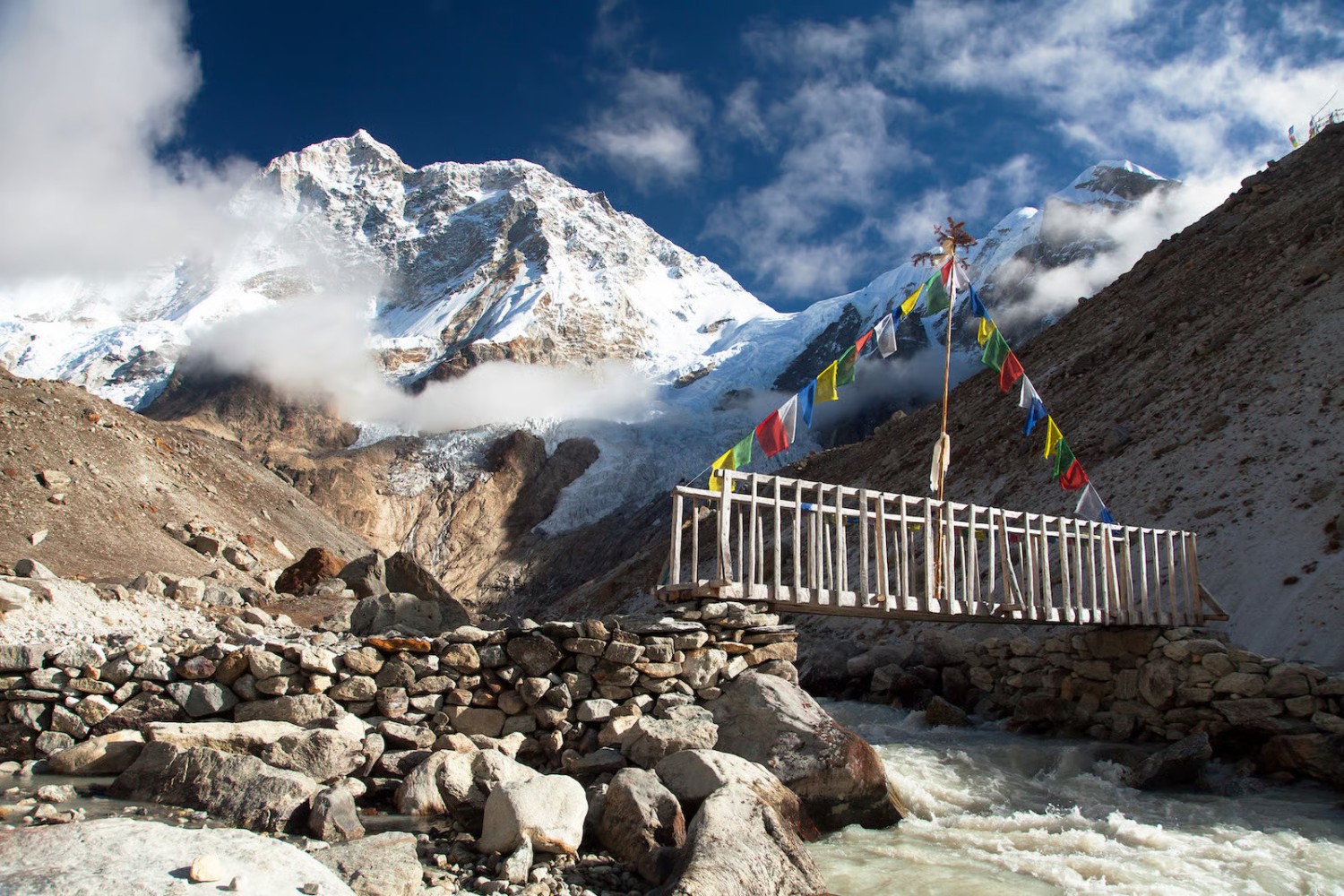
Yes, previous trekking experience is strongly recommended for the Makalu Sherpani Col Pass Trek. This 22-day journey crosses three high passes, camps above 5,000 m and uses fixed ropes, crampons and ice axes on glaciers. It is a very different undertaking from a standard teahouse trek.
The good news is that you do not need to be a professional mountaineer. This guide explains exactly which experience matters, what you can learn along the way, and how to fill any gaps before you go.
You can see the complete route and current price on the Makalu Sherpani Col Pass Trek page.
Why Experience Matters on This Trek
Several factors set this route apart:
- Altitude: You cross Sherpani Col (about 6,135-6,155 m), West Col (about 6,143 m) and Amphu Laptsa (about 5,845 m).
- High camps: You sleep at Swiss Base Camp (5,150 m), Sherpani Col Base Camp (5,688 m) and Amphu Laptsa Base Camp (5,527 m).
- Technical sections: Fixed ropes, crampons and ice axes are used on snow and glacier terrain.
- Remoteness: There are no lodges between Makalu Base Camp and Chhukung, and rescue depends on weather.
- Duration: Long walking days, repeated for 22 days.
Experience helps you judge your own limits, recognise altitude symptoms early and stay calm in cold, exposed terrain.
The Experience You Actually Need
1. High-altitude trekking experience (most important)
Aim for at least one trek above 5,000 m. Good examples are:
This tells you how your body reacts to thin air, cold and poor sleep, which no gym session can show you.
2. Multi-day trekking fitness
You should be comfortable walking 6-8 hours a day on consecutive days, with ascents or descents of 700-1,200 m. Previous 10-14 day treks are ideal.
3. Camping experience
From Swiss Base Camp to Amphu Laptsa Base Camp you live in tents. Experience of cold-weather camping, even a few winter nights, makes the high section far more comfortable.
4. Basic technical skills
You will use crampons, an ice axe, a harness and fixed ropes. Our guides brief and coach you, but practising beforehand makes the crossings safer and less stressful.
What You Do Not Need
- You do not need to be a professional climber. No summit experience is required.
- You do not need years of trekking. One or two well-chosen high treks can be enough.
- You do not need to be an elite athlete. Steady endurance and good preparation matter more than speed.
Experience Self-Check: Are You Ready?
| Question | Ready if... |
|---|---|
| Have you trekked above 5,000 m? | Yes, at least once |
| Can you walk 6-8 hours on consecutive days? | Yes, comfortably |
| Have you camped in cold conditions? | Yes, a few nights |
| Have you used crampons or an ice axe? | Yes, or you plan to practise |
| Did you recover well on back-to-back hard days? | Yes |
| Do you have no known altitude problems? | Confirmed with your doctor |
If you answered "no" to several of these, build your experience first. That is a smart decision, not a failure.
How to Gain the Experience You Are Missing
If you lack altitude experience: Start with Everest Base Camp or Manaslu, and add a high-pass trek afterwards.
If you lack technical skills: Try a guided trekking peak such as Mera Peak Climbing or Island Peak Climbing, or take a one- or two-day mountaineering course at home.
If you lack camping experience: Do a few weekend trips in cold weather with a four-season sleeping bag.
If you lack fitness: Train for 3-6 months with cardio 4-5 times a week, strength work 3 times a week and long hikes with an 8-12 kg pack.
You can explore more options in our Makalu region trips.
How Our Team Supports Less-Experienced Trekkers
With Nepal Voyage Treks, you are never alone on the mountain:
- Licensed guides and climbing Sherpas who fix ropes and manage the pass crossings
- Porters and a camping crew who carry gear, set up camp and cook hot meals
- Three built-in acclimatization days at Khongma Danda, Swiss Base Camp and Amphu Laptsa Base Camp
- Daily health checks, an oxygen cylinder and a first-aid kit
- A flexible plan that puts safety ahead of the schedule
Support reduces risk but does not replace experience. It works best when you arrive prepared.
Altitude Safety for Newer High-Altitude Trekkers
- Walk slowly and drink 3-4 litres of water daily.
- Eat even when your appetite drops.
- Report headache, nausea, dizziness or poor balance to your guide immediately.
- Descend if symptoms worsen.
- Ask your doctor whether altitude medication is suitable for you.
Read more in our guides to high-altitude travel and altitude illness and first aid and high-altitude safety.
Gear and Insurance Checklist
Group equipment (ropes, tents, kitchen gear) is supplied. You bring or rent mountaineering boots, crampons, an ice axe, a harness, a helmet, a four-season sleeping bag and an expedition down jacket. Most items can be rented in Kathmandu.
See our trekking equipment list and peak climbing equipment guide.
Your insurance must cover trekking above 6,000 m, technical terrain and emergency helicopter evacuation. Read our insurance guide and helicopter evacuation information.
Best Time to Go
- October-November: most stable weather and clearest skies
- April-May: warmer days, with more snow and cloud on the passes
Avoid winter and monsoon, and add spare days for Tumlingtar and Lukla flight delays.
Trek Snapshot
| Detail | Info |
|---|---|
| Duration | 22 days |
| Route | Tumlingtar, Num, Makalu Base Camp, Sherpani Col, Amphu Laptsa, Chhukung, Lukla |
| Passes | About 6,155 m, 6,143 m and 5,845 m |
| Accommodation | Lodges in lower villages, tents on the high section |
| Price | From €3,500 per person |
Confirm current rates and inclusions on the trip page.
FAQs: Experience and the Makalu Sherpani Col Pass Trek
1. Is previous trekking experience required?
It is strongly recommended. At least one trek above 5,000 m is a good minimum.
2. Can a complete beginner join?
It is not recommended. Build experience on a classic high-altitude trek first.
3. Do I need mountaineering experience?
No summit experience is needed, but basic crampon, ice axe and rope skills help a lot.
4. Which trek is the best preparation?
Everest Base Camp, Manaslu and the Three High Passes build altitude experience. Mera Peak or Island Peak add technical skills.
5. Will the guides teach me the technical skills?
Yes, they brief and coach you before the crossings. Prior practice still makes everything safer.
6. How long should I train?
Three to six months of cardio, strength and long loaded hikes.
7. What if I have never camped before?
Try a few cold-weather nights at home first. You will camp for several nights on this route.
8. Can I trek without a guide?
No. The route requires permits and a registered guide, and solo travel is not practical.
Final Thoughts
You do not need a long mountaineering résumé to attempt the Makalu Sherpani Col Pass Trek, but you do need real high-altitude and multi-day trekking experience, plus a willingness to learn basic glacier skills. Build that foundation, train well, and this crossing from Makalu to Everest becomes an achievable, unforgettable goal.
Not sure whether your experience is enough? Tell us about your previous treks and we will give honest advice.
👉 View the full itinerary and book your trip
👉 Make an enquiry or contact our team
👉 Join a group departure
WhatsApp / Call: +977 9851080223 | Email: info@nepalvoyagetreks.com






Leave a Comment