





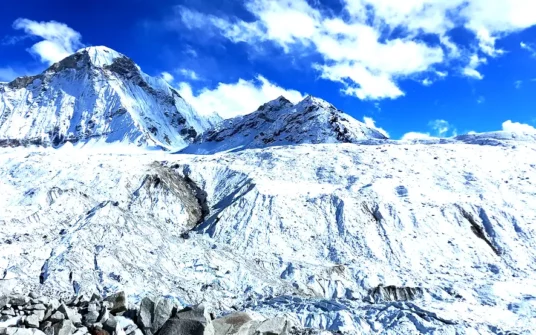
Standing beneath Makalu, the world's fifth-highest mountain, then crossing into the Everest region over three high passes is a dream for many trekkers. So it is natural to ask whether a first-time trekker can attempt it.
The honest answer: the Makalu Sherpani Col Pass Trek is not suitable for complete beginners. It is one of Nepal's most remote and technical treks. But "not yet" is very different from "never." This guide explains why the trek is so demanding, what experience you need, and how to build up to it safely.
You can view the full route and prices on the Makalu Sherpani Col Pass Trek page.
Quick Answer: Can Beginners Do the Makalu Sherpani Col Pass Trek?
| Trekker Type | Suitable? |
|---|---|
| Complete beginner (never above 3,000 m) | No |
| Beginner with good fitness but no altitude experience | Not recommended |
| Trekker with one 5,000 m+ trek (EBC, Manaslu, Three Passes) | Possible with training |
| Experienced high-altitude trekker or peak climber | Yes, ideal |
The trek is designed for experienced trekkers and adventure seekers. It crosses Sherpani Col (about 6,135-6,155 m), West Col (about 6,143 m) and Amphu Laptsa (about 5,845 m), with several nights camped above 5,000 m.
Why This Trek Is Hard for First-Time Trekkers
1. Extreme altitude
You sleep at Makalu Base Camp (4,870 m), Swiss Base Camp (5,150 m), Sherpani Col Base Camp (5,688 m) and Amphu Laptsa Base Camp (5,527 m). First-time trekkers have never tested how their body reacts at these heights, and altitude affects even very fit people.
2. Technical terrain
The passes use fixed ropes, crampons and ice axes. Day 14, crossing Sherpani Col and West Col to Baruntse Camp, is long, cold and steep, and starts before dawn.
3. Remote camping
Between Makalu Base Camp and Chhukung there are no lodges. You live in tents, in freezing temperatures, with basic facilities.
4. Long, repeated days
Many days involve 6-8 hours of walking, with ascents or descents of 700-1,200 m, one day after another, for 22 days.
5. Limited rescue access
Help is far away on this route, and helicopter evacuation depends on weather and landing sites. That raises the stakes for anyone who is unprepared.
What Experience Do You Need Before Attempting It?
Aim to tick most of these boxes:
- At least one trek above 5,000 m, such as Everest Base Camp, Manaslu Circuit or the Three High Passes
- Multi-day trekking fitness, meaning you can walk 6-8 hours on consecutive days
- Cold-weather camping experience, even a few nights on winter hikes
- Basic crampon, ice axe and rope skills, ideally from a short mountaineering course
- A good recovery pattern, since you should feel strong on day four, not only day one
You do not need to be a professional climber. Your guides coach you on the trail, but prior practice makes the crossings far safer and more enjoyable.
The Beginner Roadmap: How to Work Up to the Sherpani Col Trek
If this trek is your long-term goal, build up in stages.
Step 1: Start with a classic trek (4,000-5,500 m).
Try the Everest Base Camp Trek - 15 Days or the Manaslu Circuit Trek to learn how your body handles altitude.
Step 2: Add a high-pass experience.
The Everest Three High Passes Trek gives you multi-pass, high-camp experience.
Step 3: Learn glacier and rope skills.
A trekking peak such as Mera Peak Climbing or Island Peak Climbing teaches crampon, rope and glacier skills in a guided setting.
Step 4: Attempt the Makalu Sherpani Col Pass Trek.
With these steps behind you, the crossing becomes an ambitious but realistic goal.
For a gentler first look at the area, browse our other Makalu region trips.
Fitness Training Plan: 3-6 Months
If you already have the experience, here is how to prepare physically:
- Cardio, 4-5 times a week: running, cycling, swimming or fast hill walking
- Strength, 3 times a week: squats, lunges, step-ups and core work
- Long weekend hikes with an 8-12 kg pack
- Back-to-back hiking days to practise recovering
- Stair or hill repeats for steep-climbing power
- Balance work for rope and moraine sections
Altitude Preparation for Less Experienced Trekkers
- Respect the acclimatization days. The itinerary includes rest days at Khongma Danda (3,500 m), Swiss Base Camp (5,150 m) and Amphu Laptsa Base Camp (5,527 m).
- Walk slowly and drink 3-4 litres of water daily.
- Report symptoms immediately. Headache, nausea, dizziness or poor balance should go straight to your guide.
- Descend if symptoms worsen. This is the most important rule.
- See your doctor before the trip and ask whether altitude medication is right for you.
Learn more in our guides on high-altitude travel and altitude illness and first aid and high-altitude safety.
Why Guides, Sherpas and Support Matter So Much
Even experienced trekkers should not attempt this route alone. A strong team makes the difference between a risky trek and a well-managed expedition. With Nepal Voyage Treks, you get:
- Licensed guides and climbing Sherpas for the high passes
- Porters, cooks and a camping crew for the remote section
- Group climbing equipment, an oxygen cylinder and a first-aid kit
- Daily health checks and a flexible plan that puts safety ahead of the schedule
- Permits, domestic flights and airport transfers handled for you
Solo trekking is not practical on this route because of the technical passes, remote camping and limited rescue access.
What About Gear and Insurance?
Group gear such as ropes, tents and kitchen equipment is supplied. You bring or rent personal items such as mountaineering boots, crampons, an ice axe, harness, helmet, a four-season sleeping bag and an expedition down jacket. Most can be rented in Kathmandu.
Read our trekking equipment list for Nepal and peak climbing equipment guide.
Your insurance must cover trekking above 6,000 m, technical terrain and emergency helicopter evacuation. See our insurance guide and helicopter evacuation information.
Best Time for Your First Big Pass Trek
- October-November: the most stable weather and clearest skies
- April-May: warmer days, with more snow and cloud on the passes
Avoid winter and monsoon. Add spare days at both ends for Tumlingtar and Lukla flight delays.
Trek Snapshot: Makalu Sherpani Col Pass Trek
| Detail | Info |
|---|---|
| Duration | 22 days |
| Route | Tumlingtar, Num, Makalu Base Camp, Sherpani Col, Amphu Laptsa, Chhukung, Lukla |
| Highest passes | About 6,155 m, 6,143 m and 5,845 m |
| Acclimatization days | Khongma Danda, Swiss Base Camp, Amphu Laptsa Base Camp |
| Accommodation | Lodges at lower villages, tents on the high section |
| Price | From €3,500 per person |
Confirm current rates and inclusions on the trip page.
FAQs: Beginners and the Makalu Sherpani Col Pass Trek
1. Can a first-time trekker do the Makalu Sherpani Col Pass Trek?
It is not recommended. The route needs prior high-altitude experience and some technical skills.
2. What trek should I do first?
Start with Everest Base Camp or Manaslu, then the Three High Passes, and consider a trekking peak for technical practice.
3. Do I need to be a mountaineer?
No, but you should be comfortable with crampons, an ice axe and fixed ropes. Guides coach you, and a short course beforehand helps.
4. How fit do I need to be?
You should walk 6-8 hours a day on consecutive days and handle 700-1,200 m ascents or descents. Train for 3-6 months.
5. What if I get altitude sickness?
Tell your guide immediately. If symptoms worsen, you descend. Built-in rest days and daily health checks reduce the risk.
6. Is the trek safe for beginners with a guide?
A guide improves safety but cannot remove the demands of altitude and terrain. Experience still matters.
7. Can I trek solo?
No. The route requires permits and a registered guide, and solo travel is not practical here.
8. When should I book?
Book early for October-November or April-May, since few groups run each year.
Final Verdict: Not for Beginners, but a Great Goal
The Makalu Sherpani Col Pass Trek is not the right first trek. For trekkers who have done their groundwork, it is a rare, rewarding crossing: remote valleys, glacier camps, Makalu at close range and a finish among the Sherpa villages of Khumbu.
If you are experienced and ready, or if you want advice on a build-up plan, our team can help you decide.
👉 View the full itinerary and book your trip
👉 Make an enquiry or contact our team
👉 Join a group departure
WhatsApp / Call: +977 9851080223 | Email: info@nepalvoyagetreks.com






Leave a Comment