


The Lumba Sumba Pass Trek crosses one of Nepal’s quietest high passes, linking the Kanchenjunga Conservation Area with Makalu Barun National Park. It has no teahouse crowds and no easy bail-out points, so timing matters more here than on almost any other trek in Nepal. Pick the wrong month and you may face a snow-blocked pass, a leech-filled monsoon trail or a freezing high camp.
This guide covers the best months, what the weather does at each altitude, and how to choose between spring and autumn.
Quick Answer: Best Time for the Lumba Sumba Pass Trek
| Rank | Window | Why |
|---|---|---|
| Best overall | Mid-October to mid-November | Clear skies, dry air, the most stable weather and sharpest mountain views |
| Best for flowers and wildlife | Mid-April to mid-May | Blooming rhododendron forests and warmer valleys |
| Good, with caution | March, late May, early December | Possible snow on the pass, or building afternoon cloud |
| Avoid | June to early September, January to February | Monsoon rain and leeches, or heavy snow and extreme cold |
If you can only remember one thing: October and November are the safest bet for most trekkers.
Trek Snapshot
Before the weather, a quick look at the route, based on the Lumba Sumba Pass Trek itinerary by Nepal Voyage Treks:
- Duration: 21 days (Kathmandu to Kathmandu)
- Route: Fly to Bhadrapur, drive to Taplejung, trek via Olangchung Gola, cross the pass, descend through Thudam to Num, then fly from Tumlingtar
- Highest point: Lumba Sumba Pass, about 5,160-5,177 m (sources vary slightly)
- Camps: up to about 4,750 m at the pass base
- Grade: moderate to strenuous, with remote camping and long days
Because you move from warm farmland at about 400 m to a frozen pass above 5,000 m, the trek takes in several climates in one journey.
Month-by-Month Guide
| Month | Rating | What to expect |
|---|---|---|
| January | Not recommended | Severe cold at altitude and deep snow likely on the pass |
| February | Not recommended | Still cold, with snow risk and the pass often blocked |
| March | Good | Warming days, snow possible early in the month, pleasant lower valleys |
| April | Excellent | Stable weather, rhododendron bloom and clearing skies |
| May | Very good | Warm valleys and good views, with haze and afternoon clouds building |
| June | Not recommended | Monsoon begins, with rain, leeches and slippery trails |
| July | Not recommended | Heavy rain, landslide risk and hidden mountains |
| August | Not recommended | Peak monsoon, with damaged or muddy trails |
| September | Fair, with caution | Monsoon fading, but early-month rain and landslides can linger |
| October | Excellent | Clear, dry, crisp and the most settled conditions |
| November | Excellent | Dry, sharp views and cold nights, with the first snow possible late in the month |
| December | Fair, for experienced teams | Cold and dry, but snow can close the pass |
Spring vs Autumn: Which Should You Choose?
| Feature | Spring (March-May) | Autumn (October-November) |
|---|---|---|
| Mountain views | Good, with some haze later | Exceptional and crystal clear |
| Scenery | Rhododendron, wildflowers, green forests | Golden fields, sharp alpine light |
| Temperatures | Warmer overall | Cooler, especially at night |
| Snow on the pass | Possible early in the season | Usually minimal |
| Wildlife | More active | Good, but quieter |
| Crowds | Very few | Very few, slightly busier |
| Best for | Flowers, nature and warmer days | Photography and stable crossings |
Choose autumn if the pass crossing and photography are your priority. Choose spring if you want flowering forests and warmer lower trails, and are fine with a little more cloud.
Weather by Altitude: What You’ll Actually Feel
Weather on this trek changes with height more than with distance. As a rule of thumb, it gets about 6°C colder for every 1,000 m you climb.
| Zone | Altitude | Typical day | Typical night |
|---|---|---|---|
| Lowlands and foothills (Taplejung, Tumlingtar) | 400-1,800 m | 18-28°C | 10-18°C |
| Mid-hill forest (Chiruwa, Lelep, Num) | 1,200-2,300 m | 14-22°C | 6-12°C |
| Upper forest and pasture (Ela Danda, Olangchung Gola) | 3,200-3,525 m | 8-15°C | -3 to 4°C |
| High camps (pass base, Yak Kharka) | 4,200-4,750 m | 0-8°C | -12 to -5°C |
| Lumba Sumba Pass | about 5,177 m | -8 to 2°C | n/a, crossed by day |
Indicative ranges for spring and autumn. Wind chill on the pass can feel far colder.
The usual daily pattern
- Early morning: cold, clear and calm, which is the best time for views and the pass crossing.
- Midday: rapid warming in the sun.
- Afternoon: cloud builds and wind rises.
- Night: frost at high camps.
This is why the pass day starts before sunrise, whatever the season.
Season-by-Season Detail
Autumn (October-November): the safest window
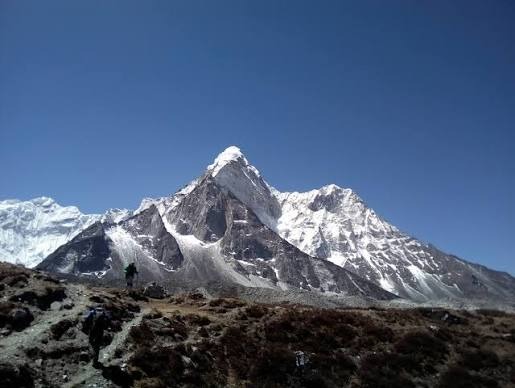
After the monsoon washes the air, visibility is at its best, with clear views of Kanchenjunga, Jannu, Makalu and Chamlang from the pass. Trails are dry and stable. Nights at high camps are properly cold, and by late November fresh snow on the pass becomes more likely, so mid-October to mid-November is the sweet spot.
Spring (March-May): flowers and warmth
Forests between Lelep and Ela Danda come alive with color, and the Arun Valley is lush. Early spring can bring snow near the pass. By May, afternoon clouds and haze build as the monsoon approaches, so mornings matter.
Winter (December-February): only for specialists
The days are sunny but the cold is severe and deep snow can close the pass. With no lodges on the high section and limited rescue options, winter is only for highly experienced, well-equipped teams with flexible schedules.
Monsoon (June-early September): avoid
Heavy rain, leeches on the lower trails, slippery routes, landslide risk and cloud-covered mountains make for a miserable and riskier trek. The overgrown bamboo sections below Thudam become harder to follow.
Snow, Pass Conditions and Safety
The route’s most important decision is the crossing day, which includes about 8-10 hours of walking from the pass base camp at about 4,750 m.
- Start before sunrise for the most stable weather.
- Fresh snow slows progress and hides the trail, especially in early spring and late autumn.
- Wind and cold can change within hours, so keep warm layers in your daypack.
- The guide decides. A good crew will delay or turn back if conditions are unsafe, so build buffer days into your plans.
- Altitude matters as much as weather. The itinerary includes a rest day at Olangchung Gola (3,208 m), and you should read about high-altitude travel and altitude illness before you go.
What to Pack for Your Season
| Season | Key extras |
|---|---|
| Autumn | Warm down jacket, thermal layers, insulated gloves for cold nights |
| Spring | Rain shell, sun protection, light layers for warm valleys, gaiters for snow patches |
| Any season | Sleeping bag rated about -15°C to -20°C, trekking poles, headlamp, sunglasses with side shields |
Check the full trekking equipment list for Nepal, and make sure your insurance covers high-altitude trekking and helicopter evacuation. Nepal Voyage Treks explains cover in its travel insurance and evacuation guide.
Planning Tips
- Book 6-12 months ahead. The trek needs restricted-area and park permits, plus a licensed guide and registered agency.
- Keep 2-3 spare days at the end for flight and weather delays, since the Tumlingtar flight is often disrupted by cloud.
- Be fit and acclimatized. Strong legs and good endurance help with 5-10 hour days.
- Choose experience over speed. An experienced guide and crew matter on a route with few signs and little help nearby.
Is Lumba Sumba Right for You?
This trek suits experienced trekkers who want solitude, culture and a real high-pass challenge. If you’re newer to the Himalaya, consider building experience first on a shorter route, or explore other Kanchenjunga region treks such as the Kanchenjunga East-West Base Camp Trek. Fans of the far east can also browse Makalu region trips.
Frequently Asked Questions
What is the best month for the Lumba Sumba Pass Trek?
October and November offer the clearest skies and most stable conditions. April is the best spring month.
Can I do the Lumba Sumba Pass Trek in winter?
It is risky. Deep snow can close the pass, and nights at high camps are severe. It is only for highly experienced, well-equipped teams with flexible plans.
Is the monsoon a bad time to trek?
Yes. Rain, leeches, landslides and poor visibility make it uncomfortable and less safe.
Is there snow on the pass in spring and autumn?
Sometimes. Early spring and late November are the most likely times for fresh snow.
How cold does it get at high camps?
Expect night temperatures well below freezing, roughly -12°C to -5°C at about 4,200-4,750 m, so a sleeping bag rated to about -15°C to -20°C is recommended.
How many days do I need?
Plan on about 21 days from Kathmandu to Kathmandu, plus a couple of buffer days.
Ready to Plan Your Crossing?
See the full day-by-day itinerary, permits and inclusions on the Lumba Sumba Pass Trek page. Questions about dates or season? Send an inquiry or contact the team, and they will help you pick the right window.





Leave a Comment