


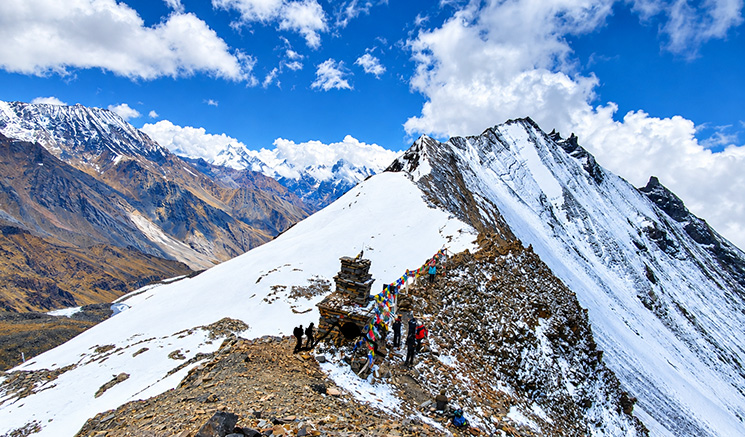
Safety is the question that matters most when you are planning a remote Himalayan trek for the first time. The Nar Phu Valley is beautiful, quiet, and culturally rich, but it is also high, isolated, and far from hospitals. Before you book, you deserve a clear and honest answer.
Short answer: the Nar Phu Valley Trek can be done safely by first-timers who are fit, well prepared, properly insured, and willing to follow a licensed guide’s decisions. It is not risk-free, and it is not the right choice for everyone. The main dangers are altitude sickness, weather on Kang La Pass (about 5,320 m), and slow evacuation from a remote area. Almost all of these risks can be reduced with good planning. You can see the full itinerary and booking details on the 12-Day Nar Phu Valley Trek & Kang La Pass page by Nepal Voyage Treks.
Nar Phu Valley Trek Safety Snapshot
| Risk | Level for First-Timers | How to Reduce It |
|---|---|---|
| Altitude sickness | Moderate to high | Slow pace, extra rest day, hydration, honest symptom reporting |
| Kang La Pass conditions | Moderate to high | Pre-dawn start, guide’s go/no-go decision, warm layers, poles |
| Remote location and slow rescue | High | Insurance with helicopter cover, licensed agency, buffer days |
| Cold and weather | Moderate | Proper layers, -rated sleeping bag, season choice |
| Falls and trail hazards | Low to moderate | Good boots, poles, careful footing, guide’s pace |
| Dehydration and fatigue | Moderate | 3 to 4 liters of fluids daily, regular meals and rest |
| Stomach illness | Moderate | Treated water, hot freshly cooked food, hand hygiene |
| Road travel | Moderate | Experienced driver, sturdy vehicle, early starts, spare time |
Quick Facts
| Detail | Information |
|---|---|
| Duration | 12 days (Kathmandu to Kathmandu), about 7 days of trekking |
| Highest Point | Kang La Pass, about 5,320 m |
| Highest Overnight Stops | Phu (about 4,080 m) and Nar (about 4,110 m) |
| Start / End | Koto / Ngawal, then Manang |
| Guide Required | Yes (restricted area) |
| Permits | Nar Phu Restricted Area Permit and Annapurna Conservation Area Permit |
| Best Season | March to May and September to November |
| Price | From about €1,500 per person |
The Honest Safety Picture
What Makes the Trek Safer Than It Sounds
- No technical climbing: No ropes, crampons, or mountaineering skills are needed.
- A mandatory licensed guide: Because Nar Phu is a restricted area, you cannot trek independently. A guide handles navigation, pace, weather, and health monitoring.
- Porters carry the load: A light daypack lowers fatigue and injury risk.
- Well-established route: The trail is walked each season, with suspension bridges and teahouses at each overnight stop.
- Short trekking window: About 7 days on the trail means less accumulated fatigue than longer circuits.
What Makes It Riskier Than a Typical First Trek
- Altitude: You sleep above 4,000 m and cross 5,320 m.
- A very long pass day: About 8 to 10 hours, with a steep descent of more than 1,600 m.
- Remoteness: Hospitals are far away, and helicopter rescue depends on weather.
- A fast early ascent: The first trekking day gains about 900 m, from Koto (about 2,600 m) to Meta (about 3,560 m).
- Limited rest time: The standard 12-day itinerary has only one dedicated acclimatization day.
- Basic facilities: Cold nights, unheated rooms, and limited power and connectivity.
The Main Risks Explained
1. Altitude Sickness
This is the biggest medical risk on the trek. Altitude illness can affect anyone, regardless of age or fitness, and first-timers often do not recognize the early signs.
Common symptoms of mild altitude sickness:
- Headache (the most common sign)
- Nausea or loss of appetite
- Dizziness
- Unusual fatigue
- Poor sleep
Serious warning signs that require immediate descent:
- Severe headache that does not ease with rest or medication
- Repeated vomiting
- Confusion or unusual behavior
- Loss of balance or coordination
- Breathlessness at rest or a persistent wet cough
- Extreme drowsiness
These can signal severe conditions such as HAPE (fluid in the lungs) or HACE (swelling of the brain), which are medical emergencies.
2. Kang La Pass Conditions
Snow, ice, strong wind, and low visibility can turn a hard day into a dangerous one. Mornings are usually the most stable, which is why pass day starts before sunrise. The guide’s decision to cross, delay, or turn back must be respected.
3. Remoteness and Evacuation
Phu and Nar are far from hospitals, and helicopter rescue depends on weather, visibility, and landing conditions. Evacuation can be slower and more complicated than on busier routes. This is why insurance and early decision-making matter so much.
4. Cold and Weather
Nights at Phu, Nar, and the pass approach fall well below freezing. Cold, wind, and wet clothing can cause hypothermia if you are underdressed or exhausted.
5. Falls and Trail Hazards
The route includes steep ascents, long descents, loose stones, narrow cliff-side sections, and suspension bridges. Tired trekkers on long descents, especially the descent from Kang La toward Ngawal, are at higher risk of slips and knee injuries.
6. Dehydration, Fatigue, and Stomach Illness
Dry air and exertion increase water loss, and tiredness reduces judgment. Changes in food and water can cause stomach upset, which weakens you and worsens altitude symptoms.
7. Road Travel
The drive to Koto takes about 9 to 10 hours on a rough mountain road, and the return from Manang to Kathmandu can take 12 to 16 hours or be split over two days. Landslides, dust, and delays are possible, especially in wet weather.
Where the Itinerary Needs Extra Safety Care
| Day | Route | Safety Concern |
|---|---|---|
| 3 | Drive to Koto (about 2,600 m) | Long, rough road, fatigue before trekking begins |
| 4 | Koto to Meta (about 3,560 m) | Large altitude gain of about 900 m in one day |
| 5 | Meta to Phu (about 4,080 m) | Long day of 7 to 8 hours at rising altitude |
| 6 | Rest day in Phu | Valuable acclimatization, do not skip or shorten |
| 8 | Nar Phedi to Nar (about 4,110 m) | Another climb of roughly 600 m |
| 9 | Kang La Pass (about 5,320 m) to Ngawal | The most dangerous day: altitude, cold, long descent |
| 11 | Drive Manang to Kathmandu | Very long road day after a hard trek |
Altitudes and times are approximate and can change with weather and trail conditions.
Safety tip: The usual guideline is to increase your sleeping altitude by no more than about 300 to 500 m per day above 3,000 m. The first day’s gain is larger than that, so walk slowly and consider asking for a longer itinerary with an extra rest day at Meta or Nar.
What a Good Guide Does for Your Safety
A professional guide is your most important safety tool. A good guide should:
- Set a slow, steady pace and monitor the group
- Check how each trekker feels every evening and morning
- Recognize altitude symptoms and make descent decisions
- Decide whether to cross, delay, or turn back at Kang La
- Carry a first-aid kit and know how to use it
- Contact the agency and arrange rescue if needed
- Manage permits, lodging, meals, and logistics so you can rest
Nepal Voyage Treks includes a licensed, English-speaking guide, porters, permits, and basic first-aid support in the package, and notes that the guide may change the itinerary if conditions become unsafe. Ask your operator whether the guide carries a pulse oximeter and what altitude and first-aid training the team has.
Go or No-Go: Rules to Follow
Agree with your guide before the trek that these rules apply to everyone.
Never go higher if you have:
- A headache that is getting worse
- Repeated vomiting
- Confusion or loss of balance
- Breathlessness at rest
- A wet, persistent cough
Descend immediately if:
- Symptoms worsen despite rest and fluids
- You cannot walk in a straight line
- You become unusually sleepy or confused
- Your guide advises it
Delay or turn back at Kang La if:
- There is heavy fresh snow, ice, or strong wind
- Visibility is poor
- A group member is unwell
- You start too late and daylight is running short
The golden rule: the mountain will still be there next year. No summit, pass, or schedule is worth a life.
Emergency Response and Evacuation
How a typical emergency works:
- Your guide assesses the situation and moves you to a lower, safer altitude where possible
- The guide contacts the trekking agency and, if needed, your insurer
- A helicopter is arranged if conditions allow, or the trekker is moved on foot or by pony to a pick-up point
- You are flown to a hospital in Pokhara or Kathmandu for treatment
What to remember:
- Helicopters cannot fly in poor weather, clouds, or strong wind, so delays are possible
- Remote villages may have limited communication, so early decisions matter
- Insurers often need to be contacted before a non-emergency evacuation, though not in a life-threatening situation
- Keep policy details, passport copies, and emergency contacts with you and your guide
Read the company’s guides to helicopter rescue in Nepal and travel insurance, emergency rescue, and helicopter evacuation.
Travel Insurance: Non-Negotiable
Insurance is essential for this trek. Your policy should include:
- Trekking cover to at least 5,500 m
- Emergency helicopter evacuation and air ambulance
- Medical treatment and hospitalization in Nepal
- Repatriation to your home country
- Trip cancellation, delay, and interruption
- Lost or stolen baggage and gear
Check the fine print:
- “Trekking” must be named, not just “hiking”
- The altitude limit must be stated in meters
- Look for exclusions for pre-existing conditions
- Confirm how helicopter costs are paid (direct to the operator or reimbursed)
You can also read the company’s guide to travel insurance for trekking, peak climbing, expeditions, tours, and travel in Nepal.
Staying Safe on the Trail
Altitude and health
- Walk slowly and steadily, even when you feel strong
- Drink 3 to 4 liters of fluids daily
- Eat regularly, even when your appetite drops
- Avoid alcohol and sleeping pills
- Report any symptom early and honestly
- Discuss altitude medication such as acetazolamide with your doctor before the trip
Trail safety
- Use trekking poles on steep descents
- Stay with your group and guide, especially in fog or snow
- Keep away from cliff edges when taking photos
- Wear broken-in boots with good grip
- Start early and finish before afternoon weather
Cold and weather
- Dress in layers and add or remove them often
- Keep a warm layer, hat, and gloves in your daypack
- Change out of wet clothing as soon as you reach the lodge
- Use a sleeping bag rated for cold conditions
Food and water hygiene
- Drink only boiled, filtered, or treated water
- Choose hot, freshly cooked meals
- Wash or sanitize your hands before eating
- Avoid raw salads and unpeeled fruit
Road safety
- Use a sturdy vehicle with an experienced driver
- Start early to avoid driving in the dark
- Keep spare days in case of landslides or delays
- Wear a seatbelt where available
Safest Season for First-Timers
Spring (March to May): Stable weather and good visibility. Snow may remain on the pass early in the season.
Autumn (September to November): The most popular season, with clear skies and stable conditions. Nights are cold.
Winter (December to February): Heavy snow can make Kang La difficult or unsafe, and some residents move to lower villages, so services are limited. Not recommended for first-timers.
Monsoon (June to August): The valley lies in a rain-shadow area, but road conditions and lower sections can be disrupted. Check carefully before planning.
For the safest first attempt, choose mid-April to May or October to early November.
Who Should Think Twice
Consider a lower, shorter trek first if you:
- Have never done a multi-day hike
- Have never slept above 3,000 m
- Have untreated heart, lung, or blood pressure conditions
- Are pregnant
- Cannot add buffer days to your plans
- Feel pressure to complete the pass whatever the conditions
Always talk to a doctor before trekking at high altitude, especially with any health condition.
Pre-Trek Safety Checklist
- Medical check-up completed and doctor’s advice noted
- 8 to 12 weeks of training done, including long hikes with a loaded pack
- Travel insurance covering trekking to 5,500 m and helicopter evacuation
- Insurance policy number and emergency contacts shared with your guide and family
- Licensed agency confirmed, with permits arranged
- Itinerary reviewed, and an extra acclimatization day requested if possible
- Broken-in boots, warm layers, and a cold-rated sleeping bag packed
- Personal first-aid kit, blister care, and any regular medication packed
- Water purification tablets or a filter packed
- 2 or more spare days built into your travel plans
For a full gear checklist, see the trekking equipment list for Nepal. For medical kit advice, read the guide to first aid, medical kits, and high-altitude safety for trekking in Nepal and high-altitude travel and altitude illness.
Questions to Ask Your Trekking Agency
- Is the agency registered, and are the guides licensed?
- What altitude and first-aid training does the guide have?
- Does the guide carry a pulse oximeter and a full first-aid kit?
- How many acclimatization days are in the itinerary, and can an extra day be added?
- What happens if Kang La cannot be crossed?
- How is communication handled in remote sections?
- How is evacuation arranged, and who contacts the insurer?
- What is the porter weight limit and welfare policy?
- What is the refund or rescheduling policy for weather or illness?
Costs and Inclusions
The package is listed from about €1,500 per person and typically includes a licensed guide, porter service, the Restricted Area Permit and ACAP, teahouse accommodation, meals, ground transport, and basic first-aid support. International flights, visa, travel insurance, Kathmandu hotels and meals (unless listed), personal expenses, tips, and emergency or rescue costs are extra. Check the trip page for the latest inclusions and exclusions, and confirm permit rules and fees with your operator.
Explore Safer Stepping-Stone Treks
If you want more experience before attempting Nar Phu, consider these options from Nepal Voyage Treks:
- Helambu Circuit Trek (8 days)
- Langtang Valley Trek
- Mardi Himal Trek (8 days)
- Annapurna Base Camp Trek (17 days)
- Annapurna Balcony Trek (11 days)
- All Annapurna region treks
Top 15 FAQs: Is the Nar Phu Valley Trek Safe for First-Timers?
1. Is the Nar Phu Valley Trek safe for first-timers?
It can be, with proper preparation. The trek has no technical climbing, requires a licensed guide, and uses porters and teahouses, which all support safety. However, it is remote, spends nights above 4,000 m, and crosses a 5,320 m pass, so risks cannot be fully removed. Fit, well-prepared first-timers with good insurance and a cautious guide can do it, while those with no hiking experience are better off starting with a lower trek.
2. What are the biggest safety risks?
The main risks are altitude sickness, weather and trail conditions on Kang La Pass, cold, falls on steep or rocky sections, dehydration, stomach illness, and slow evacuation from a remote area. Rough road travel at the start and end also carries some risk. Most of these can be reduced with slow pacing, good gear, proper hydration, honest symptom reporting, and a guide who is willing to turn back.
3. How dangerous is altitude sickness on this trek?
It is a real concern because you sleep at about 4,080 m and 4,110 m and then cross about 5,320 m. Most cases are mild and improve with rest and descent, but severe forms such as HAPE and HACE can be life-threatening. Walk slowly, drink 3 to 4 liters of fluids daily, avoid alcohol, and report symptoms early. If symptoms worsen, descend immediately.
4. How safe is the Kang La Pass crossing?
The crossing is physically demanding but non-technical. The main hazards are altitude, cold, wind, possible snow and ice, and a long steep descent of more than 1,600 m toward Ngawal. Starting before sunrise, carrying warm layers, using poles, and following your guide’s go or no-go decision make it much safer. Never push on in poor weather to keep to a schedule.
5. What happens if I get sick or injured?
Your guide assesses the situation, moves you to a safer altitude if needed, and contacts the agency and your insurer. Depending on severity and weather, you may be evacuated by helicopter or moved on foot or by pony to a pick-up point, then taken to a hospital in Pokhara or Kathmandu. Delays are possible because of weather, so early decisions are important.
6. Is helicopter rescue available?
Helicopter evacuation is possible in many parts of the region, but it depends on weather, visibility, and landing conditions. Because Nar Phu is remote, evacuation can take longer than on busier routes. This is why insurance with helicopter cover is essential and why you should keep spare days in your travel plans.
7. What travel insurance do I need?
You need a policy that covers trekking to at least 5,500 m, emergency medical treatment, and helicopter evacuation, plus trip cancellation or interruption. Check that “trekking” and the altitude limit are named in the policy, review exclusions for pre-existing conditions, and confirm how helicopter costs are paid. Keep your policy number and emergency contacts with your guide.
8. Do I need a guide, and does that make it safer?
Yes, a licensed guide is required in this restricted area, and it is a major safety advantage. A good guide sets the pace, monitors your health, makes weather and descent decisions, handles permits and logistics, and coordinates rescue. Nepal Voyage Treks includes a licensed guide and permits in the package. Ask about the guide’s first-aid and altitude training before you book.
9. How can I reduce my risk of altitude sickness?
Walk slowly, use the rest day at Phu fully, and consider asking for an extra acclimatization day at Meta or Nar. Drink 3 to 4 liters of fluids a day, eat regularly, avoid alcohol and sleeping pills, and tell your guide about any symptoms immediately. Discuss altitude medication such as acetazolamide with your doctor before the trip, but do not treat it as a substitute for a slow ascent.
10. What fitness level makes the trek safer?
Good fitness reduces fatigue, injury risk, and the chance of poor decisions, though it does not prevent altitude sickness. Aim for 8 to 12 weeks of training with cardio, leg strength, core work, and long hikes with a loaded daypack, including back-to-back days. Practice downhill walking with poles, and get a medical check-up first, especially if you have any health condition.
11. What is the safest time of year?
March to May and September to November offer the most stable weather and best visibility. Autumn is the most popular, and spring is slightly warmer with possible snow on the pass early on. Winter brings heavy snow and extreme cold that can make Kang La unsafe, and the monsoon can disrupt roads, so both are best avoided on a first attempt.
12. Is the food and water safe?
Teahouse meals are freshly cooked and generally safe, especially hot dishes like dal bhat, noodles, and soups. Drink only boiled, filtered, or treated water, wash or sanitize your hands before eating, and avoid raw salads and unpeeled fruit. Stomach upset can weaken you and worsen altitude symptoms, so hygiene matters.
13. What if bad weather stops me from crossing Kang La?
Safety comes first. If snow, wind, poor visibility, altitude sickness, or trail conditions make the pass unsafe, your guide may delay the crossing, change the plan, or return along a safer route. The pass cannot be guaranteed, so keep spare days in your plans and confirm with your operator what the package covers if the crossing is not possible.
14. Is the road journey safe?
The roads to Koto and from Manang are mountain roads that can be rough, dusty, and affected by landslides or construction, especially in wet weather. The drive to Koto takes about 9 to 10 hours, and the return can take 12 to 16 hours or be split over two days. Choose an experienced driver and a sturdy vehicle, start early, and leave buffer time before any international flight.
15. Should first-timers do this trek at all?
Only if they are fit, well prepared, and realistic about the risks. If you have never done a multi-day hike or slept above 3,000 m, a lower route such as Helambu, Langtang Valley, or Mardi Himal is a safer first step, and you can return to Nar Phu with more experience. If you do go, travel with a reputable licensed agency, buy proper insurance, and be ready to turn back.
Final Thoughts
The Nar Phu Valley Trek is not a reckless adventure, but it is a serious one. For first-timers, safety depends less on luck and more on preparation: training well, acclimatizing slowly, choosing a reliable operator, carrying the right insurance, and respecting the mountain’s conditions. Do those things, and this valley can be a safe and unforgettable first Himalayan journey.
Ready to plan? Visit the 12-Day Nar Phu Valley Trek & Kang La Pass page for the full itinerary, then make an inquiry, book your trek, join a group departure, or contact Nepal Voyage Treks to discuss a longer, safer schedule with extra acclimatization time.
Note: Altitudes, walking times, prices, permit rules, and inclusions are approximate and can change. Confirm current details with your trekking operator before booking. This guide is general information and not medical advice, so consult a doctor before trekking at high altitude.





Leave a Comment